#1
9.6/10
Queen from$899· twin typically 40–50% less
Twin buying is a different problem than queen buying: thickness limits on bunks, growth spurts, dorm-length beds, and daybed depth all decide the answer before comfort does. Here is what actually fits.
Top bunks need 5" of guardrail above the mattress. That caps most bunks at a 6–8" mattress — not the 12" hybrid you liked.
Measure rail-to-slat firstNearly every US dorm bed is 38" × 80". A standard twin leaves a five-inch gap and slides on the frame.
Confirm before move-inTrundles usually need a mattress under 8" tall to roll back underneath, and daybeds look wrong above 10".
Height matters more than feelNeed the full dimension table? See our mattress size and dimensions guide, or the best mattresses for kids.
Every model below is sold in twin or twin XL and scored well on value and support at low body weights — the load range that matters when a child or teen is the sleeper.
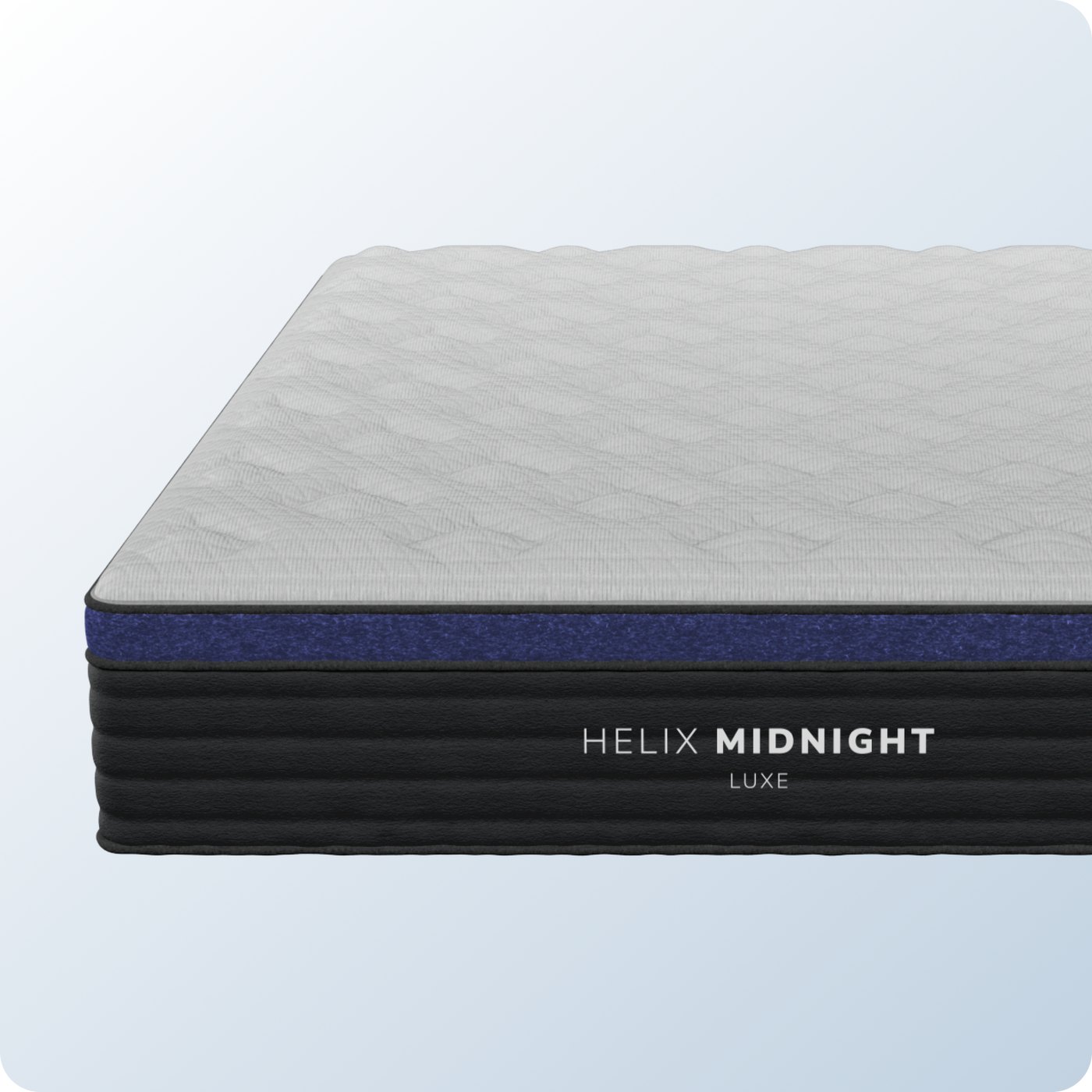
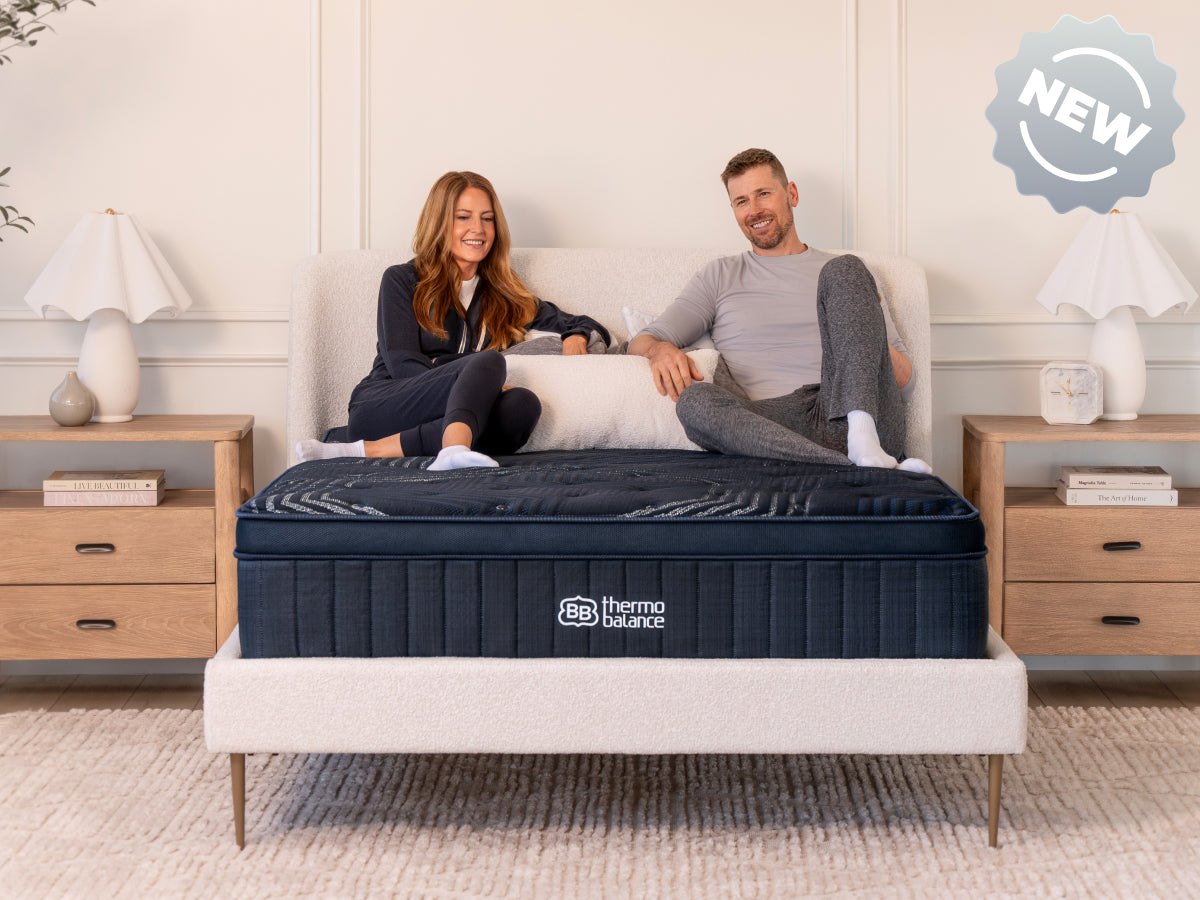
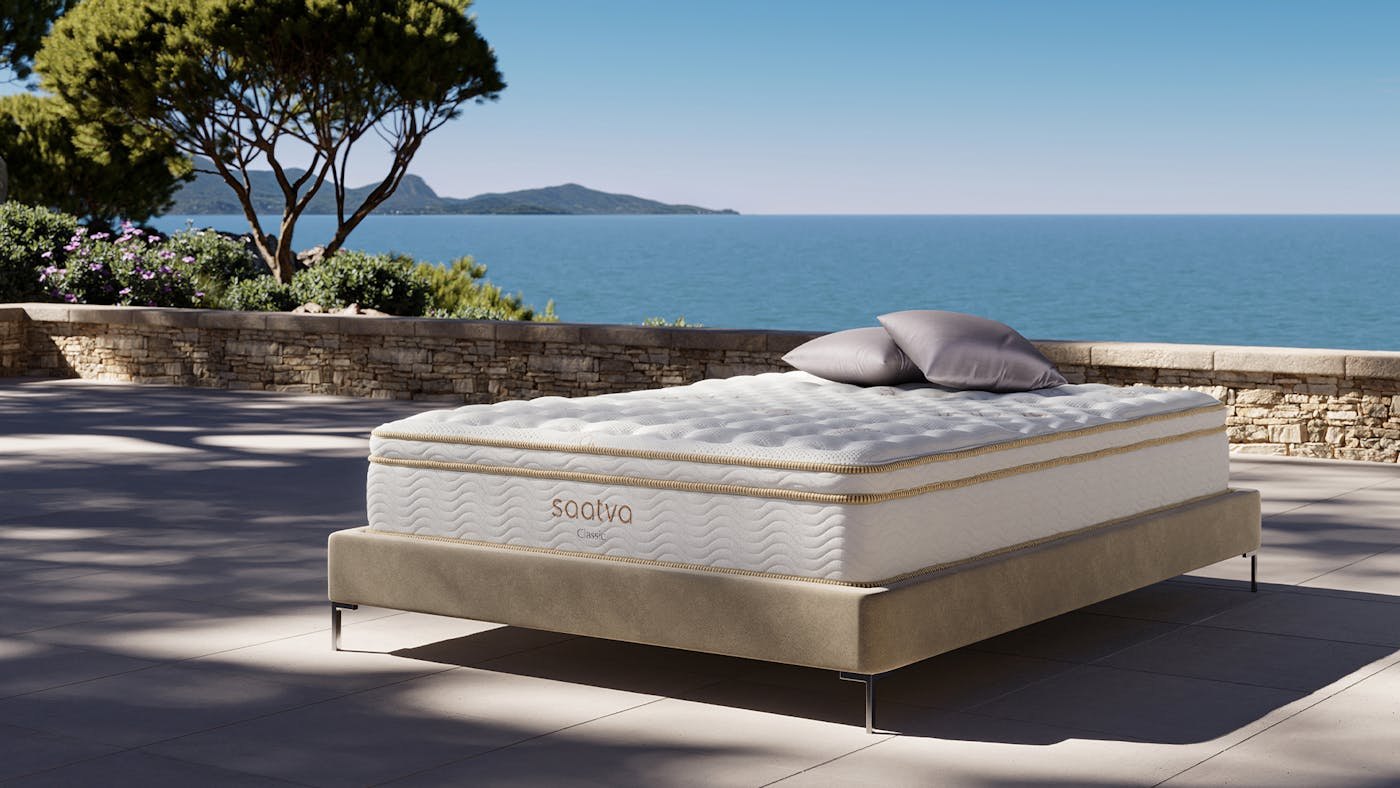
Child under 12, standard bunk or daybed → Twin, 6–8 inches thick
Teen still growing, or anyone over 5'8" → Twin XL
Heading to a dorm → Twin XL, always, plus deep-pocket XL sheets
Adjustable base for one person → Twin XL (standard twin bases barely exist)
Two twin XLs pushed together → that is a split king; see our split-king guide
Guest room that occasionally hosts couples → skip twin, buy a full or queen
Related: split king adjustable beds · best king mattresses · guest room mattresses
A standard twin is 38" × 75" (96 × 190 cm). Twin XL adds five inches of length at 38" × 80" (96 × 203 cm), which is the size used in college dorms and in each half of a split king.
Buy Twin XL if the sleeper is over 5'8", still growing, or the bed will ever sit on an adjustable base. Standard twin is fine for children under about 12 and for bunk beds, daybeds, and trundles, which are usually built to the shorter 75-inch frame.
No. At 38 inches wide, a twin gives each person 19 inches — less than half the shoulder width most adults need. Two adults need a full (54") at absolute minimum, and realistically a queen.
Expect $200–$400 for a solid foam twin, $400–$700 for a hybrid, and $700–$1,200 for an organic or latex twin. Twin is typically 40–50% of the queen price for the same model, so it is the cheapest way to try a brand before buying it in a larger size.
Medium-firm to firm (6.5–7.5/10). Children weigh too little to compress a plush comfort layer, so a soft mattress they sink into offers no meaningful support and holds heat. Firmer surfaces also stay flatter across years of jumping and growth.
Standard twin fits nearly every bunk. Check the guardrail height rule: the mattress should be no thicker than 6–8 inches on the top bunk so at least 5 inches of rail remains above the sleep surface. Most 10–12 inch hybrids are too thick for a top bunk.
Keep exploring
Before you buy, read the brand: construction, pricing bands, trial and warranty terms, and how each company's lineup performed in our Encinitas lab.
Hand-picked guides and reviews from our editorial team.
Twin to California King dimensions.
Safe, durable picks for kids' rooms.
Local showroom guide.
Modern waterbed picks.
Affordable, occasional-use picks.
Waterproof + breathable protectors tested.