#1
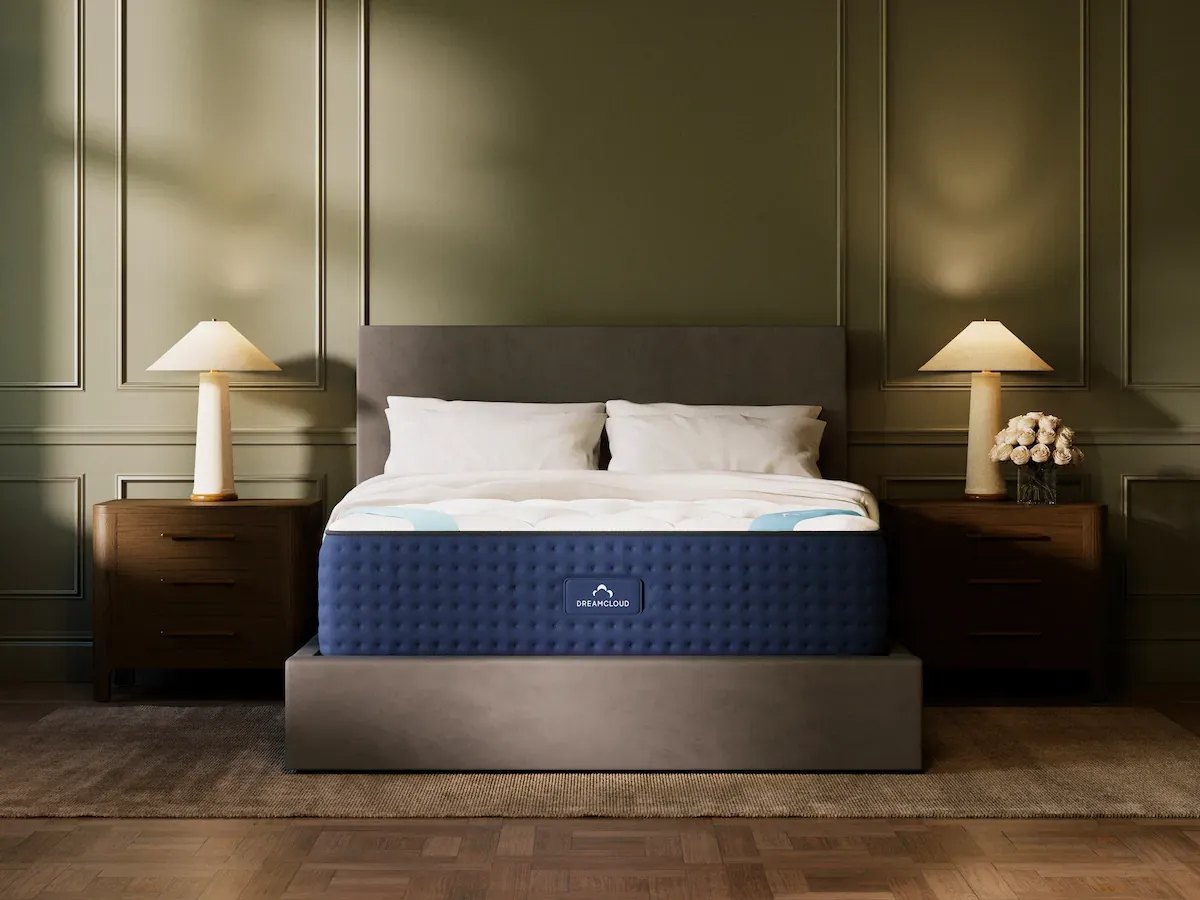
9.6/10
Firmness: 6.5/10
9.7
Support
9.5
Pressure Relief
9.2
Cooling
$899$1499
Keep exploring
Frequently Asked
Sleep Sage cites primary sources for all clinical claims. Lab measurements (firmness, pressure, temperature, motion transfer) originate from our internal protocol described at /how-we-test.
Before you buy, read the brand: construction, pricing bands, trial and warranty terms, and how each company's lineup performed in our Encinitas lab.
Sciatic nerve pain isn't really about the nerve — it's about what's compressing it. We tested 47 mattresses with side, back, and combination sleepers managing L4–S3 nerve irritation to find the 8 that actually let people sleep through the night.
Firmer coils or transition foam under the lower back keep L4–S1 neutral
Reduces nerve root compressionPlush comfort layer at hips prevents piriformis muscle from pinching the nerve
Critical for side sleepersLancet-backed range that outperforms both soft and firm for radicular pain
Spinal alignment + cushioningRanked by composite support + pressure-relief score from our pressure-mapping rig.
Firmness: 6.5/10
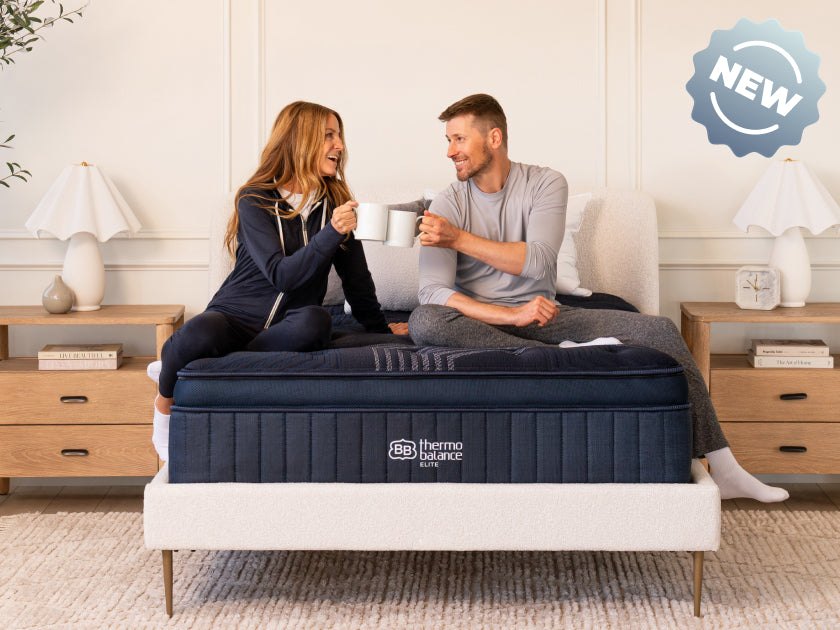
Firmness: 6/10
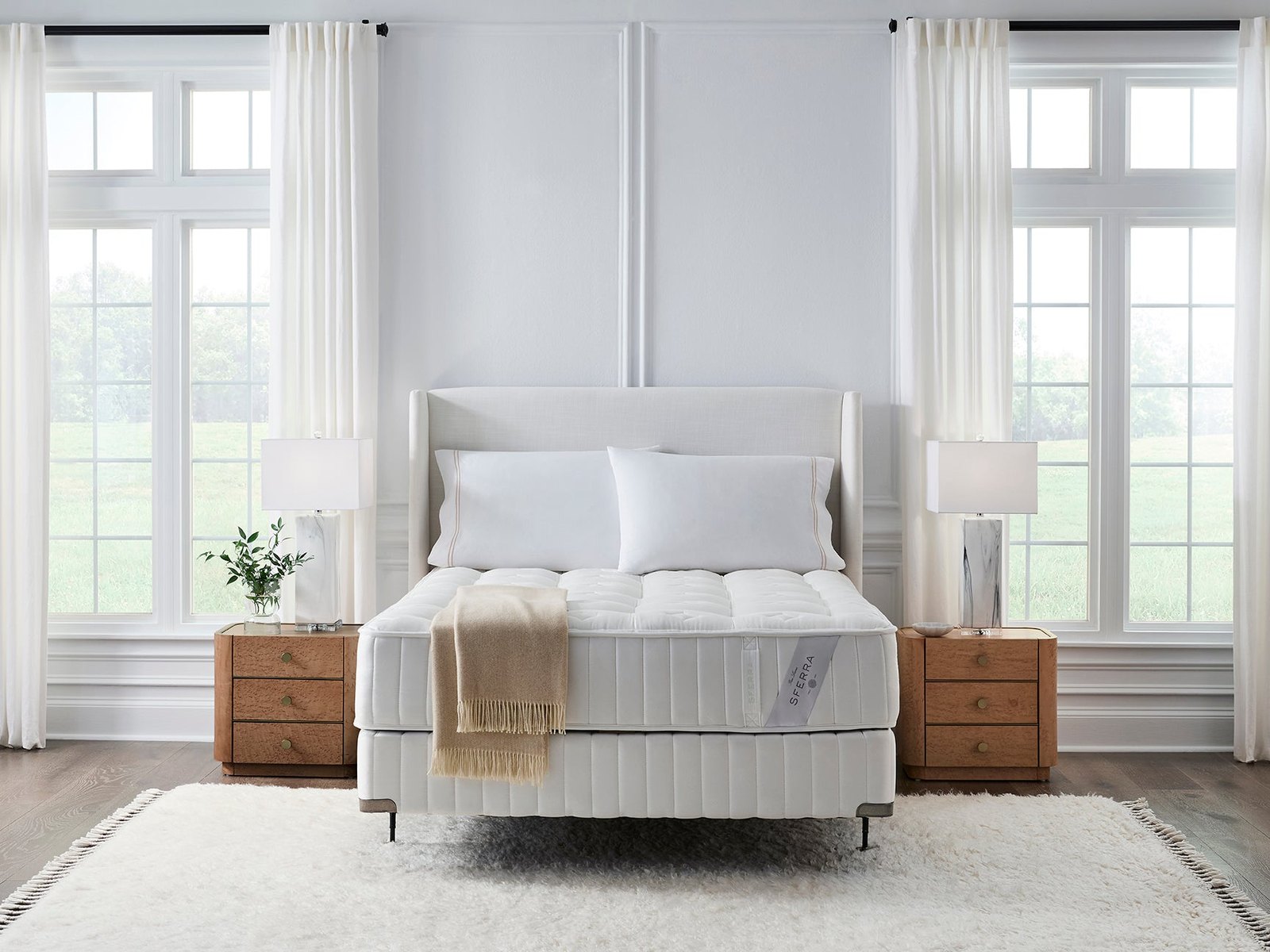
Ultra-luxury Italian craftsmanship meets American engineering
Firmness: 7/10
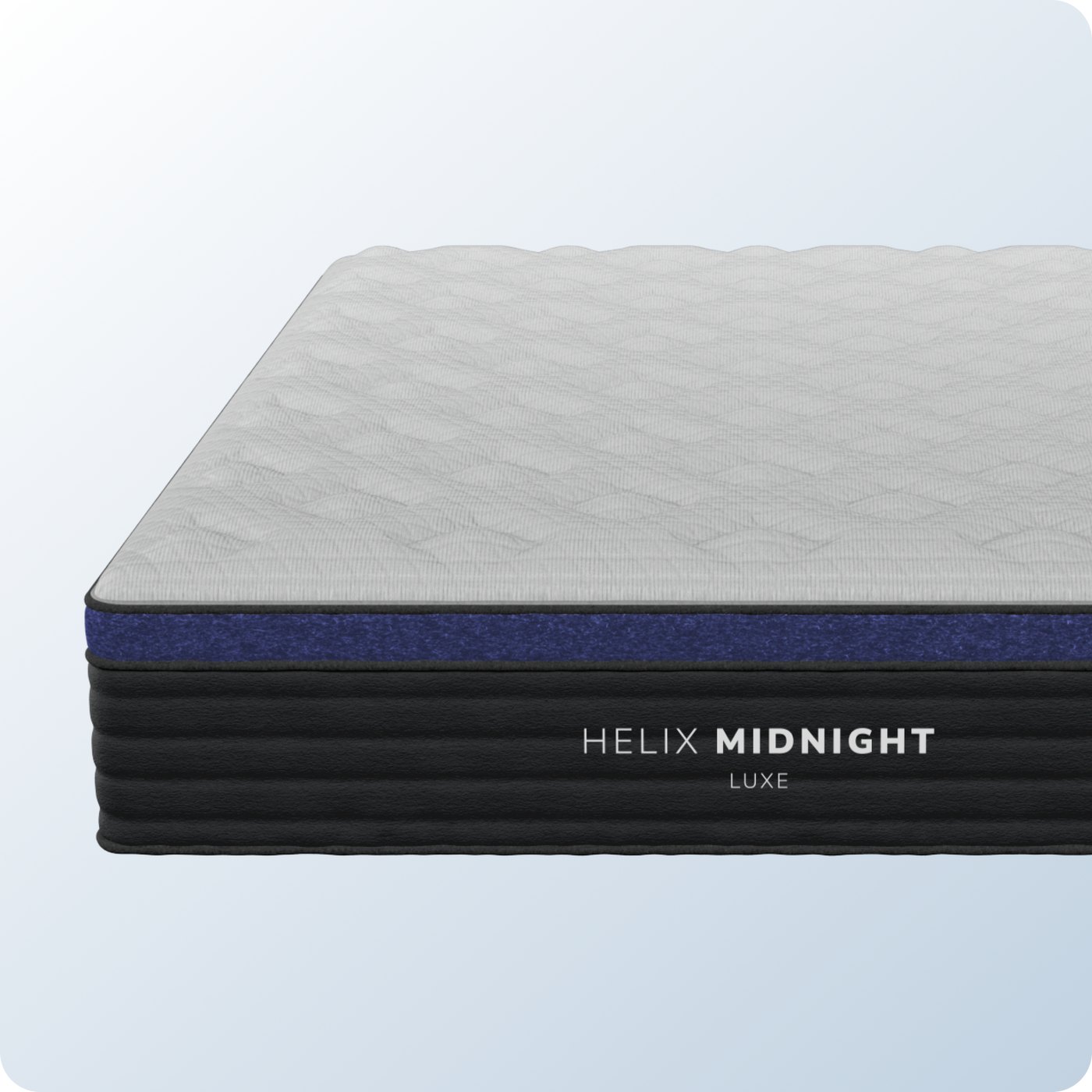
Firmness: 5.5/10
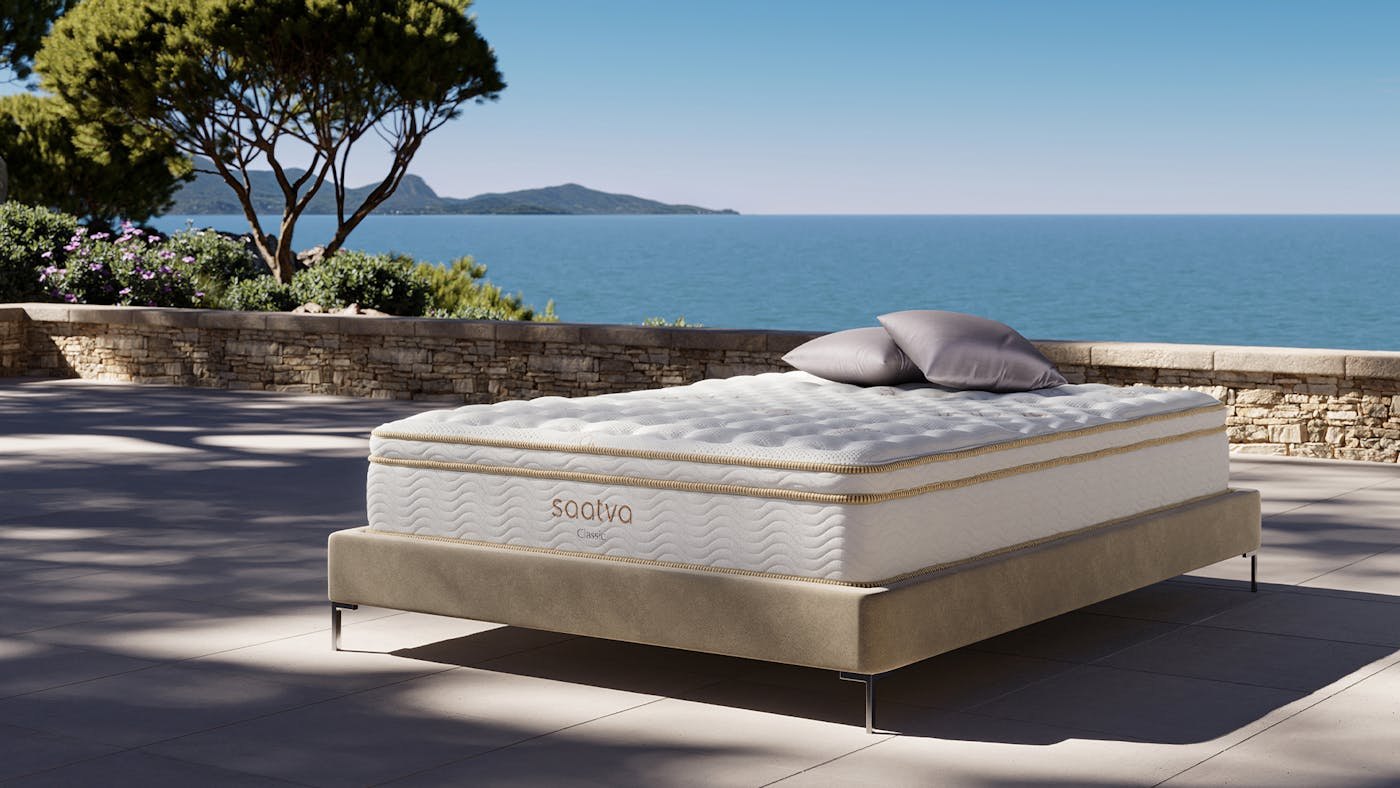
Firmness: 6/10
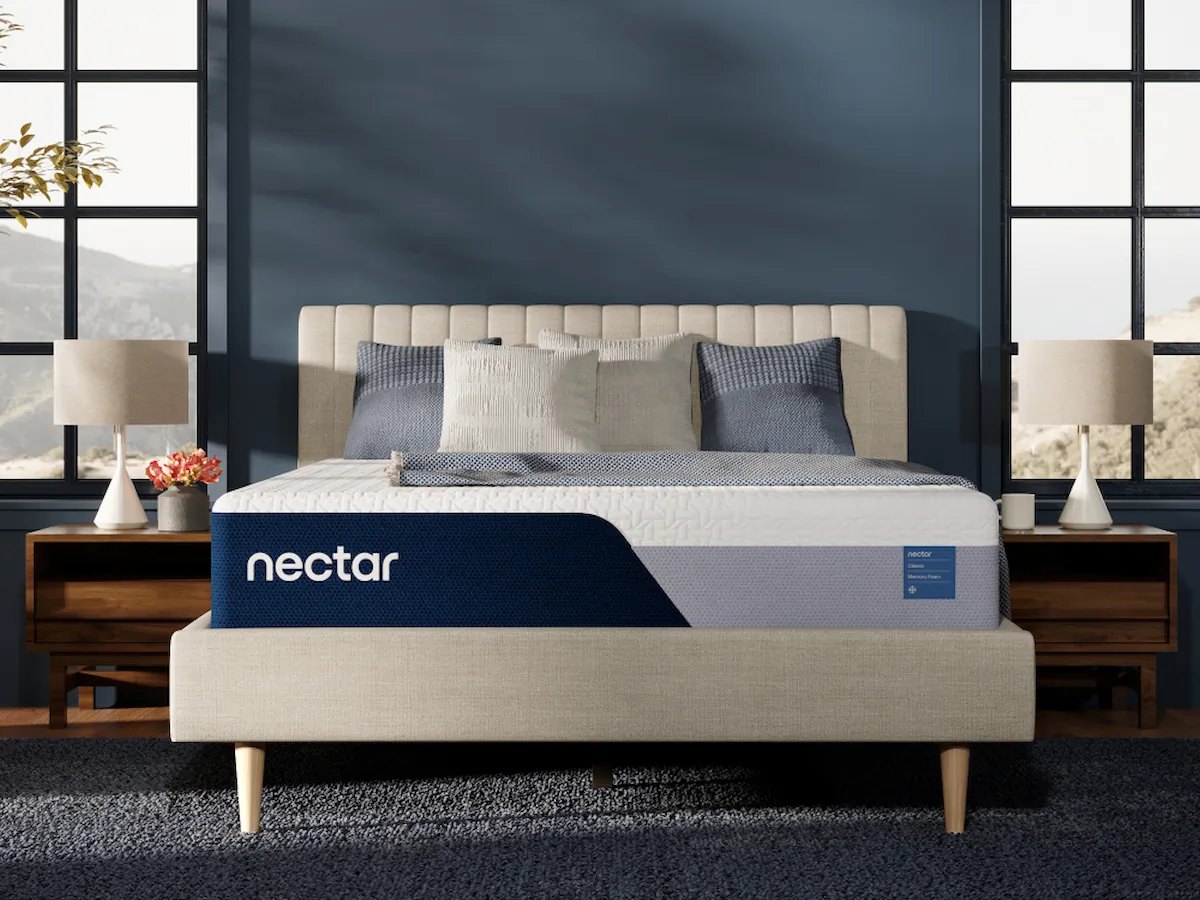
Firmness: 6/10
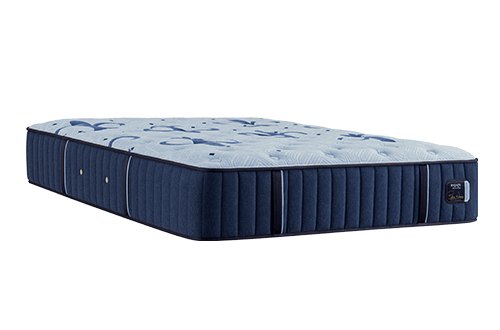
Firmness: 6/10
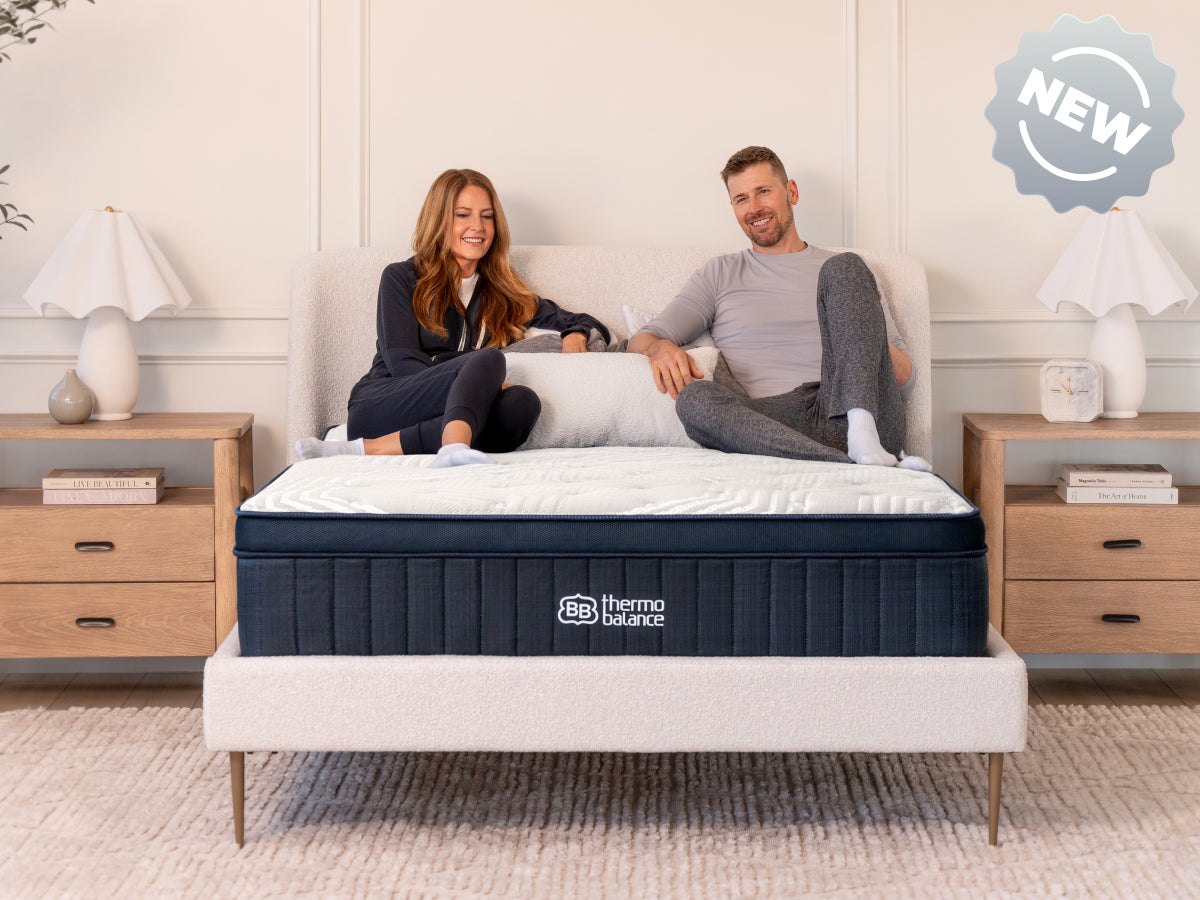
Firmness: 6/10
The sciatic nerve is the longest in your body, branching from L4 through S3 nerve roots in your lower spine and running down each leg. Compress it anywhere along that path and you get the burning, tingling, or shock-like pain that defines sciatica.
Mattresses contribute to compression in three measurable ways:
We pressure-map every mattress with three weighted models (135 lb, 180 lb, 235 lb) in side and back positions, then measure peak pressure at the hip and lumbar gap depth. Mattresses earning a spot here keep peak hip pressure under 32 mmHg (the capillary closure threshold) while maintaining lumbar contact within 0.5 cm of neutral.
A new mattress isn't always enough.
Sciatica accompanied by leg weakness, loss of bladder/bowel control, or pain that doesn't improve after 6 weeks needs medical evaluation — possibly imaging for disc herniation or spinal stenosis. This guide is for sleep optimization, not medical treatment.
The best mattresses for sciatica are medium-firm hybrids (6–7/10) with zoned lumbar support and pressure-relieving comfort layers. They keep the spine neutral while cushioning the hips and lower back, where sciatic nerve compression typically originates.
Medium-firm is best for most sciatica sufferers. A 2003 Lancet study found medium-firm mattresses reduced lower back pain disability more than firm ones. Too soft lets the hips sink and torques the lumbar spine; too firm creates pressure on the piriformis and glutes that can pinch the sciatic nerve.
Yes. Sagging or unsupportive mattresses force the lumbar spine out of alignment for 7–9 hours a night, irritating the L4–S3 nerve roots that form the sciatic nerve. Most patients report measurable relief within 2–3 weeks of upgrading to a properly supportive mattress.
Generally no. While very firm surfaces feel better than a sagging mattress, the floor lacks the contouring needed at the lumbar curve, often making sciatic pain worse. A medium-firm mattress with zoned support outperforms the floor in clinical comfort studies.
Side sleeping with a pillow between the knees relieves sciatic compression for most people. Avoid stomach sleeping, which hyperextends the lumbar spine. If you sleep on your back, place a pillow under your knees to flatten the lower back.
If you're researching sciatica, these related guides often help too.
Lancet-backed medium-firm picks
Read guideNeutral spine, low compression
Read guideSlight flexion to open the canal
Read guideMedium-firm support for general back pain
Read guidePressure relief at the trochanter
Read guideCushioning for worn discs
Read guide