#1
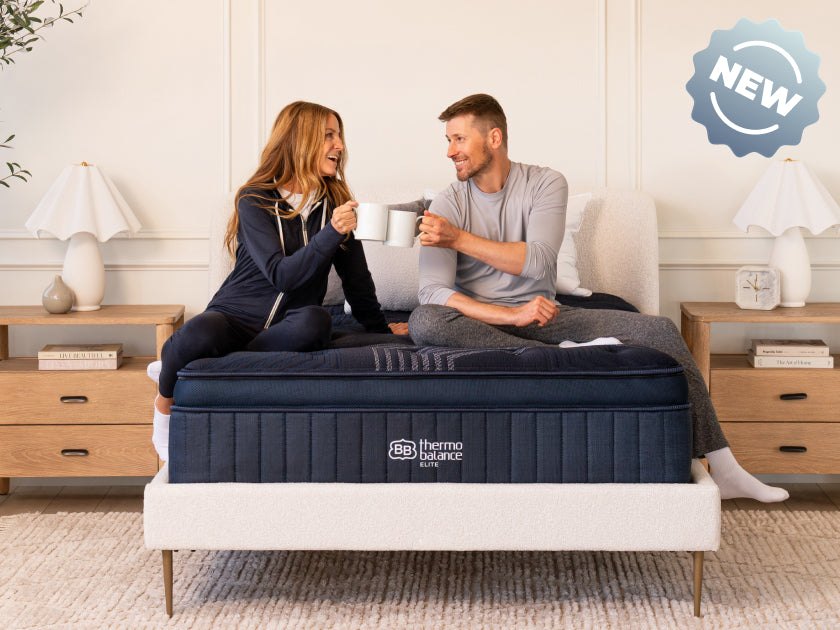
9.5/10
Cooling: 9.9/10
9.9
Cooling
9.6
Comfort
9.5
Support
$1749$2332
"Cool to the touch" wears off in 12 minutes. We strapped skin temperature loggers to testers across 8-hour sleep sessions and used thermal cameras to find the 8 mattresses that actually reject body heat all night long — not just at lights-out.
Absorbs heat by changing state at ~88°F — keeps absorbing for hours
Tested 6°F drop sustainedVertical airflow channels carry heat away from your body
2× better than all-foamWater or air-cooled covers like Eight Sleep — most effective for severe sweats
Set to 55–110°FRanked by 8-hour thermal performance (70%) and overall sleep quality (30%).
Cooling: 9.9/10
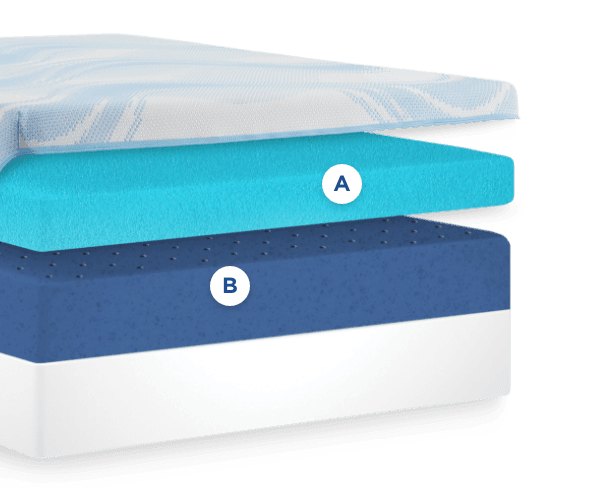
Feel up to 8° cooler — the ultimate cooling mattress
Cooling: 9.8/10
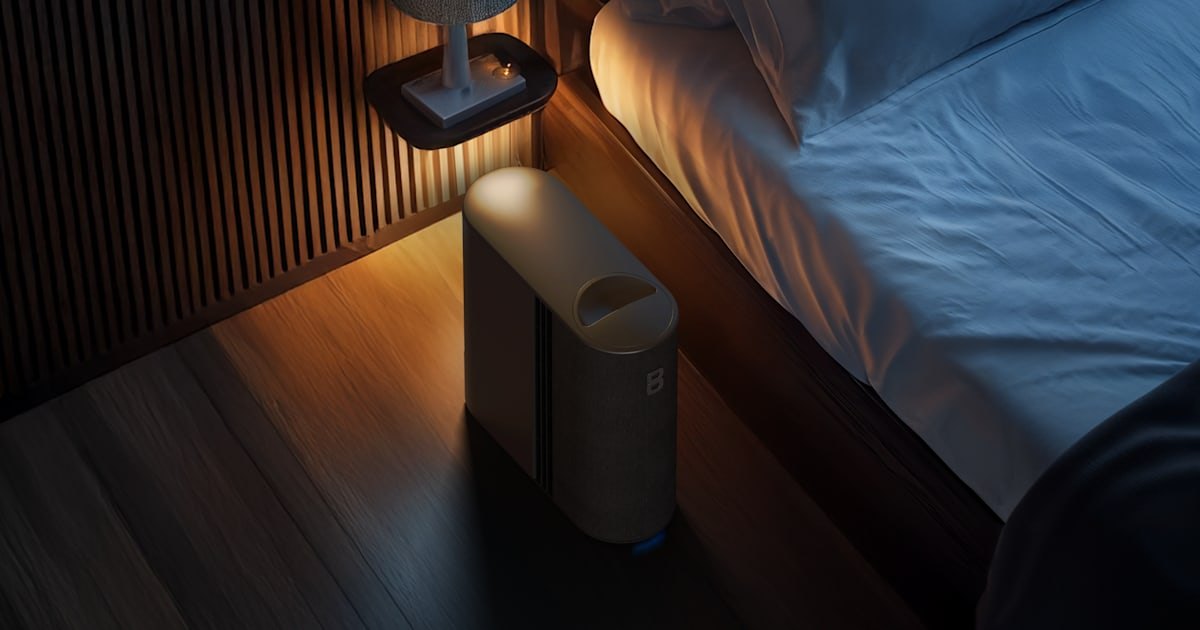
Cooling: 9.9/10
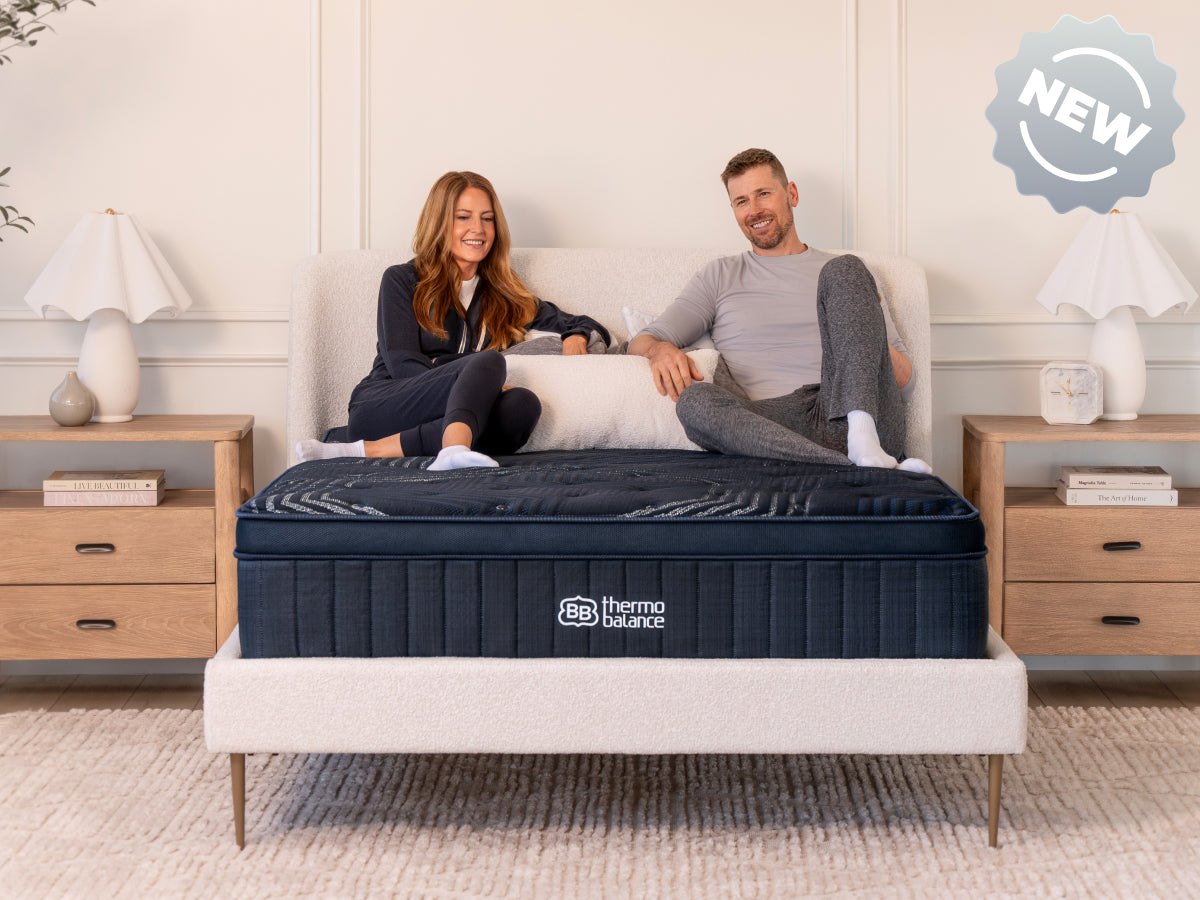
Cooling: 9.8/10
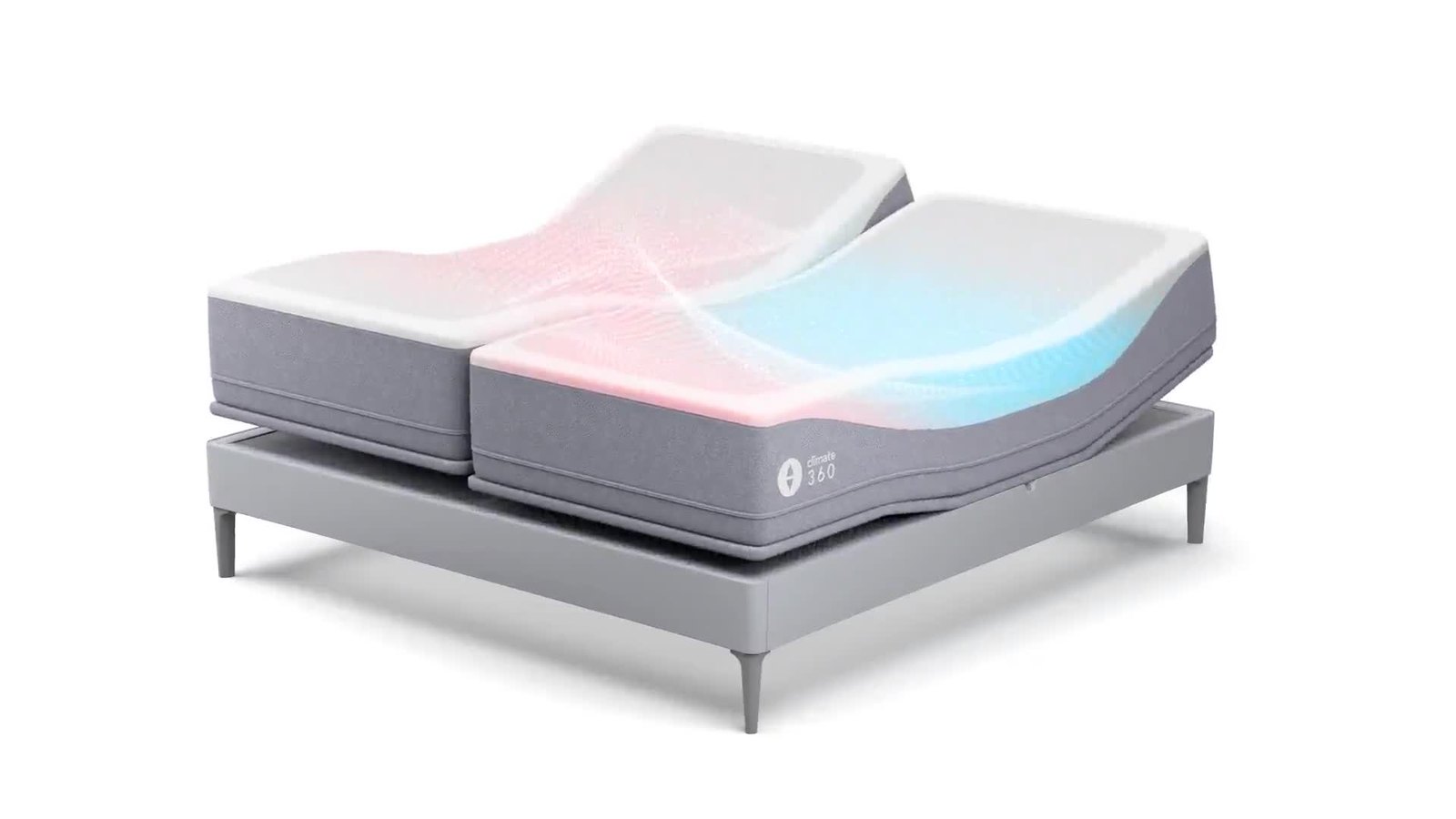
Cooling: 9.8/10
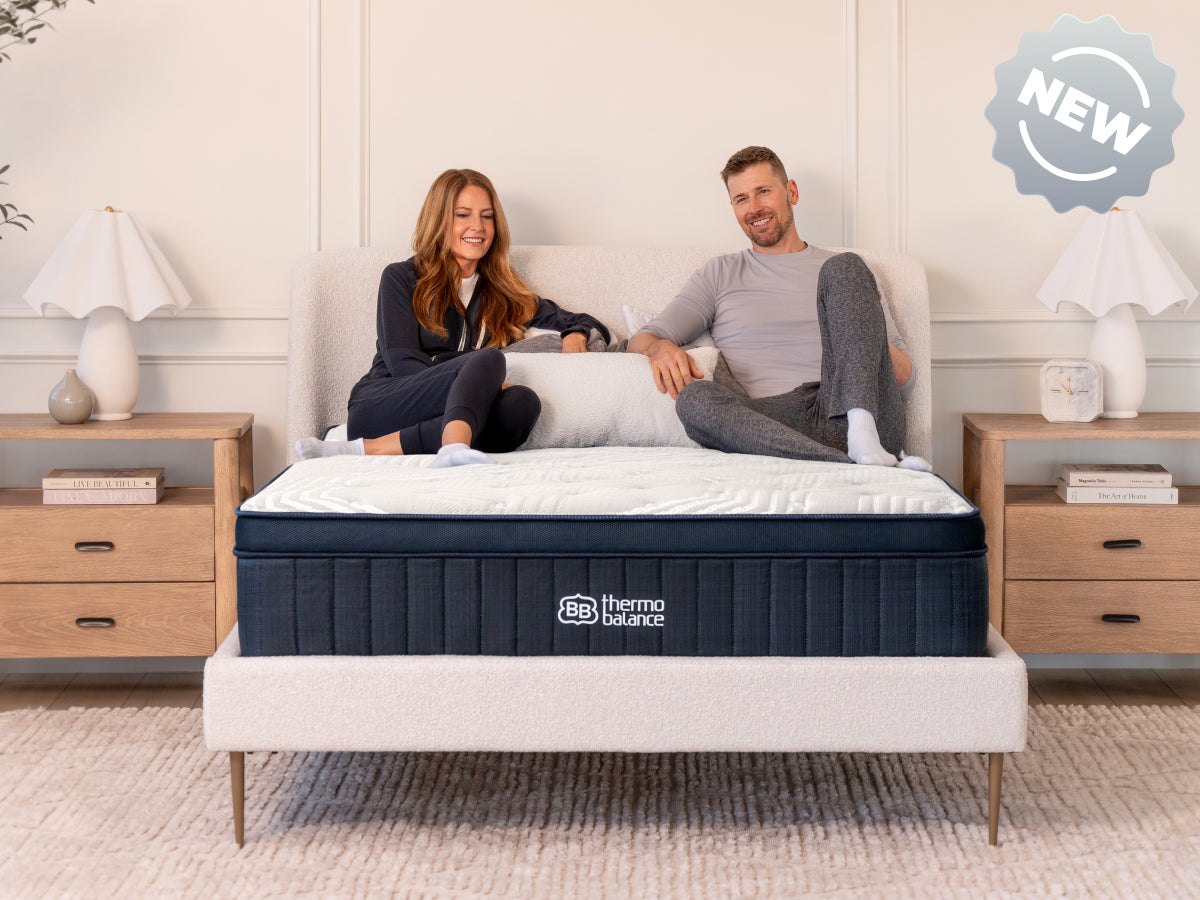
Cooling: 9.7/10
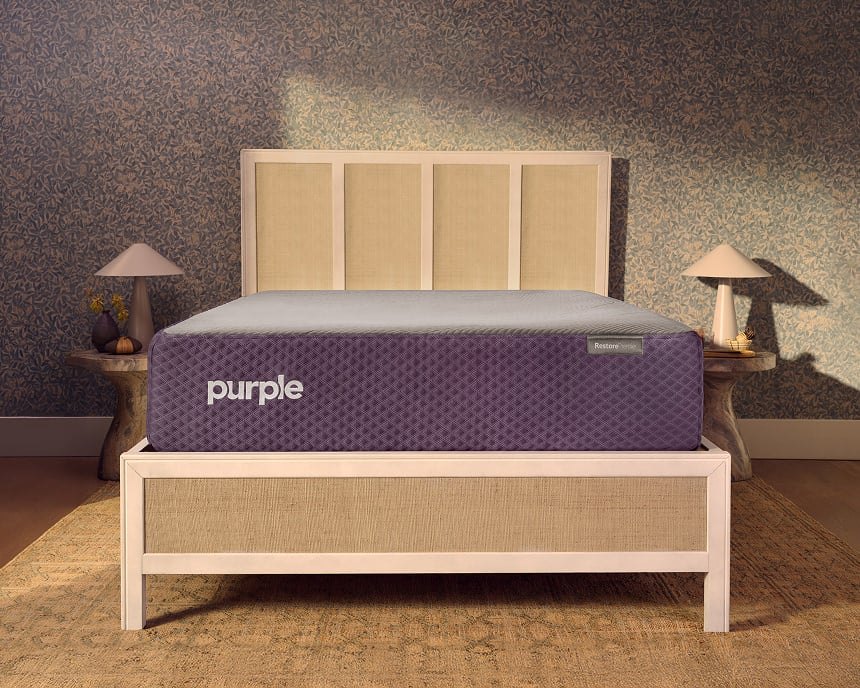
Cooling: 9.8/10
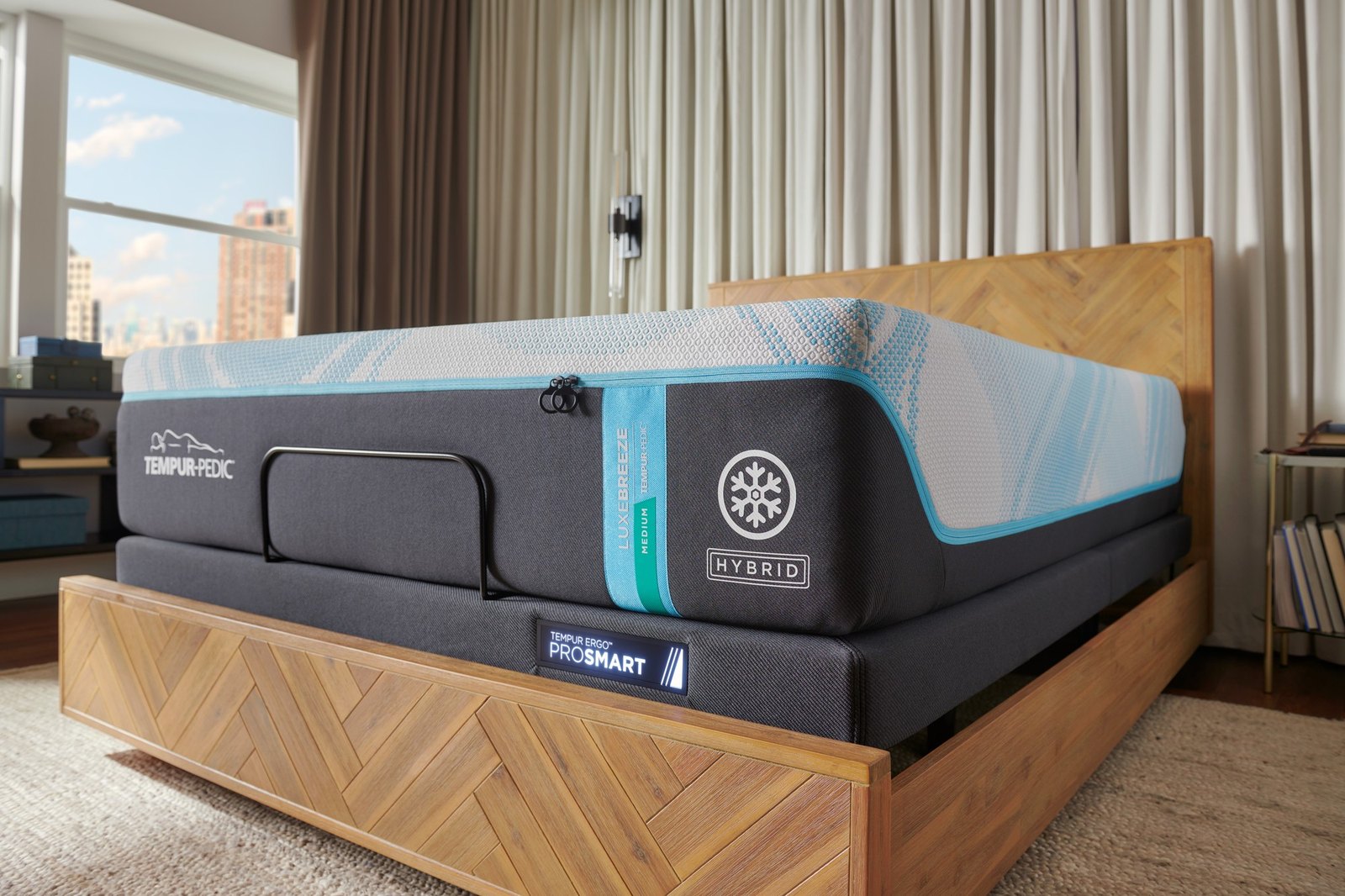
Cooling: 9.7/10
The standard cooling test is to lie on a mattress for 60 seconds and write whether it "felt cool." That measures the cover material's initial thermal effusivity — and almost nothing else. Within 12 minutes that surface temperature equilibrates and the test is meaningless.
Our protocol is different:
The gap between top performers and average mattresses is stark. Our #1 pick held average skin temperature at 91.2°F across an 8-hour night. The worst mattresses we've tested let it climb to 97.8°F — a 6.6°F difference that translates to drenched sheets and 3am wake-ups.
Even the best cooling mattress can't compensate for synthetic sheets, a too-warm bedroom (set thermostat to 65–68°F), or heavy comforters. Pair your mattress upgrade with breathable cotton or Tencel sheets and a moisture-wicking mattress protector — and read our cooling mattress guide for the complete sleep-cool system.
The best mattresses for night sweats are hybrids with phase-change material (PCM) covers, latex comfort layers, or actively cooled tech (like the Eight Sleep Pod). They reject heat actively rather than just 'feeling cool to the touch' — a passive feature that wears off within minutes of contact.
Cooling mattresses with PCM (phase-change material), graphite-infused foam, or active water/air systems have measurable effects in our thermal-imaging tests, holding skin contact temperatures 2–6°F lower over an 8-hour night. Cheaper 'cooling gel' foams typically lose their effect within the first 30 minutes.
Standard memory foam traps heat — it's a closed-cell material that insulates body heat against your skin. Open-cell memory foam, gel-infused foam, and copper-infused foam perform meaningfully better. But hybrids with coils still beat almost any all-foam design for hot sleepers because coils create vertical airflow.
Common causes include hyperthyroidism, sleep apnea, anxiety/stress, certain medications (SSRIs, steroids, hormonal therapy), low blood sugar, infections, and lymphoma. If night sweats are new, severe, or accompanied by fever or weight loss, see a doctor — a mattress can manage symptoms but can't address underlying medical causes.
Cooling gel is a passive infusion that feels cold to first touch but quickly equilibrates with body temperature — useful for falling asleep, useless after 20 minutes. PCM (phase-change material) actively absorbs heat by changing physical state (solid to gel) at a target temperature around 88°F, providing sustained thermoregulation through the night.
If you're researching night sweats, these related guides often help too.
Keep exploring
Frequently Asked
Sleep Sage cites primary sources for all clinical claims. Lab measurements (firmness, pressure, temperature, motion transfer) originate from our internal protocol described at /how-we-test.
Before you buy, read the brand: construction, pricing bands, trial and warranty terms, and how each company's lineup performed in our Encinitas lab.
Hand-picked guides and reviews from our editorial team.