#1

9.5/10
9.5
Support
9.4
Motion Isolation
9.9
Cooling
$1749$2332
Snoring affects 45% of adults. While a mattress alone won't cure it, the right one — especially paired with an adjustable base — can significantly reduce snoring by keeping airways open.
Raising the head 10-15° opens airways and reduces soft palate collapse
Adjustable base keyProper support keeps the neck straight, preventing airway constriction
Support rating 8.5+Partners of snorers need undisturbed sleep when repositioning occurs
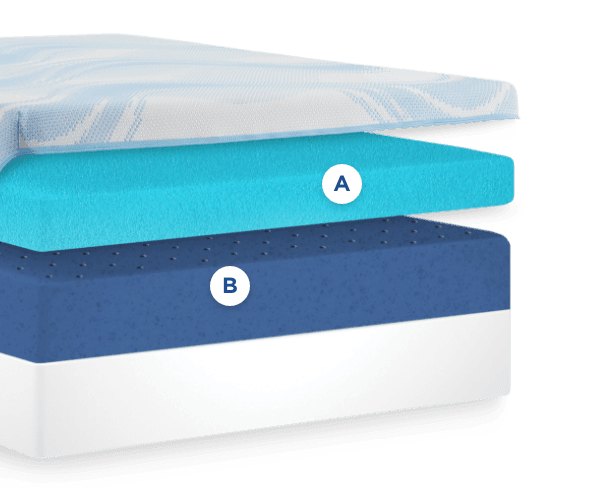
Foam excels hereOverheating causes congestion, which worsens snoring — cool sleep helps
Breathable materials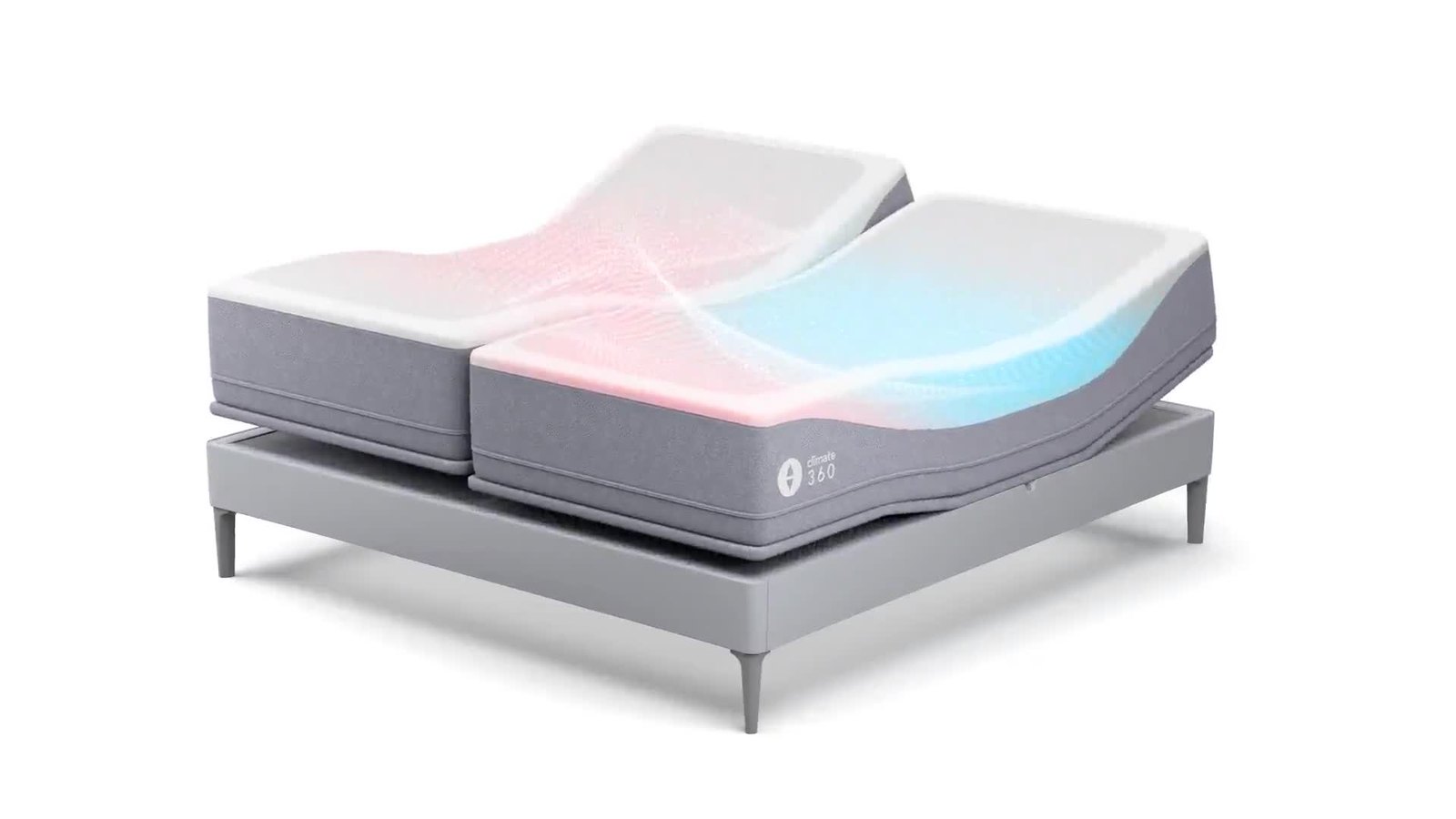
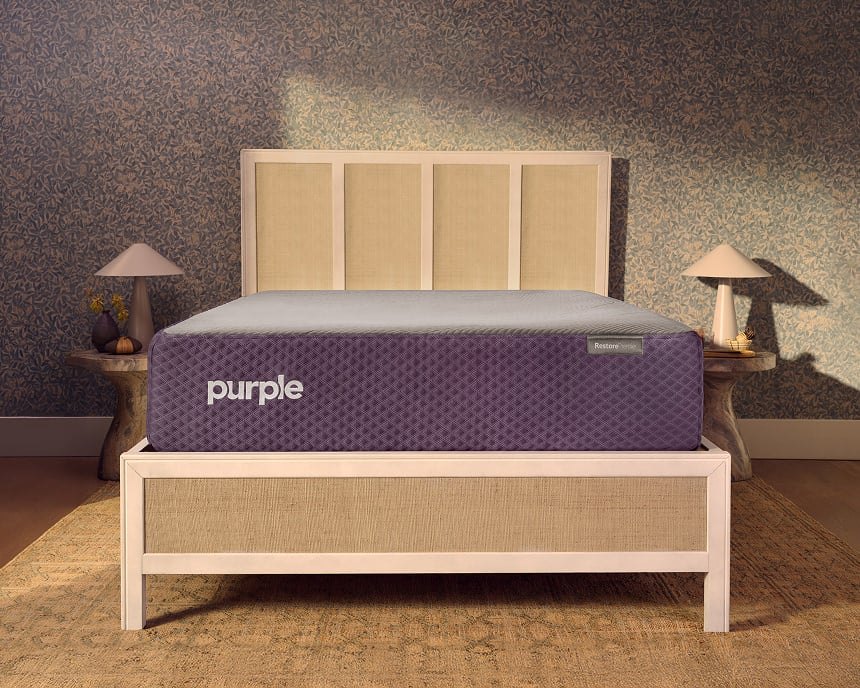
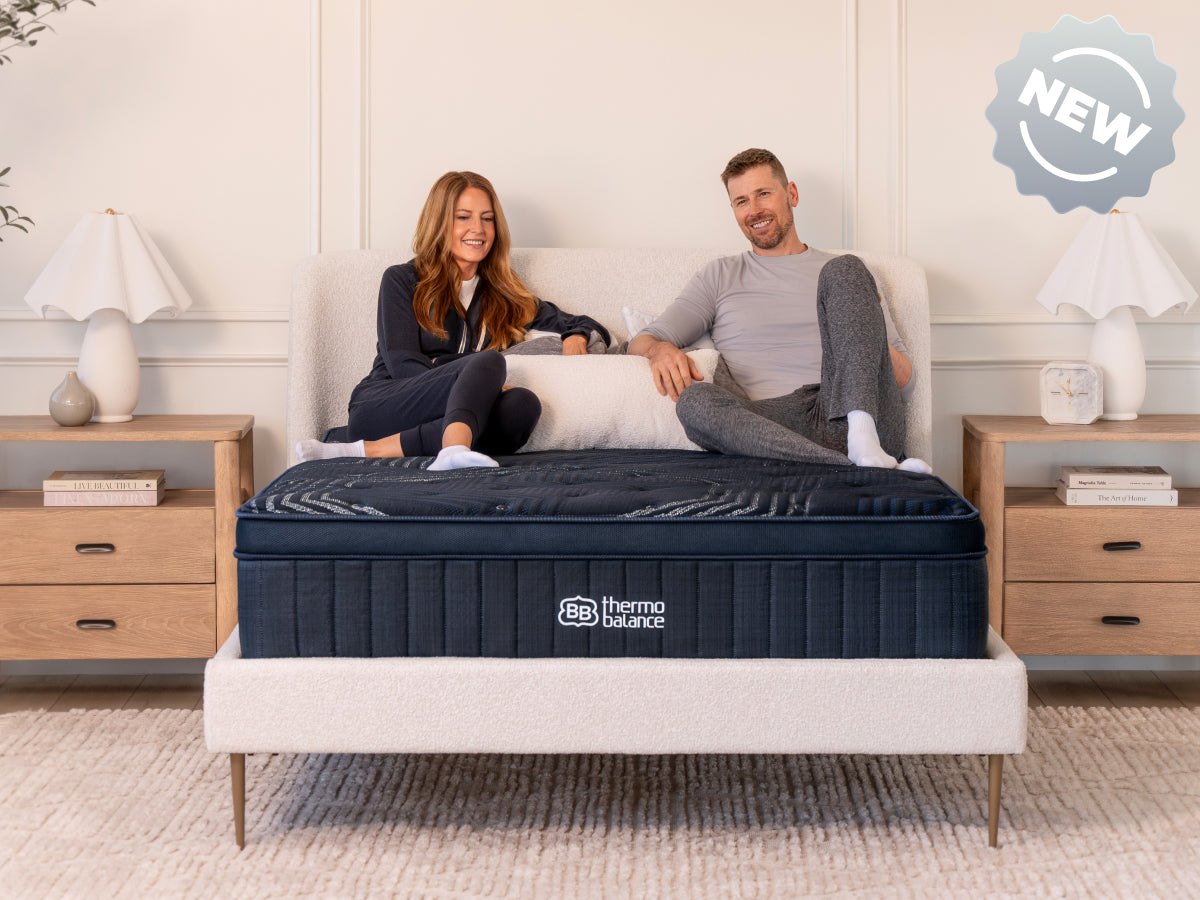

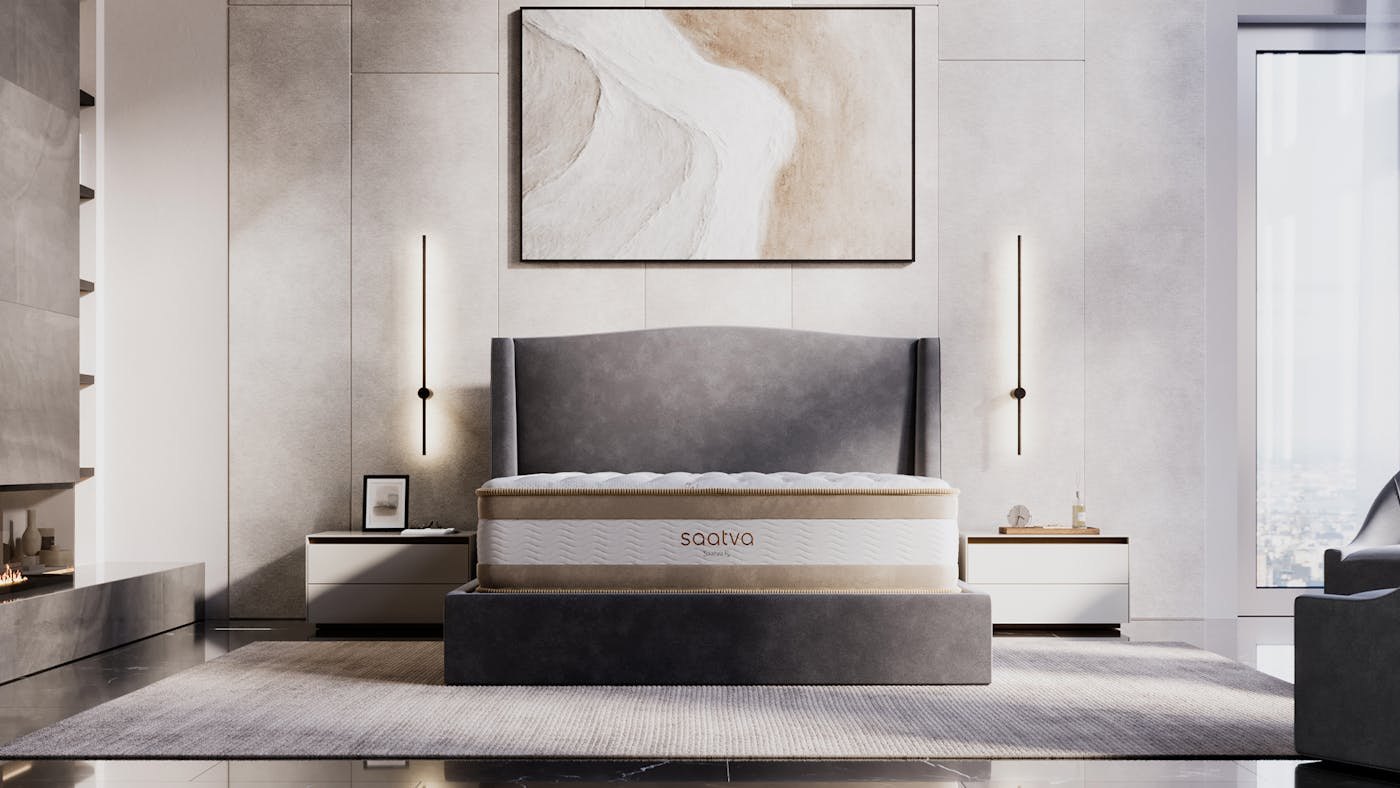
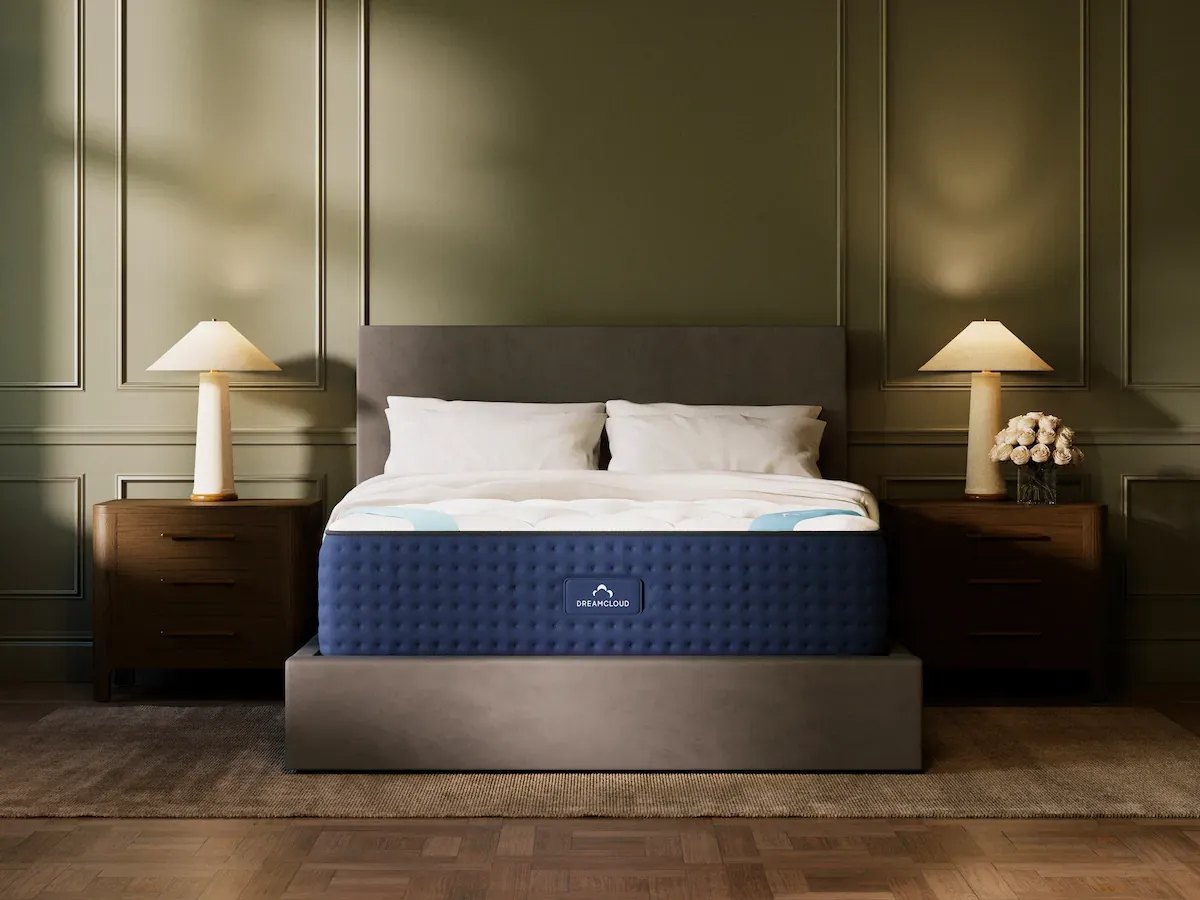
Pair your mattress with an adjustable base — elevating the head 10-15° is the single most effective mattress-related snoring fix.
Sleep on your side instead of your back. Side sleeping prevents the tongue from falling back and blocking the airway.
Choose a mattress with good cooling — overheating causes nasal congestion that makes snoring worse.
If you share a bed with a snorer, prioritize motion isolation so their tossing and repositioning doesn't wake you.
A medium-firm mattress (6-7.5) typically provides the best spinal alignment for keeping airways open.
Consider a mattress compatible with adjustable bases — most bed-in-a-box mattresses work fine, but always verify.
If you're researching snoring, these related guides often help too.
Keep exploring
Frequently Asked
Before you buy, read the brand: construction, pricing bands, trial and warranty terms, and how each company's lineup performed in our Encinitas lab.
Hand-picked guides and reviews from our editorial team.