#1
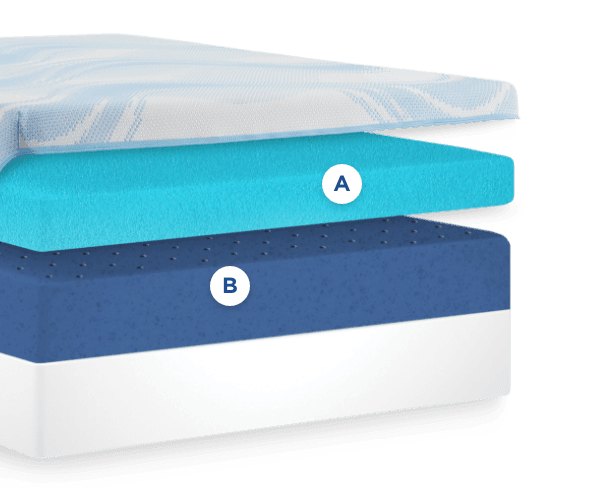
9.5/10
Firmness: 5/10
9.6
Pressure Relief
9.9
Motion Iso
9.8
Cooling
$4999$5899
Fibromyalgia turns ordinary pressure into pain and ordinary movement into wakefulness. Your mattress has two jobs: keep peak pressure below the tender-point trigger threshold, and absorb every micro-movement before it becomes an arousal. We tested for both.
No spikes at hips, shoulders, or 18 ACR tender points
Below 25 mmHg averagePartner movement can't reach you and trigger an awakening
Protects deep sleep4–5.5/10 firmness — research-backed range for tender point pain
Reduces morning stiffnessComposite score: 50% pressure relief, 30% motion isolation, 20% cooling.
Firmness: 5/10
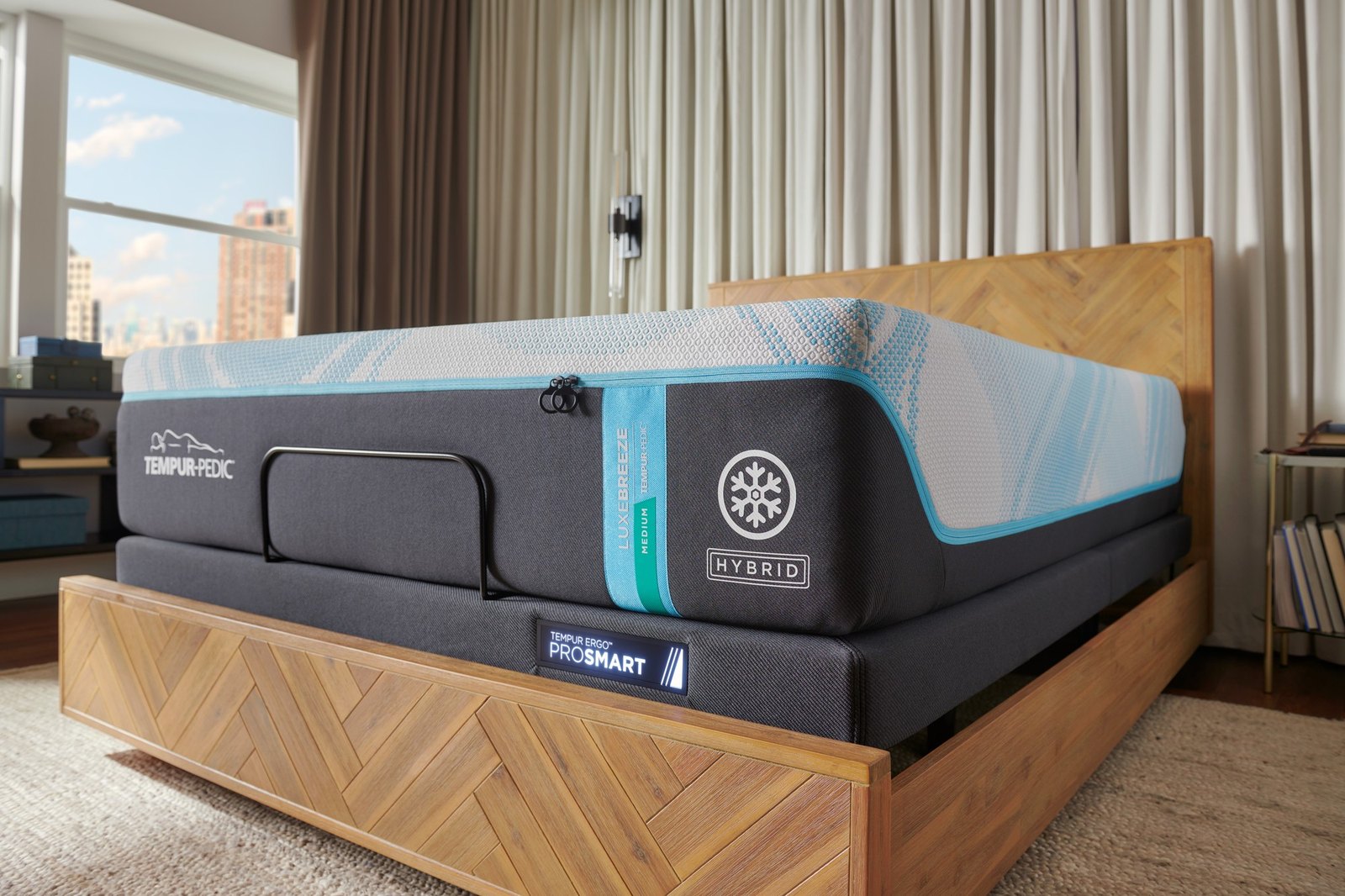
Firmness: 5/10
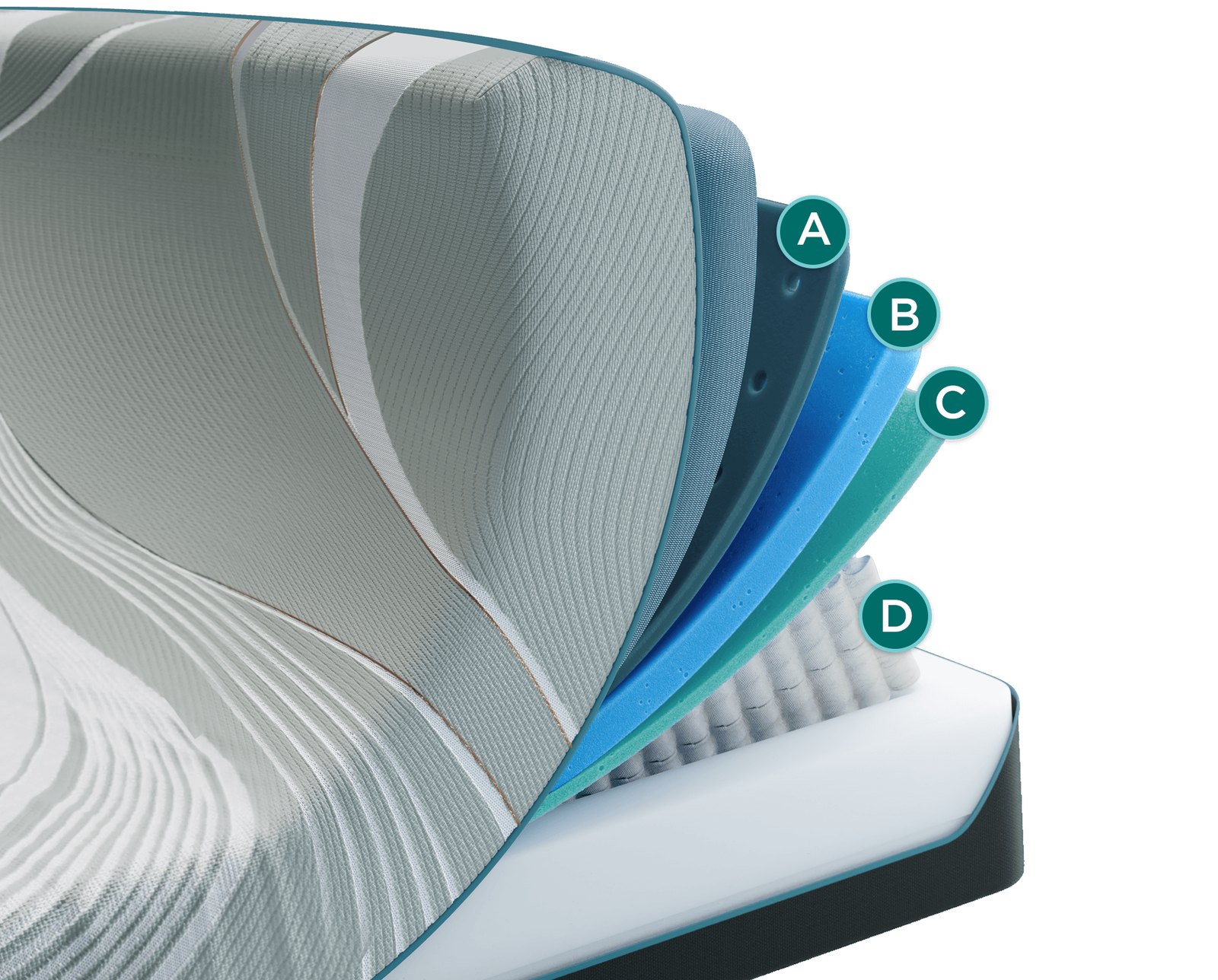
Firmness: 4/10

Firmness: 6/10
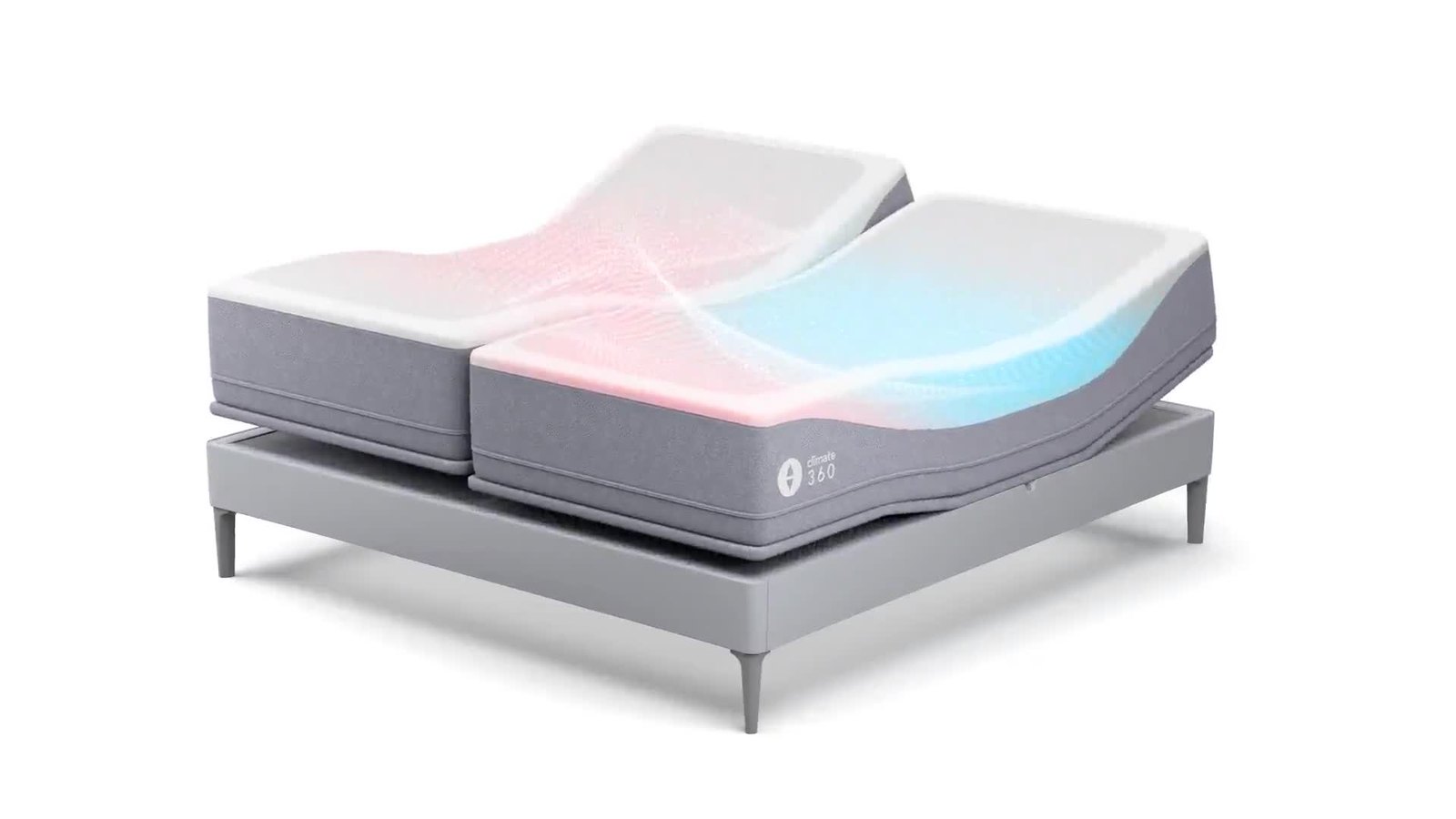
Firmness: 5/10
Firmness: 5/10

Firmness: 6/10
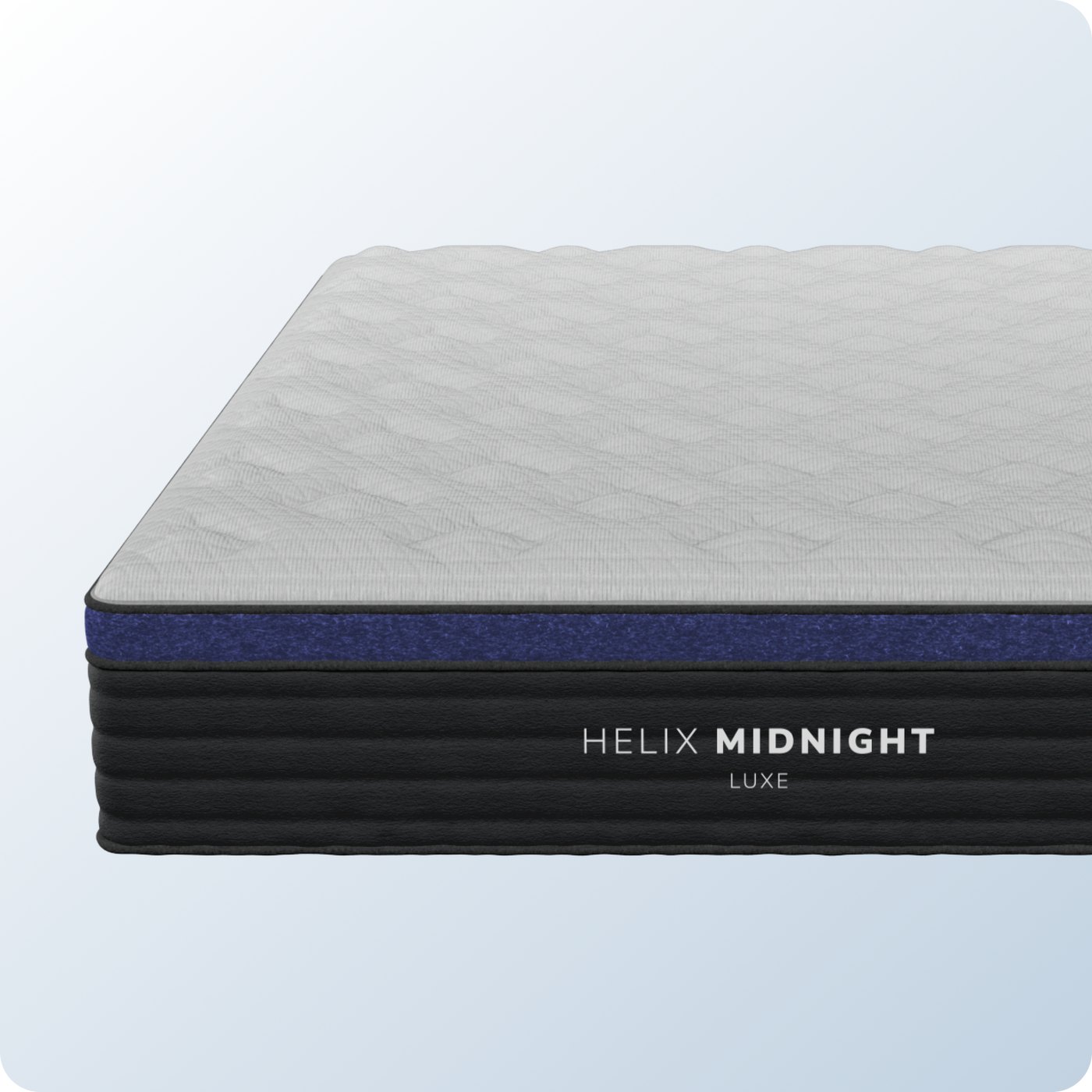
Firmness: 5.5/10
Fibromyalgia is a central sensitization disorder — your central nervous system amplifies pain signals from normal stimuli. A mattress that feels "fine" to a partner can feel punishing to you because the touch receptors at your shoulder, hip, and back are sending their normal pressure data into a system that interprets it as 5× louder.
That's why two things matter more for fibromyalgia than for almost any other condition:
Fibromyalgia symptoms fluctuate weekly. A 30-day trial can fall entirely inside a flare or entirely inside a good week, leading to false conclusions. Prioritize mattresses with 100+ night trials — every brand on this list offers at least that.
The best mattresses for fibromyalgia are soft to medium hybrids (4–6/10) with deep pressure-relieving comfort layers and excellent motion isolation. Fibromyalgia heightens tactile pain perception, so the mattress needs to minimize every pressure point and every nighttime movement disruption.
Soft to medium-soft (4–5.5/10) works best for the vast majority of fibromyalgia patients. Research published in the Journal of Clinical Rheumatology found medium-soft surfaces reduced morning stiffness and tender-point pain significantly more than firm surfaces in fibromyalgia patients.
Yes — high-density memory foam is often the single best material for fibromyalgia because it distributes weight evenly across the entire body, eliminating pressure spikes. Look for 4+ lb/ft³ density in the comfort layer; cheaper foam compresses too quickly and creates exactly the pressure points you're trying to avoid.
Indirectly, yes. Fibromyalgia disrupts deep sleep (specifically alpha-EEG sleep anomaly), and pressure-related awakenings make this worse. A pressure-relieving mattress that lets you stay still longer means more uninterrupted slow-wave sleep, which patients consistently report reduces next-day fatigue and brain fog.
Traditional innersprings without a thick comfort layer are usually a poor choice — the coils create localized pressure points that fibromyalgia nervous systems amplify. Modern hybrids with 3–4 inches of memory foam or latex on top perform very differently and can work well.
If you're researching fibromyalgia, these related guides often help too.
Cushioned joints, easy repositioning
Read guideCool, motion-isolating builds
Read guideMedium-firm support for general back pain
Read guideCool, low-arousal sleep surfaces
Read guideActive cooling for hot flashes
Read guideLowest surface-temp picks
Read guideKeep exploring
Frequently Asked
Sleep Sage cites primary sources for all clinical claims. Lab measurements (firmness, pressure, temperature, motion transfer) originate from our internal protocol described at /how-we-test.
Before you buy, read the brand: construction, pricing bands, trial and warranty terms, and how each company's lineup performed in our Encinitas lab.