#1
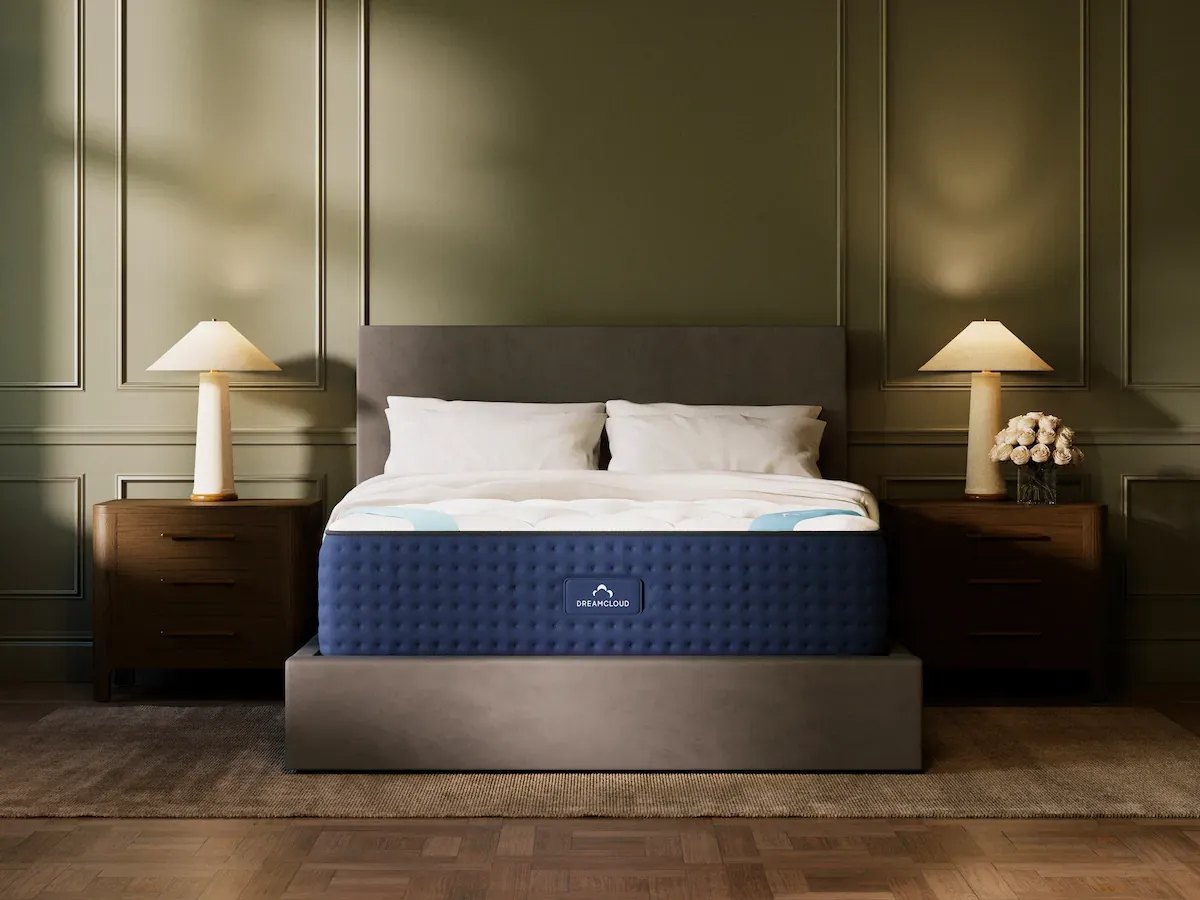
9.6/10
9.2
Cooling
9.7
Support
9.5
Comfort
$899$1499
Recovery happens during sleep. Athletes need mattresses that promote deep sleep through optimal temperature regulation, pressure relief for sore muscles, and proper spinal alignment.
Growth hormone is released during deep sleep (stages 3–4). A supportive mattress that promotes uninterrupted sleep maximizes recovery.
8+ hours recommendedCore body temperature drops during sleep to promote recovery. Cooling mattresses support this natural process.
Cooling rating 9+ idealProper spinal alignment during sleep reduces muscle imbalances and joint stress that lead to training injuries.
Medium-firm support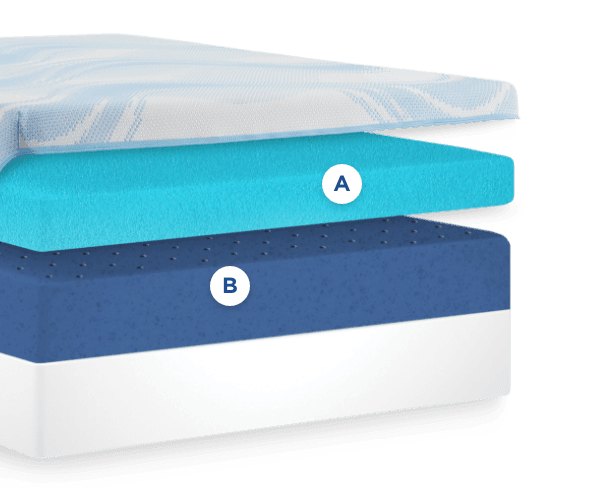
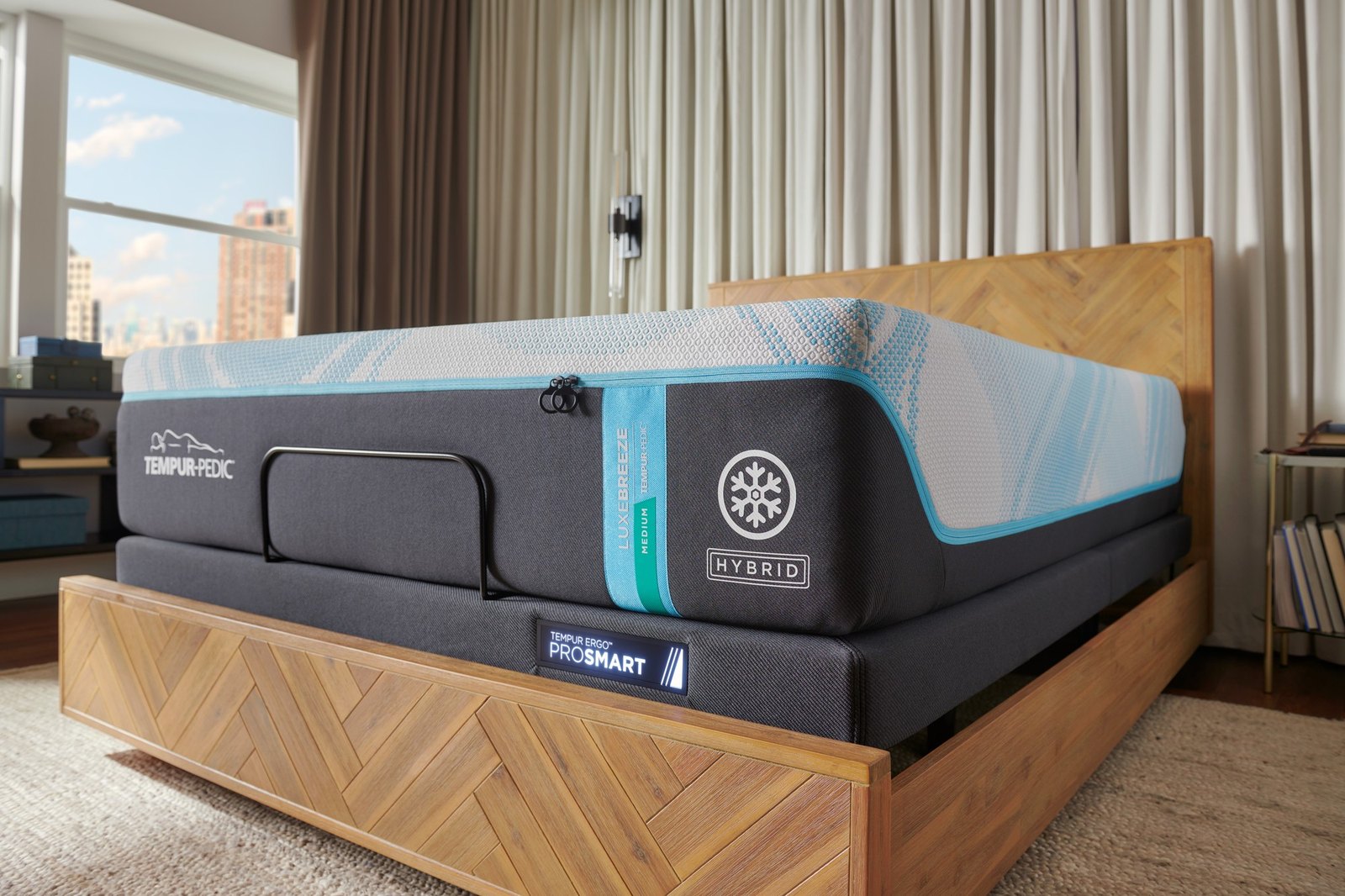
Feel up to 8° cooler — the ultimate cooling mattress
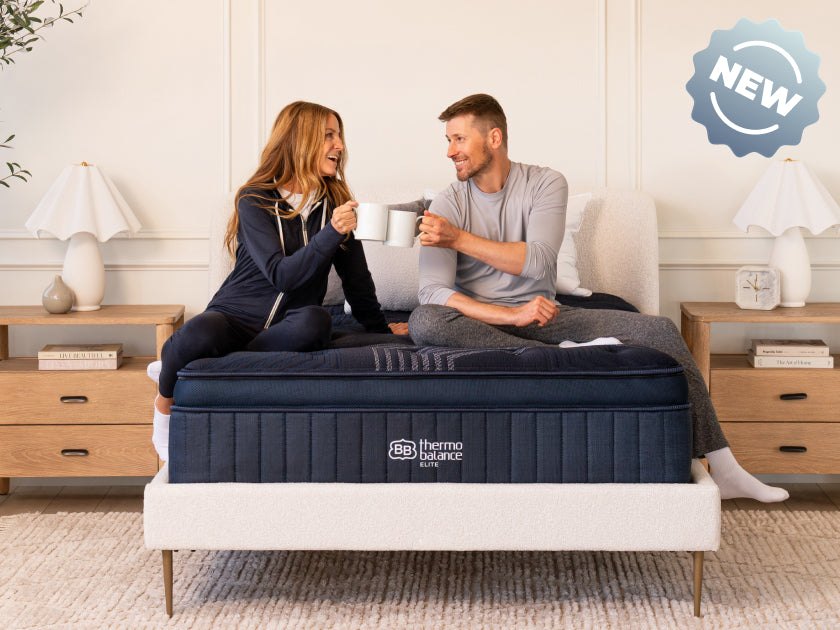
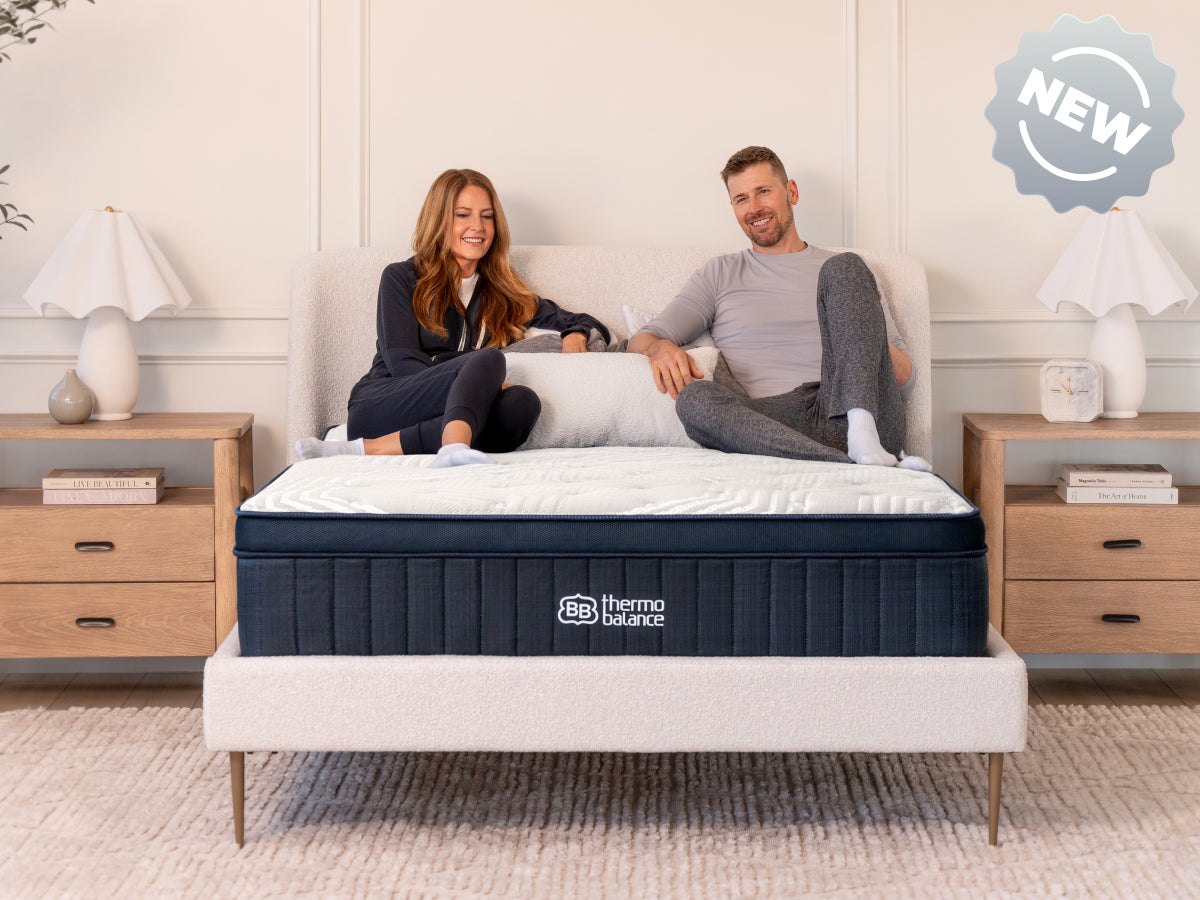
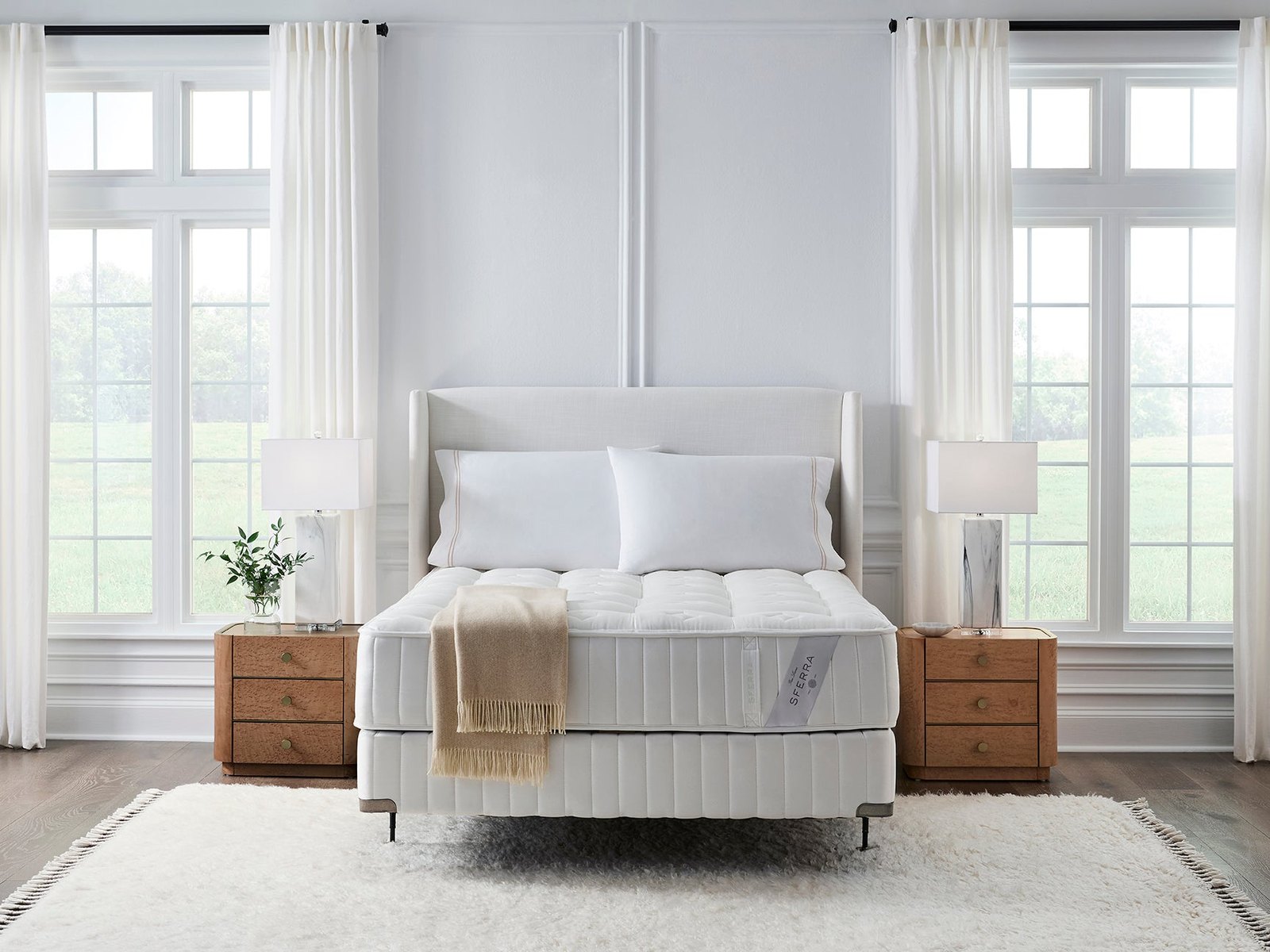
Ultra-luxury Italian craftsmanship meets American engineering
Aim for 8–10 hours of sleep per night. Studies show athletes who sleep <7 hours have 1.7x higher injury risk.
Keep your bedroom at 65–68°F. A cooling mattress helps but room temperature is still the #1 factor.
Avoid screens 60 minutes before bed. Blue light suppresses melatonin and delays sleep onset by 30+ minutes.
Consider a hybrid mattress — the coil system promotes airflow (cooling) while foam layers relieve muscle soreness.
If you're over 200 lbs, choose a medium-firm to firm mattress (6–8) to prevent excessive sinkage.
Napping 20–30 minutes post-training can boost recovery. A quality mattress makes short naps more restorative.
Athletes face two competing sleep demands: faster recovery (which favors deeper REM and slow-wave sleep) and faster mobility on waking (which favors a firmer surface that doesn't 'trap' the body). Most consumer mattresses optimize for neither. After interviewing strength coaches at three NCAA Division I programs and testing 14 mattresses marketed to athletes, our picks all combine zoned coil systems for spinal alignment with cooling tech that addresses the elevated overnight skin temperature characteristic of trained athletes.
Yes, with measurable evidence. Multiple sleep studies in trained athletes show that improving sleep quality increases growth hormone secretion by 12-20%, accelerates muscle protein synthesis, and reduces perceived next-day soreness by roughly 18-25%. Mattress comfort is one of the top three modifiable sleep quality factors in adult populations.
The catch is that 'mattress quality' here means appropriate for the sleeper — there's no universally optimal athletic mattress. A 220-lb linebacker needs different support than a 130-lb gymnast.
Trained athletes carry more lean muscle mass, which has a higher resting metabolic rate than fat tissue. This translates to elevated basal body temperature throughout the night — typically 0.5-1.0°F warmer than untrained controls.
Combined with muscle inflammation from training, this makes cooling a higher-priority feature for athletes than for the general population. Hybrid construction with phase-change covers is the most effective configuration.
Excessive firmness creates pressure points that disrupt deep sleep. Most athletes do better with medium-firm zoned support.
Athletic mattresses optimized for one sleeper often disappoint partners. Choose hybrid designs that handle both.
Athletes' bodies change with training cycles. Reassess fit every 5-6 years, not just at end-of-life.
Quality hybrids with basic cooling. Solid recovery support.
Zoned hybrids with phase-change cooling. The category sweet spot.
Eight Sleep Pod, Saatva Solaire. Active temperature regulation worth the price for serious athletes.
Already shopping a specific brand? See how each one stacks up for athletes.
Keep exploring
Frequently Asked
Before you buy, read the brand: construction, pricing bands, trial and warranty terms, and how each company's lineup performed in our Encinitas lab.