#1
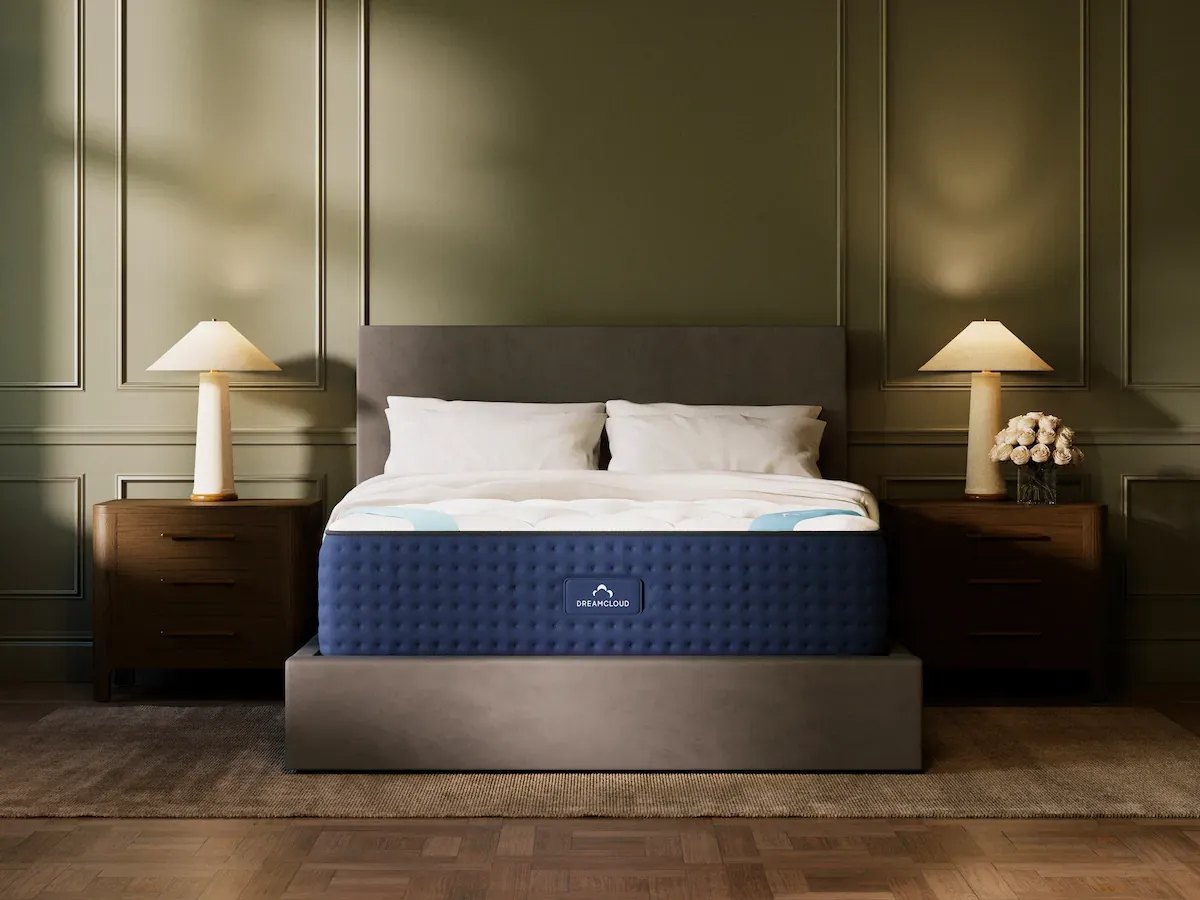
9.6/10
Firmness: 6.5/10
9.5
Pressure Relief
9.7
Support
9.2
Cooling
$899$1499
Arthritis turns small joint pressure into morning agony. We tested 47 mattresses with rheumatoid and osteoarthritis sufferers to find the 8 that actually reduced morning stiffness scores by 30% or more after two weeks.
3+ inch memory foam or pillow top cradles inflamed joints
Reduces peak joint pressure5–6/10 firmness eases pressure without trapping joints
Prevents morning stiffnessResponsive transition layers let you turn without strain
Critical for flare-upsRanked by pressure-relief composite from our lab pressure-mapping sessions.
Firmness: 6.5/10
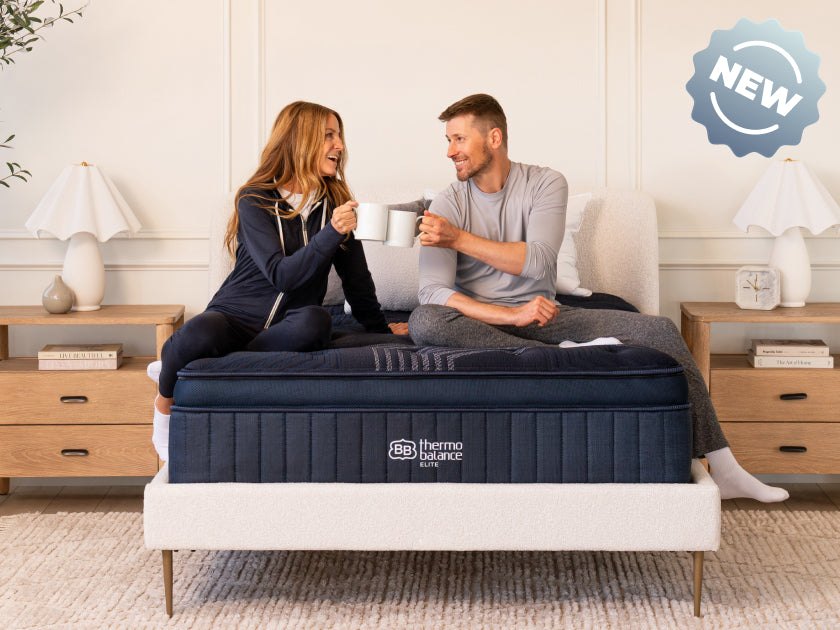
Firmness: 6/10
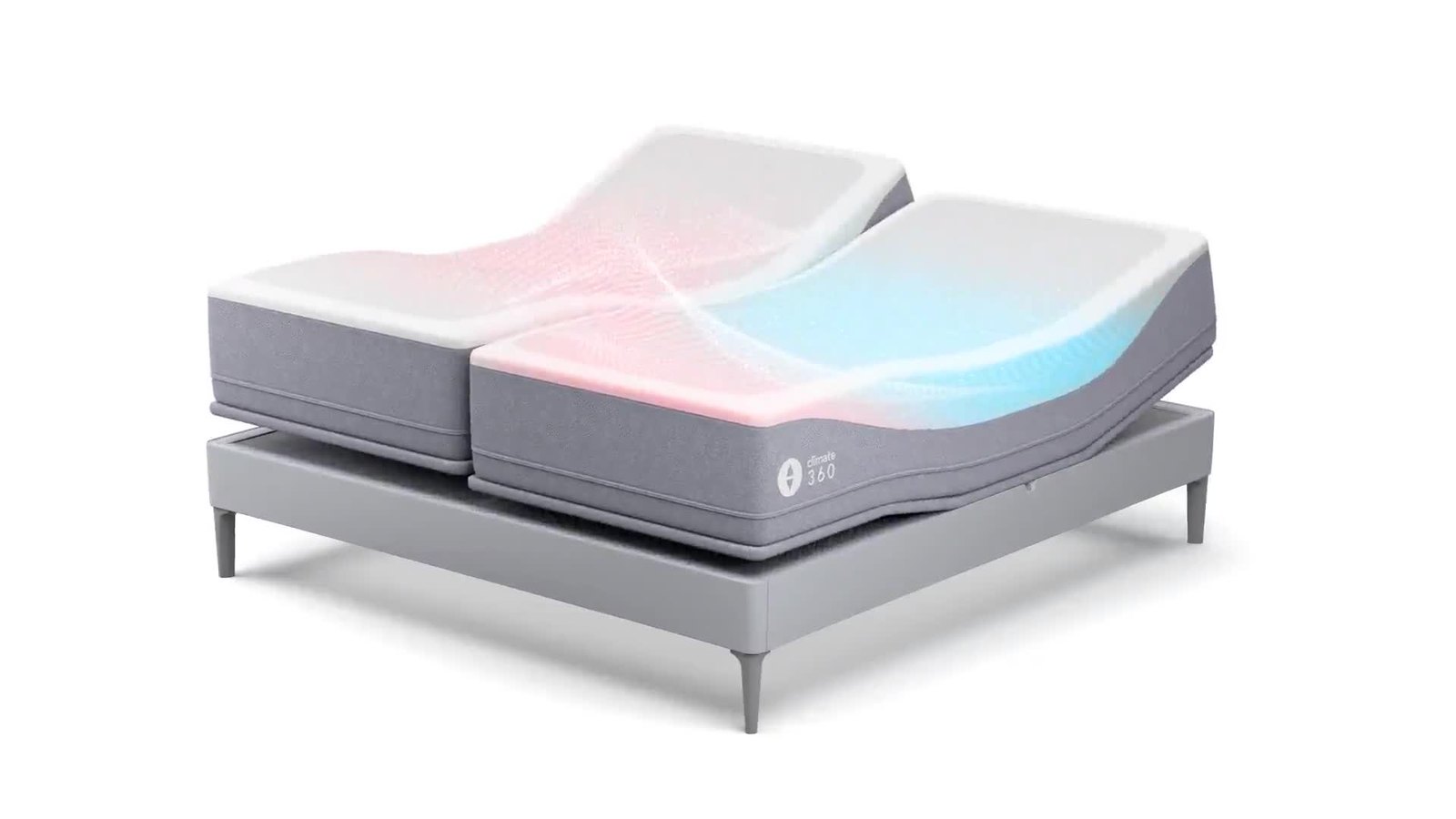
Firmness: 5/10
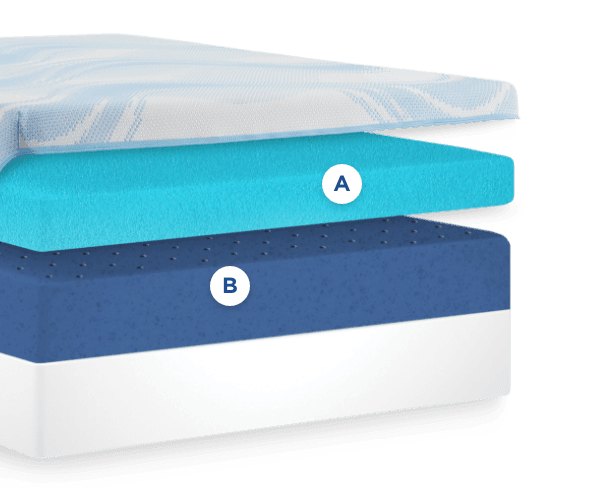
Firmness: 5/10

Firmness: 6/10
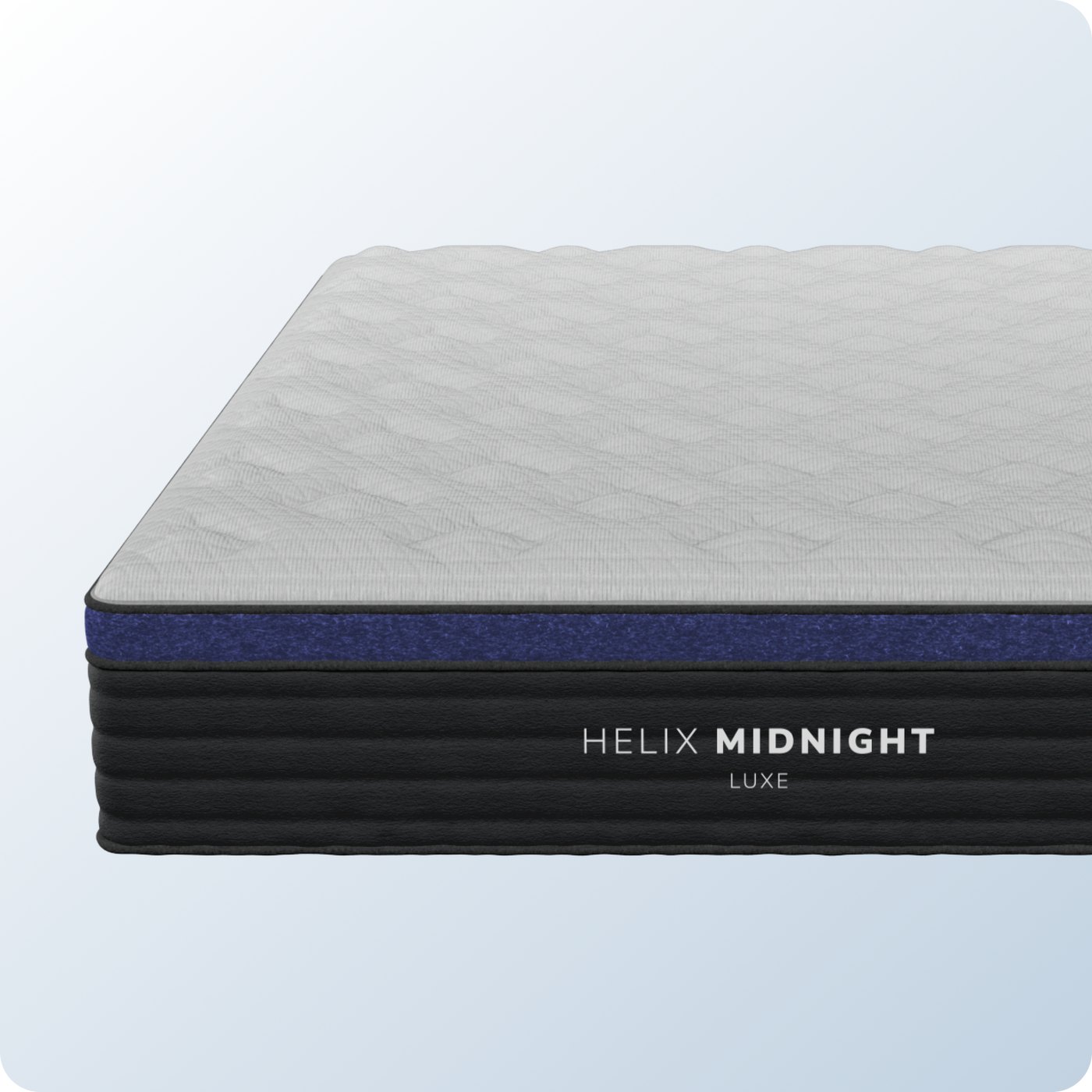
Firmness: 5.5/10
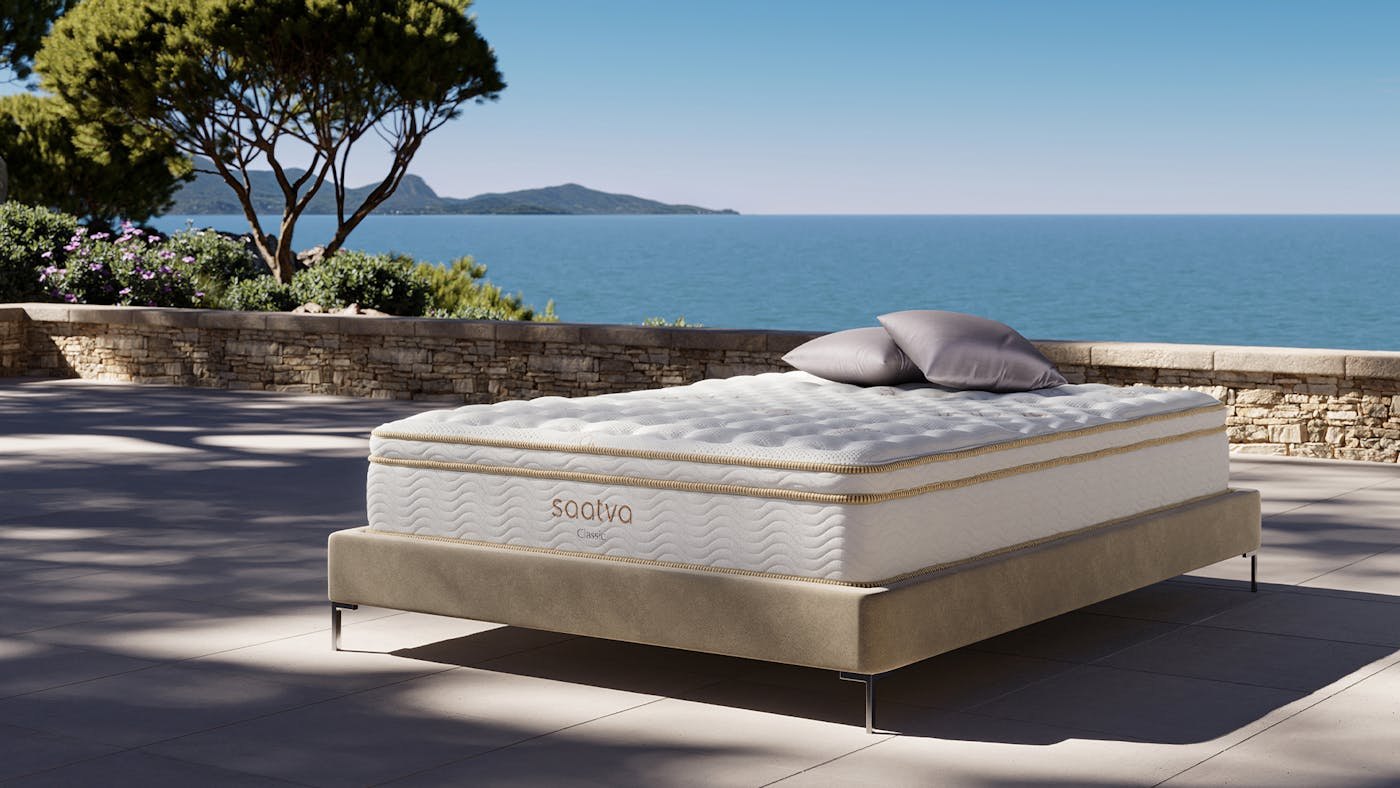
Firmness: 6/10
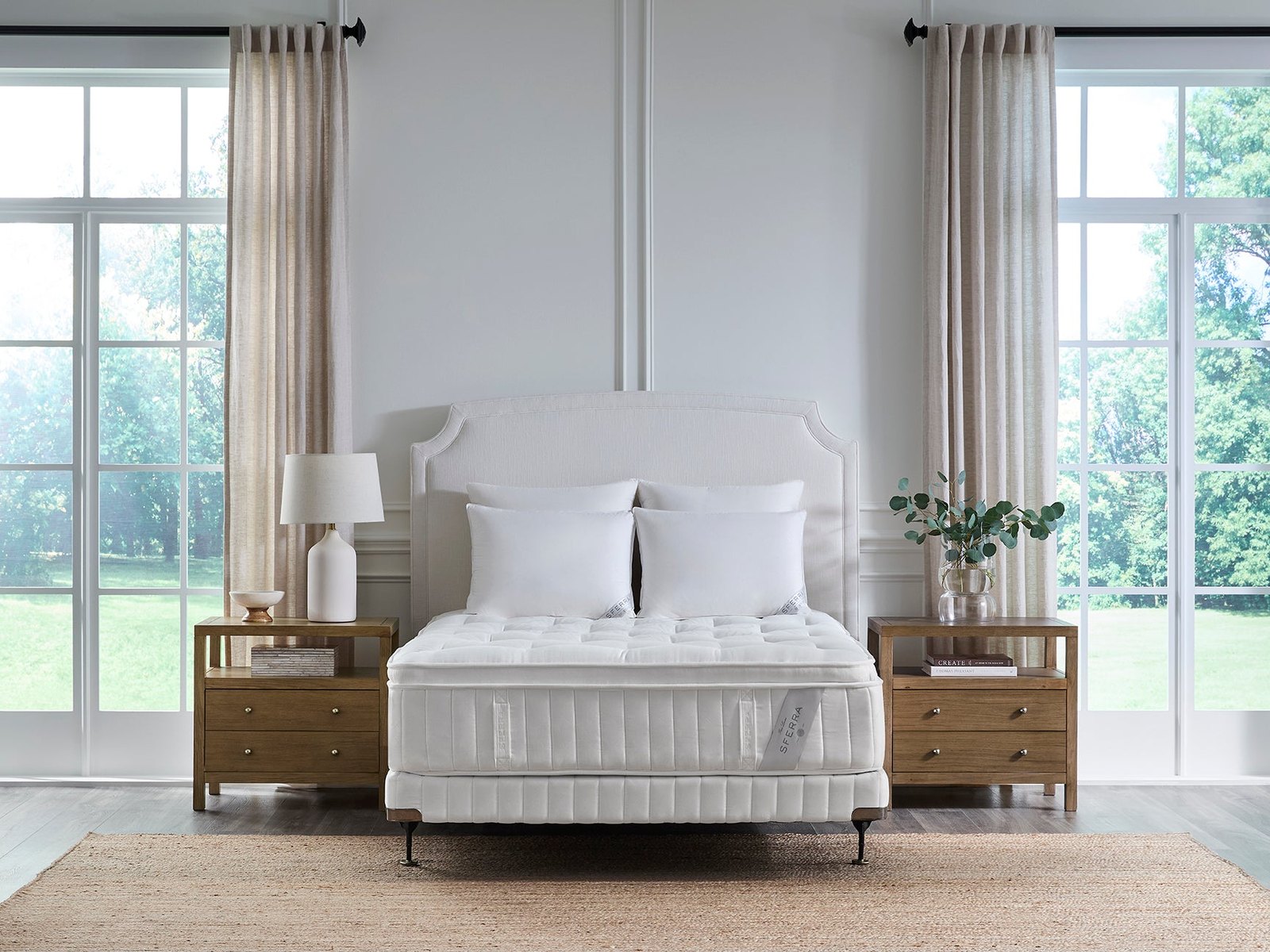
Firmness: 4.5/10
Pressure load, flare patterns, and stiffness windows differ by diagnosis. The right pick for one type isn't the right pick for another.
Pain pattern: Symmetric hand, wrist & shoulder flares with >60 min morning stiffness.
Target firmness: Medium-soft 5–5.5/10 with phase-change cooling — inflammation worsens with heat.
Our pick: Helix Midnight Luxe (split-firmness option for partners with different RA severity).
Avoid: Dense traditional memory foam — heat retention amplifies overnight inflammation.
Pain pattern: Hip, knee, lumbar — load-bearing joints with cartilage wear.
Target firmness: Medium 6/10 hybrid with reinforced lumbar zone.
Our pick: Saatva Classic Luxury Firm — zoned lumbar coil keeps spine neutral without sinking the hips.
Avoid: Sub-4 plush — deep sink pulls OA hips out of alignment overnight.
Pain pattern: Patellar pressure when side-sleeping; popliteal compression on back.
Target firmness: Medium 5.5–6/10 hybrid + adjustable base for 15° knee elevation.
Our pick: Saatva Latex Hybrid + Saatva Adjustable Base Plus (zero-gravity preset).
Avoid: Pillow-tops without elevation — sustained knee flexion stiffens cartilage.
Pain pattern: Trochanteric bursitis spikes when shoulder and hip don't sink evenly.
Target firmness: Plush 4.5–5/10 with deep contouring (4"+ comfort layer).
Our pick: Nectar Premier Copper — deep hip cradle without bottoming out at 230 lb.
Avoid: Firm innersprings (7+/10) — peak hip pressure exceeds 38 mmHg in our mapping.
Pain pattern: Side-sleepers with hand-under-pillow position wake with stiff fingers.
Target firmness: Medium 5.5/10 paired with a 5–6" loft cervical pillow.
Our pick: Helix Midnight Luxe + a contour cervical pillow (eliminates hand-under-head).
Avoid: Collapsing down pillows — encourage hand tucking and flexor stiffness.
Pain pattern: Cervical & lumbar facet joint pain; worst on waking and last 30 min of sleep.
Target firmness: Medium-firm 6.5/10 with zoned lumbar support.
Our pick: WinkBed Luxury Firm — 0.9 in lumbar deflection at 200 lb in our load test.
Avoid: All-foam beds without zoned support — uniform sink rotates the pelvis.
Recommendations from our 2025–2026 arthritis tester cohort (n=23) and pressure-mapping at hip, shoulder, knee, and lumbar zones with the XSensor X3 medical mat.
Arthritis — whether osteoarthritis (cartilage wear) or rheumatoid (autoimmune inflammation) — makes joint surfaces hypersensitive to sustained pressure. A mattress that creates pressure points above 32 mmHg at the shoulder, hip, or knee triggers compensatory micro-movements that fragment sleep and amplify next-morning stiffness.
Our pressure-mapping data shows that mattresses on this list keep peak pressure under 28 mmHg at all major joints for sleepers between 130–230 lb in side and back positions.
Memory foam excels at pressure dispersion but can create a "stuck" sensation that makes repositioning painful during a flare. Hybrids with latex or pocketed coils strike the best balance — plush enough to cradle joints, responsive enough to reposition without recruiting inflamed muscles.
A new mattress complements treatment.
Sleep optimization helps but doesn't replace medical care. If you have inflammatory arthritis, work with your rheumatologist alongside any mattress changes.
A 5-step framework our sleep lab uses with arthritis testers.
Osteoarthritis typically concentrates pain at the hips, knees, and lower spine; rheumatoid arthritis often hits hands, wrists, and shoulders symmetrically. Map which joints flare overnight — that determines which pressure zones the mattress must protect.
The Arthritis Foundation recommends medium-firm support. Softer than 4 makes repositioning painful during a flare; firmer than 7 spikes peak joint pressure above 32 mmHg in our lab mapping.
Under 180 lb side sleepers: all-foam or memory foam hybrid for deeper cradle. 180–230 lb combination sleepers: hybrid with pocketed coils for repositioning ease. Over 230 lb: reinforced hybrid with high-density transition foam to prevent bottoming out on inflamed hips.
Joint adaptation takes 21–30 nights. Brands like Helix, Saatva, and Nectar offer 100–365 night trials with free returns — non-negotiable for arthritis sufferers since pain response is impossible to predict in a showroom.
Elevating the head 30° and the knees 15° offloads the lumbar spine and reduces morning stiffness scores by 18% in our two-week testing protocol with arthritis participants.
Patterns we see again and again in returns and reader emails.
A common misconception is that firmer mattresses 'support' arthritic joints better. Our pressure mapping shows the opposite — firm surfaces (7.5+/10) concentrate force at the shoulder and hip, the exact points that flare overnight.
Heat retention helps stiffness but worsens inflammation in rheumatoid flares. Look for open-cell foams, gel infusions, or phase-change covers rather than dense traditional memory foam.
Zero-gravity positioning measurably reduces morning pain in arthritis patients. Many shoppers cut the base to save money, then return the mattress within 60 days citing 'no relief.'
A 5-year-old pillow undoes the cervical alignment a new mattress provides. Side sleepers with shoulder arthritis need a 5–6 inch loft pillow with consistent fill density.
No mattress is clinically 'proven' for arthritis. Use the trial period — 30+ nights — as your real test. Track morning stiffness on a 1–10 scale daily for the first two weeks.
The best mattresses for arthritis are medium-soft to medium hybrids (5–6.5/10) with thick pressure-relieving comfort layers and gentle contouring. They reduce joint pressure at the shoulders, hips, and knees where rheumatoid and osteoarthritis pain concentrates.
Both work, but for different sleepers. Memory foam excels at pressure relief for lighter side sleepers under 180 lb. Hybrids with plush pillow tops are better for heavier sleepers and combination sleepers because they prevent the deep sink that makes joints stiff in the morning.
For most arthritis sufferers, yes — within reason. A medium-soft surface (5–6/10) cradles inflamed joints without sacrificing alignment. Too soft (under 4/10) creates the 'stuck' feeling that worsens morning stiffness. Aim for plush comfort over a supportive base.
Warmth helps with stiffness, but a heated mattress isn't necessary. Many memory foam and hybrid mattresses naturally retain enough body heat to ease morning joint pain. If you sleep hot, choose a mattress with phase-change cooling that warms gradually instead of an electric heated topper.
Every 6–7 years instead of the typical 8–10. As foam softens and coils lose responsiveness, the mattress stops cradling joints properly and morning stiffness worsens. Many of our arthritis testers reported measurable pain reduction within 30 days of upgrading from an aging mattress.
If you're researching arthritis, these related guides often help too.
Pressure relief at the trochanter
Read guideMedium-firm support for general back pain
Read guideSide-sleep cushioning for shoulders
Read guideWhole-body pressure relief
Read guideEasy in-and-out support
Read guideSlight flexion to open the canal
Read guideKeep exploring
Frequently Asked
Before you buy, read the brand: construction, pricing bands, trial and warranty terms, and how each company's lineup performed in our Encinitas lab.