#1
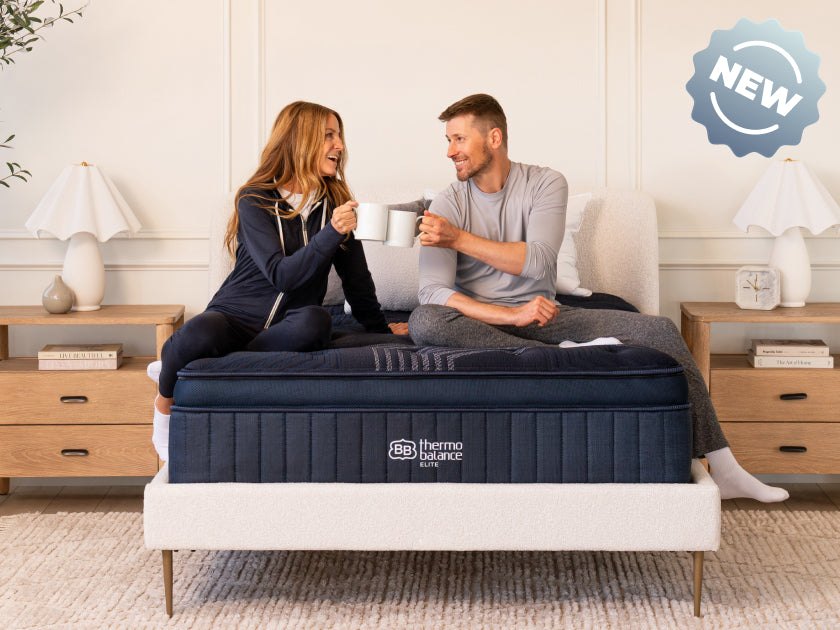
9.5/10
Luxury Hybrid
9.6
Comfort
9.5
Durability
9.2
Edge Support
6
Firmness
$1749$2332
This is one of the hardest mattress problems to solve: you need the reinforced durability of a "Plus" mattress for your body weight, but the extreme shoulder pressure relief of a plush surface for your bursitis. Here's how to get both.
Standard mattress advice fails here because it addresses one problem at a time. Heavy sleepers get pointed toward firm, durable mattresses. Bursitis sufferers get pointed toward soft, plush mattresses. If you're both, those recommendations are contradictory — and following either one makes the other problem worse.
The most effective strategy for heavy side sleepers with shoulder bursitis isn't finding a single "perfect" mattress — it's building a layered system that addresses both needs independently.
Why this works better than a single soft mattress: A plush mattress soft enough for bursitis relief will bottom out under a 250+ lb side sleeper within months. The hip sinks past neutral, the spine curves laterally, and you trade shoulder pain for back pain. The layered approach keeps the support core intact while delivering surface-level pressure relief exactly where the bursitis needs it.
Not all toppers work for heavier bodies. Avoid low-density memory foam toppers (under 4 lb/ft³) — they'll compress flat within weeks under 230+ lbs and lose their pressure-relieving properties. Look for high-density memory foam (4-5 lb/ft³) or natural latex (Dunlop, soft/medium) toppers. Latex is more durable and responsive but slightly less conforming than memory foam for acute bursitis pressure relief.
💡 Expert Tip: If your budget allows a single mattress purchase (no separate topper), look for a hybrid with a zoned comfort layer — softer foam at the shoulder zone, firmer at the hips. The Helix Midnight Luxe, WinkBed (Softer version), and Saatva Classic (Plush Soft) all feature this design and handle heavier weights well.
These mattresses combine the durability needed for 230+ lbs with above-average comfort and pressure relief. Pair with a quality topper for maximum bursitis relief.
Luxury Hybrid
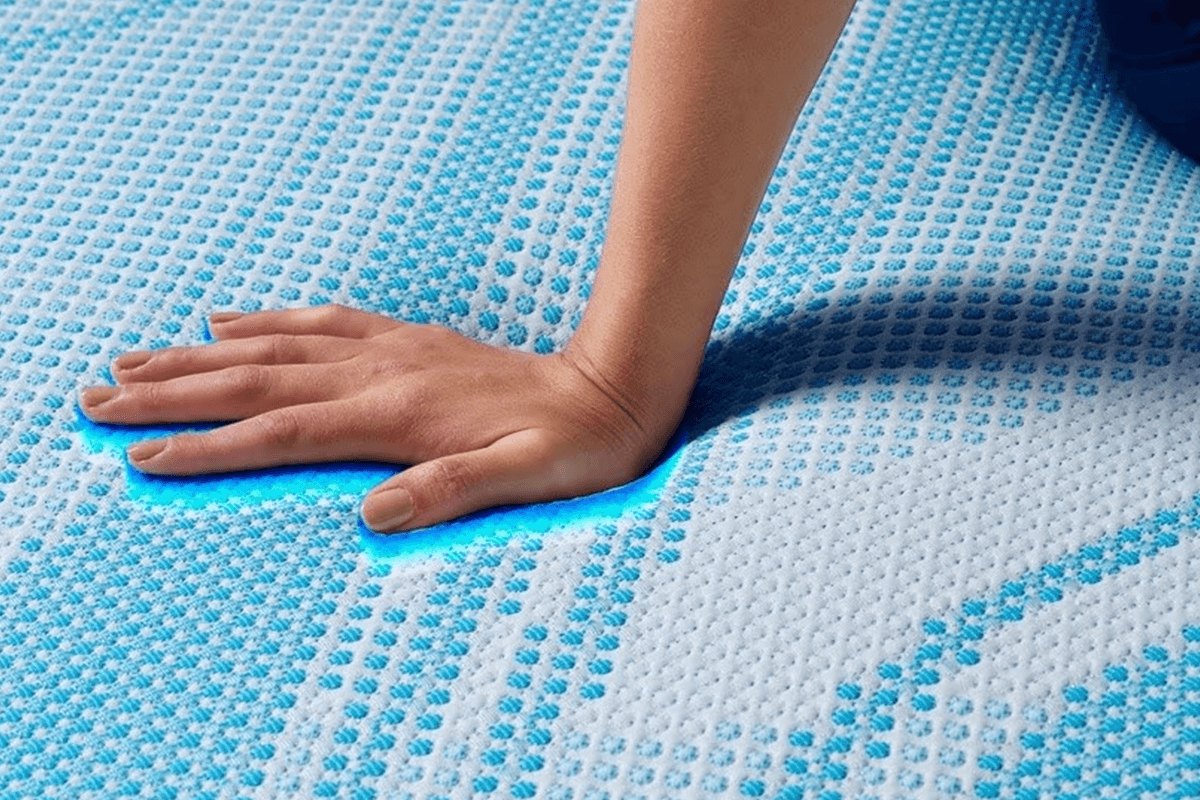
Memory Foam Hybrid
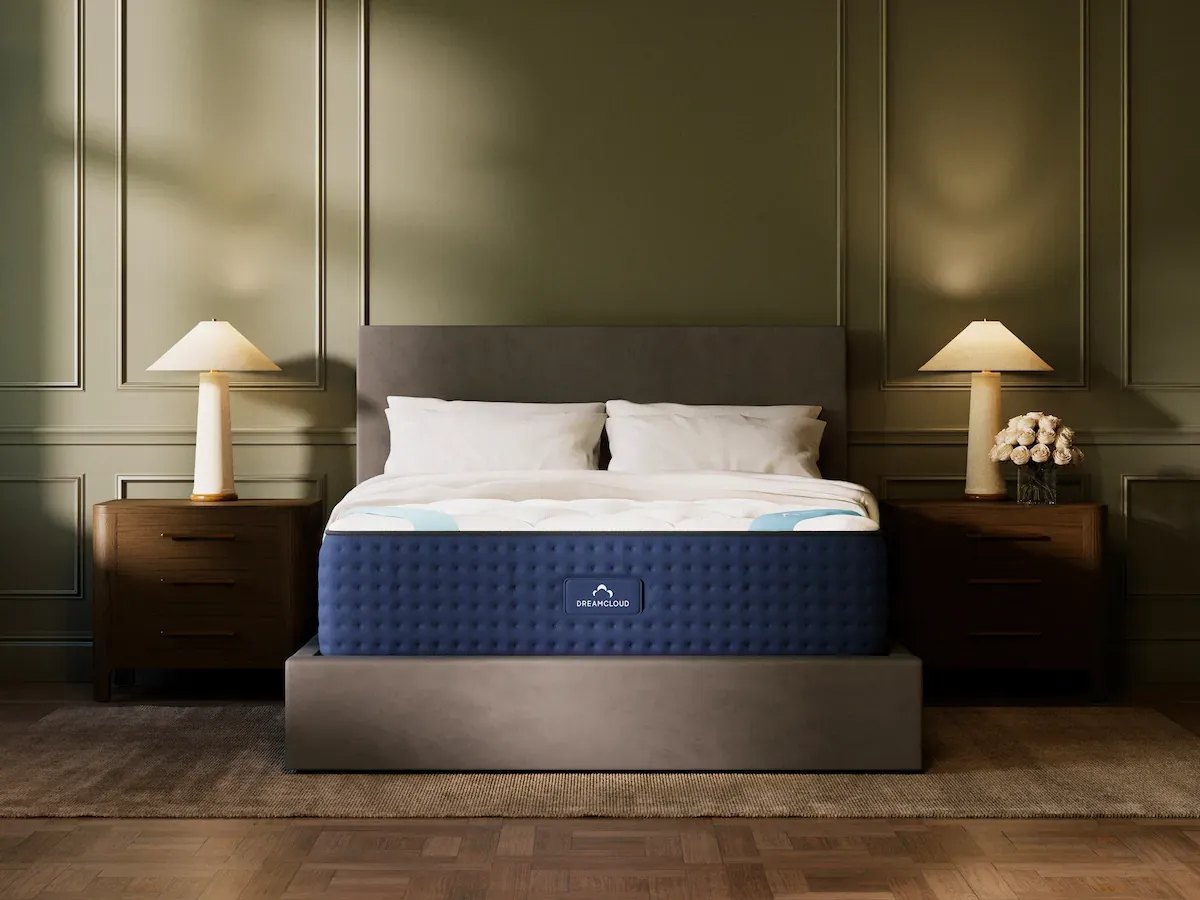
Luxury Hybrid
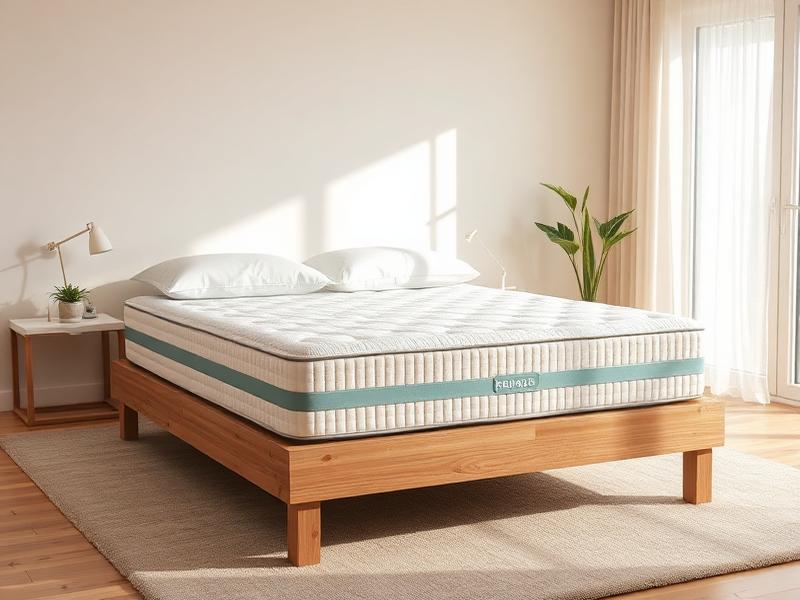
Gel Hybrid
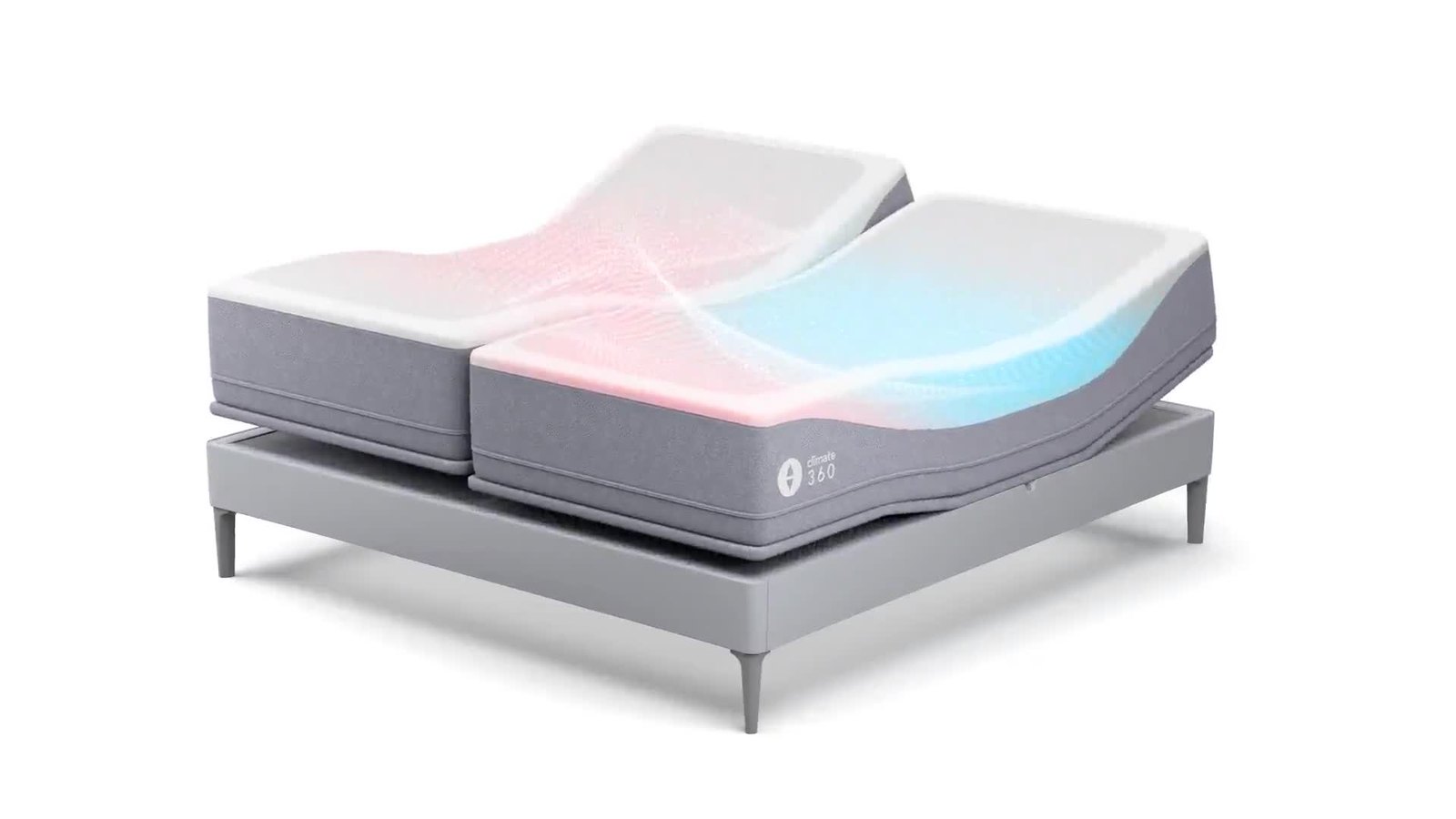
Air Chamber Hybrid
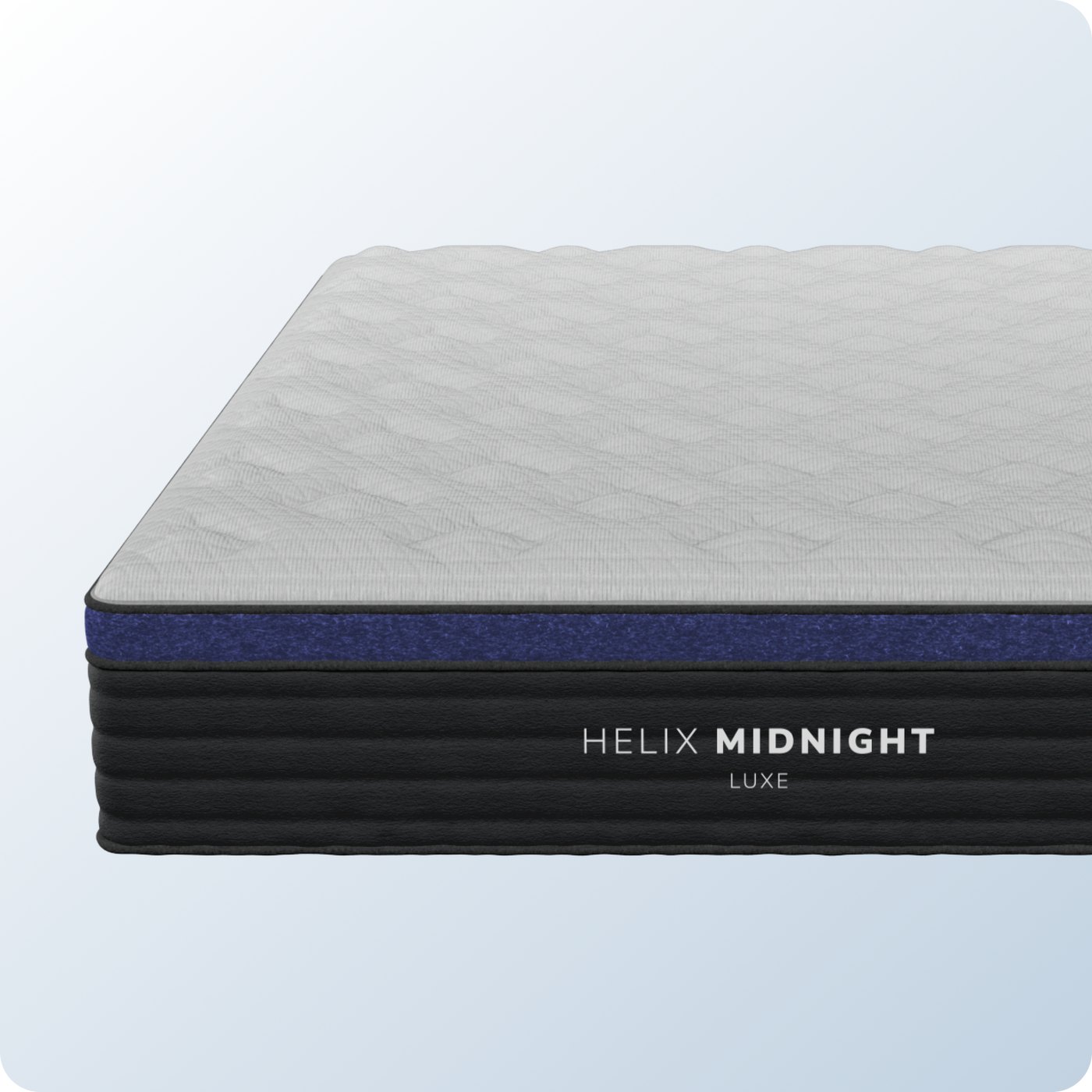
Hybrid
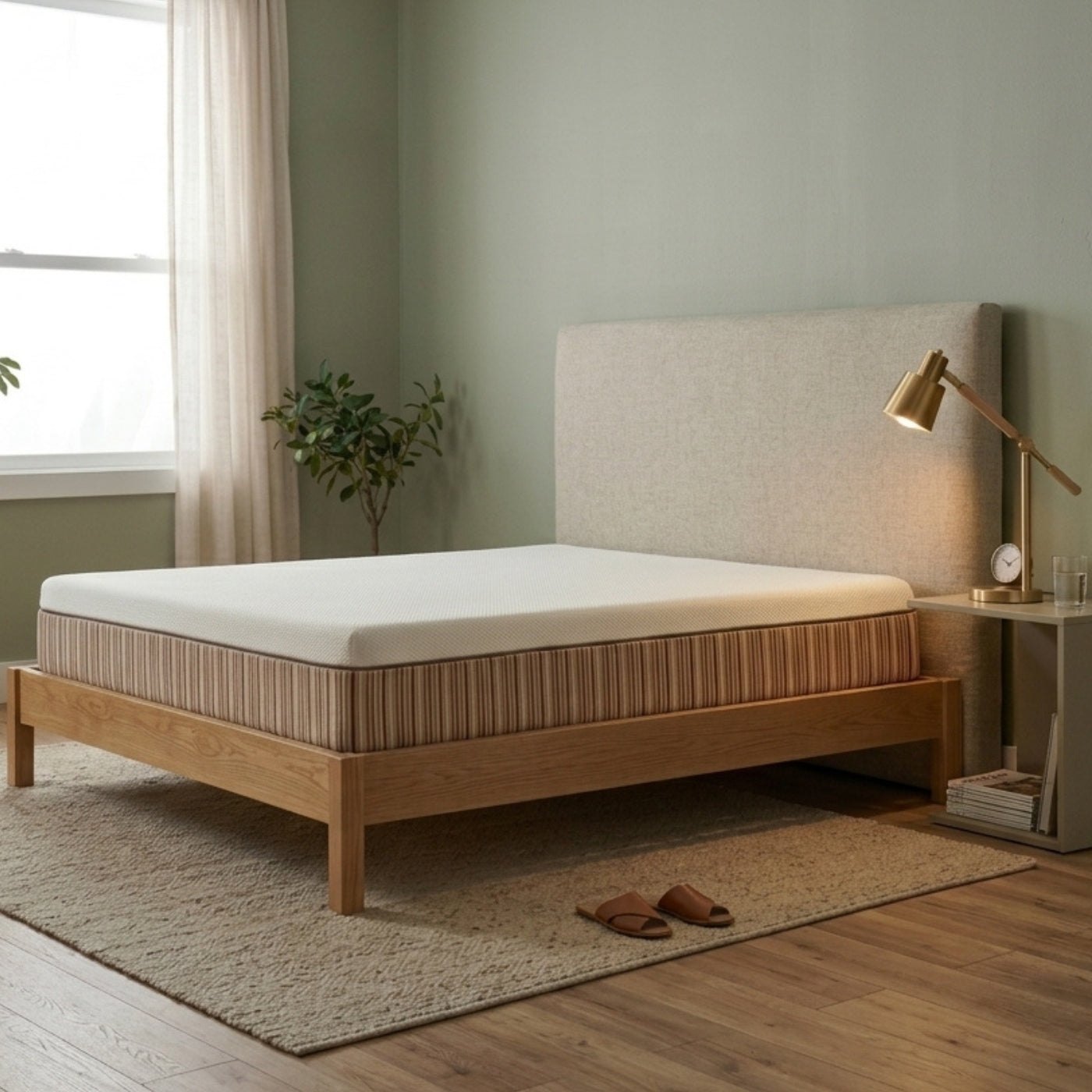
Organic Latex
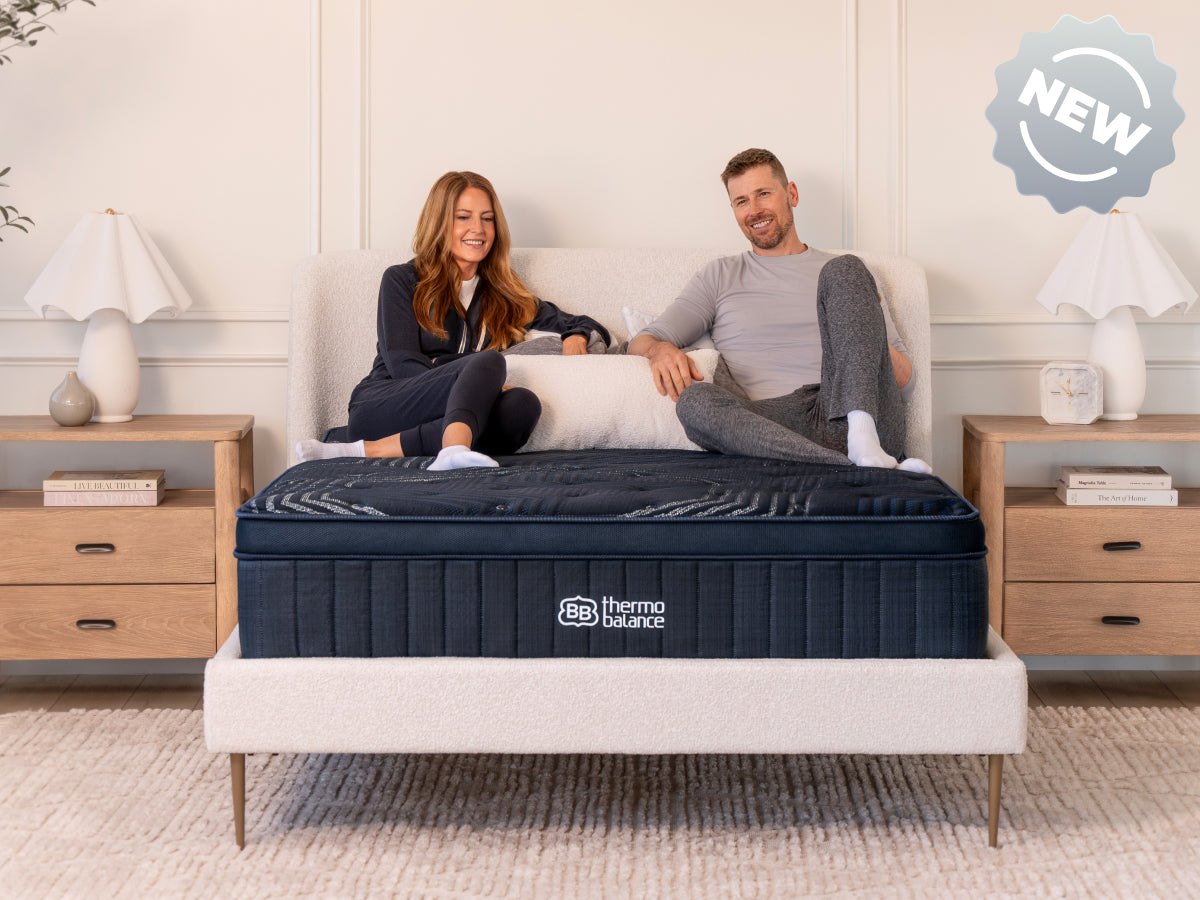
Luxury Hybrid
A 3-4" high-density (4-5 lb/ft³) memory foam topper provides the deepest shoulder contouring. It slowly conforms around the inflamed bursa, distributing pressure across the widest possible surface area. Best for people who don't move much during sleep.
Top picks: Tempur-Pedic TEMPUR-Topper Supreme (4"), ViscoSoft Active Cooling (4")A 3" soft Dunlop or Talalay latex topper provides responsive pressure relief that doesn't trap heat. It won't conform as deeply as memory foam but lasts 2-3x longer under heavy use and makes repositioning much easier.
Top picks: Sleep On Latex Soft (3"), Avocado Organic Latex Topper (2-3")A topper with a memory foam top layer and a supportive foam base layer provides conforming pressure relief on top with enough structure underneath to prevent the "hammock" effect that pure memory foam toppers can develop under heavy bodies.
Top pick: Saatva Graphite Memory Foam Topper (3")A medium to medium-soft (5-6.5 on a 10-point firmness scale) is ideal. However, for sleepers over 230 lbs, a medium-firm base mattress (6-7) paired with a 3-4 inch plush topper is more effective — the base prevents bottoming out while the topper provides shoulder pressure relief for the bursitis.
Yes, a layered system (firm base mattress + plush topper) is the most effective approach. A high-density memory foam topper (4-5 lb/ft³) or soft latex topper (3-4 inches) provides deep shoulder contouring while the base mattress maintains the structural support heavy bodies need. Low-density toppers will compress flat quickly under heavier weights.
Heavier side sleepers concentrate more force on the shoulder joint. A 250 lb person sleeping on their side puts roughly 60-70 lbs of direct pressure on the down-side shoulder — significantly more than a 150 lb sleeper. This increased pressure compresses the subacromial bursa, worsens inflammation, and can turn mild bursitis into a chronic condition if the mattress doesn't provide adequate pressure relief.
A hybrid base mattress with a memory foam topper is the ideal combination. The hybrid's coil system provides durable support and airflow for heavier bodies, while the memory foam topper delivers the deep conforming pressure relief that shoulder bursitis requires. All-foam mattresses tend to bottom out and lose support faster under heavy weights.
At least 12 inches total. Heavy side sleepers compress mattresses more, and a thinner mattress risks 'bottoming out' — where the body compresses through the comfort layers and hits the support core. A 12-14 inch hybrid mattress provides enough depth for both adequate support and meaningful pressure relief at the shoulder zone.
A bad mattress can worsen existing bursitis or contribute to developing it. A mattress that's too firm creates direct pressure on the shoulder bursa during side sleeping. A mattress that's too soft allows the shoulder to sink past neutral alignment, compressing the subacromial space. Both scenarios increase inflammation and mechanical irritation of the bursa.
If you're researching heavy side sleepers shoulder bursitis, these related guides often help too.
Keep exploring
Frequently Asked
Before you buy, read the brand: construction, pricing bands, trial and warranty terms, and how each company's lineup performed in our Encinitas lab.
Hand-picked guides and reviews from our editorial team.
Pillows that relieve shoulder pressure.
Loft-tested picks that fill the shoulder gap.
Pressure relief picks for shoulders and hips.
Reinforced support for 230+ lbs.
Plush picks for side sleepers.
XSensor-tested picks for side sleepers with shoulder pain.