#1
9.5/10
9.6
Comfort
9.9
Motion Isolation
7.3
Value
$4999$5899
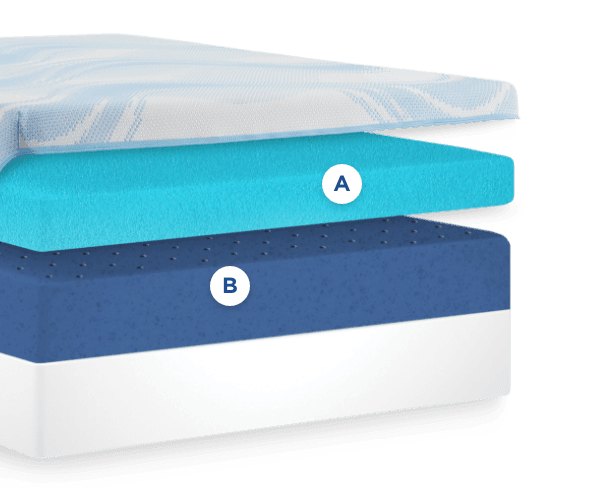
Soft mattresses (5 or below on our firmness scale) provide deep contouring and pressure relief. Ideal for side sleepers and lighter individuals under 150 lbs.
Deep cushioning cradles shoulders and hips, preventing pressure points and numbness
Best for all-night side sleepingUnder 150 lbs? Softer surfaces let you sink in enough to benefit from the comfort layers
Proper contouring for lighter bodiesSoft mattresses distribute body weight more evenly, reducing joint pressure
Relief for hips, shoulders, knees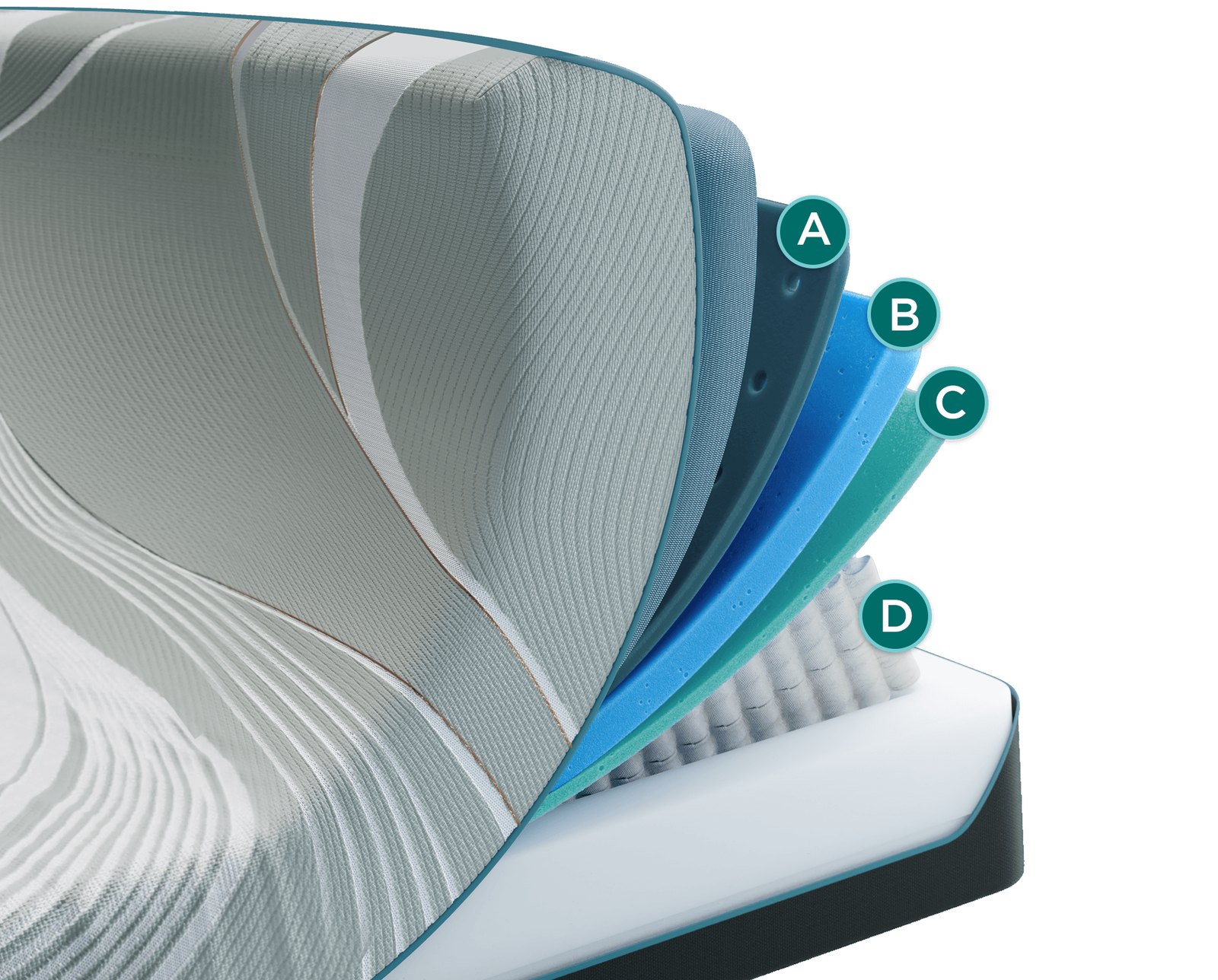
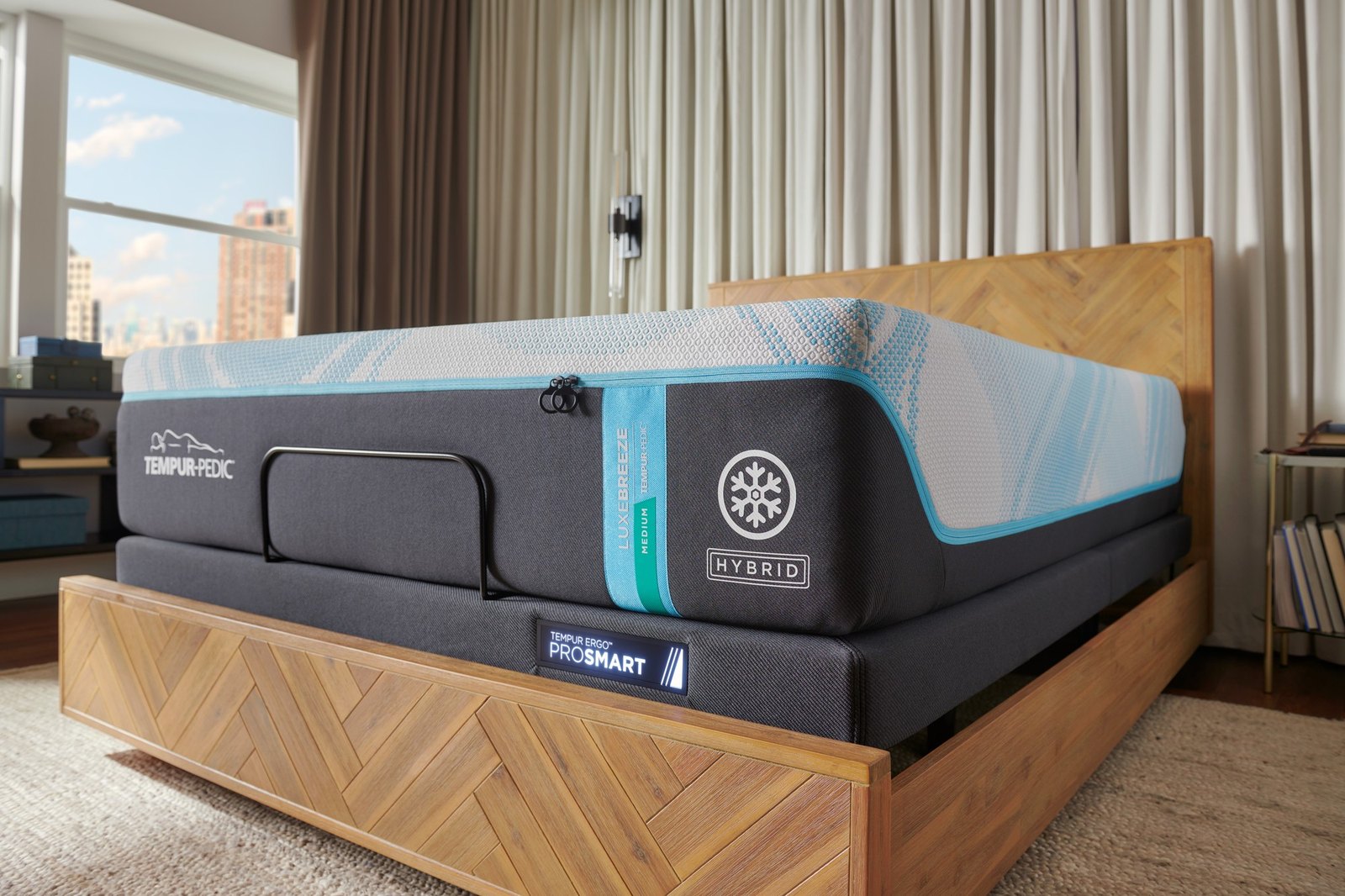
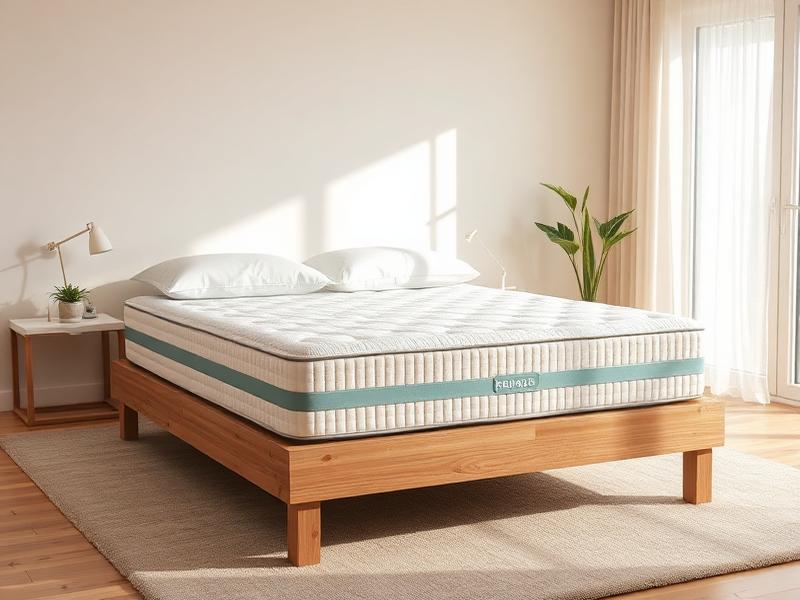
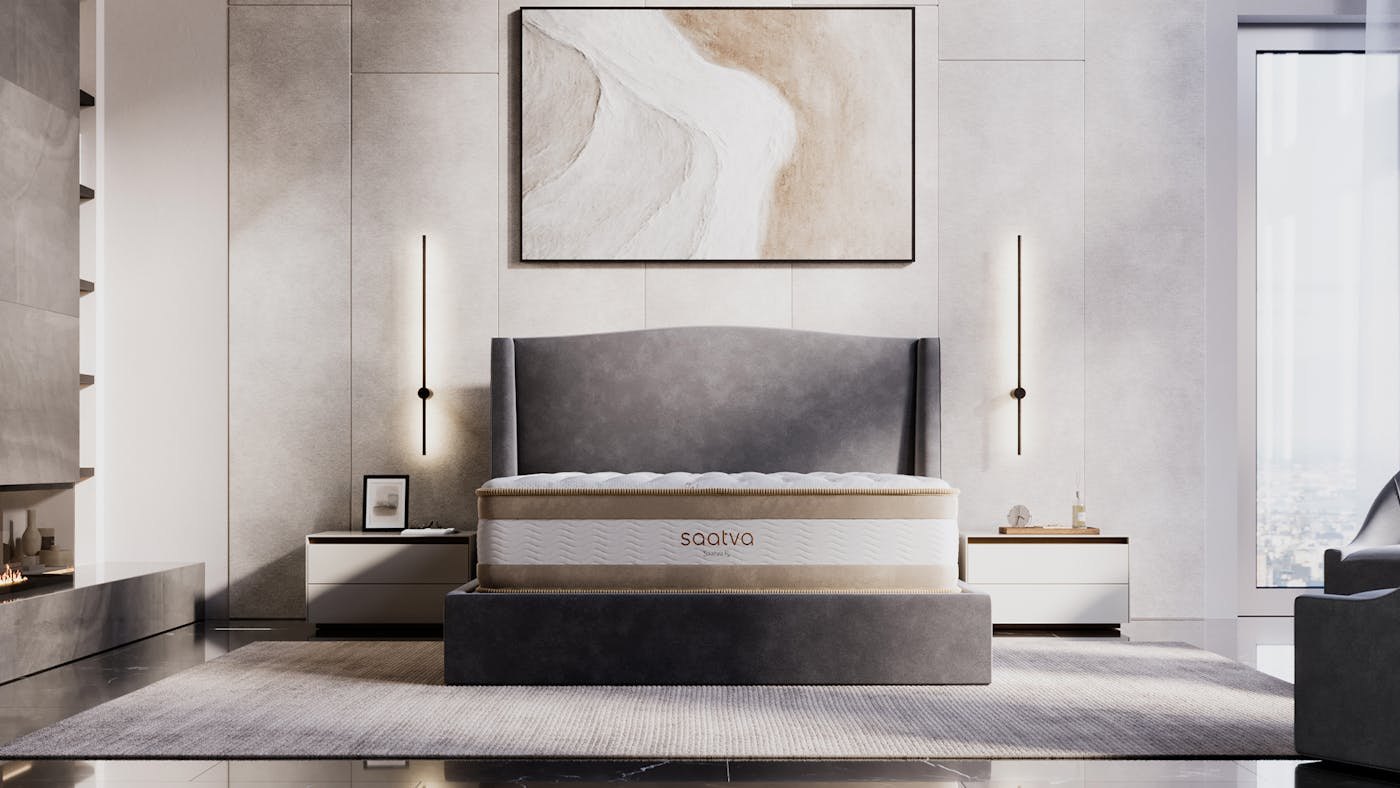
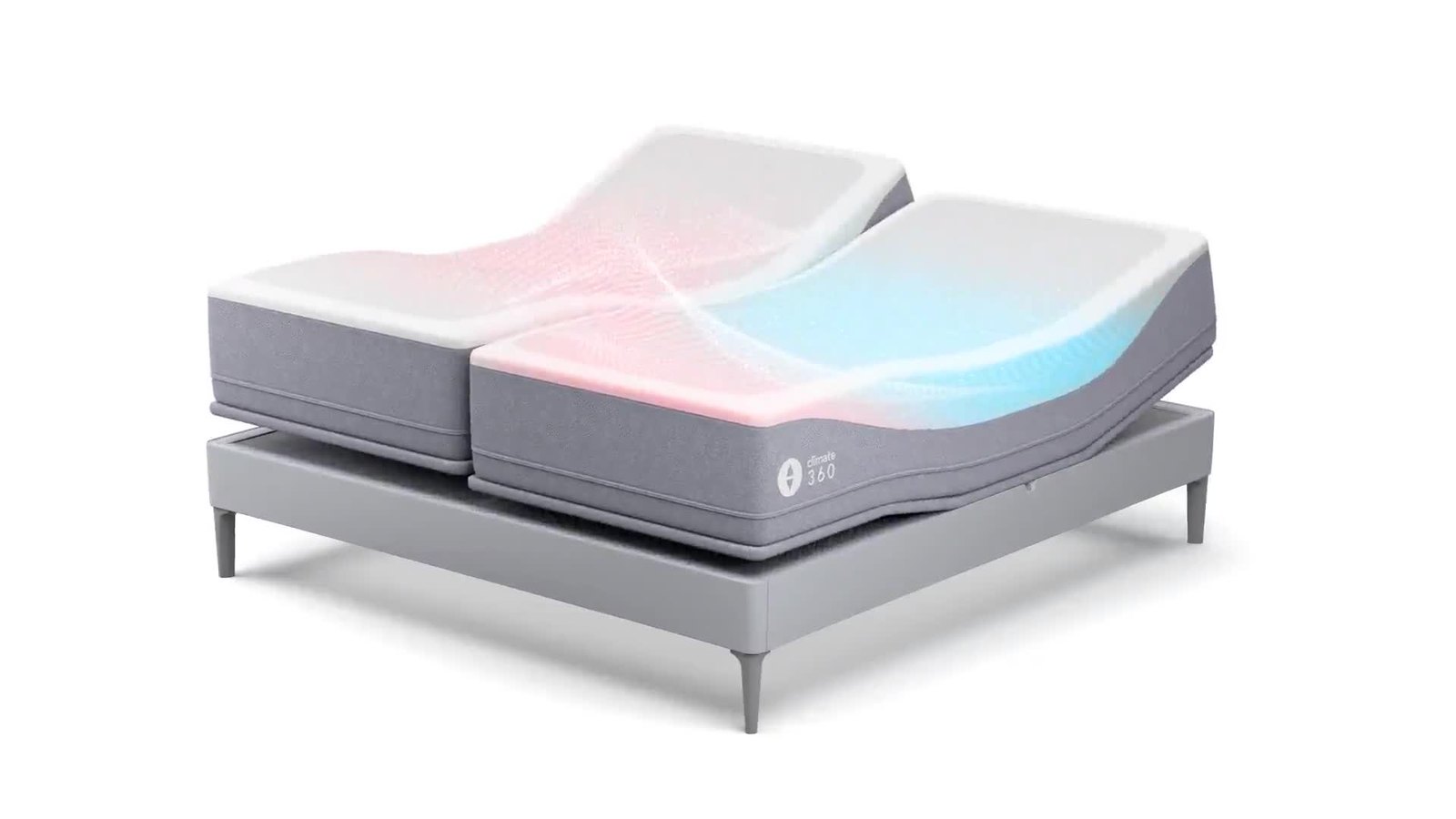
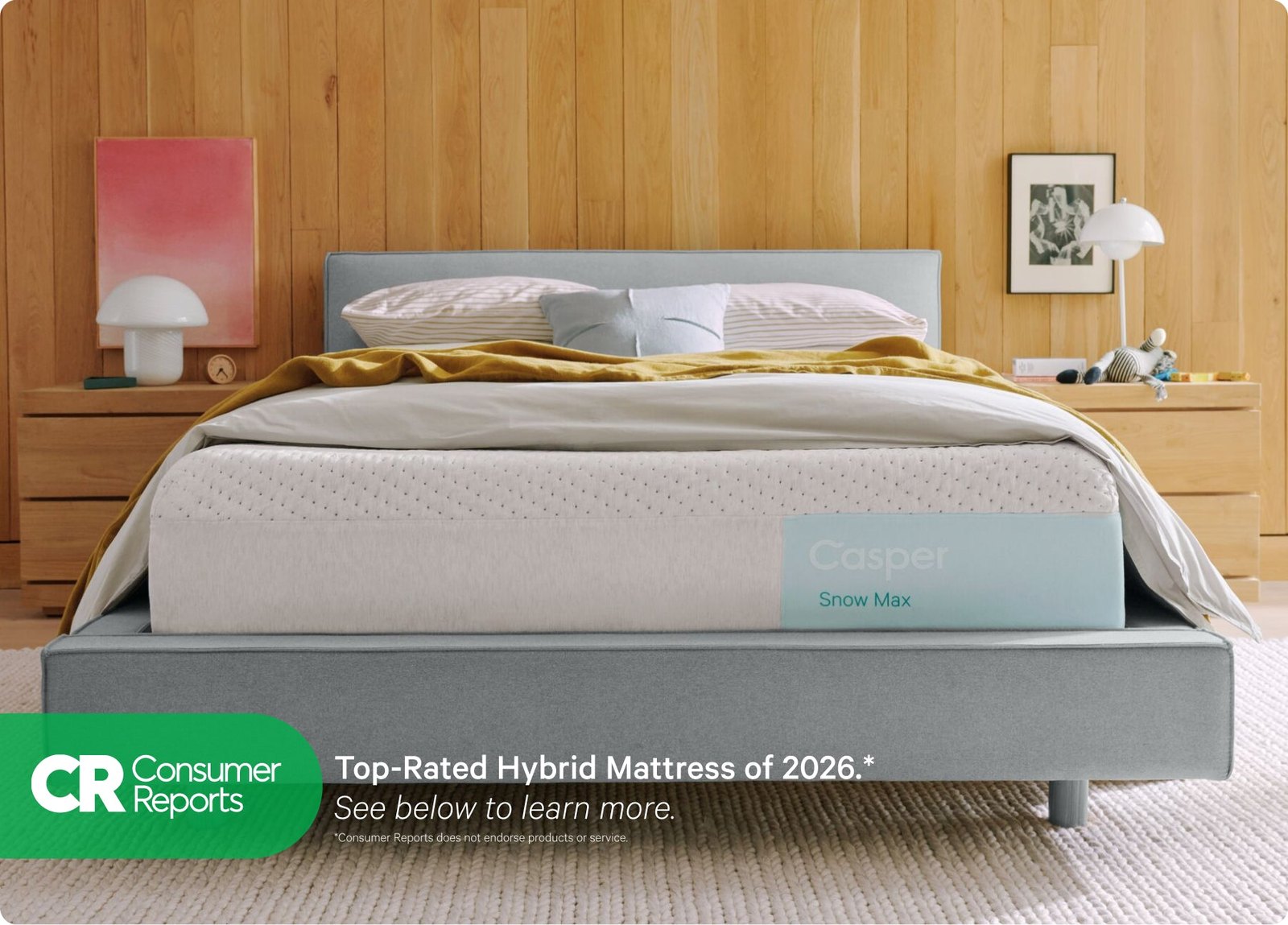
Soft mattresses (rated 3-5/10 on the firmness scale) serve a specific need: deep pressure relief for side sleepers under 180 lbs, particularly those with shoulder or hip pain. They are not, despite marketing claims, universally comfortable — heavier sleepers and back/stomach sleepers will sink past the comfort layer into the support core, creating spinal misalignment that causes morning back pain. The picks below pair genuine plush comfort layers with sufficiently supportive cores to maintain spinal neutrality for the right sleeper profile.
Side sleepers under 180 lbs with shoulder or hip pressure issues benefit most clearly. A soft mattress allows the shoulder and hip to sink in enough that the spine remains neutrally aligned, eliminating the 'pinched' feeling that firmer mattresses create at pressure points.
Side sleepers above 180 lbs need to be more careful — what feels soft initially may compress through the comfort layer into the support core, creating the opposite problem of insufficient support. Our recommendation: above 200 lbs, choose medium-firm with extra plush comfort layers rather than truly soft mattresses.
Yes, for the wrong sleeper. Back and stomach sleepers on soft mattresses sink the hips below the shoulders, hyperextending the lumbar spine. This is the single most common cause of mattress-induced back pain in our survey data.
For side sleepers in the appropriate weight range, soft mattresses actually reduce back pain in most cases by allowing better lateral spinal alignment.
Showroom comfort and overnight support are different metrics. Many people who love soft mattresses for 5 minutes hate them at the 6-week mark.
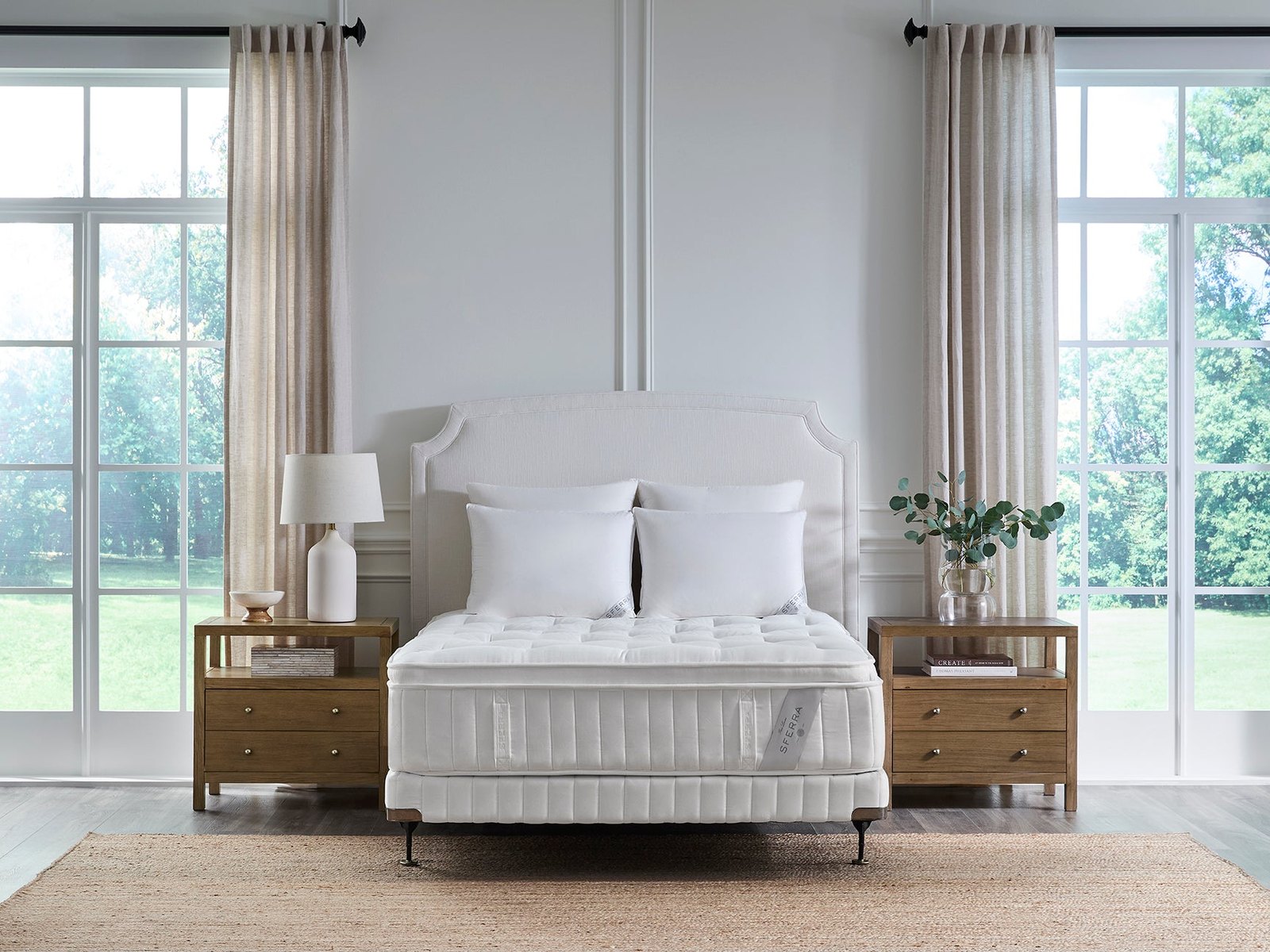
Pillow-tops feel softest but wear out 30-40% faster than equivalent built-in plush layers. Often a false economy.
If one partner needs soft and the other needs firm, split-firmness systems are dramatically better than compromising on medium.
Memory foam with adequate density. Solid pressure relief.
Plush hybrids with quality comfort layers. The category sweet spot.
Talalay latex toppers and luxury plush builds. Best-in-class pressure relief, longest lifespan.
Keep exploring
Frequently Asked
Before you buy, read the brand: construction, pricing bands, trial and warranty terms, and how each company's lineup performed in our Encinitas lab.
Hand-picked guides and reviews from our editorial team.