#1
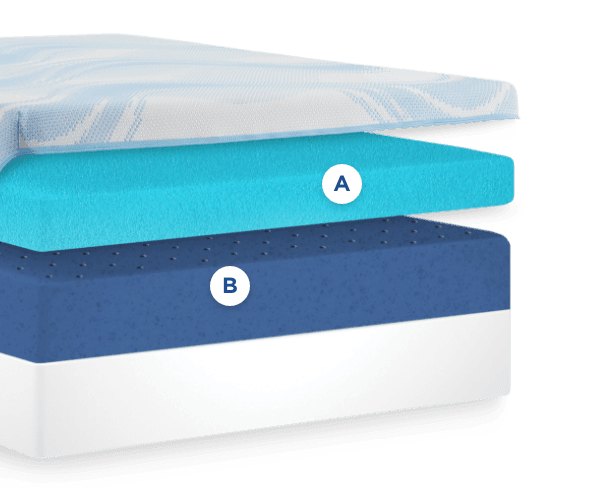
9.5/10
Firmness: 5/10
9.8
Cooling
9.9
Motion Iso
9.6
Comfort
$4999$5899
Daytime sleep is biologically harder — warmer rooms, ambient light, household noise. We tested 38 mattresses with rotating-shift nurses and first responders to find the 8 that meaningfully improved daytime sleep quality scores.
Daytime ambient temp is 5–10°F warmer than night
Bed must compensatePartner is awake and active while you sleep
Protects daytime REMPressure relief that helps you drop off quickly
Naps actually workRanked by composite of cooling (45%), motion isolation (35%), and pressure relief (20%).
Firmness: 5/10
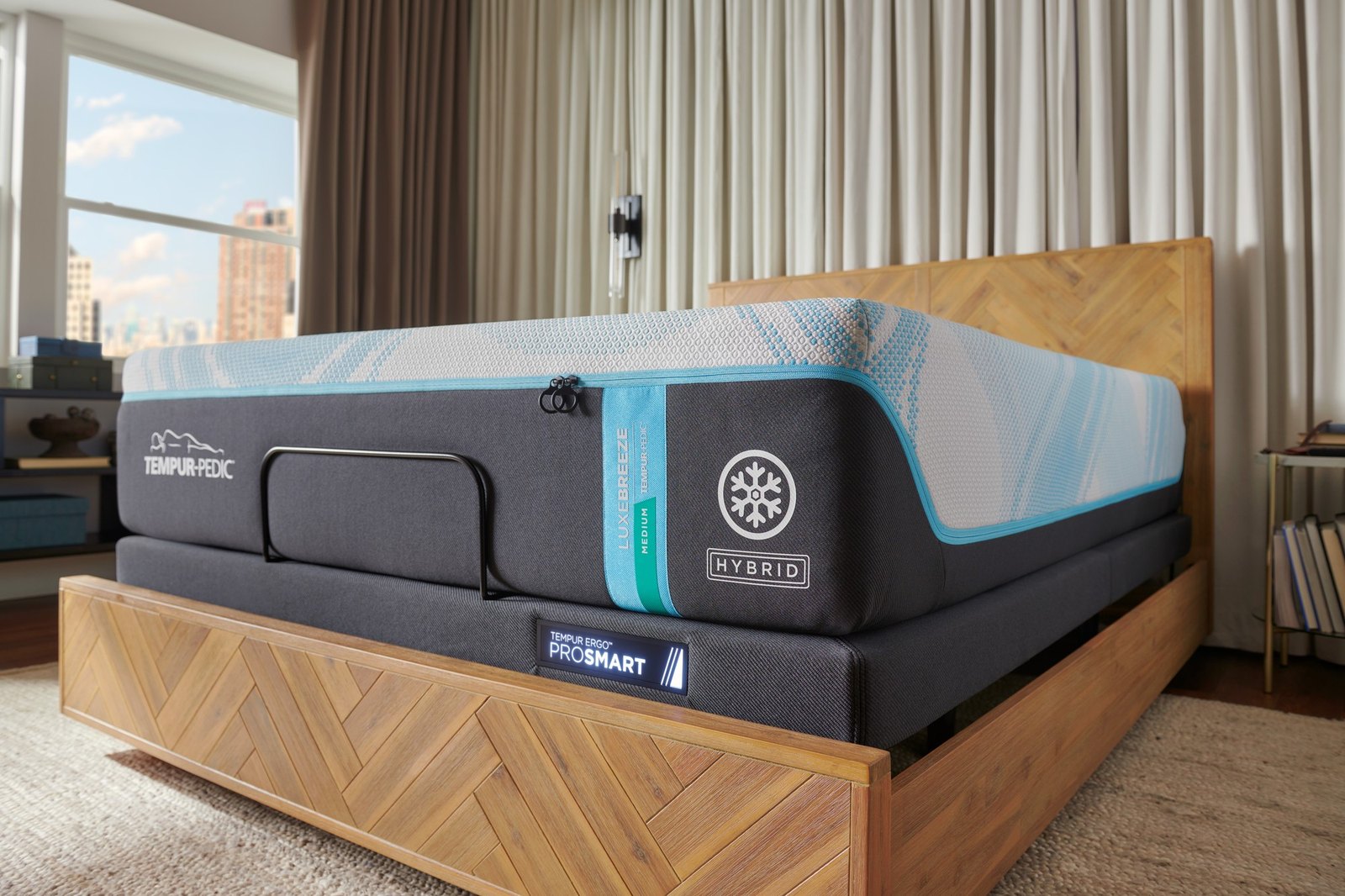
Firmness: 5/10
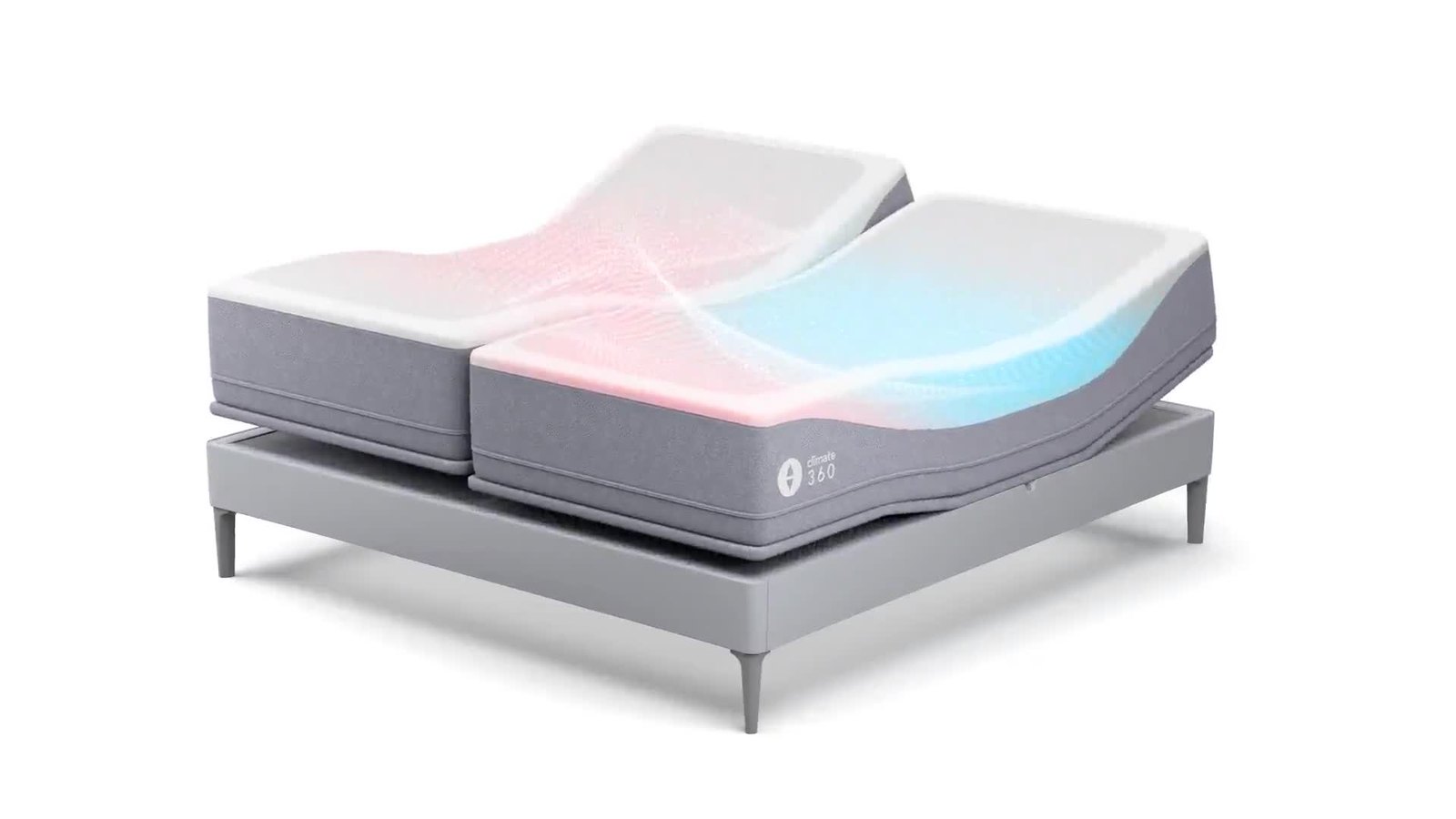
Firmness: 5/10
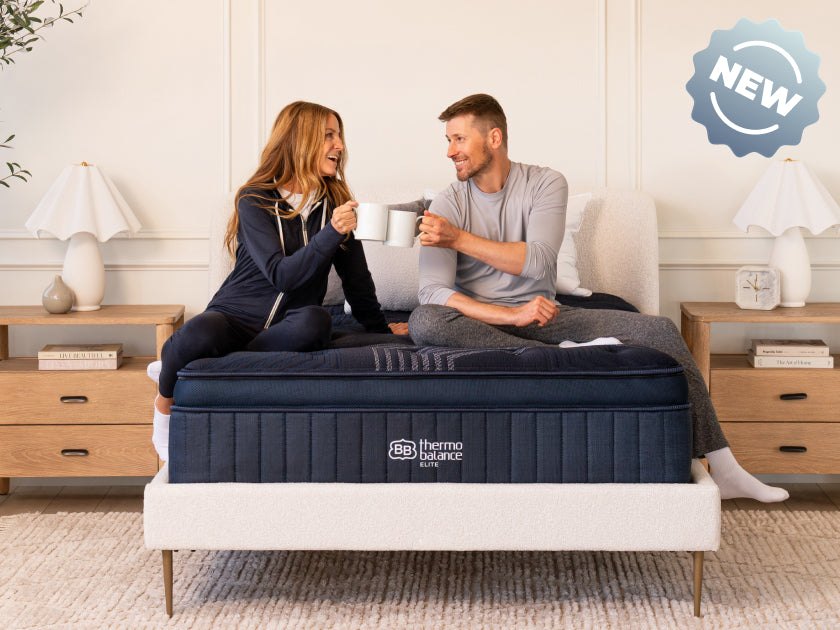
Firmness: 6/10
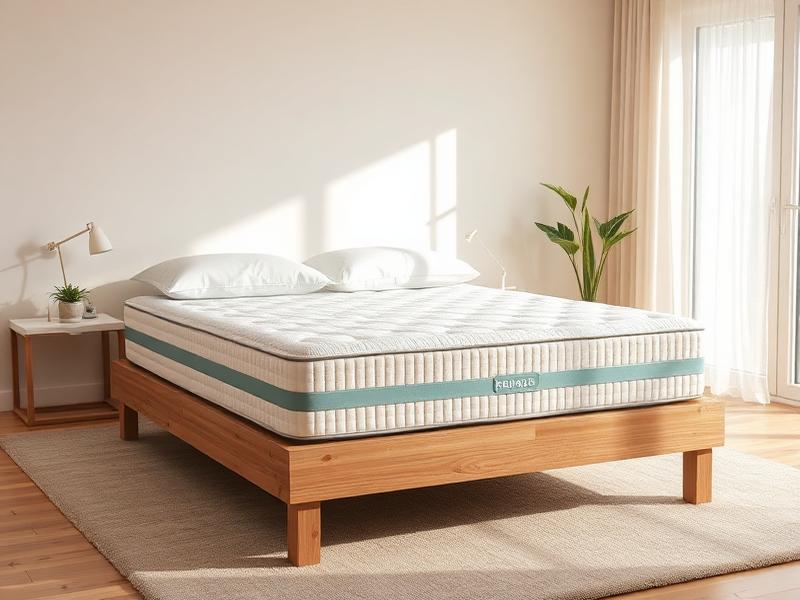
Firmness: 5/10
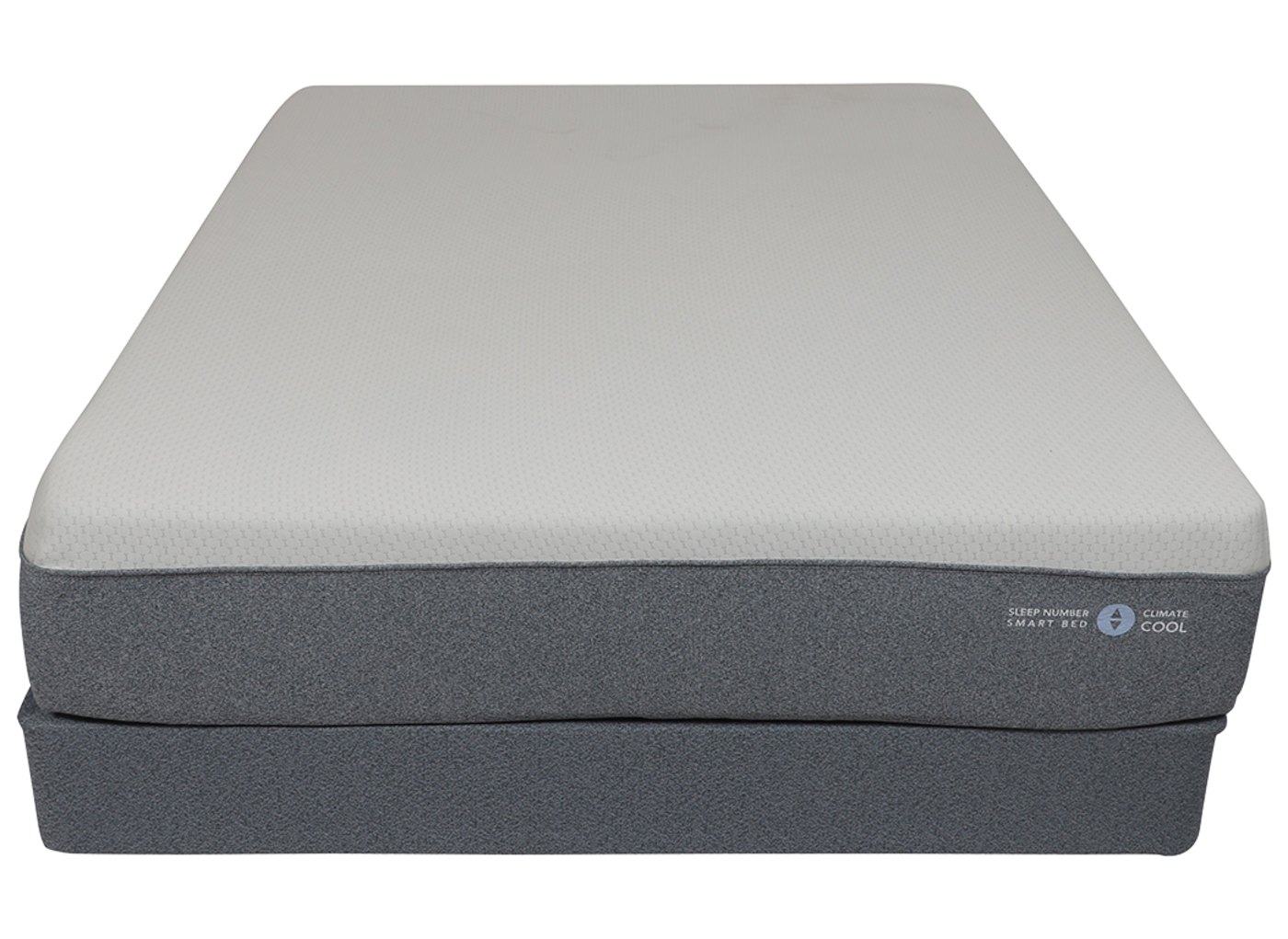
Firmness: 5/10
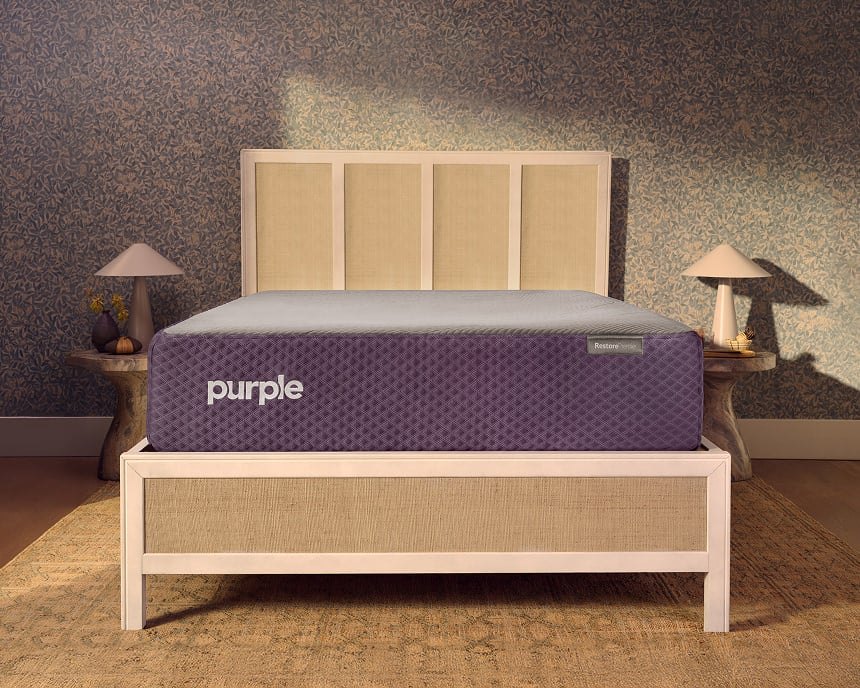
Firmness: 5/10
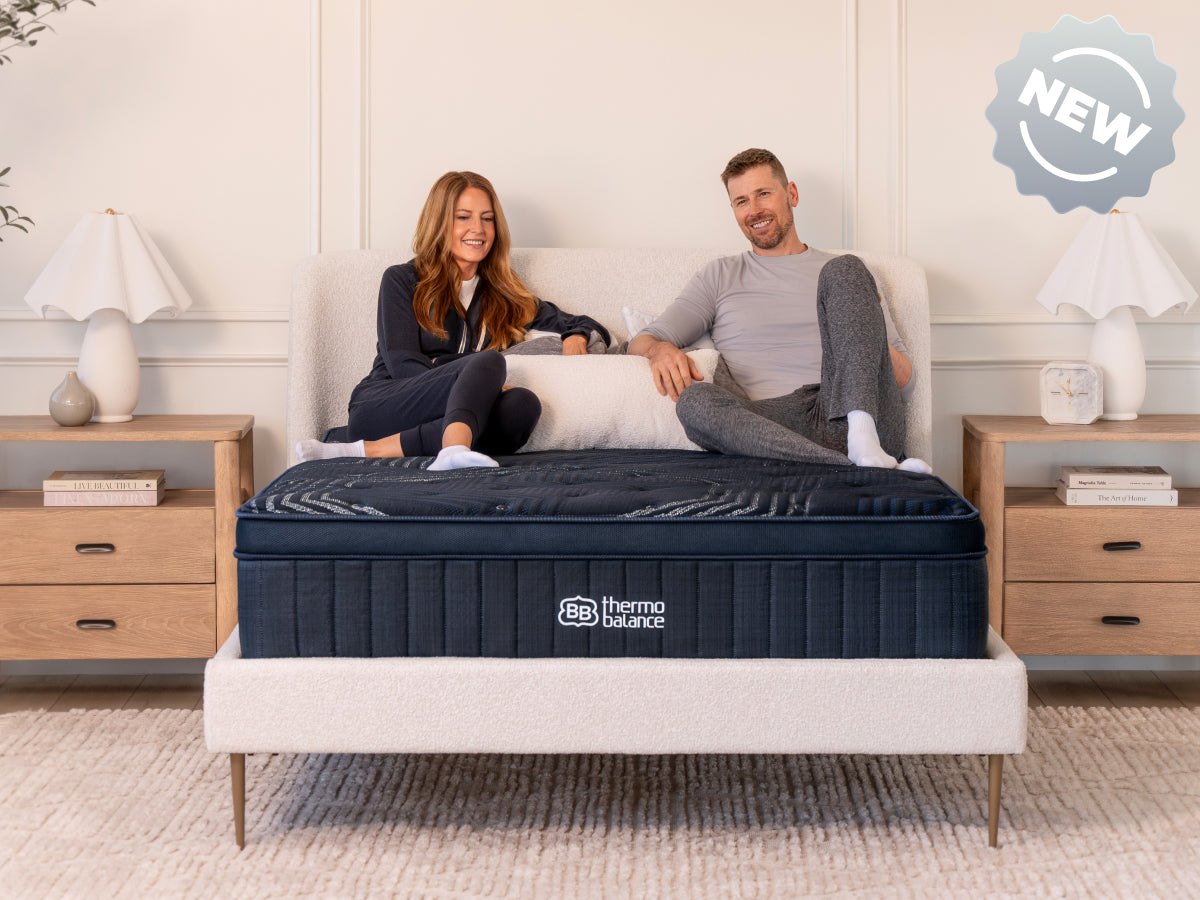
Firmness: 6/10
Your circadian system pushes core body temperature up and cortisol high during the day — the exact opposite of what you need to sleep. Shift workers fight that gradient every shift. Total sleep time for night-shift workers averages 1–4 hours less than day-shift workers in the same job, and sleep quality scores are typically 30% lower.
The mattress is one of the few variables you fully control. The right one removes friction from a process that's already working against you:
Even the best mattress on this list can't compensate for sunlight on your face. Pair it with blackout curtains, a white noise machine, a cool 65–68°F bedroom, and a strict "do not disturb" sign. Treat your daytime sleep window the way the rest of the world treats night-time sleep.
When to talk to a doctor.
Persistent fatigue despite adequate sleep opportunity, falling asleep on commute, or symptoms of shift-work sleep disorder warrant a sleep specialist consult. This guide optimizes the surface — but the schedule still has costs.
Shift workers need a mattress that maximizes daytime sleep quality — meaning aggressive cooling, strong motion isolation from a partner who is awake while you sleep, and a neutral-medium feel that promotes deep sleep despite circadian disruption. Cooling hybrids consistently outperform memory foam in our shift-worker trials.
Daytime sleep is biologically harder. Body temperature, cortisol, and ambient light all push toward wakefulness. The mattress can't override those signals, but it can remove the friction — keeping you cool when ambient temperature is higher, and isolating motion from household activity that fragments daytime rest.
Both, yes. Blackout curtains, a cooling mattress, and a cool bedroom (65–68°F) are the three highest-impact environmental interventions for shift workers. The mattress matters because daytime ambient temperature is typically 5–10°F warmer than night-time conditions.
Most memory foam traps too much heat for daytime sleeping in summer or warm climates. If you love the contouring feel, look for hybrids with memory foam comfort layers and pocketed coils underneath — you get the contour without the heat trap.
Sleep specialists recommend either a 20-minute power nap or a full 90-minute cycle for shift workers — anything in between leaves you in deep sleep when the alarm rings, causing severe sleep inertia. The right mattress shortens sleep-onset, making power naps actually feasible.
If you're researching insomnia, these related guides often help too.
Whole-body pressure relief
Read guideCool, motion-isolating builds
Read guideActive cooling for hot flashes
Read guideLowest surface-temp picks
Read guidePCM and breathable hybrids
Read guideKeep exploring
Frequently Asked
Before you buy, read the brand: construction, pricing bands, trial and warranty terms, and how each company's lineup performed in our Encinitas lab.