#1
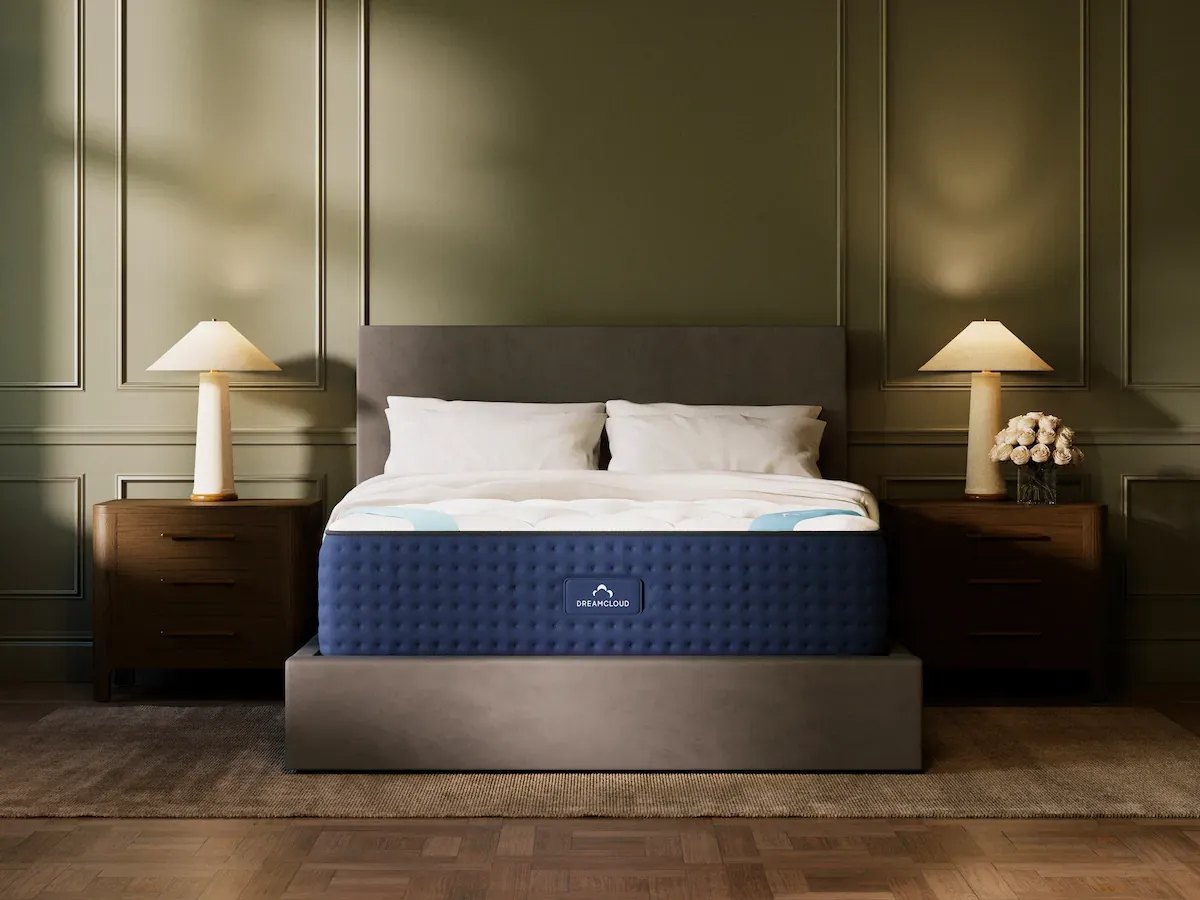
9.6/10
Firmness: 6.5/10
9.7
Support
9.5
Pressure Relief
9.4
Edge
$899$1499
A bulging disc compresses nerve roots when your spine isn't neutral. We tested 47 mattresses with disc patients to find the 8 that maintain perfect lumbar alignment for back, side, and combination sleepers managing radiculopathy.
Firmer support beneath L4–S1 keeps the disc decompressed
Reduces nerve root pressureStrong transition layers prevent pelvic tilt
Holds spine neutralReinforced perimeter assists pain-free entry/exit
Critical during flare-upsRanked by support-weighted composite from our spinal alignment measurements.
Firmness: 6.5/10
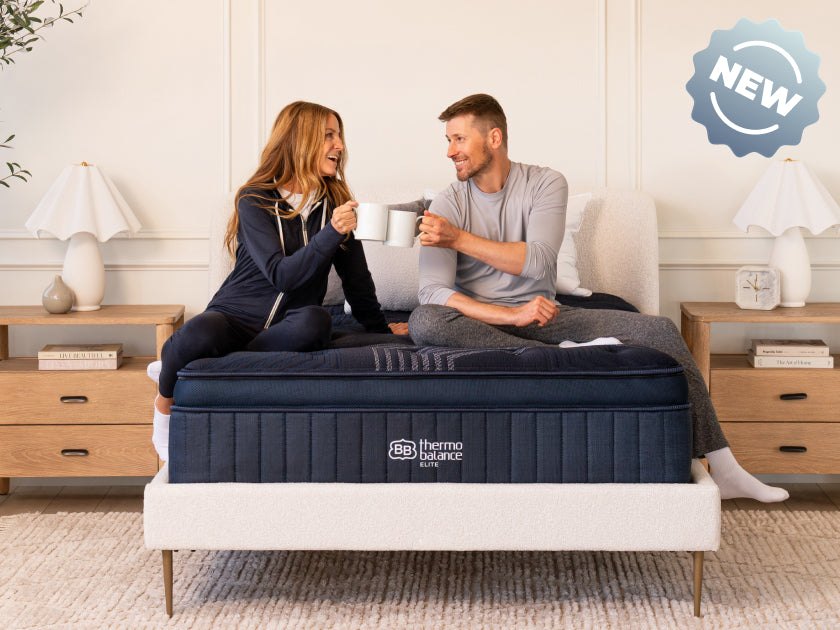
Firmness: 6/10
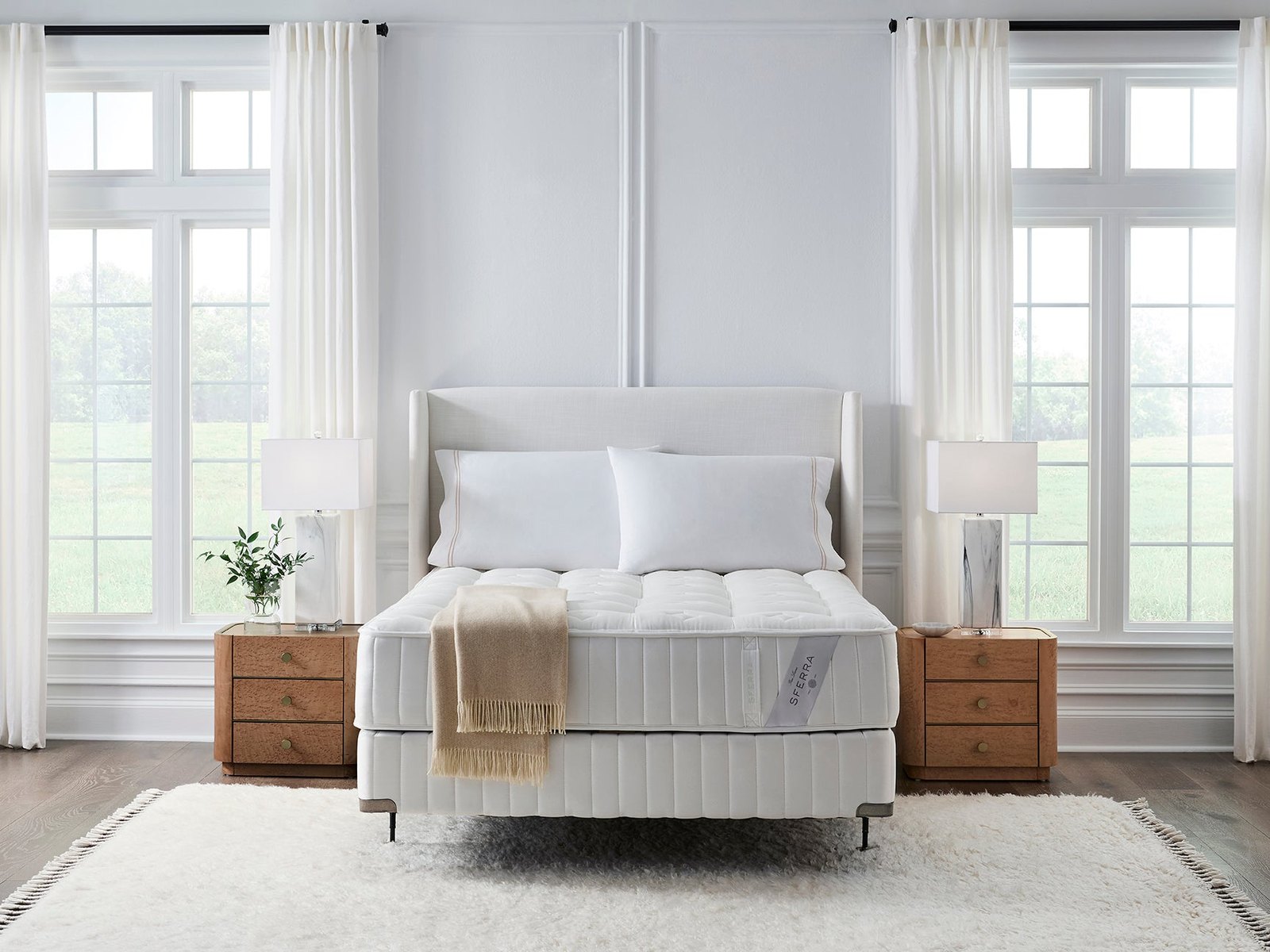
Ultra-luxury Italian craftsmanship meets American engineering
Firmness: 7/10
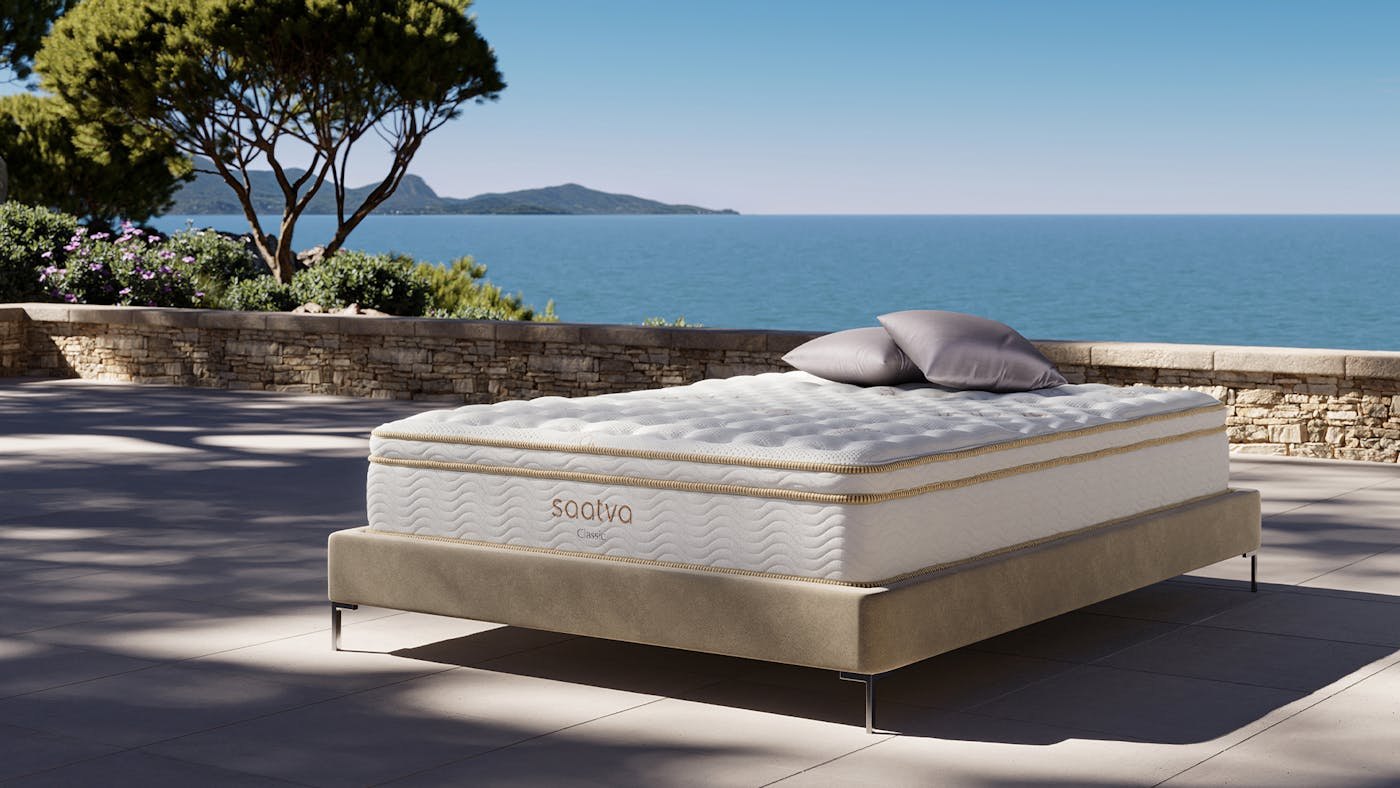
Firmness: 6/10
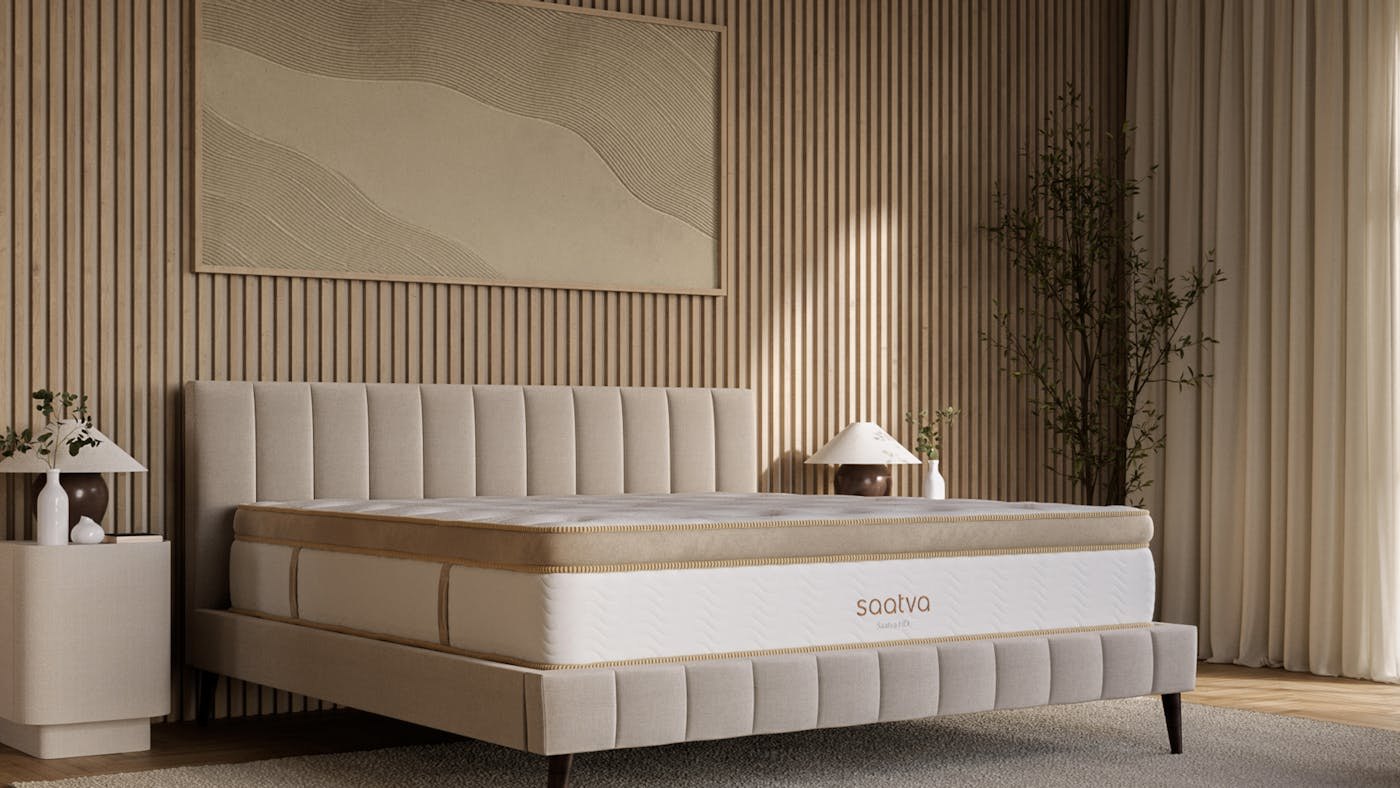
Firmness: 7.5/10

Firmness: 6/10
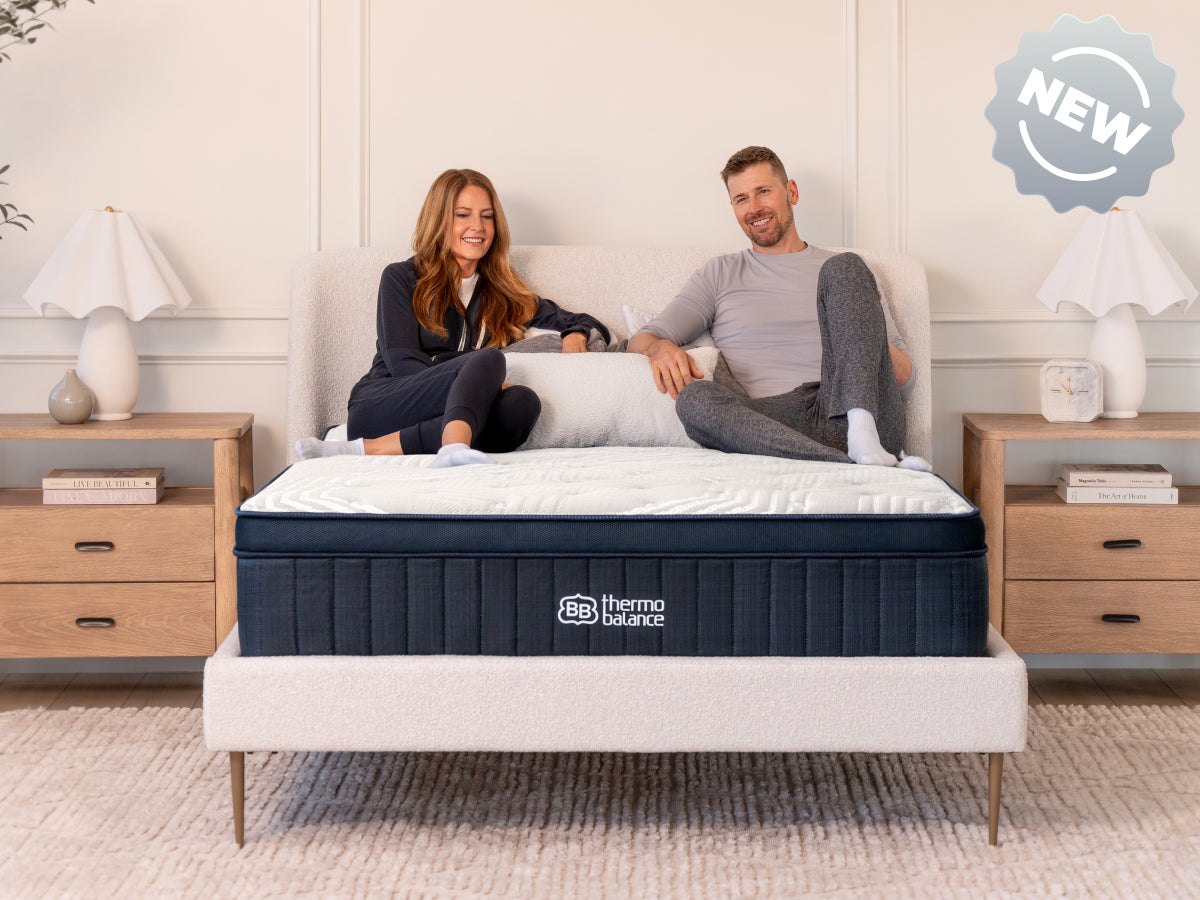
Firmness: 6/10
Firmness: 6/10
A herniated (or bulged, slipped, ruptured) disc occurs when the soft nucleus pushes through the disc's outer wall and contacts nerve roots — most commonly at L4–L5 or L5–S1. The pain flares whenever the spine bends, twists, or compresses. Sleep is when most patients spend the longest single block in a fixed position, making mattress choice critical.
The wrong mattress causes chronic micro-compression in three ways:
We measure spinal alignment with laser-leveled imaging at three body weights and two sleep positions. Mattresses earning a spot here keep lumbar deviation under 0.5 cm from neutral while maintaining edge sink under 1.5 inches at the perimeter.
Mattress is one piece of recovery.
A herniated disc with progressive weakness, numbness, or bowel/bladder symptoms needs immediate medical evaluation. This guide optimizes sleep — it doesn't replace PT, imaging, or surgical consultation when indicated.
Roughly 90% of lumbar disc herniations at L4–L5 or L5–S1 press on the sciatic nerve root, sending pain, numbness, or tingling down the leg. When sciatica is in the picture, mattress priorities shift in two specific ways:
If your sciatica is the dominant symptom, also see our tested picks for mattresses for sciatica and mattresses for back pain.
Knees drawn up opens the disc spaces and unloads nerve roots. Add a pillow between the knees to keep the pelvis stacked. Needs a 6–7/10 surface with enough give at the shoulder.
Side-sleeper picks →A pillow under the knees — or 15–20° of knee lift on an adjustable base — flattens lumbar lordosis and reduces disc compression. Works on a 6.5–7.5/10 hybrid.
Back-sleeper picks →Hyperextends the lumbar spine and pushes disc material posteriorly — directly into the nerve roots. If you can't break the habit, use the firmest surface you can tolerate and a thin pillow.
Stomach-sleeper picks →Zero-gravity positioning (head ~15°, knees ~20°) measurably reduces lumbar disc load compared to flat lying, and it's the position many disc patients describe as the only one that quiets nighttime leg pain. Every mattress ranked above flexes on an adjustable base — traditional rigid innersprings do not.
See our adjustable base picks →The best mattresses for a herniated disc are firm-leaning hybrids (6.5–7.5/10) with zoned lumbar support and minimal sink at the hips. They keep the spine in a neutral position so the herniated disc isn't compressed further during 7–9 hours of sleep.
When sciatica rides along with a disc herniation, prioritize a responsive hybrid with zoned lumbar support AND enough surface give to unweight the hip on the affected side. All-foam beds that lock you into one position tend to aggravate sciatic symptoms on repositioning; a pocketed-coil hybrid lets you shift without a full-body effort. Side sleepers should add a knee pillow to keep the pelvis stacked and the sciatic nerve untensioned.
Medium-firm to firm (6.5–7.5/10) is best for most disc patients. Soft mattresses let the hips drop, which torques the lumbar spine and worsens disc compression. But too firm (8+) creates pressure points that disrupt sleep without helping alignment.
It depends on density and depth. High-density memory foam over a firm support core can work for back sleepers under 200 lb. But deep, slow-recovery foam makes repositioning effortful — and every strained position change is a flare risk. In our testing, hybrids with a thin comfort layer over pocketed coils outperformed deep memory foam for disc patients.
Generally no. The floor lacks any contour at the lumbar curve, leaving an unsupported gap that strains the spine. A medium-firm mattress with zoned support outperforms the floor in clinical comfort and disability scores.
Side sleeping in a fetal position with a pillow between the knees opens the disc spaces and reduces nerve compression. Back sleeping with a pillow under the knees is second-best. Avoid stomach sleeping — it hyperextends the lumbar spine and worsens disc bulge.
Yes — it's one of the highest-impact upgrades. Zero-gravity positioning (head up ~15°, knees up ~20°) reduces lumbar disc load by roughly a third compared to flat lying, and many patients report it as the only position that relieves nighttime radicular pain. Confirm your mattress is rated for adjustable-base flexing; most hybrids and foam beds are, most traditional innersprings are not.
Discs rehydrate and swell overnight, so herniation pressure peaks in the first hour after waking — that's why mornings hurt most. A mattress that holds the spine neutral reduces how much the swollen disc contacts the nerve root, which is why disc patients often notice mattress improvements first thing in the morning.
Most of our testers reported noticeable improvement within 2–3 weeks of switching to a properly supportive mattress, with peak benefit around the 30-day mark as muscles relearn relaxed posture during sleep.
Over 230 lb, move half a point firmer than the standard 6.5–7.5 range — so 7–8/10 — because body weight compresses comfort layers deeper and the effective firmness drops. Look for reinforced coil gauges (13.5-gauge or lower) and high-density transition foams so the support doesn't bottom out at the hips.
If you're researching herniated disc, these related guides often help too.
Pressure relief for nerve root pain
Read guideLancet-backed medium-firm picks
Read guideSlight flexion to open the canal
Read guideCushioning for worn discs
Read guideMedium-firm support for general back pain
Read guideStability without lumbar extension
Read guideKeep exploring
Frequently Asked
Sleep Sage cites primary sources for all clinical claims. Lab measurements (firmness, pressure, temperature, motion transfer) originate from our internal protocol described at /how-we-test.
Before you buy, read the brand: construction, pricing bands, trial and warranty terms, and how each company's lineup performed in our Encinitas lab.