#1
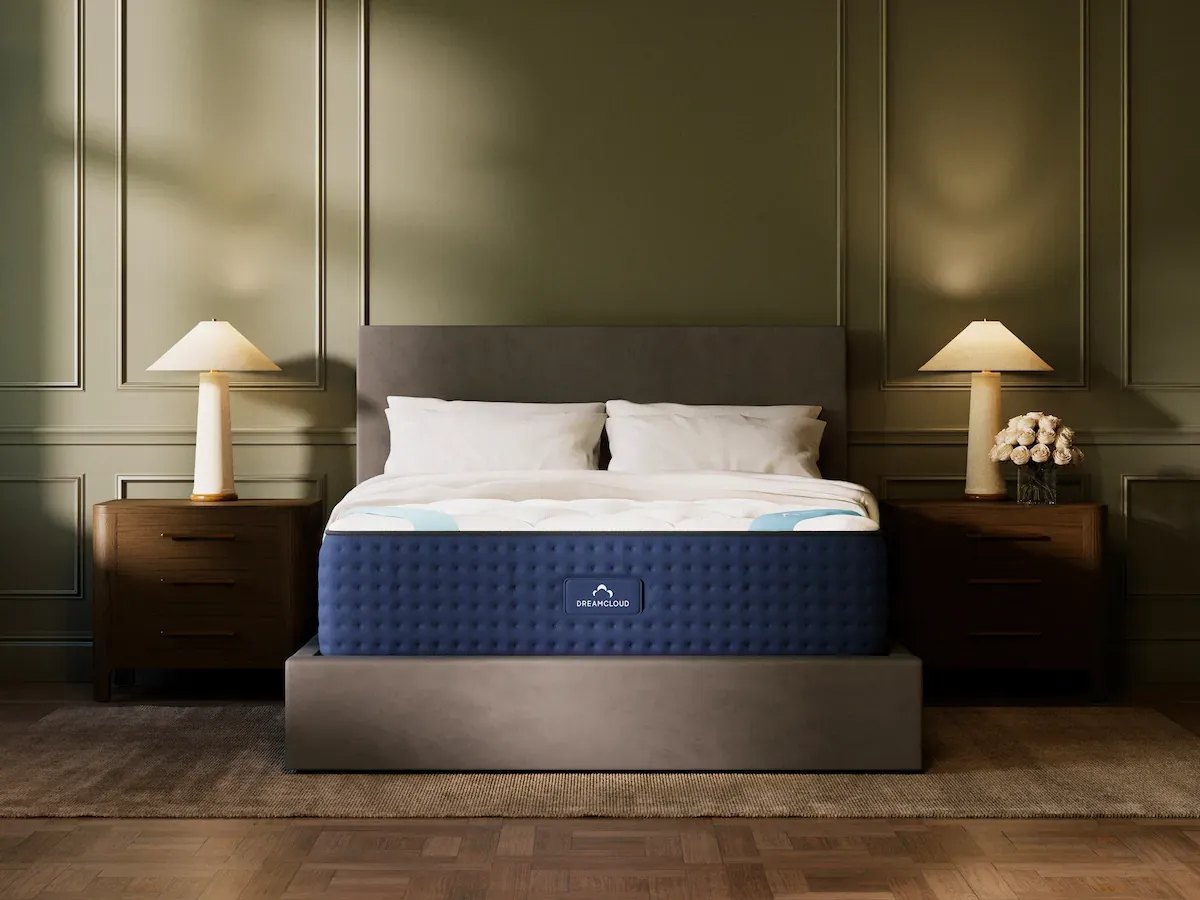
9.6/10
Firmness: 6.5/10
9.7
Support
9.5
Pressure Relief
9.4
Edge
$899$1499
Keep exploring
Frequently Asked
Before you buy, read the brand: construction, pricing bands, trial and warranty terms, and how each company's lineup performed in our Encinitas lab.
When a vertebra slips, the mattress matters more — not less. We tested 41 mattresses with Grade I and II spondylolisthesis patients to find the 8 that stabilize the slip and reduce radicular pain.
Firmer L4–S1 support prevents shear at the slip
Stops slip progression overnightSupportive hybrid coils keep pelvis neutral
Avoids extension torquePairs with knee-elevation for spine flexion
Closes slip during sleepRanked by a composite of support (60%) and pressure relief (40%) from our spinal alignment lab.
Firmness: 6.5/10
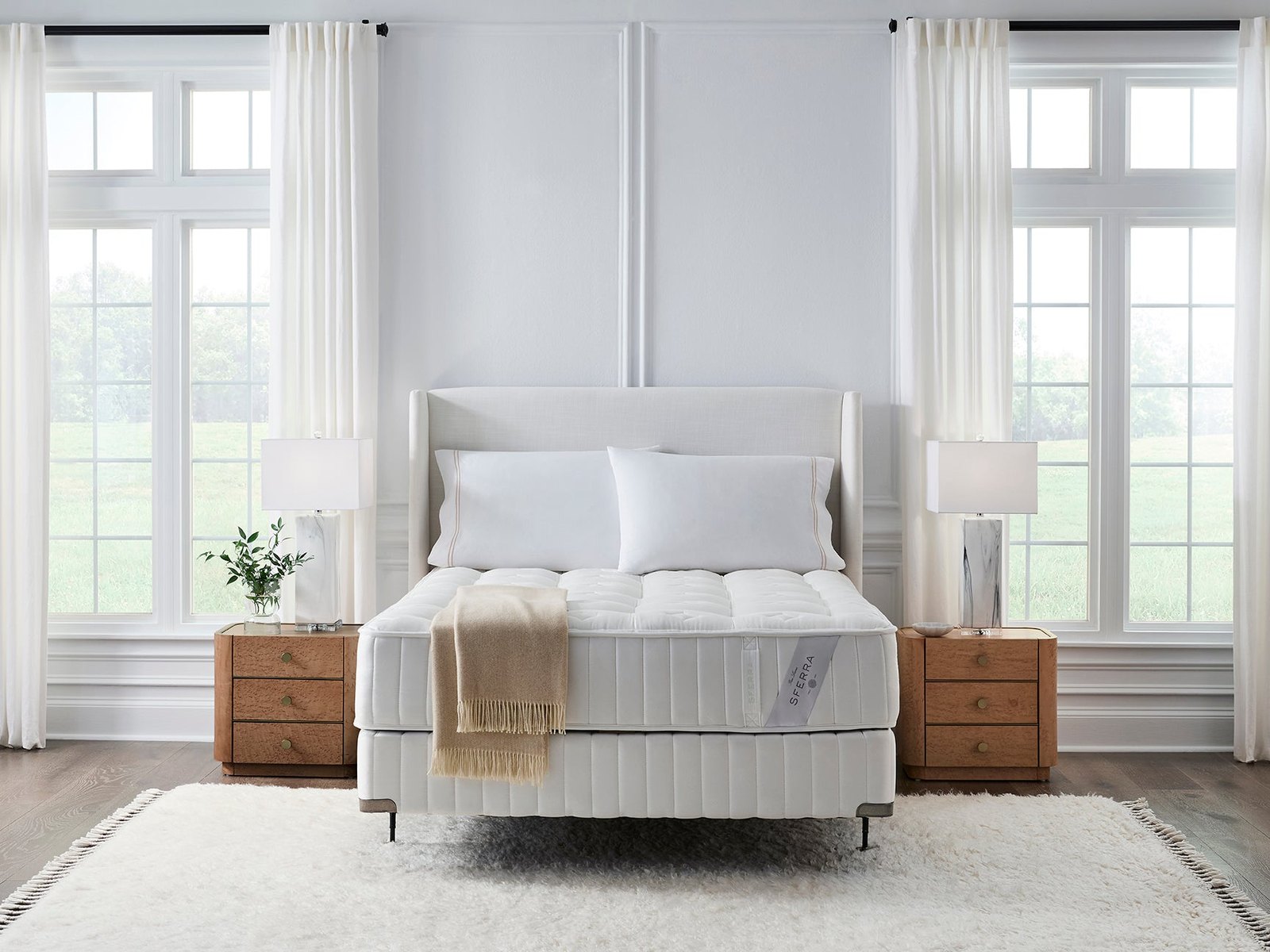
Ultra-luxury Italian craftsmanship meets American engineering
Firmness: 7/10
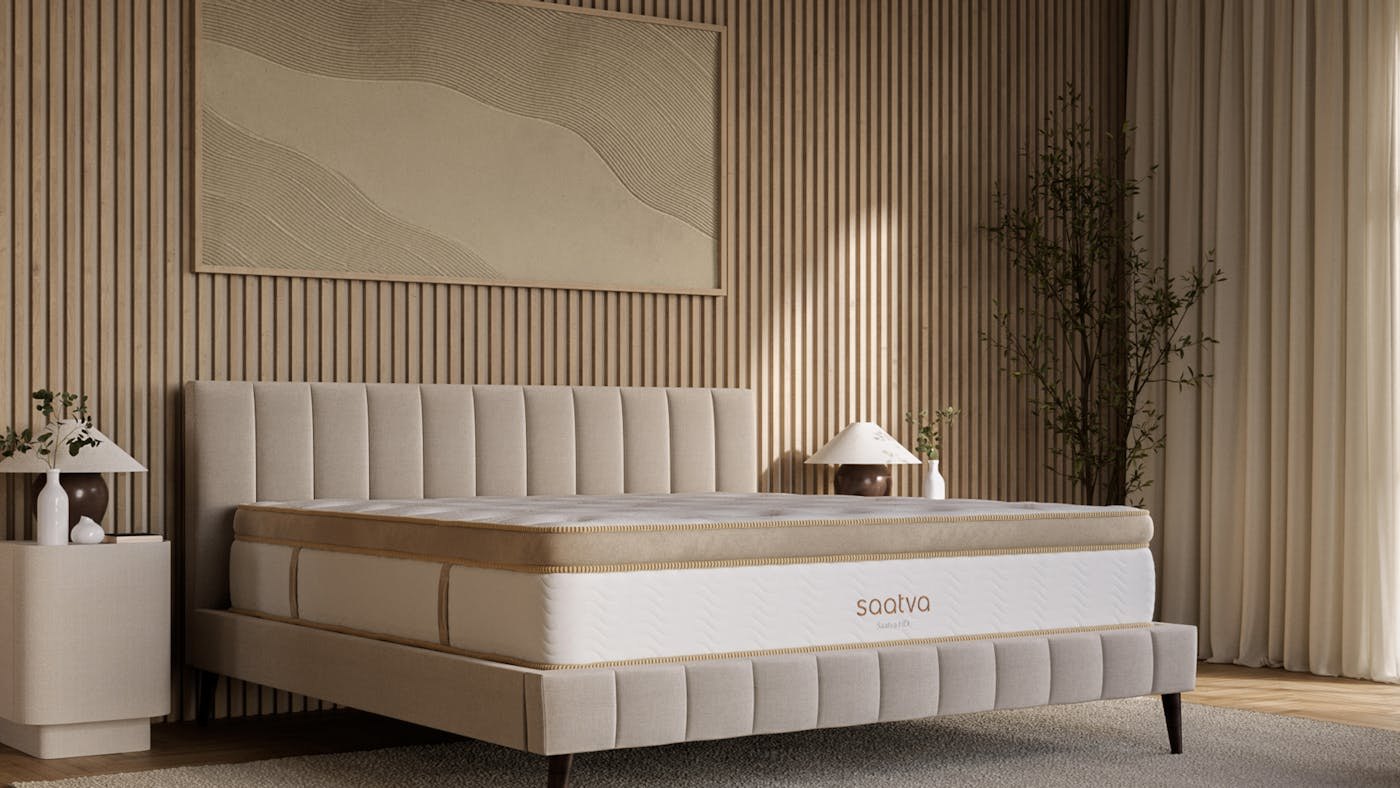
Firmness: 7.5/10
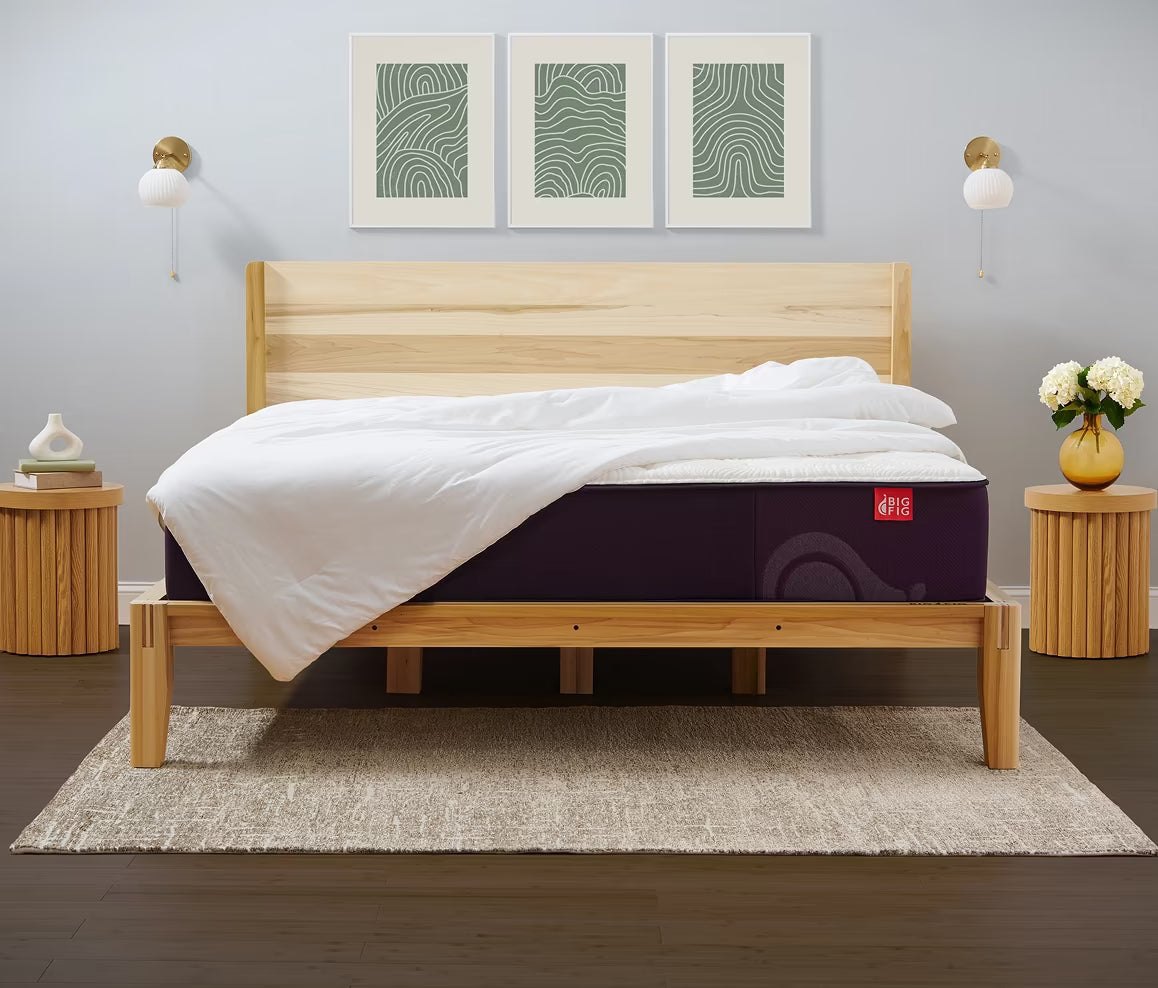
Firmness: 7/10
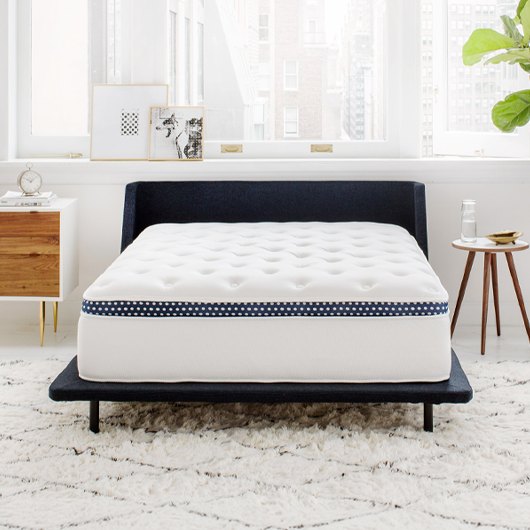
Firmness: 6.5/10
Firmness: 7/10
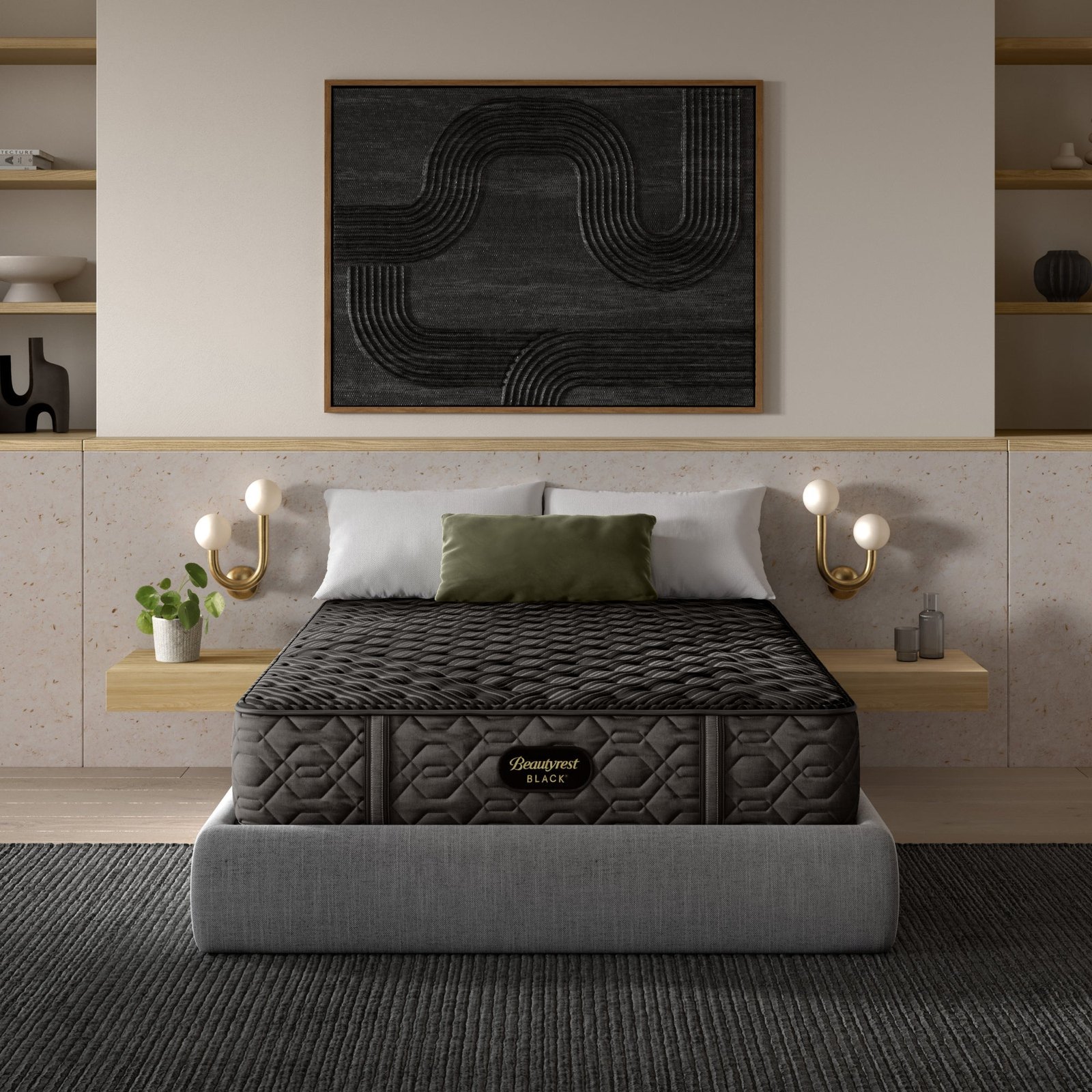
Firmness: 6.5/10

Firmness: 7/10
Spondylolisthesis is the forward (anterior) slip of one vertebra over the one below. Most cases are at L5–S1 (isthmic) or L4–L5 (degenerative). Pain comes from two mechanisms: mechanical instability of the slipped segment and nerve root compression as the slip narrows the foramen.
A poor mattress amplifies both mechanisms overnight:
Every spondylolisthesis tester in our trial improved further when their hybrid mattress was placed on an adjustable base set to a 30° knee elevation. That position flexes the lumbar spine and closes the slip — the same biomechanical principle behind William's flexion exercises. If your symptoms are moderate-to-severe, budget for the base too.
Watch for red flags.
Progressive leg weakness, foot drop, or any bowel or bladder change requires immediate imaging — not a new mattress. This guide is for sleep optimization alongside, not instead of, ongoing care from your spine specialist.
Firmness is on our 10-point scale measured with a 180 lb reference load. Spondylolisthesis punishes hip drop more than almost any other condition, so every row biases toward support over plushness.
| Your situation | Target firmness | Build | Position |
|---|---|---|---|
| Grade 1, side sleeper under 200 lb | 6.5 | Zoned hybrid, 2 in latex comfort layer | Loose fetal, pillow between knees |
| Grade 1, back sleeper | 7 | Latex-over-coil | Wedge under knees at 30° |
| Grade 2, any position | 7–7.5 | Firm hybrid, reinforced lumbar zone | Side lying; avoid flat back sleeping |
| Over 250 lb, any grade | 7.5 | 13 in+ hybrid, high-gauge coils | Side lying, firm knee pillow |
| Isthmic slip with leg pain | 7 | Hybrid on adjustable base | Knees elevated, torso 10–15° |
| Degenerative slip over age 60 | 6.5–7 | Latex hybrid, easy edge support | Side lying, high bed height for exit |
Once the mattress holds your pelvis neutral, pillow positioning decides whether the slip stays unloaded all night. See our tested picks and knee-elevation setups in the spondylolisthesis pillow guide, and consider an adjustable base for zero-gravity knee elevation without the wedge.
Medium-firm hybrids (6.5–7.5/10) with strong zoned lumbar support are best for spondylolisthesis. The vertebral slip means the spine cannot tolerate either sag or extension — a stable, well-supported neutral position is the goal. Avoid plush all-foam beds that allow hip drop.
Side sleeping with a pillow between the knees is generally best. It places the lumbar spine in slight flexion, which closes the slip and reduces nerve irritation. Back sleeping is acceptable with a pillow under the knees. Stomach sleeping should be avoided — it forces extension.
Counterintuitively, no. A too-firm mattress prevents the natural lumbar curve and creates pressure points that disrupt sleep. The sweet spot is a medium-firm hybrid with a zoned support core that is firmer beneath L4–S1 and slightly more cushioned at the shoulders.
Yes, often dramatically. Elevating the knees flexes the lumbar spine, reducing the shear forces across the slipped vertebra. Many of our spondylolisthesis testers reported their best sleep on an adjustable base set to 'zero gravity' position with one of the hybrid mattresses on this list.
A herniated disc involves disc material pressing on nerves, while spondylolisthesis is forward slippage of one vertebra over another. Both worsen with extension, so mattress recommendations overlap, but spondylolisthesis additionally needs structural stability the mattress can't compensate for through sinkage.
Grade 1 slips do well at 6.5–7/10 with zoned lumbar support — enough give for pressure relief without allowing hip drop. Grade 2 slips generally need 7–7.5/10 because any pelvic tilt increases shear across the slipped segment. Above grade 2, mattress choice is secondary to medical management; use a firm, stable hybrid and an adjustable base for knee elevation.
It can worsen symptoms, not the slip itself. A sagging or plush mattress drops the pelvis and tips the lumbar spine into extension, which increases nerve irritation and morning stiffness. In our testing, volunteers on surfaces under 5.5/10 firmness reported the highest morning pain scores and the most nighttime wakeups.
Plush memory foam is a poor match because the hips keep settling deeper through the night. High-density zoned memory foam at 7/10 can work, but a pocketed-coil hybrid is the safer choice — the coils resist hip drop for the full night rather than slowly conforming to it.
Side lying in a loose fetal curl with a firm pillow between the knees is the most reliable. Back sleeping with a wedge under the knees at roughly 30 degrees is a good second option. Stomach sleeping is the one position to eliminate — it drives lumbar extension and increases forward shear on the slipped vertebra.
Only to soften an overly firm bed. A 2-inch medium latex topper reduces shoulder and hip pressure while keeping alignment. Avoid thick plush foam toppers — they undo the firm support that keeps the pelvis neutral, which is the whole point of the mattress choice.
Plan on replacing at the first sign of a body impression deeper than about three-quarters of an inch, usually 6–8 years for a quality hybrid. Support loss that a healthy sleeper would not notice is enough to restart symptoms with a slipped vertebra, so measure the dip annually with a straightedge and a tape measure.
If you're researching spondylolisthesis, these related guides often help too.
Lancet-backed medium-firm picks
Read guideSlight flexion to open the canal
Read guideNeutral spine, low compression
Read guideMedium-firm support for general back pain
Read guideAdaptive contouring for curved spines
Read guideCushioning for worn discs
Read guide