#1
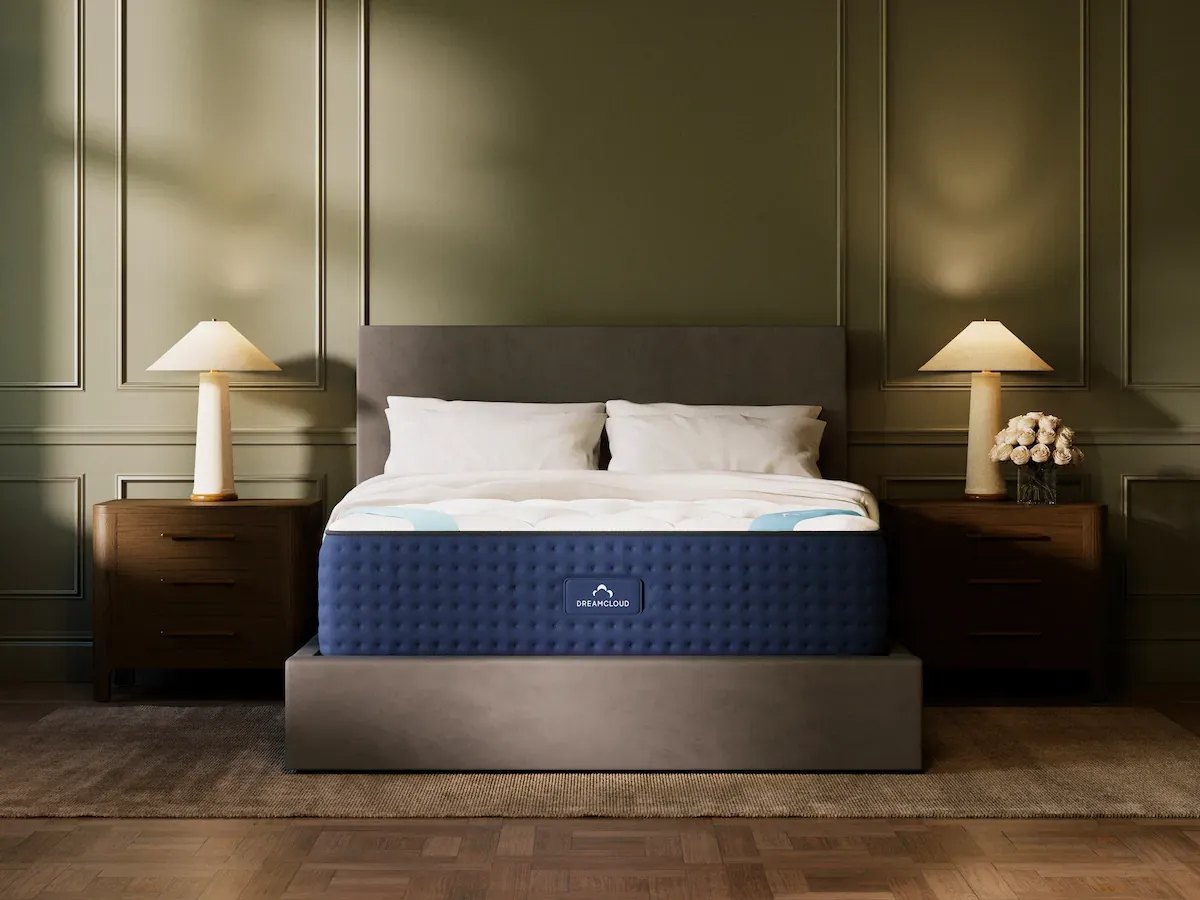
9.6/10
Firmness: 6.5/10
9.7
Support
9.5
Pressure Relief
9.2
Cooling
$899$1499
The right mattress is one of the most under-prescribed treatments for chronic lumbar pain. We tested 47 mattresses against the Lancet's medium-firm benchmark to find the 8 that actually let lower-back-pain sufferers wake up with less pain than they went to bed with.
Lumbar-specific picks only. For upper-back, mid-back, or general spinal pain, see our broader best mattresses for back pain guide.
Lancet-backed range that outperforms firm for chronic lumbar pain
Evidence-basedFirmer support beneath L4–S1 keeps spine neutral
Reduces nerve stressPlush comfort cradles hips so the pelvis doesn't tilt
Holds alignment all nightRanked by support and pressure-relief composite from our spinal alignment measurements.
Firmness: 6.5/10
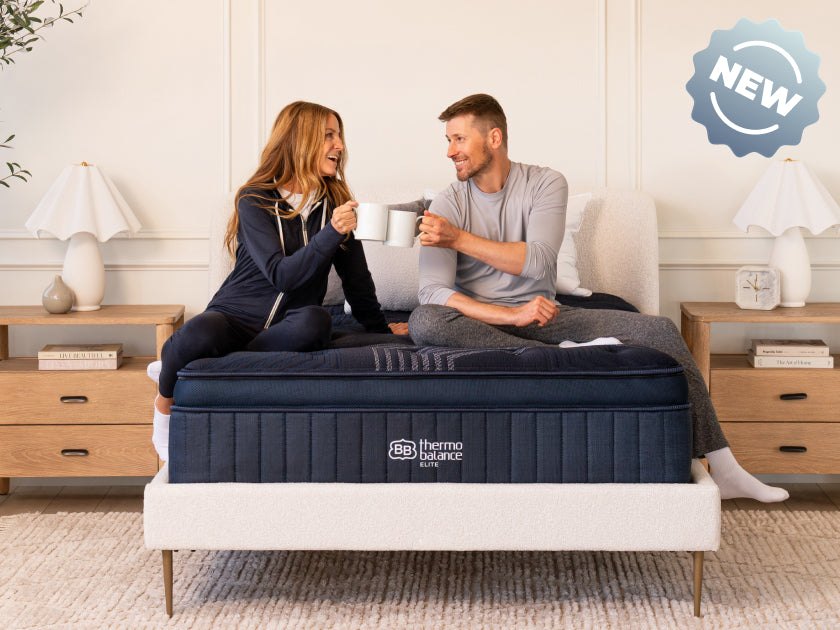
Firmness: 6/10
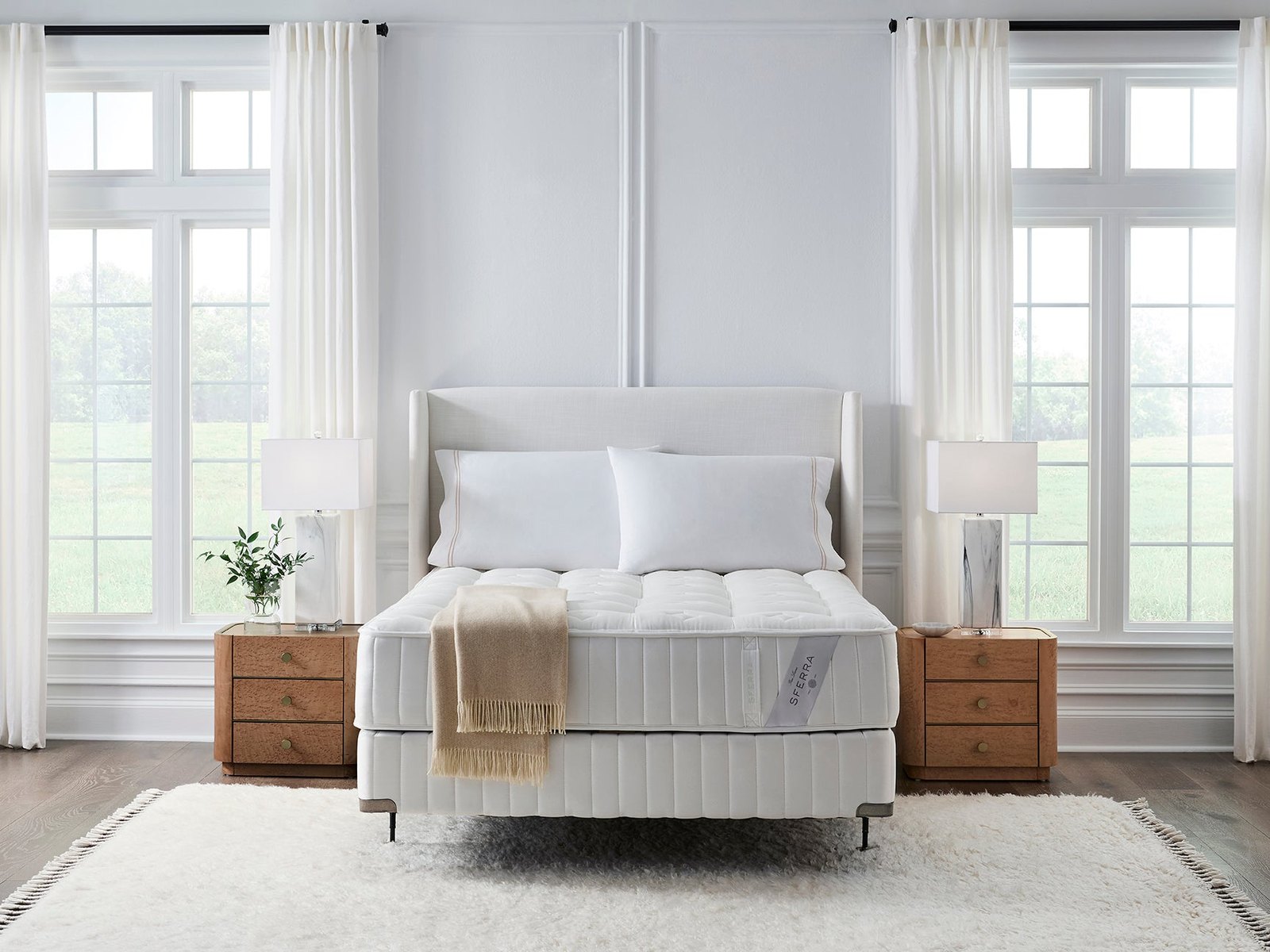
Ultra-luxury Italian craftsmanship meets American engineering
Firmness: 7/10
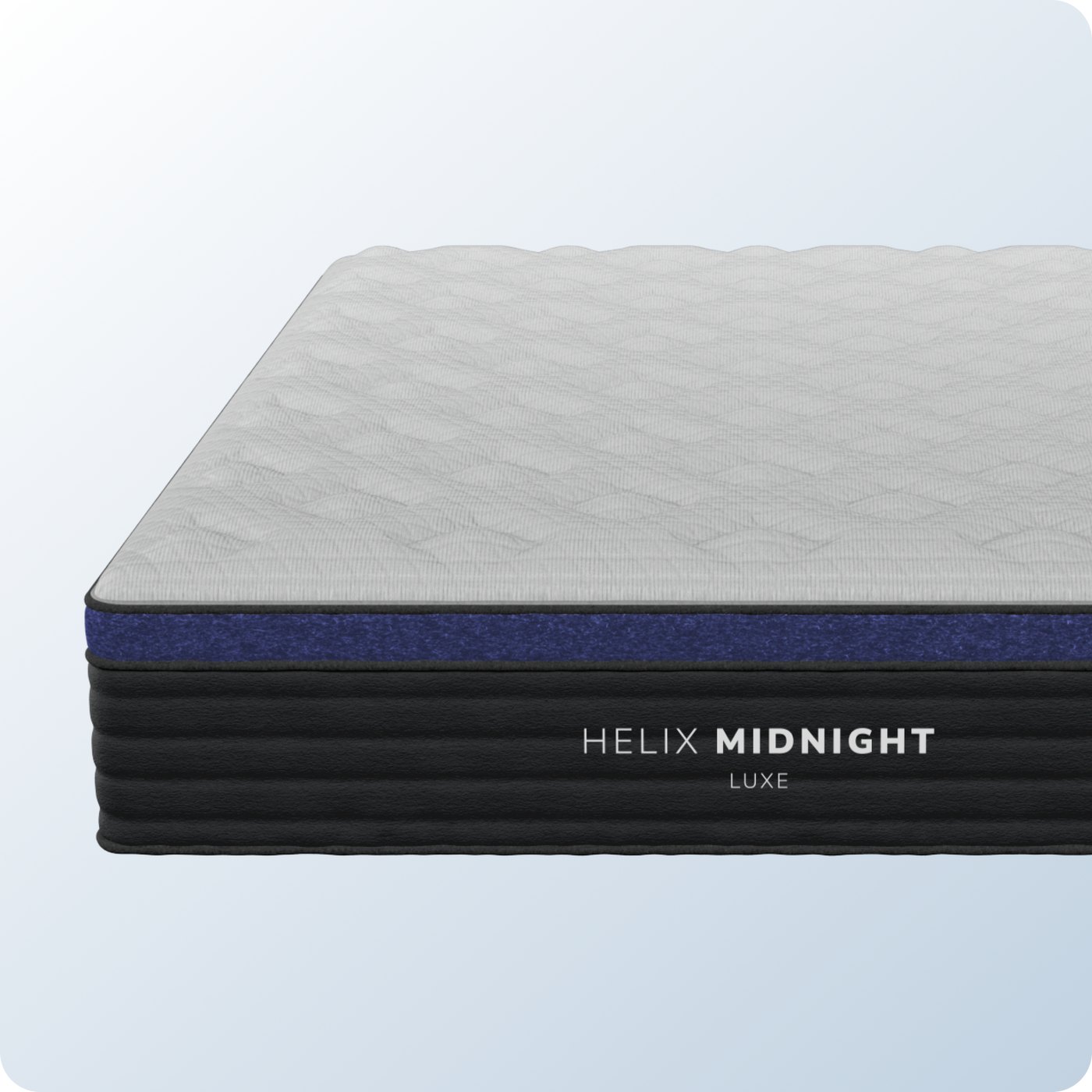
Firmness: 5.5/10
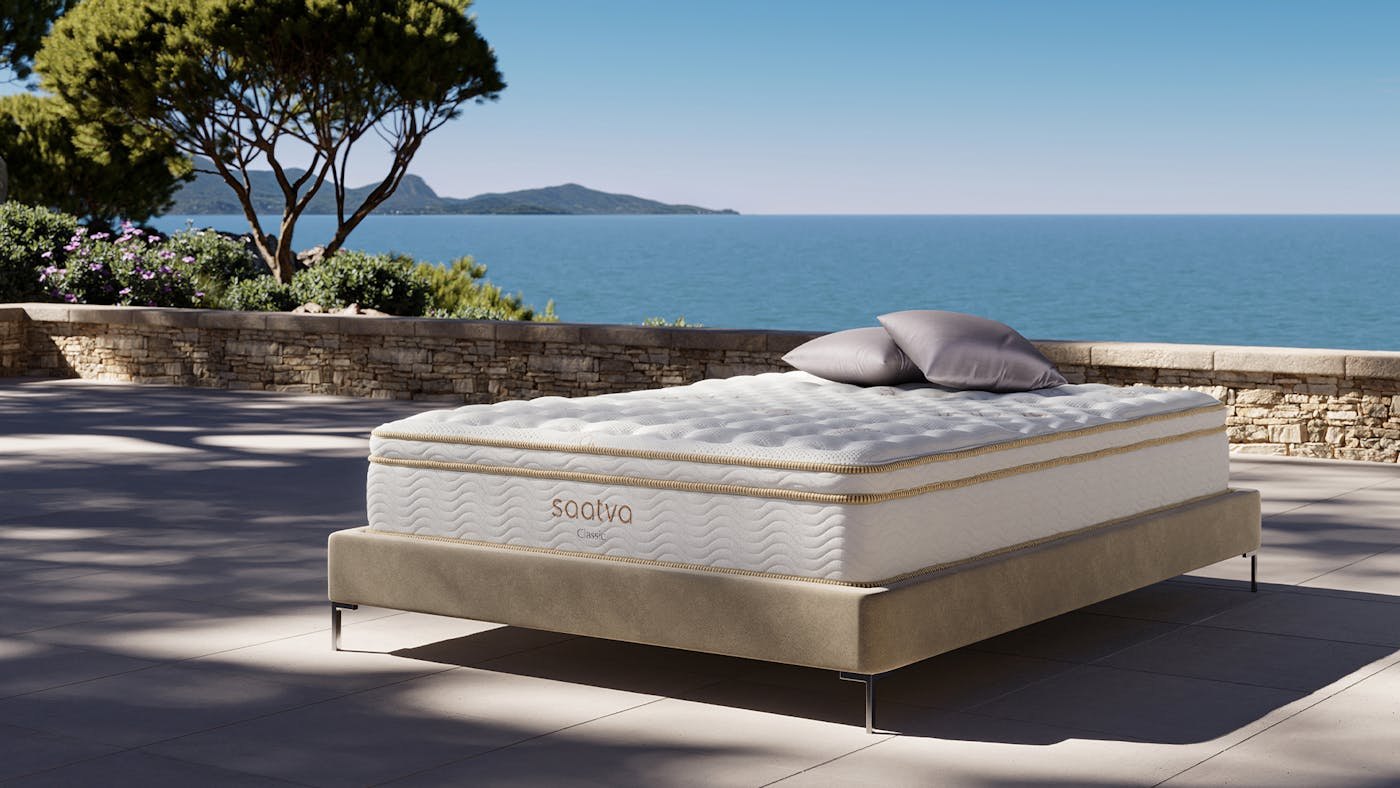
Firmness: 6/10
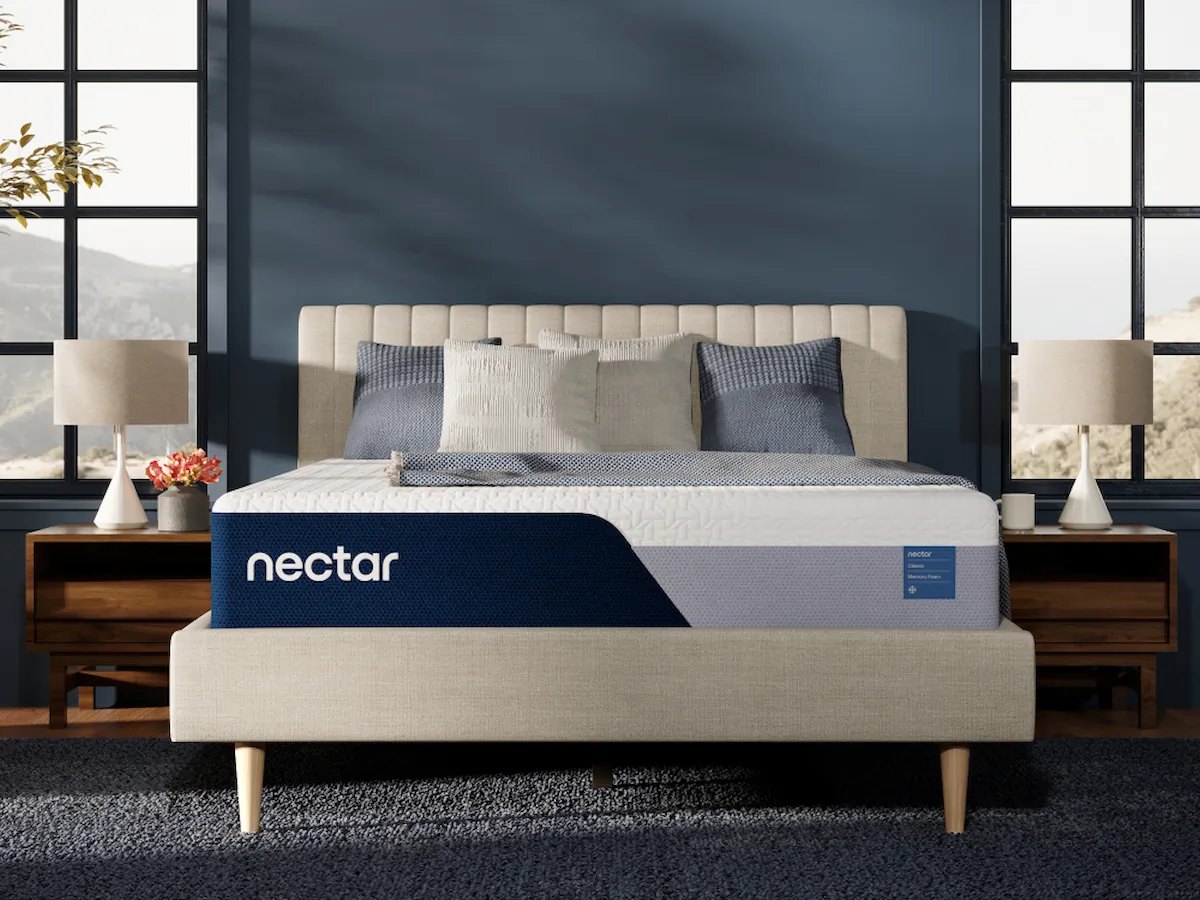
Firmness: 6/10
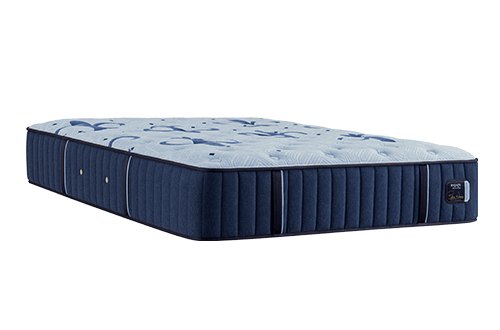
Firmness: 6/10
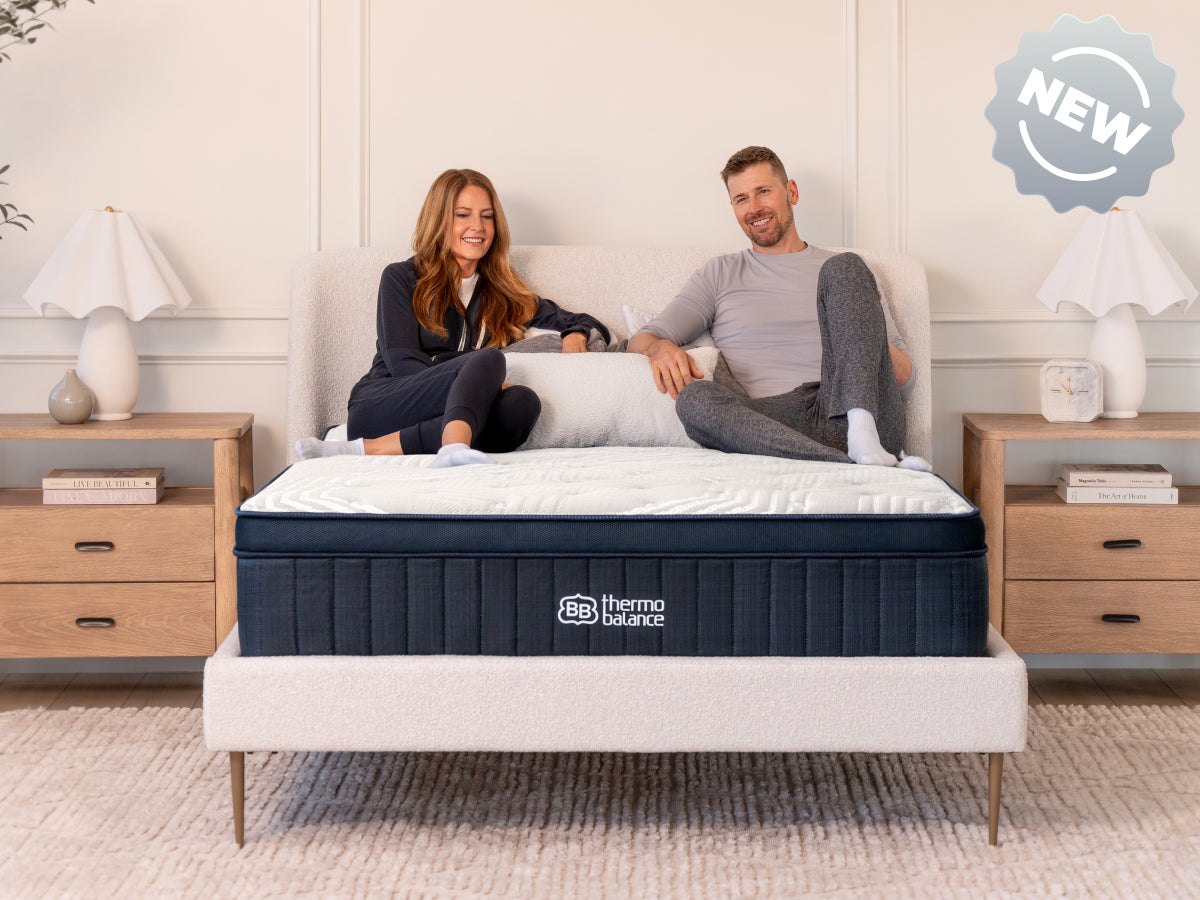
Firmness: 6/10
In 2003, Kovacs et al. published a landmark trial in The Lancet randomizing 313 chronic lower-back-pain patients to firm or medium-firm mattresses for 90 days. The medium-firm group had significantly less pain in bed, less pain on rising, and less daytime disability. That study has shaped sleep medicine recommendations ever since.
Mechanistically, a mattress contributes to lower back pain in three measurable ways:
We measure spinal alignment with laser-leveled imaging at three body weights and two sleep positions. Mattresses earning a spot here keep lumbar deviation under 0.5 cm from neutral while maintaining hip pressure under 32 mmHg.
When to see a doctor.
Lower back pain with leg weakness, numbness, fever, unexplained weight loss, or bowel/bladder symptoms warrants medical evaluation. A new mattress is sleep optimization, not diagnosis.
The best mattresses for lower back pain are medium-firm hybrids (6–7/10) with zoned lumbar support and a contouring comfort layer. The Lancet's landmark 2003 study found medium-firm reduced disability scores more than firm mattresses for chronic low back pain.
No — this is a common myth. The 2003 Lancet trial of 313 chronic back pain patients found medium-firm outperformed firm on every disability measure. Firmness alone doesn't equal support; what matters is whether the mattress keeps the lumbar spine neutral.
Most testers report noticeable improvement within 2 weeks and peak benefit around 30 days. Your back muscles need time to relax their guarded posture and relearn proper alignment during sleep. Trial periods of 100+ nights let you reach this point comfortably.
Side sleeping with a pillow between the knees is best for most lumbar pain sufferers. Back sleeping with a pillow under the knees is a close second. Avoid stomach sleeping — it hyperextends the lumbar spine and amplifies most lower back conditions.
If your mattress is over 7 years old, sags more than 1 inch, or your back pain is worse on waking than at bedtime, it's time. Many lower-back-pain patients are sleeping on a worn-out mattress that's silently driving most of their morning stiffness.
If you're researching lower back pain, these related guides often help too.
Medium-firm support for general back pain
Read guidePressure relief for nerve root pain
Read guideNeutral spine, low compression
Read guideSlight flexion to open the canal
Read guideAdaptive contouring for curved spines
Read guideStability without lumbar extension
Read guideKeep exploring
Frequently Asked
Sleep Sage cites primary sources for all clinical claims. Lab measurements (firmness, pressure, temperature, motion transfer) originate from our internal protocol described at /how-we-test.
Before you buy, read the brand: construction, pricing bands, trial and warranty terms, and how each company's lineup performed in our Encinitas lab.
Hand-picked guides and reviews from our editorial team.
Firm picks that protect the lumbar spine.
Medium-firm hybrids tested for spinal alignment.
Picks tested for nerve-pain relief.
Spine-supportive picks tested by a DPT.
Picks that decompress the spine.
Adaptive support for spinal curvature.