#1
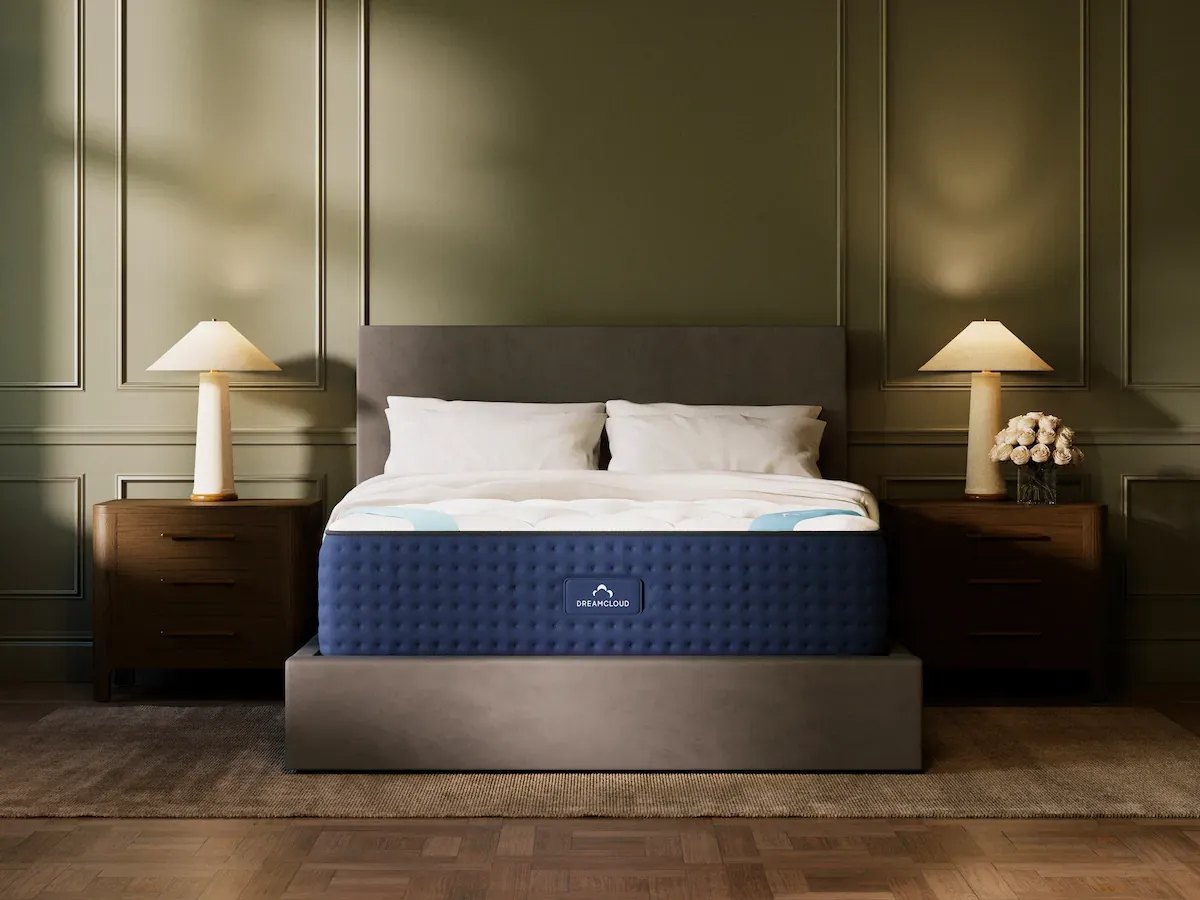
9.6/10
Firmness: 6.5/10
9.7
Support
9.5
Contouring
9.2
Cooling
$899$1499
An asymmetric spine needs a mattress that adapts symmetrically. We tested 47 mattresses with scoliosis sufferers managing curves from 15° to 45° to find the 8 that stop the compensatory muscle overuse driving most scoliosis pain.
Comfort layer fills the lateral curve gap on both sides
Even support across curveReinforced lumbar zone prevents apex sink
Reduces rotational stressPlush surface eases overworked compensatory muscles
Less morning stiffnessRanked by combined support and contouring performance from our lab measurements.
Firmness: 6.5/10
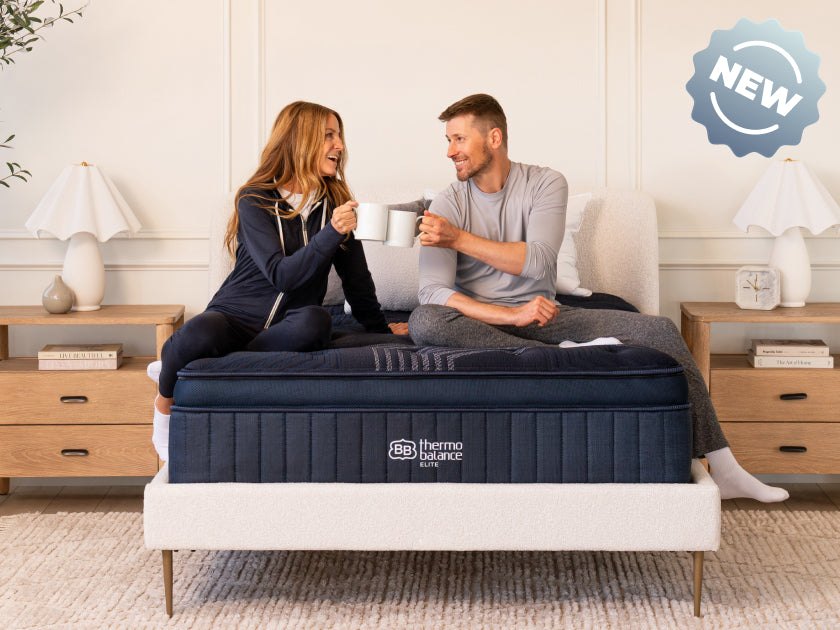
Firmness: 6/10
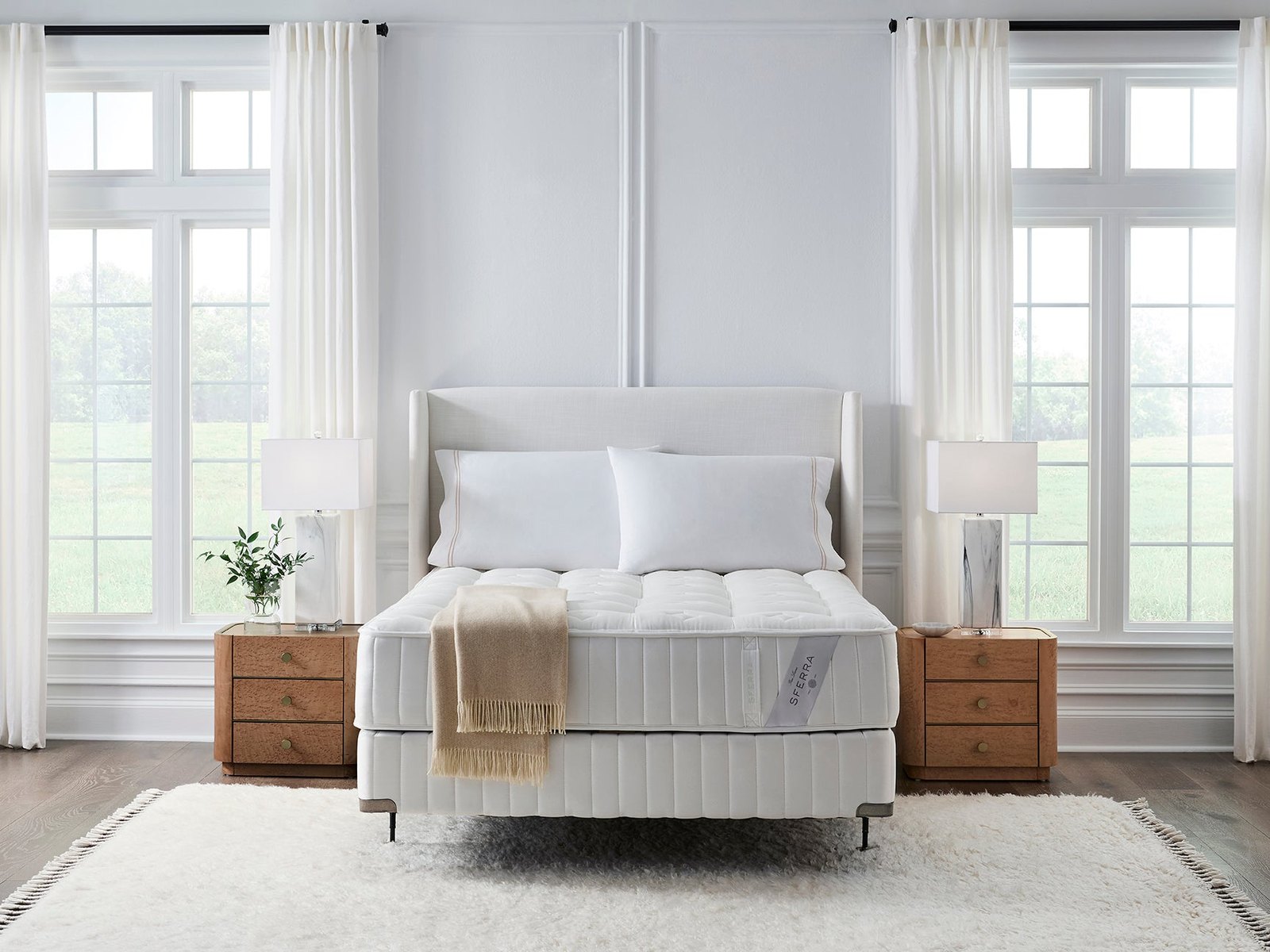
Ultra-luxury Italian craftsmanship meets American engineering
Firmness: 7/10
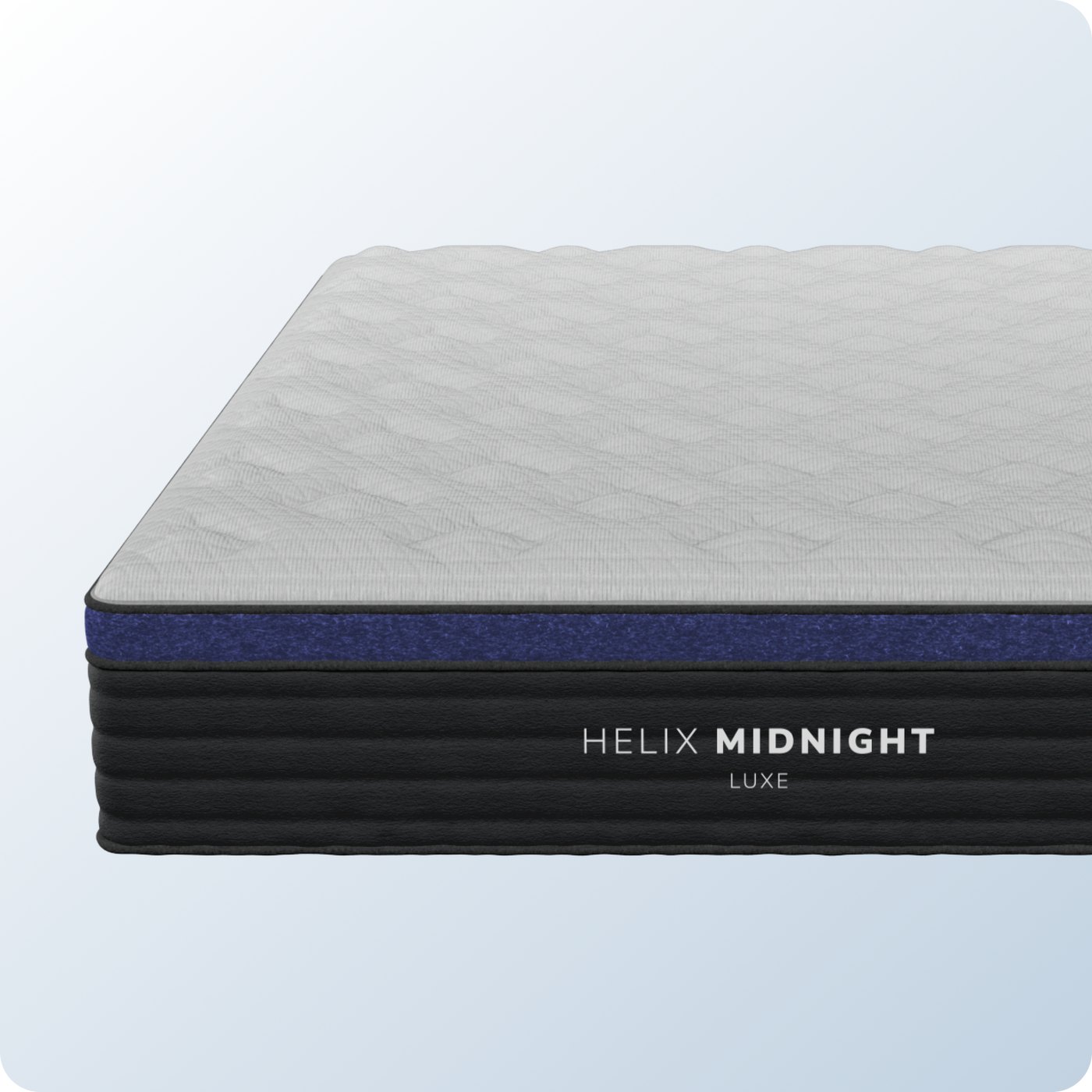
Firmness: 5.5/10
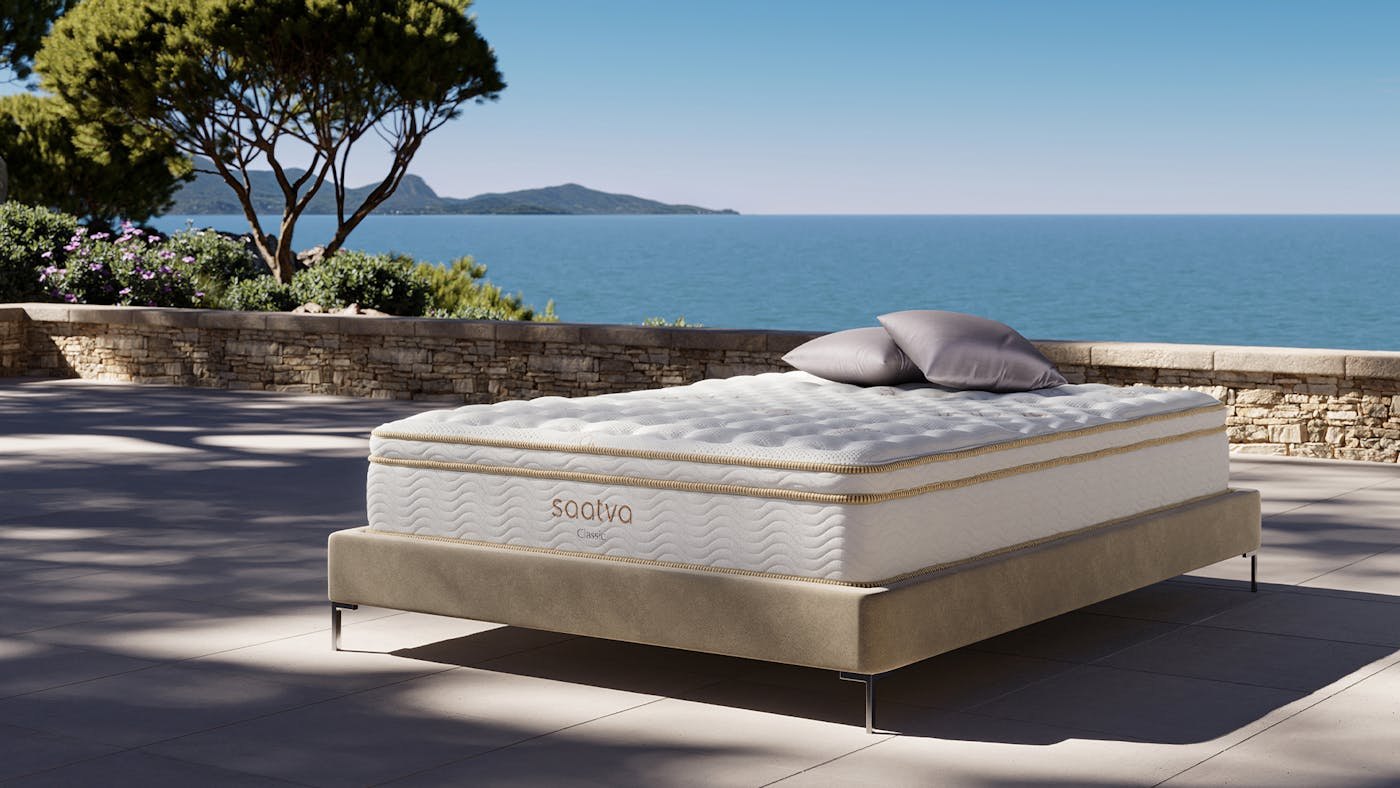
Firmness: 6/10
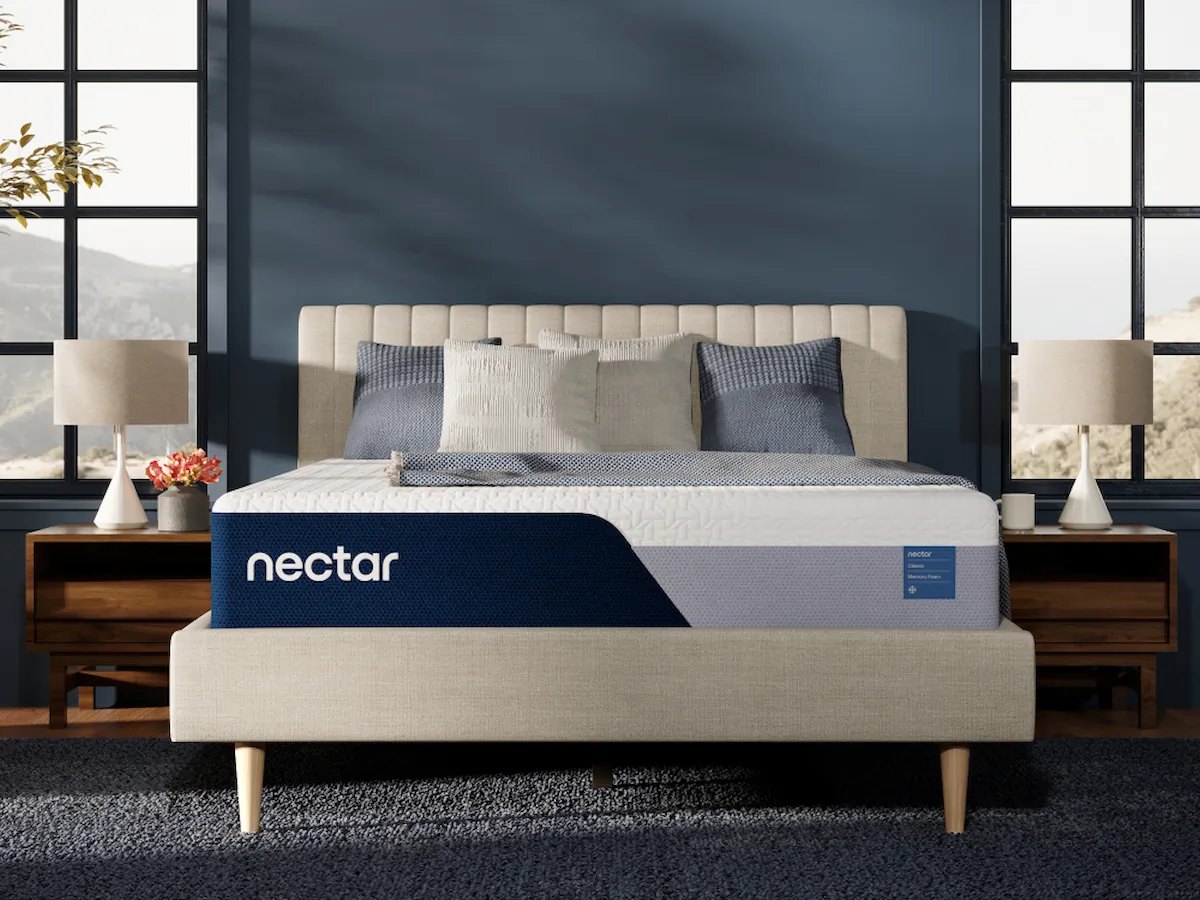
Firmness: 6/10
Firmness: 6/10
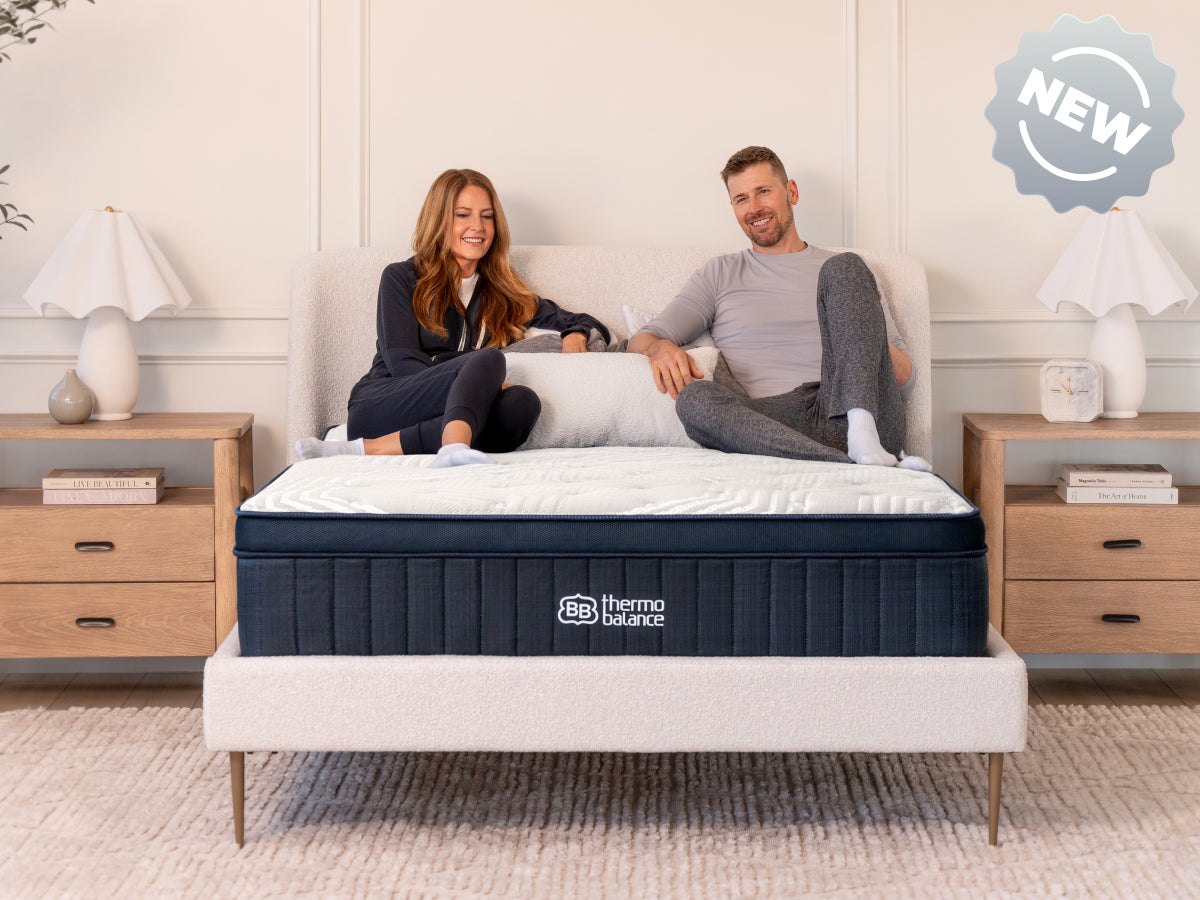
Firmness: 6/10
Scoliosis is a three-dimensional spinal deformity — lateral curvature plus vertebral rotation. Most adult pain comes not from the curve itself but from the muscle imbalance it creates. The convex side stretches; the concave side shortens. Sleep on the wrong surface and those muscles fight gravity for 8 hours, guaranteeing a stiff, painful morning.
The right mattress reduces overnight muscular work by:
For most adults with scoliosis, back sleeping with a knee pillow distributes load most symmetrically. If you side sleep, lie on the convex side of your largest curve (the side that bulges out) and use a thick pillow to fill the waist gap. This lets gravity gently decompress rather than worsen the curve.
A mattress doesn't correct curves.
Adolescent and progressive adult scoliosis needs ongoing orthopedic care. This guide optimizes sleep comfort — it's not a substitute for bracing, PT, or surgical evaluation when indicated.
The best mattresses for scoliosis are medium-firm hybrids (6–7/10) with strong zoned support and a contouring comfort layer. They support the asymmetric spinal curve evenly so muscles on one side don't overcompensate while the other side stays unsupported.
Medium-firm works best for most scoliosis patients. Too firm doesn't accommodate the lateral curvature, leaving gaps that force compensatory muscle tension. Too soft lets the apex of the curve sink and worsens rotational malalignment.
Back sleeping with a pillow under the knees is best for most scoliosis sufferers — it lets the spine settle into its natural curve without lateral pressure. Side sleeping is acceptable on the convex side of your curve, with a thick pillow to fill the waist gap. Avoid stomach sleeping, which worsens rotational deformity.
Yes — most of our scoliosis testers reported a 25–35% drop in morning back stiffness within 2–3 weeks. A mattress can't correct the curve, but it can stop the muscular overuse that drives most scoliosis-related pain.
It can be, especially for patients with thoracolumbar curves who get relief from elevation. Slight head and knee elevation reduces gravitational load on the curve and eases muscle fatigue. Pair with a flexible hybrid that bends without losing support.
If you're researching scoliosis, these related guides often help too.
Medium-firm support for general back pain
Read guideLancet-backed medium-firm picks
Read guideSlight flexion to open the canal
Read guideStability without lumbar extension
Read guidePressure relief at the trochanter
Read guideWhole-body pressure relief
Read guideKeep exploring
Frequently Asked
Before you buy, read the brand: construction, pricing bands, trial and warranty terms, and how each company's lineup performed in our Encinitas lab.