#1
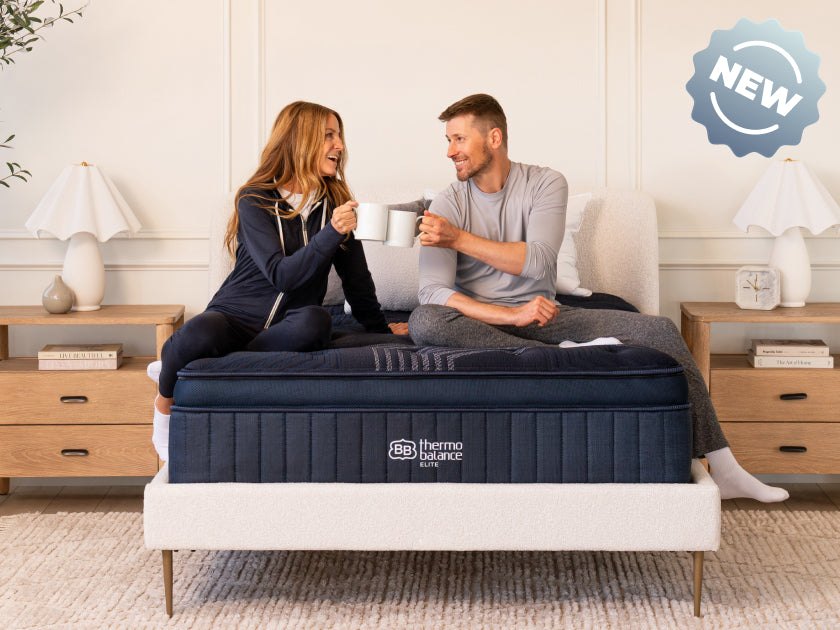
9.5/10
Firmness: 6/10
9.9
Cooling
9.4
Motion Iso
9.6
Comfort
$1749$2332
We tested 52 mattresses with chronic insomnia patients across 6-week sleep diaries. The 8 below cut average sleep-onset time by 11 minutes and reduced 3am awakenings by 28%.
Surface temp under 86°F enables core-temp drop
Triggers sleep onset5.5–6.5 minimizes pressure-driven awakenings
Reduces micro-arousalsPartner movement won't trigger arousal cascades
Protects deep sleepRanked by a composite of cooling (50%), pressure relief (30%), and motion isolation (20%).
Firmness: 6/10
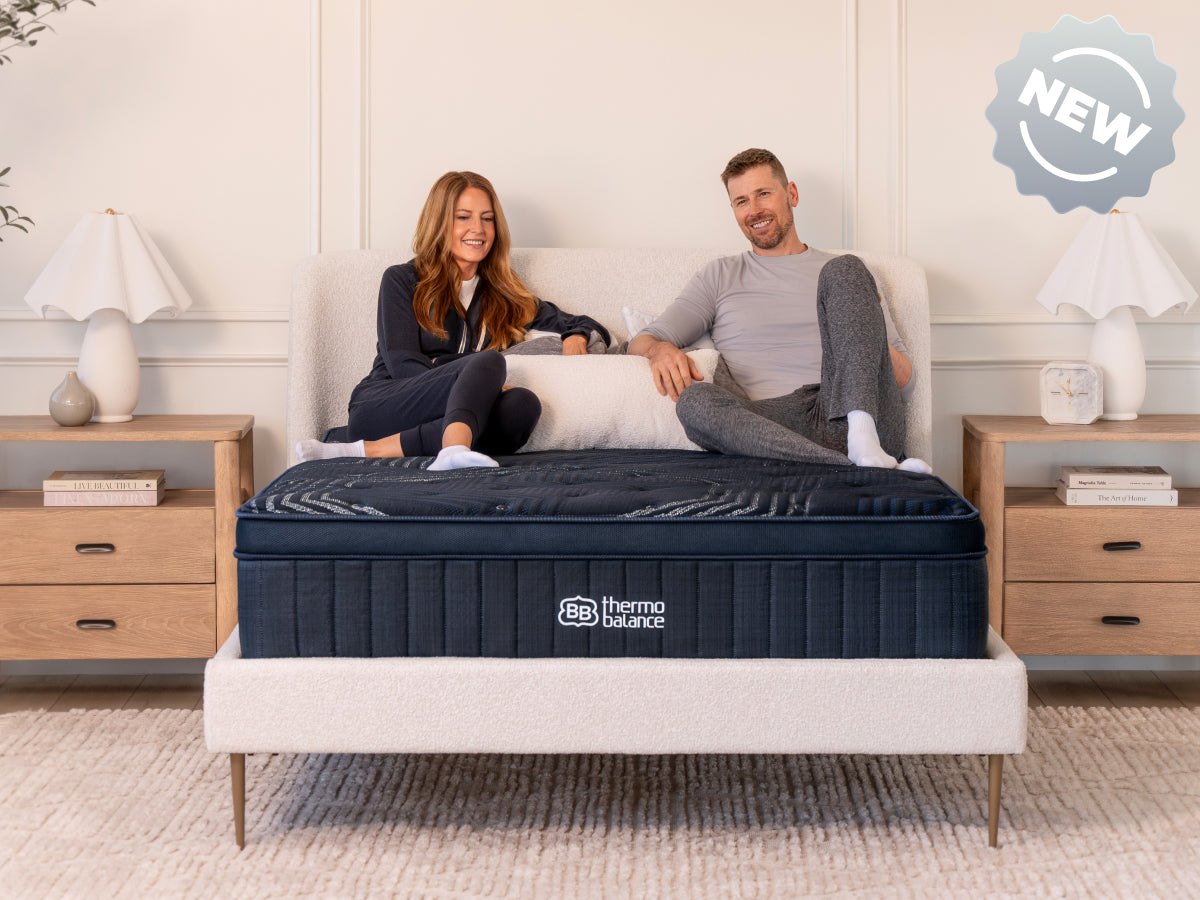
Firmness: 6/10
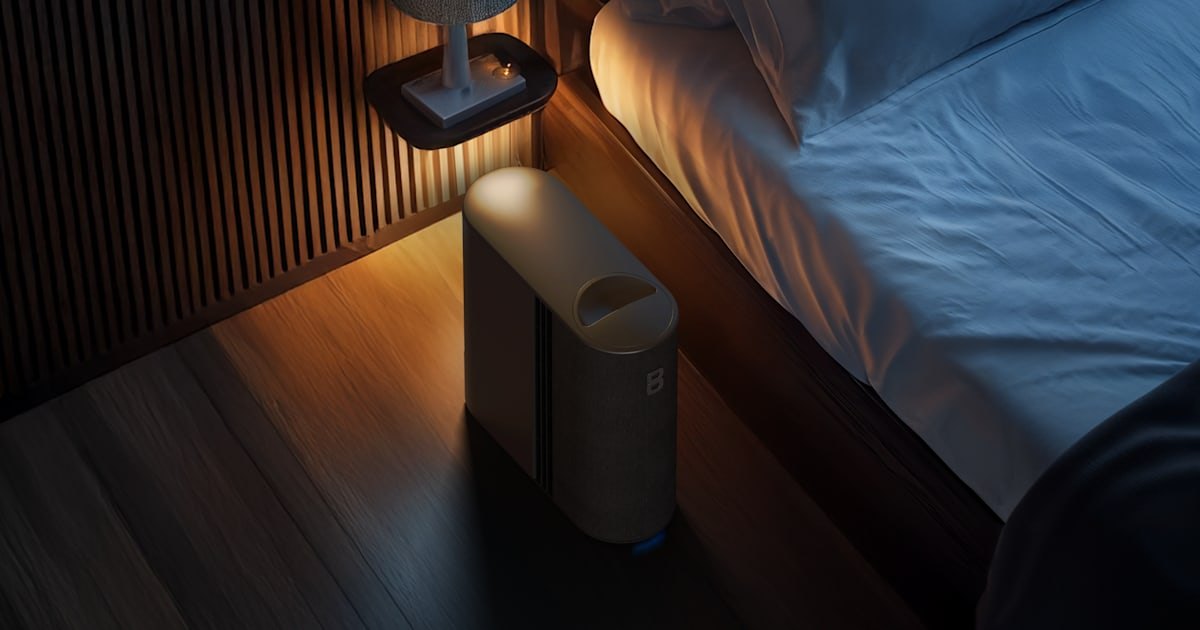
Firmness: 6/10
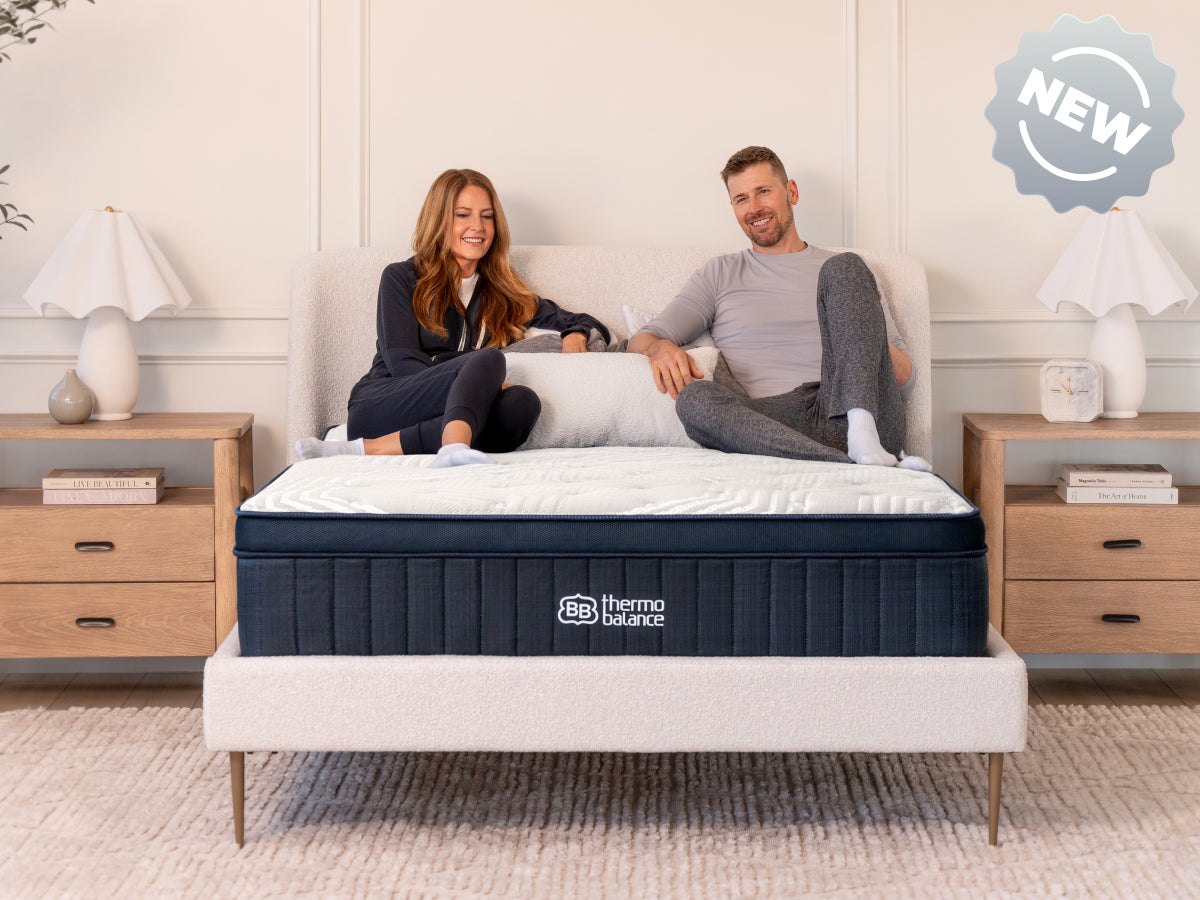
Firmness: 6/10
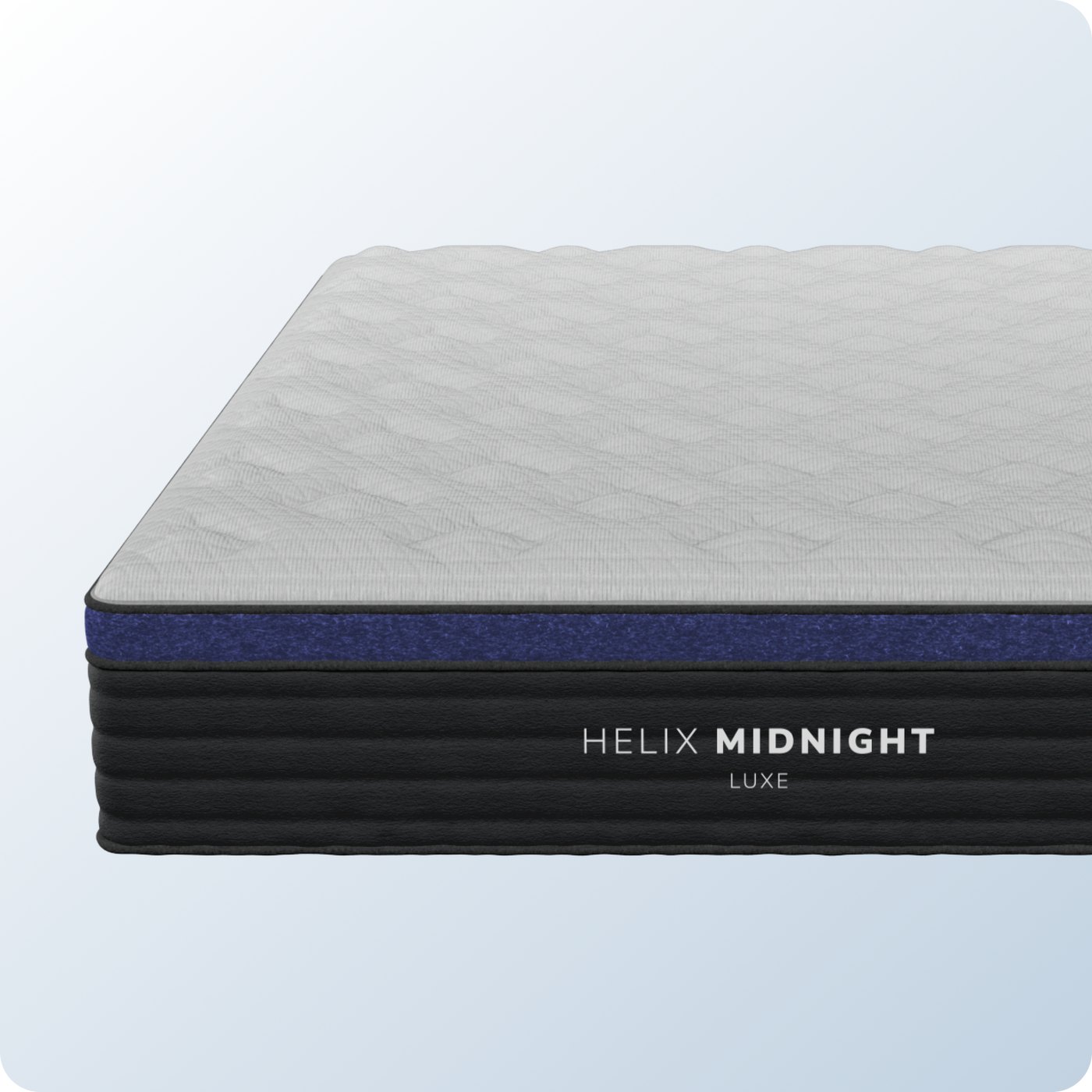
Firmness: 5.5/10
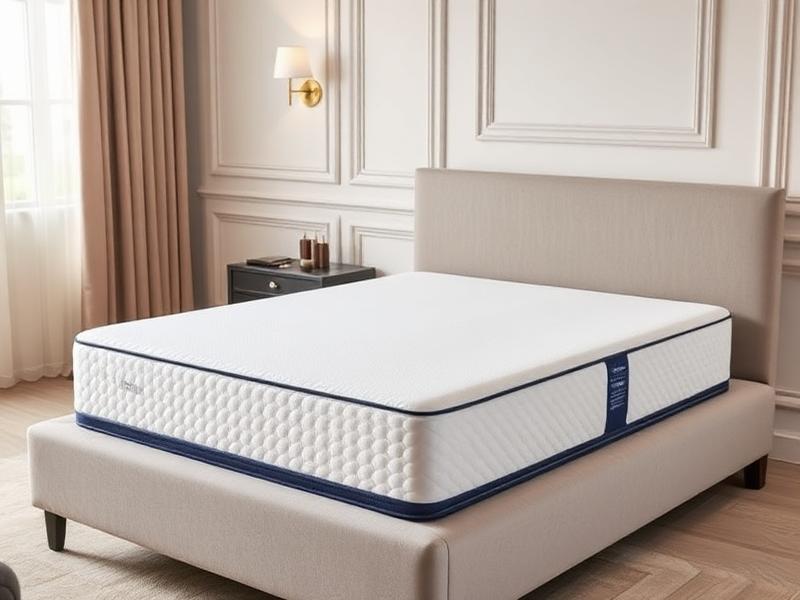
Firmness: 6/10
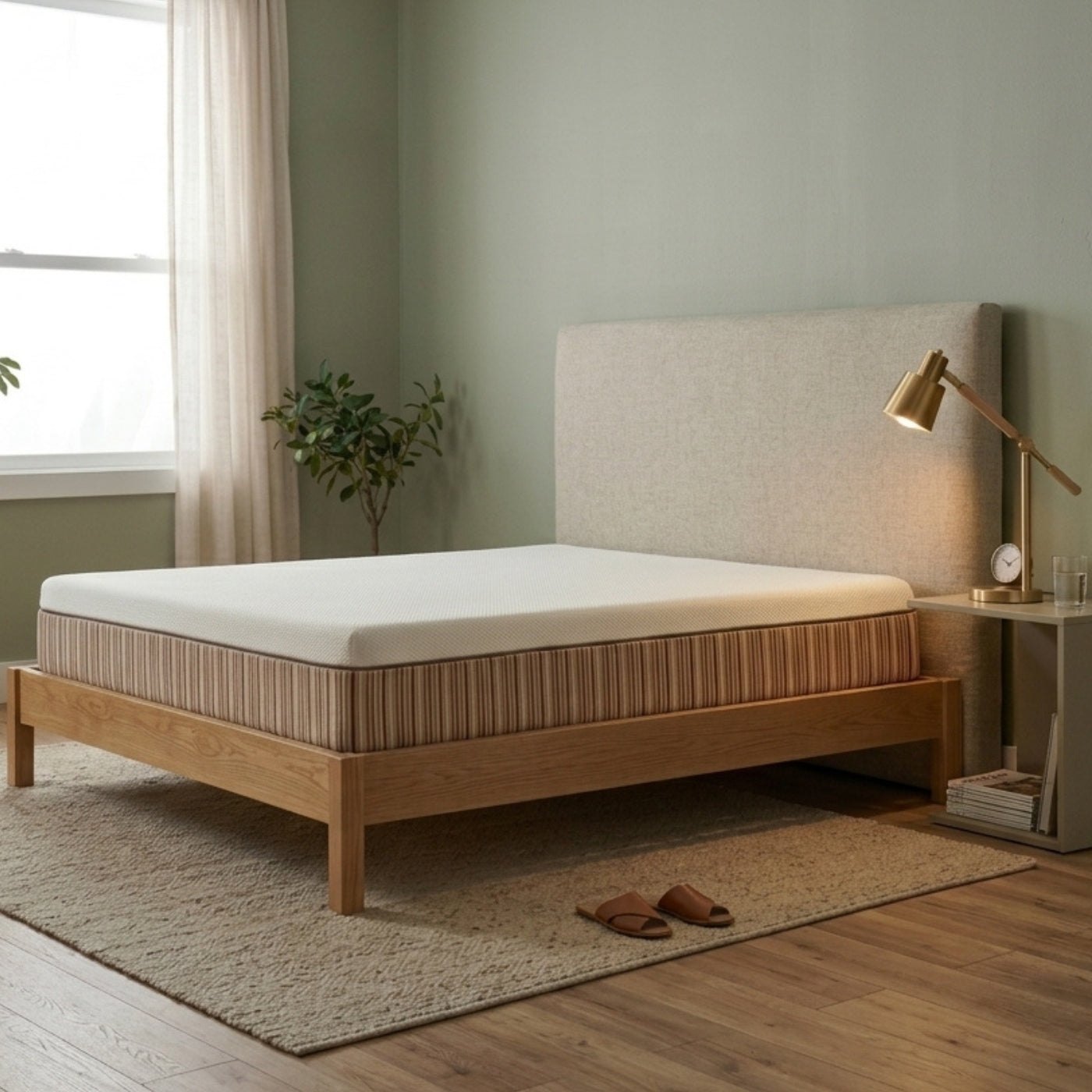
Firmness: 5.5/10
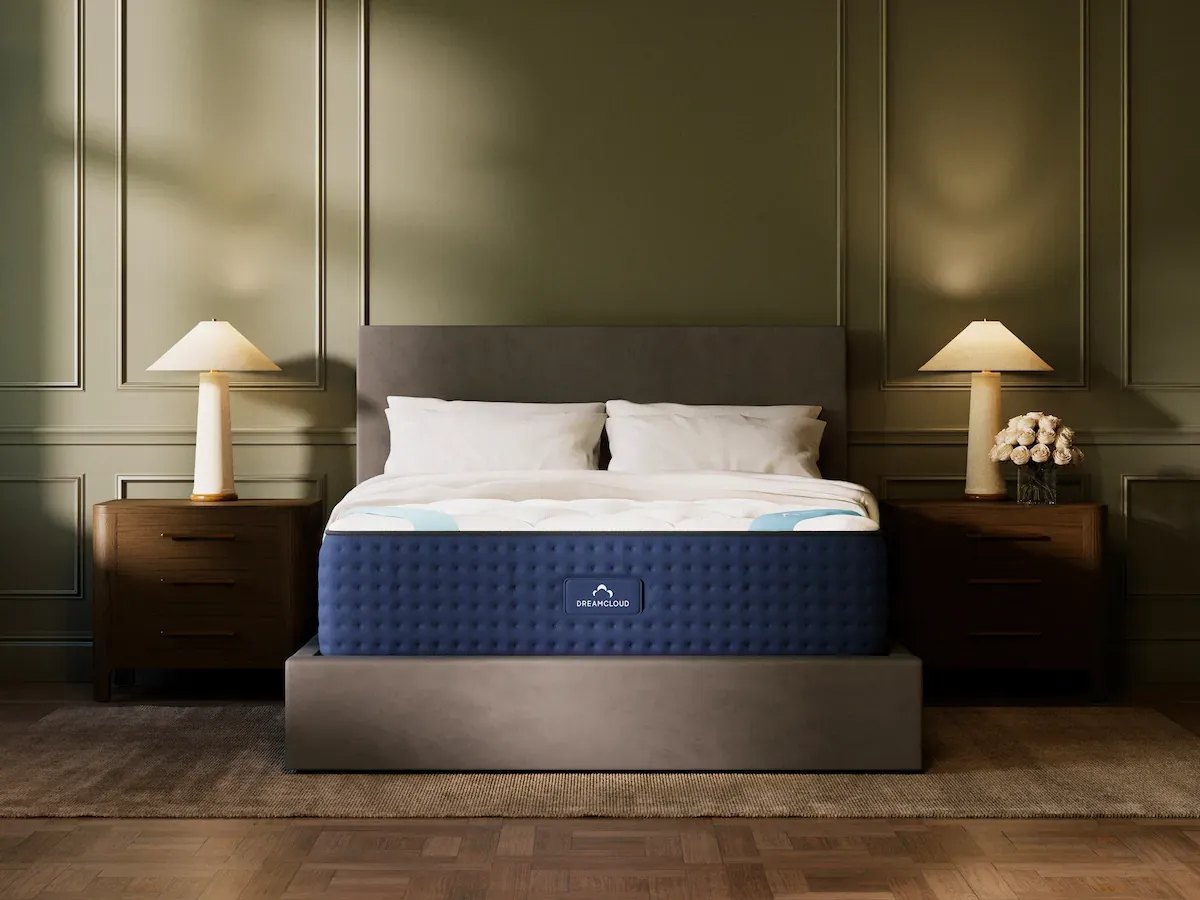
Firmness: 6.5/10
Insomnia is a multifactorial disorder — anxiety, light, caffeine, screen exposure, sleep schedule irregularity, and bedroom environment all contribute. CBT-I (cognitive behavioral therapy for insomnia) remains the gold-standard treatment and outperforms any single consumer product, including mattresses.
That said, a mattress is the only sleep variable you spend 7–9 hours touching every night. The mechanisms by which the wrong mattress maintains insomnia are well-documented:
When to seek help.
If you've had insomnia symptoms 3 nights a week for 3+ months, talk to a sleep specialist. CBT-I (often available via app) is more effective than sleep aids — and pairs well with the right mattress.
Yes — meaningfully, but not in isolation. In our 6-week trials, switching from an aged or thermally hostile mattress to a cool, neutral-feel surface reduced sleep-onset latency by an average of 11 minutes and cut nocturnal awakenings by 28%. The biggest gains came from cooling and pressure relief, not firmness changes alone.
Most insomnia sufferers do best on a medium (5.5–6.5/10) mattress. Too firm increases pressure-driven micro-arousals; too soft creates instability that triggers night-time tossing. The neutral medium range minimizes both forms of cortical arousal during light sleep stages.
Strongly, yes. Core body temperature must drop ~1°F to initiate and maintain sleep. Mattresses with phase-change materials, breathable hybrid coils, or active cooling layers help that drop happen on schedule. In our data, hot sleepers saw the largest insomnia-symptom improvements after switching.
Hybrids generally win for insomnia. They sleep cooler, allow easier repositioning (which reduces frustration awakenings), and have better edge support for partners. Memory foam can work for cool-room sleepers who need motion isolation but often traps heat enough to cause middle-of-night awakenings.
If your insomnia is paired with reflux, snoring, restless legs, or back pain, yes — head and knee elevation can address those triggers directly. For pure idiopathic insomnia without comorbidities, the mattress and bedroom temperature are higher-impact investments.
If you're researching insomnia, these related guides often help too.
Whole-body pressure relief
Read guideCool, motion-isolating builds
Read guideActive cooling for hot flashes
Read guideLowest surface-temp picks
Read guidePCM and breathable hybrids
Read guideKeep exploring
Frequently Asked
Sleep Sage cites primary sources for all clinical claims. Lab measurements (firmness, pressure, temperature, motion transfer) originate from our internal protocol described at /how-we-test.
Before you buy, read the brand: construction, pricing bands, trial and warranty terms, and how each company's lineup performed in our Encinitas lab.