#1
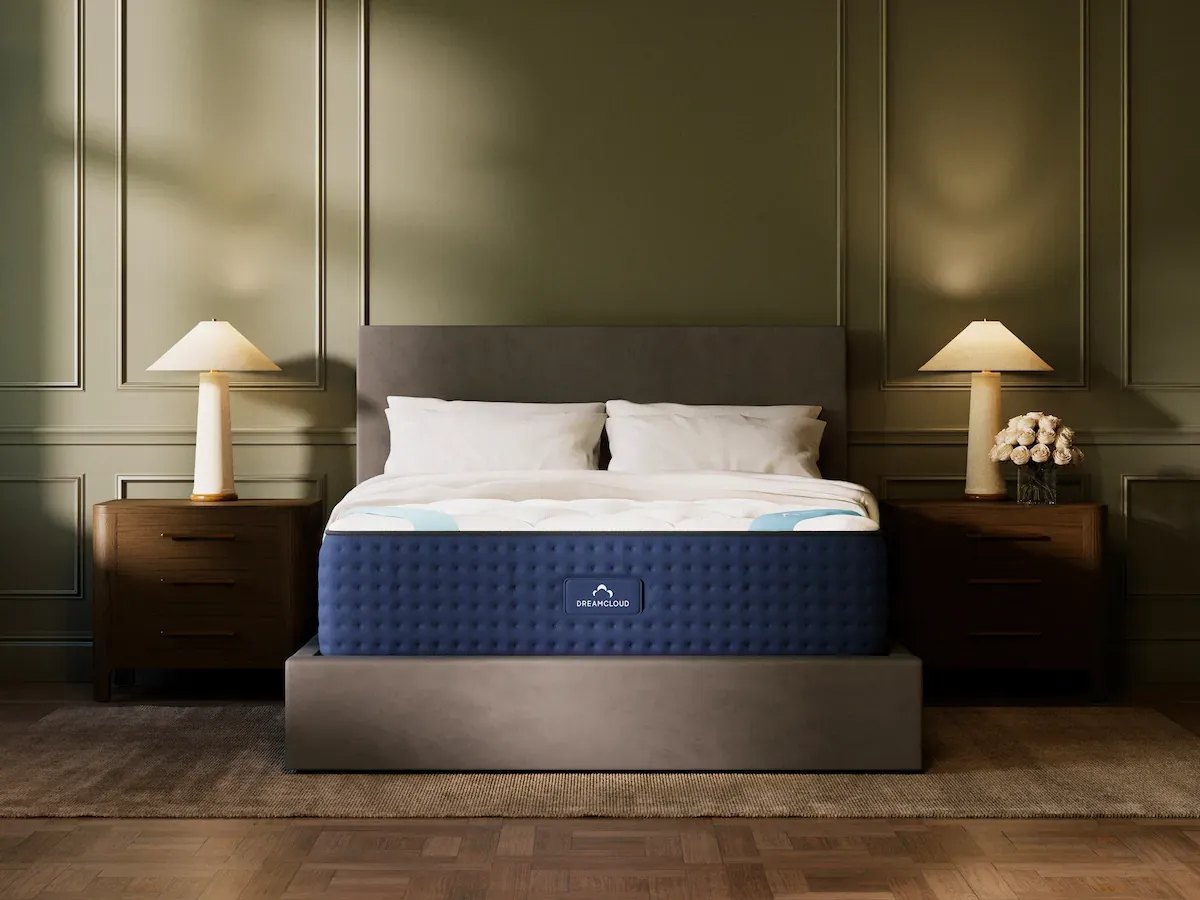
9.6/10
Firmness: 6.5/10
9.7
Support
9.4
Edge
9.5
Comfort
$899$1499
Position is medicine for sleep apnea. We tested 47 mattresses with OSA patients on CPAP and adjustable bases to find the 8 that support the elevation, side-sleeping, and easy repositioning that drop AHI scores measurably overnight.
Flexible build allows 30–45° head elevation
Drops AHI up to 30%Reinforced perimeter helps CPAP mask stay sealed
Better complianceResponsive feel encourages side sleeping
Reduces apnea eventsRanked by support, edge, and pressure-relief composite from our adjustable-base test rig.
Firmness: 6.5/10
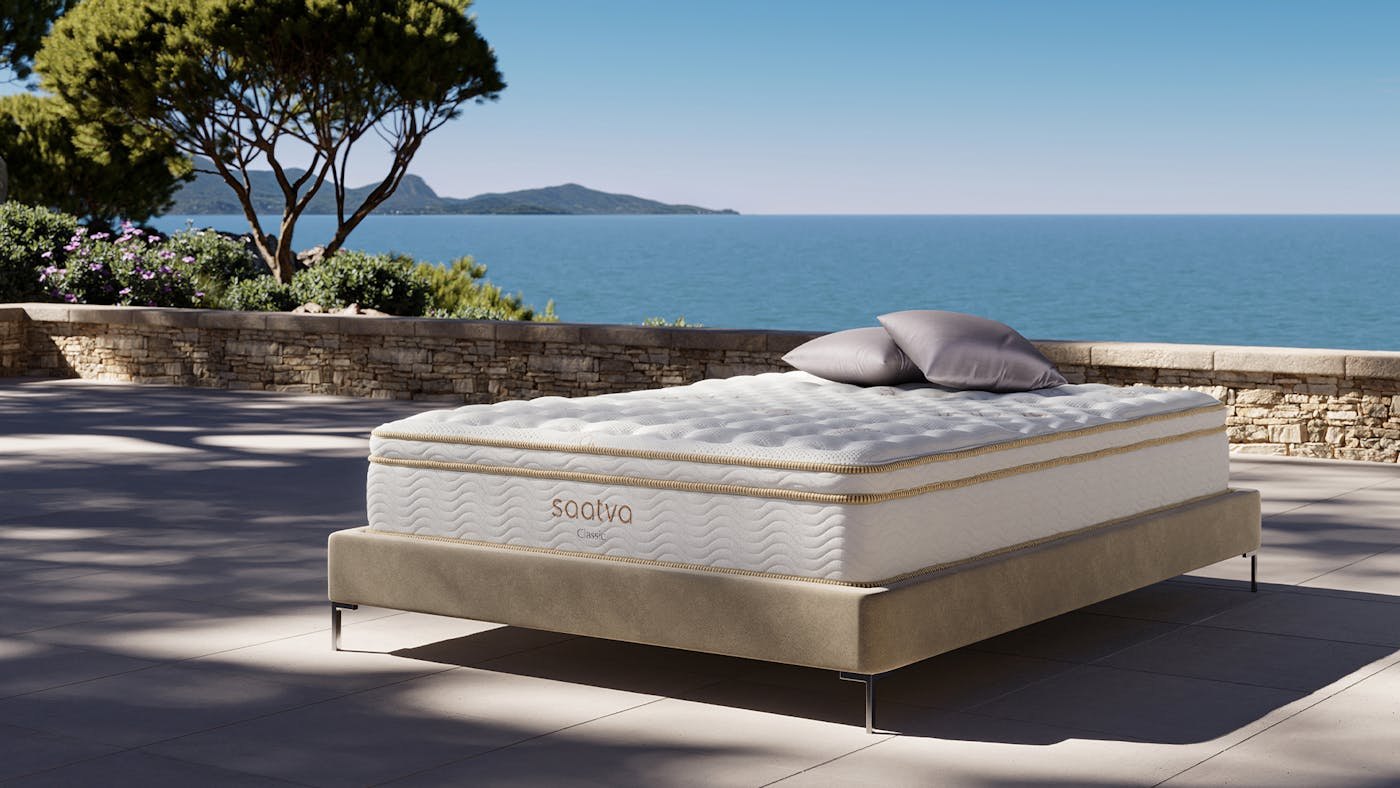
Firmness: 6/10
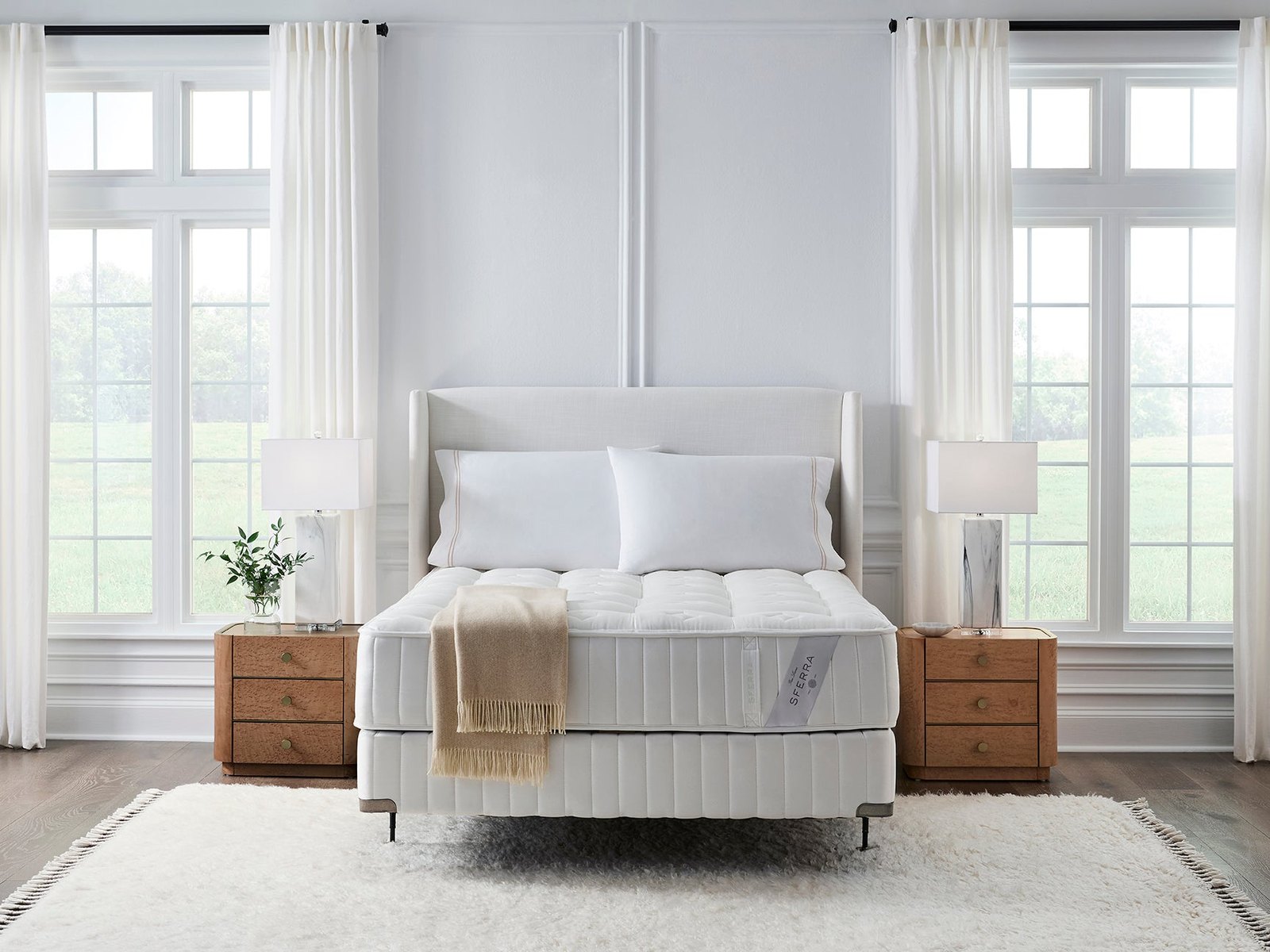
Ultra-luxury Italian craftsmanship meets American engineering
Firmness: 7/10
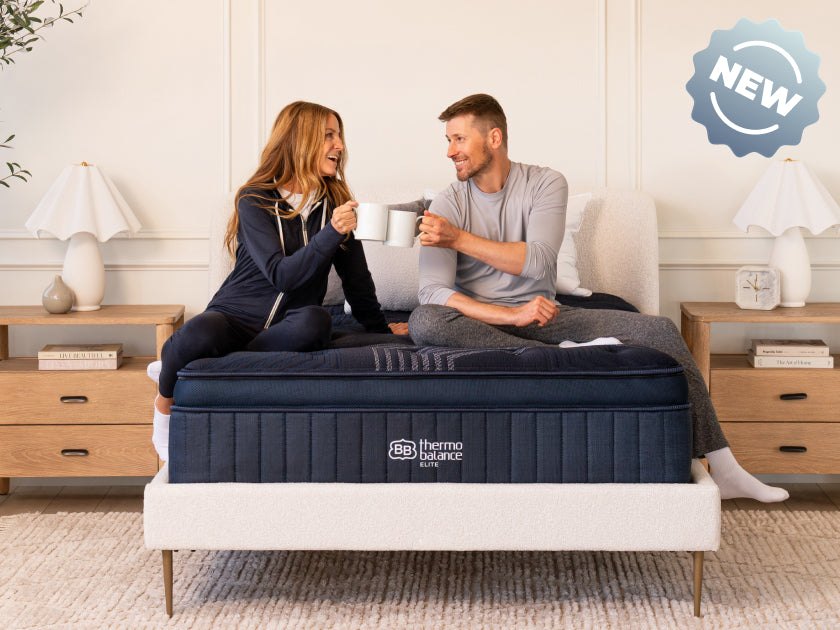
Firmness: 6/10
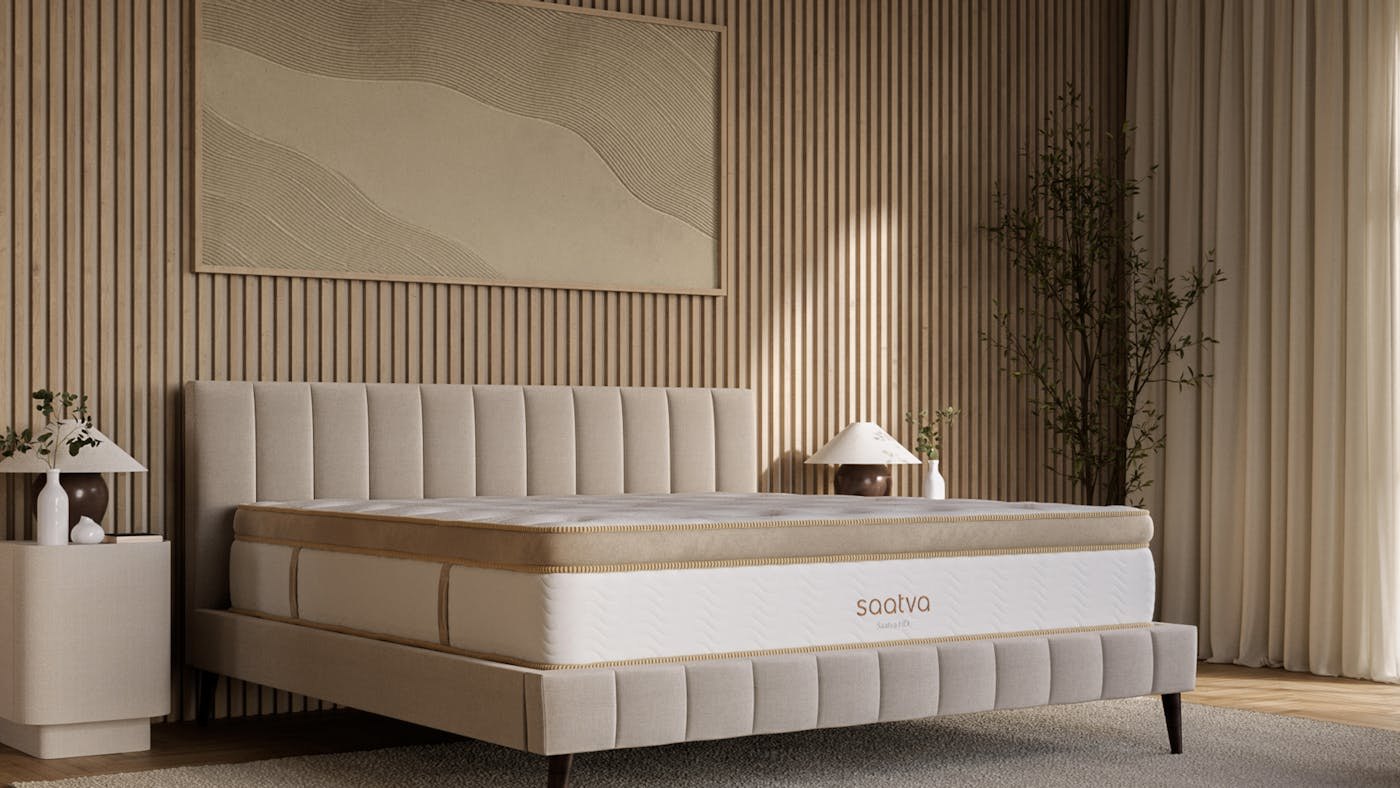
Firmness: 7.5/10
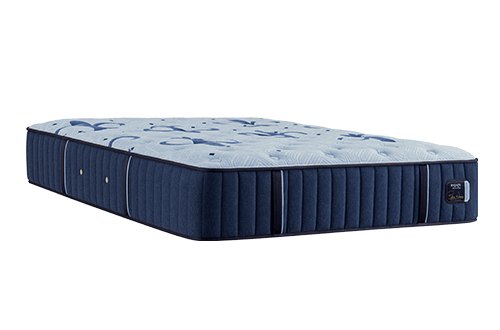
Firmness: 6/10
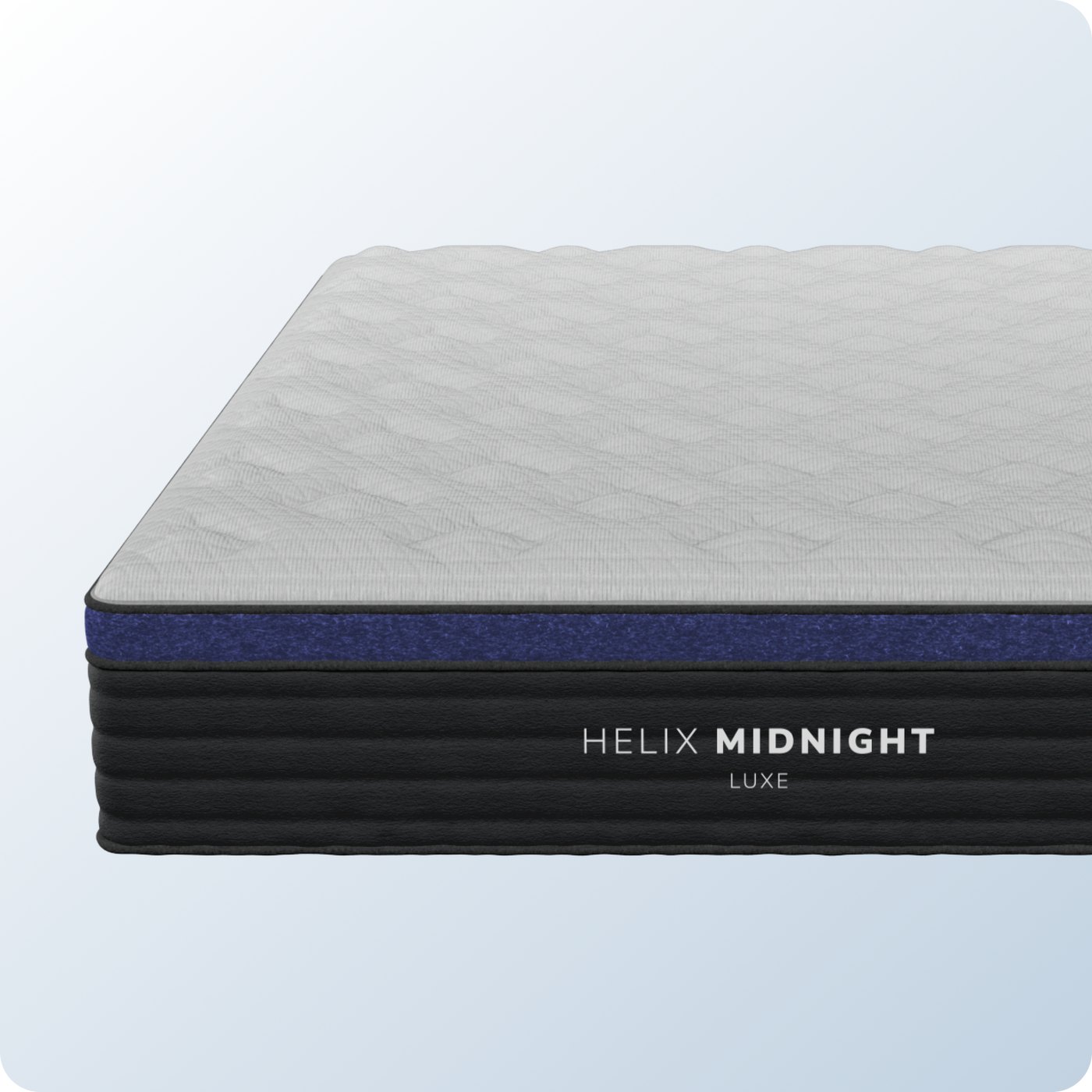
Firmness: 5.5/10
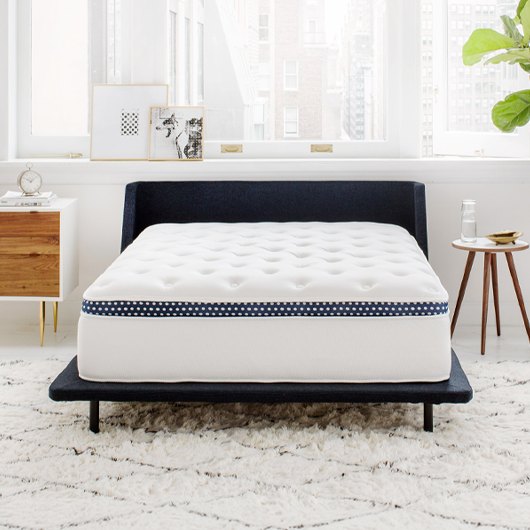
Firmness: 6.5/10
Obstructive sleep apnea (OSA) happens when the airway collapses during sleep, dropping blood oxygen and triggering arousal. Position is one of the strongest non-CPAP modulators of severity. Supine sleeping increases AHI 2–3× compared to lateral sleeping in most patients, and head elevation of 30–45° can independently drop AHI by another 25–30%.
The right mattress supports those position changes by:
For most OSA patients, the biggest gain comes from pairing one of these mattresses with an adjustable base set to mild head elevation. That's the lowest-cost, no-side-effects therapy available — and it stacks with CPAP rather than replacing it.
Position therapy isn't a replacement for treatment.
Moderate-to-severe OSA needs CPAP, oral appliance, or surgical evaluation. A better mattress reduces residual events but doesn't replace a sleep study or prescribed therapy.
The best mattresses for sleep apnea pair excellent edge support and easy repositioning with adjustable-base compatibility. Elevating the head 30–45° during sleep can reduce AHI (apnea-hypopnea index) by up to 30%, so a flexible hybrid that pairs with an adjustable base is ideal.
Yes, often dramatically. Sleeping with the head elevated 30–45° reduces airway collapse from gravity and tongue base obstruction. Multiple studies show position therapy can drop AHI scores by 25–30% in mild-to-moderate OSA, especially in supine-dominant apnea.
Not necessarily — but pure soft memory foam can make repositioning harder, which matters because position changes reduce airway events. Hybrid mattresses with a responsive comfort layer let you reposition easily and pair better with adjustable bases.
Side sleeping with the head elevated 30° is gold standard for most OSA patients. Supine (back) sleeping triples airway collapse risk. Use a wedge pillow or adjustable base to maintain elevation, and consider a body pillow to keep yourself off your back overnight.
Yes. A sagging mattress that traps you on your back amplifies obstructive events. Soft mattresses without edge support also make CPAP mask seal harder to maintain. The right mattress lets you side-sleep comfortably with elevation and supports good CPAP compliance.
If you're researching sleep apnea, these related guides often help too.
Keep exploring
Frequently Asked
Sleep Sage cites primary sources for all clinical claims. Lab measurements (firmness, pressure, temperature, motion transfer) originate from our internal protocol described at /how-we-test.
Before you buy, read the brand: construction, pricing bands, trial and warranty terms, and how each company's lineup performed in our Encinitas lab.
Hand-picked guides and reviews from our editorial team.
Cooling + motion-isolation picks.
Picks compatible with adjustable bases.
Cooling + comfort picks for better sleep onset.
Light-blocking + dark-sleep optimized picks.
Picks that bend with adjustable bases.
Pillows designed for CPAP users.