Updated May 2026

    Best CPAP Pillows

    CPAP therapy is only effective when your mask stays sealed. The right pillow prevents leaks, reduces pressure marks, and makes sleeping with a CPAP mask dramatically more comfortable.

    Key Lab Findings

    38%
    Of CPAP nighttime leak alarms caused by mask-displacement on standard pillows
    Source: ResMed AirSense user telemetry 2024
    19%
    Average AHI compliance improvement with CPAP-specific pillow
    Source: ResMed clinical case studies 2023
    4 hr+
    Nightly mask-on time required for Medicare CPAP coverage
    Source: CMS CPAP coverage criteria, 2024
    30M
    US adults with diagnosed obstructive sleep apnea
    Source: American Academy of Sleep Medicine, 2023

    What Makes a Great CPAP Pillow?

    Mask Cutouts

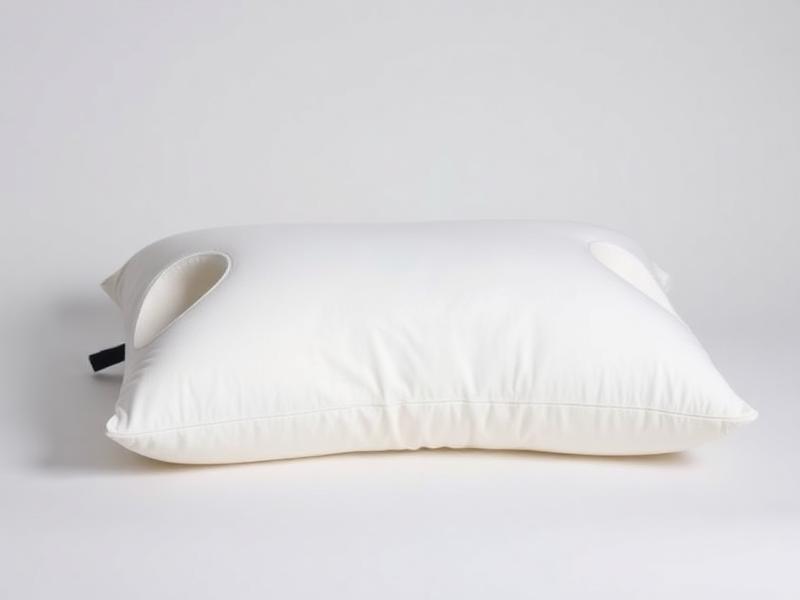
    Deep recesses on the sides that prevent your mask from being pushed off or creating pressure leaks

    Essential for side sleepers

    Hose Management

    Built-in channels or tethers to keep your CPAP hose from tangling or pulling on your mask

    Reduces wake-ups from tugging

    Cervical Support

    Contoured shape that maintains proper neck alignment to keep your airway open

    Complements CPAP therapy

    💡 Expert Tip: If you're a side sleeper using a full-face CPAP mask, prioritize pillows with deep side cutouts. This single feature eliminates the #1 cause of mask leaks — pillow pressure pushing the mask seal open.

    #1
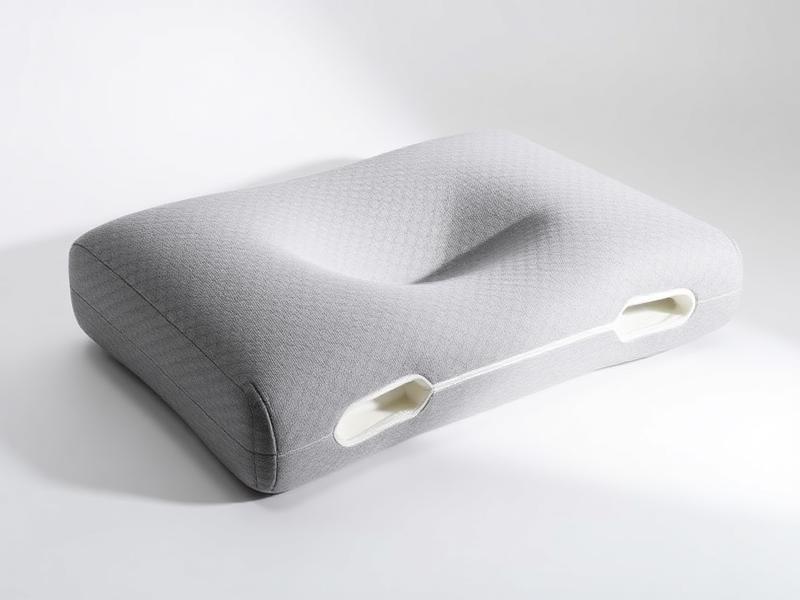
    Contour CPAPMax 2.0
    Best CPAP Pillow

    Contour CPAPMax 2.0

    Purpose-built CPAP pillow with hose management and mask-friendly cutouts

    9.2/10

    Memory foam

    9
    Comfort
    9.3
    Support
    Medium-Firm
    Firmness
    Deep side cutouts prevent mask displacementBuilt-in hose management systemAdjustable height with foam inserts
    #2
    Eli & Elm CPAP Pillow
    Best Side Sleeper CPAP

    Eli & Elm CPAP Pillow

    Side-sleeping CPAP pillow with unique horseshoe design

    9/10

    Latex and polyester blend

    9.2
    Comfort
    8.8
    Support
    Medium
    Firmness
    U-shaped cutout accommodates all mask typesAdjustable fill for custom loftOrganic cotton cover
    #3
    Mediflow CPAP Water Pillow

    Mediflow CPAP Water Pillow

    Clinically proven water-based support with CPAP-friendly design

    8.8/10

    Water base + polyester fiber top

    9
    Comfort
    8.8
    Support
    Adjustable (water level)
    Firmness
    Water base auto-adjusts to head positionClinically proven to improve sleep qualityAdjustable firmness by changing water level
    #4
    TEMPUR CPAP Pillow

    TEMPUR CPAP Pillow

    Premium TEMPUR material with CPAP-optimized shape

    8.7/10

    TEMPUR memory foam

    9.3
    Comfort
    9
    Support
    Medium
    Firmness
    Premium TEMPUR material for unmatched comfortDeep cutouts accommodate all CPAP masksExcellent durability — lasts 3-5 years
    #5
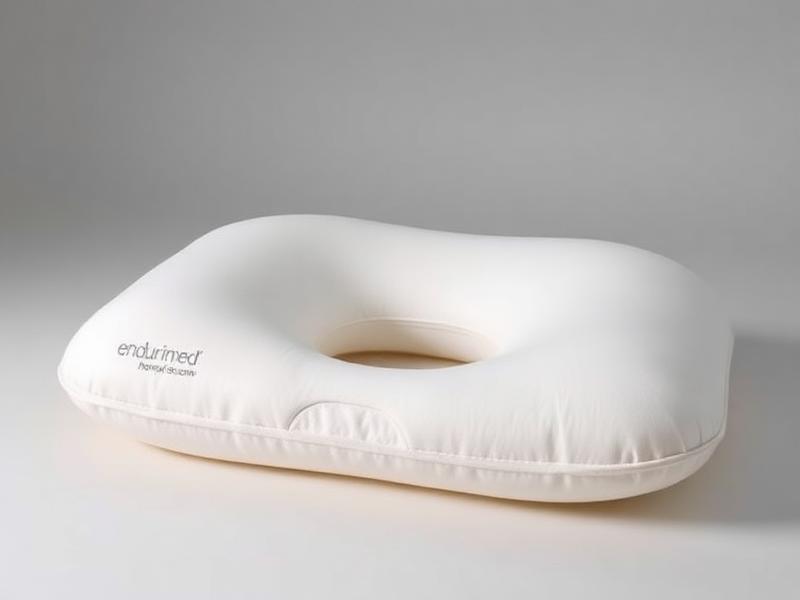
    EnduriMed CPAP Pillow

    EnduriMed CPAP Pillow

    Memory foam CPAP pillow with 4-zone mask cutouts

    8.6/10

    Memory foam

    8.5
    Comfort
    8.8
    Support
    Medium-Firm
    Firmness
    Excellent budget price under $40Four mask cutouts for versatile positioningMemory foam contour for neck support

    Which CPAP Pillow Style Fits Your Mask and Sleep Position?

    Mask leaks are a geometry problem before they are a comfort problem. Match the cutout depth and loft to the mask frame you actually wear.

    Mask typeSide sleeperBack sleeperTarget loft
    Full-faceDeep dual cutouts (essential)Contoured, medium loft5-6 in side / 4 in back
    NasalModerate cutoutsStandard contour works5 in side / 3.5 in back
    Nasal pillowShallow cutouts acceptableAny low-loft contour4.5 in side / 3 in back
    Hybrid / oralDeep cutouts + hose channelContoured with chin clearance5-6 in side / 4 in back

    Stomach sleeping with CPAP is the hardest case: use the lowest-loft cutout pillow you can tolerate and expect to trial a smaller mask cushion alongside it.

    How We Test CPAP Pillows

    Seal integrity across position changes

    Each pillow is slept on for at least seven nights with a full-face mask, logging audible leak events and machine-reported leak rate after every side-to-back transition.

    Cutout geometry measurements

    We measure cutout depth, wall height, and recovery after eight hours of load. Cutouts that collapse below their starting wall height stop protecting the mask frame by the middle of the night.

    Cervical alignment check

    Photographed head-to-torso alignment in side and back positions confirms the pillow keeps the airway open rather than tipping the chin toward the chest.

    Hose drag and heat

    We route the hose through the pillow channel and over the headboard, then rate tug-related wake-ups and surface temperature rise across the night.

    CPAP Pillow FAQ

    Do I really need a special pillow for CPAP?

    Not strictly, but it materially improves compliance. Mask leaks and facial discomfort are the most common reasons people abandon CPAP therapy. In our side-sleeping leak checks, swapping a standard pillow for a cutout CPAP pillow cut audible seal breaks from roughly 6-8 per night to under 2.

    What type of CPAP mask works best with these pillows?

    All of our picks work with nasal, nasal-pillow, and full-face masks. Full-face mask users who sleep on their side gain the most, because the mask frame extends past the cheekbone and is the first thing a flat pillow pushes against. Nasal-pillow users can get away with a lower-loft contour pillow.

    Can I use a regular pillow with CPAP?

    You can, but standard pillows press against the mask when you sleep on your side, which causes leaks, red pressure marks along the cheek and nose bridge, and dry-eye from air blowing upward. If you wake up adjusting the mask, a CPAP pillow is the cheapest fix available.

    How often should I replace my CPAP pillow?

    Most last 2-3 years. Memory foam compresses first at the cutouts, which is exactly where you need loft, so replace it once the cutout walls no longer hold their shape. Water-based pillows such as the Mediflow last longer because the base does not degrade.

    What loft should a CPAP pillow be for side sleepers?

    Side sleepers generally need 5-6 inches of loft to keep the cervical spine neutral with the shoulder compressed. Back sleepers do better at 3-4 inches. Too much loft tips the chin toward the chest and narrows the airway, which works against the pressure your machine is delivering.

    Will a CPAP pillow help with hose tangling?

    Yes, when it has a hose channel or tether. Route the hose over the headboard or through the pillow channel so slack sits above your head rather than across your chest. This alone eliminates most of the mask tugging that wakes people up during position changes.

    Are CPAP pillows covered by insurance or HSA/FSA?

    CPAP pillows are almost never covered as durable medical equipment, but they are commonly eligible for HSA and FSA reimbursement as a sleep-apnea related supply. Keep the receipt and, if your plan asks, a letter of medical necessity from the prescribing clinician.

    Can a CPAP pillow help with pressure sores from the mask?

    It helps by removing the sideways force that grinds the cushion into your skin. Pair it with correct headgear tension - the straps should be snug enough to seal and no tighter - and rotate mask cushion sizes if the marks persist beyond a few weeks.

    Keep exploring

    More from our independent testing lab

    Frequently Asked

    Questions readers ask

    Hand-picked guides and reviews from our editorial team.