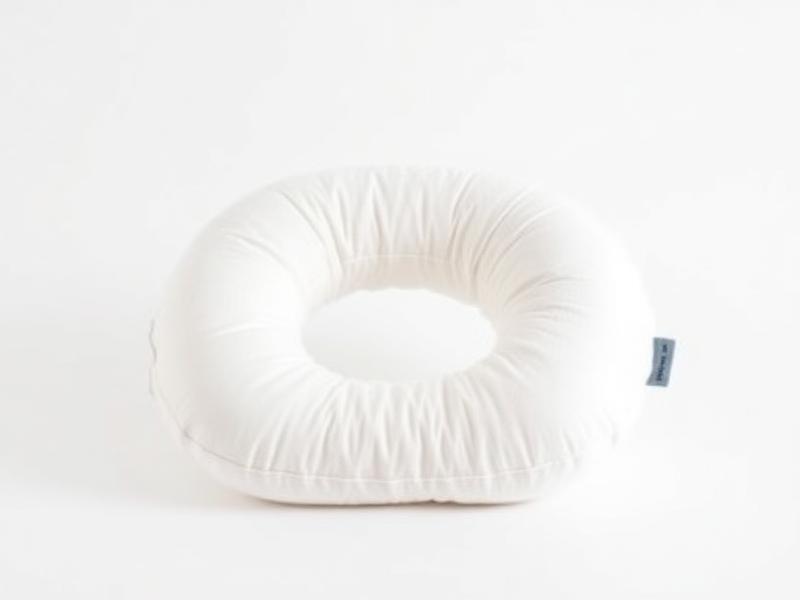
Eli & Elm Side Sleeper Pillow
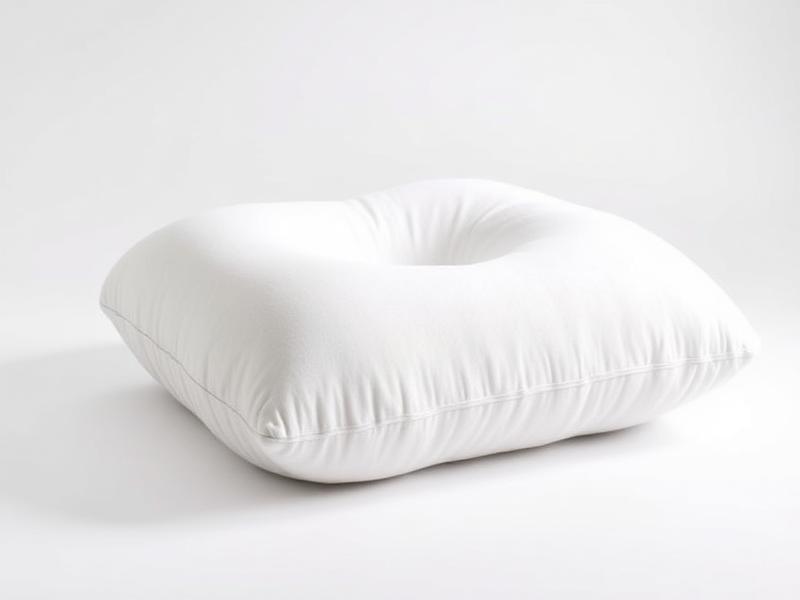
Patented shoulder cutout design eliminates arm numbness for side sleepers
Latex and polyester blend (adjustable)
Side sleepers: if you wake up with a numb arm, shoulder pain, or tingling fingers, a shoulder cutout pillow can be transformative. These pillows let your shoulder drop below the sleeping surface for proper spinal alignment.
A shoulder cutout lets your arm rest naturally instead of being compressed under your body weight
No more dead arm wake-upsWhen your shoulder drops into the cutout, your spine stays straight instead of bending upward at the neck
Reduces neck & back painCritical for rotator cuff injuries, bursitis, and post-surgical recovery where any shoulder pressure hurts
Ideal for injury recovery💡 Expert Tip: Measure the distance from your ear to the outside of your shoulder. This measurement determines the ideal pillow loft. If it's 5+ inches, you likely need a taller pillow like the Pillow Cube 6-inch.
The cutout designs sold under Weekender and Lucid (both made by the same parent manufacturer) are the cheapest way into this category, usually $35–$60 against $79–$119 for the specialist brands. They use a gel-infused memory foam core with a notched lower edge rather than a full U-shaped cutout, and a knit cover with a cooling finish.
What you get for the money: a genuine loft reduction at the shoulder and a surface that starts cooler than plain memory foam. What you give up: the cutout is shallower than the Eli & Elm, so broad shoulders still bottom out; the gel infusion loses its temperature advantage roughly 30–45 minutes in, because gel moves heat rather than removing it; and the solid core is not adjustable, so if the loft is wrong out of the box, it stays wrong.
Our recommendation: if your ear-to-shoulder measurement is under 5 inches and you sleep hot mainly at lights-out, a Weekender or Lucid cooling cutout pillow is a reasonable first purchase. Over 5 inches, or if you wake at 3 a.m. overheated, go to an adjustable-fill pillow with a phase-change cover — the Coop Eden Cool+ in the list above — because phase-change fabric keeps working through the night in a way gel infusion does not.
| Tier | Typical price | Cutout depth | Cooling method | Best for |
|---|---|---|---|---|
| Budget (Weekender, Lucid) | $35 – $60 | Shallow notch | Gel-infused foam | Ear-to-shoulder under 5 in. |
| Mid (Zoey, Coop Eden Cool+) | $79 – $89 | Moderate notch / adjustable | Tencel or phase-change cover | Hot sleepers, combo sleepers |
| Specialist (Eli & Elm, Pillow Cube) | $99 – $119 | Full U-cutout / cube | Latex blend or removable cover | Broad shoulders, shoulder injury |

Patented shoulder cutout design eliminates arm numbness for side sleepers
Latex and polyester blend (adjustable)

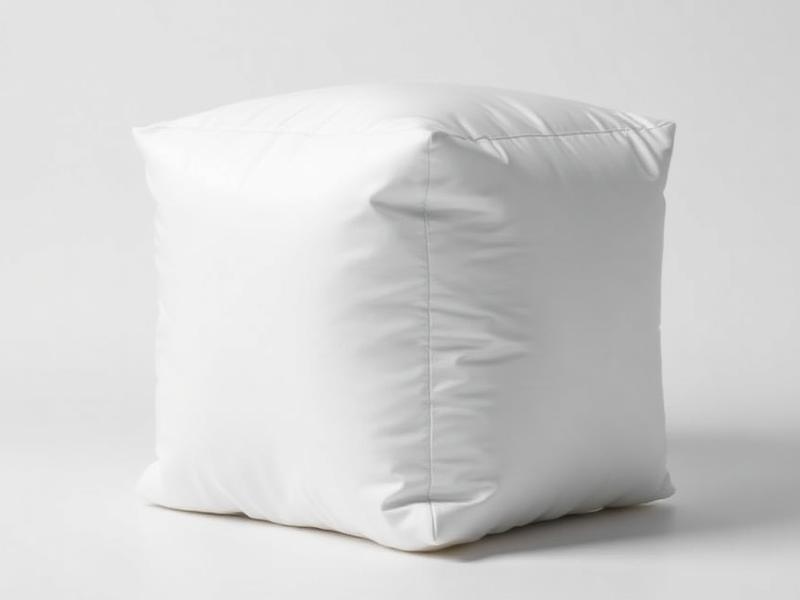
Cube-shaped pillow that fills the shoulder gap perfectly for side sleepers
Premium memory foam

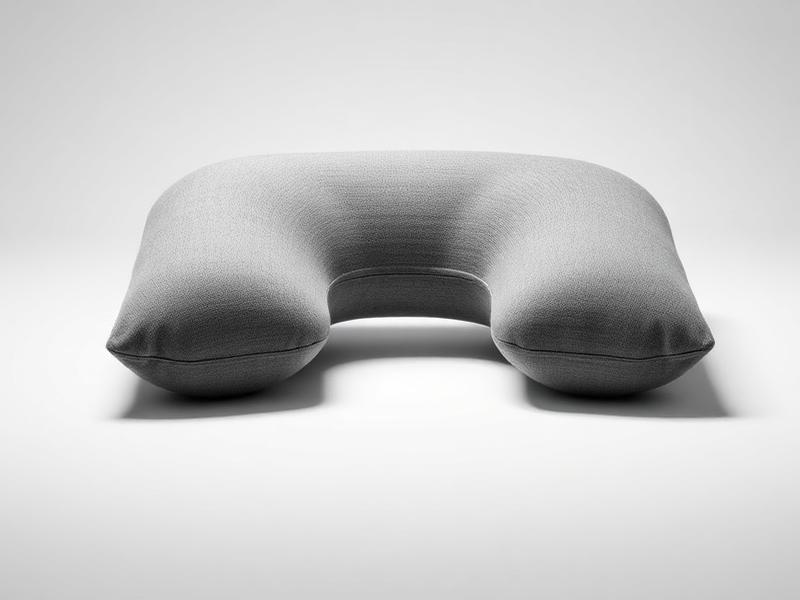
Premium TEMPUR foam with ergonomic shoulder-hugging contour
Solid TEMPUR memory foam

Curved shoulder notch with adjustable memory foam fill
Shredded CertiPUR-US memory foam

Ultra-soft adjustable pillow with shoulder-friendly low profile option
Gel-infused memory foam + microfiber blend
Yes. By letting your shoulder drop below the sleep surface, these pillows eliminate the compression that causes pain, numbness, and tingling. They're especially beneficial after rotator cuff surgery or for chronic bursitis.
Some can — the Coop Eden Cool+ and Zoey Sleep work for combo sleepers. However, dedicated cutout designs like the Eli & Elm are optimized specifically for side sleeping and may feel awkward on your back.
Measure from your ear to the outer edge of your shoulder. Under 4 inches → low profile. 4-5 inches → standard. Over 5 inches → tall/high profile (like the 6-inch Pillow Cube). The goal is keeping your spine perfectly straight.
They solve different problems. A shoulder cutout pillow addresses neck alignment and shoulder pressure. A body pillow supports your top arm and knee. For maximum side-sleeping comfort, use both together.
For the price, yes — with limits. Both use a gel-infused memory foam core with a shallow notched edge and sell for roughly $35–$60. They deliver a real loft reduction at the shoulder and start cooler than plain memory foam, but the notch is shallower than a true U-cutout, the core is not adjustable, and the gel's cooling advantage fades after the first 30–45 minutes. Good first purchase if your ear-to-shoulder measurement is under 5 inches.
No. Gel infusion moves heat away from the surface but has nowhere to send it once the pillow reaches body temperature — typically after 30–45 minutes. Phase-change covers (Coop Eden Cool+) and latex-blend fills (Eli & Elm) hold their temperature advantage far longer because they either absorb heat through a material phase change or allow continuous airflow.
The budget tier — Weekender and Lucid cutout designs at $35–$60 — is the lowest price at which the shoulder notch is deep enough to change your alignment. Below that, most pillows sold as 'side sleeper' pillows are ordinary rectangles with marketing copy. Our value pick with a genuine cutout and adjustable fill is the Zoey Sleep at $79.
That is its main purpose. Nighttime arm numbness in side sleepers usually comes from compression of the brachial plexus or the circulation in the shoulder that is bearing your upper-body weight. Dropping the shoulder into a cutout unloads that contact point. If numbness persists after two weeks on a correctly sized cutout pillow, the cause is more likely cervical — see a clinician rather than buying another pillow.
They overlap but are not identical. A shoulder cutout pillow has a notch or U-shaped recess along the bottom edge that your shoulder drops into. A true arm-hole pillow adds a tunnel or gap you thread your bottom arm through, so the arm rests forward of your torso rather than under it. Pillow Cube's side-sleeper designs and the Eli & Elm U-shape are cutouts; arm-tunnel designs are a smaller niche and usually cost more for less adjustability. If your problem is a numb arm, the cutout does the important work — the tunnel mainly stops the arm from drifting.
Measure ear to outer shoulder first. Anything over 5.5 inches needs a tall cutout — the 6-inch Pillow Cube or a fully packed Coop Eden Cool+ are the two that hold that loft without collapsing by 2 a.m. Standard-height cutouts (4–5 inches) will bend your neck downward and undo the benefit of the notch, which is the most common reason broad-shouldered buyers return their first cutout pillow.
They help with the sleeping-position half of the problem. After rotator cuff repair most surgeons want you off the operated shoulder entirely for 4–6 weeks, so the cutout matters for the healthy side you will be sleeping on, keeping it from taking all the pressure for six straight weeks. A wedge pillow is usually the better first purchase for the immediate post-op period; add the cutout pillow when you return to full side sleeping.
Keep exploring
Frequently Asked
Before you buy, read the brand: construction, pricing bands, trial and warranty terms, and how each company's lineup performed in our Encinitas lab.
Hand-picked guides and reviews from our editorial team.
Loft-tested picks that fill the shoulder gap.
Lab-tested pillow reviews.
Pressure relief picks for shoulders and hips.
Deep-contour picks for heavier sleepers.
XSensor-tested picks for side sleepers with shoulder pain.
Cervical-aligned picks pressure-mapped in our Encinitas lab.