#1
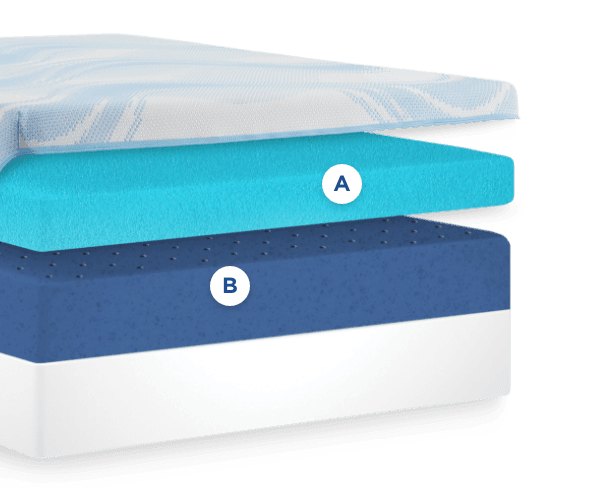
9.5/10
Firmness: 5/10
9.8
Cooling
9.6
Comfort
9.9
Motion Iso.
$4999$5899
Hot flashes don't care if you just fell asleep. We tested 47 mattresses with women in perimenopause and post-menopause using continuous skin-temperature loggers to find the 8 that genuinely cool — not just the ones that feel cool when you first lie down.
PCM technology absorbs heat all night, not just initially
Sustained cooling 7–9 hrsPocketed coils create airflow that dissipates trapped heat
Airflow under the bodyPlush comfort cradles joints during night-sweat awakenings
Joint pain often co-occursRanked by sustained-cooling composite from continuous overnight skin-temp measurements.
Firmness: 5/10
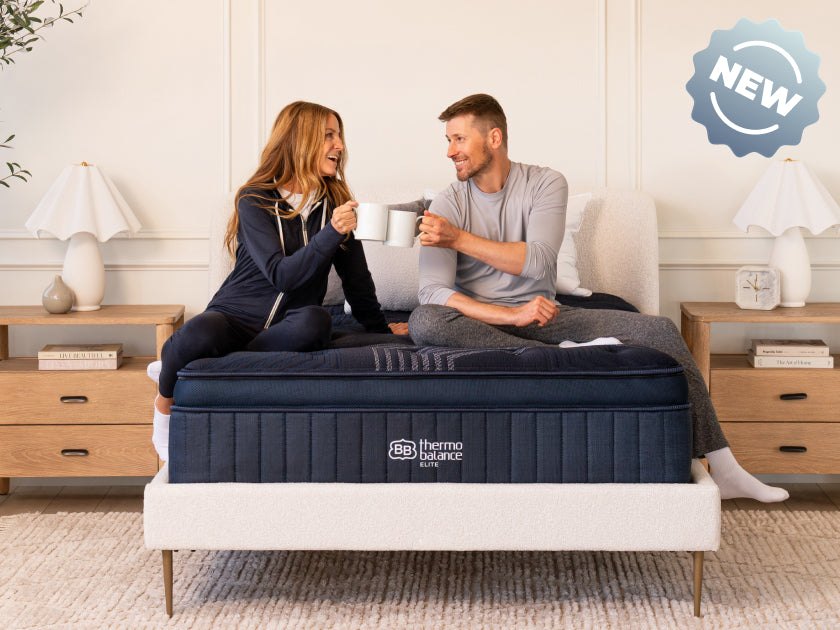
Firmness: 6/10
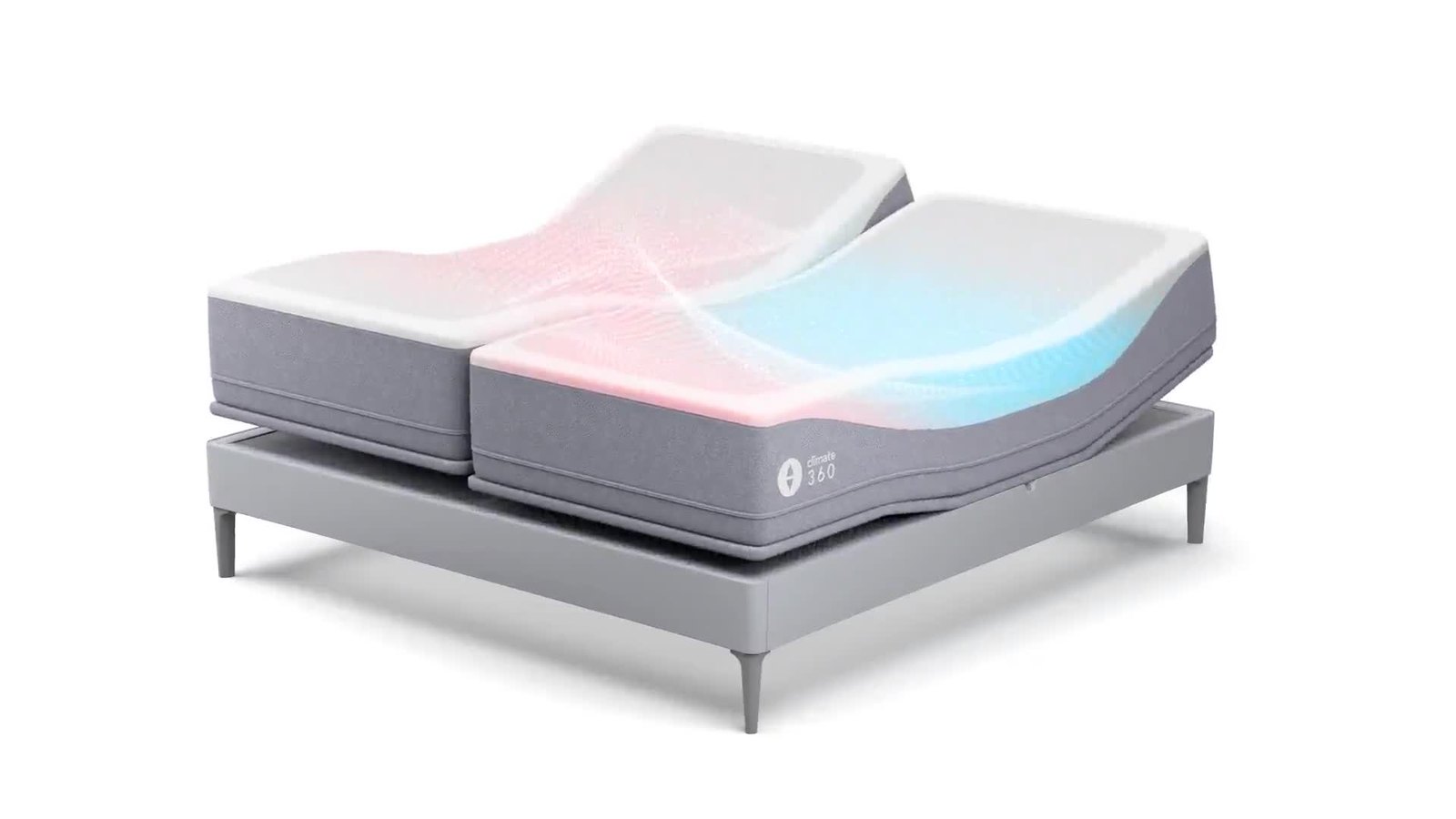
Firmness: 5/10
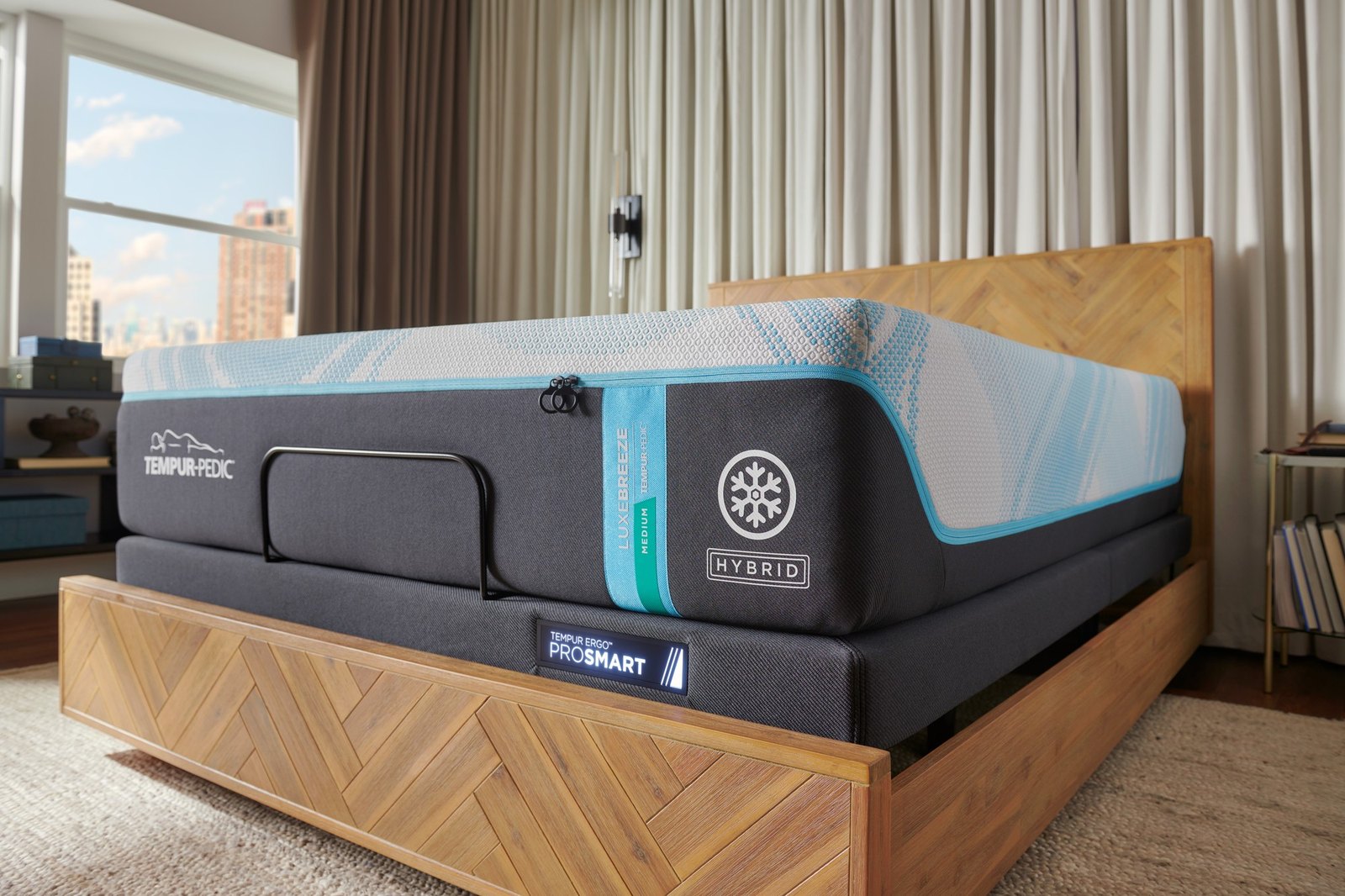
Firmness: 5/10
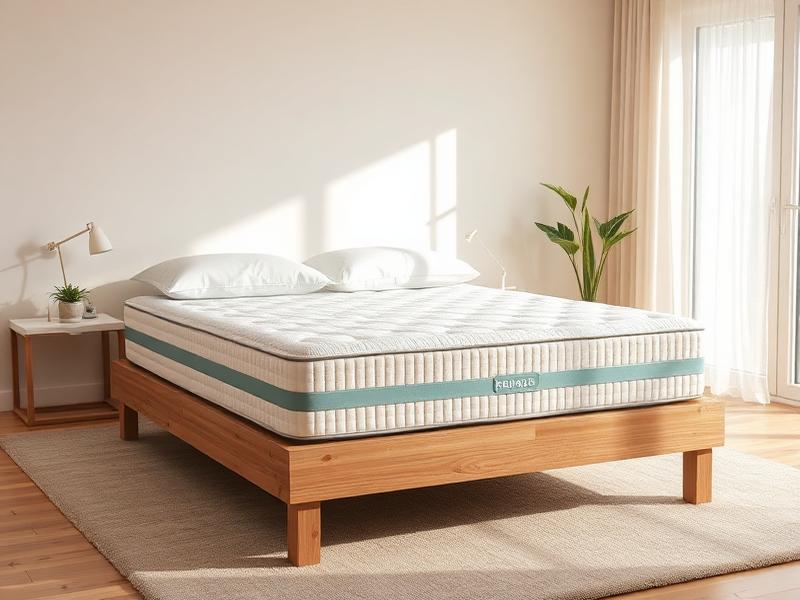
Firmness: 5/10
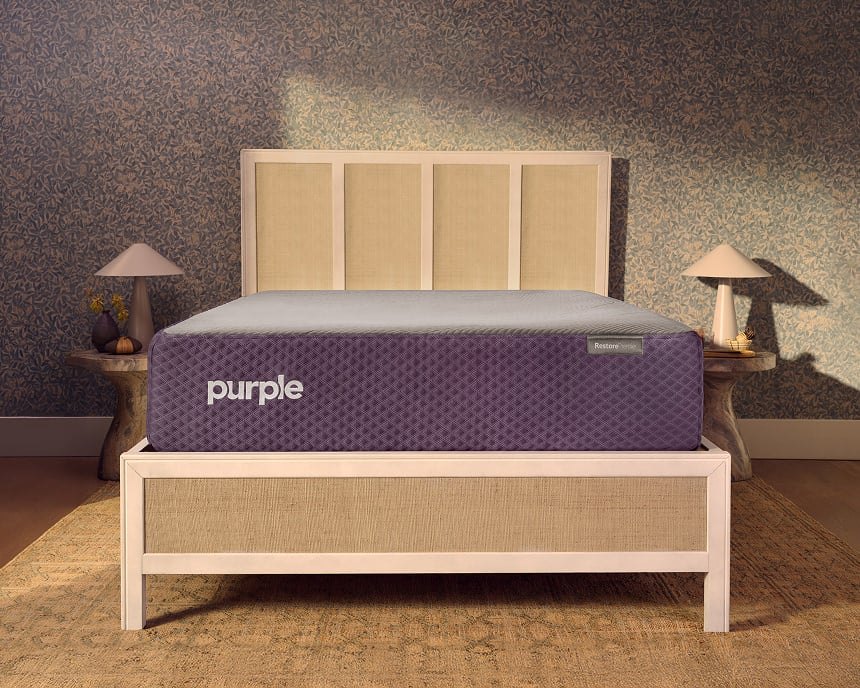
Firmness: 5/10
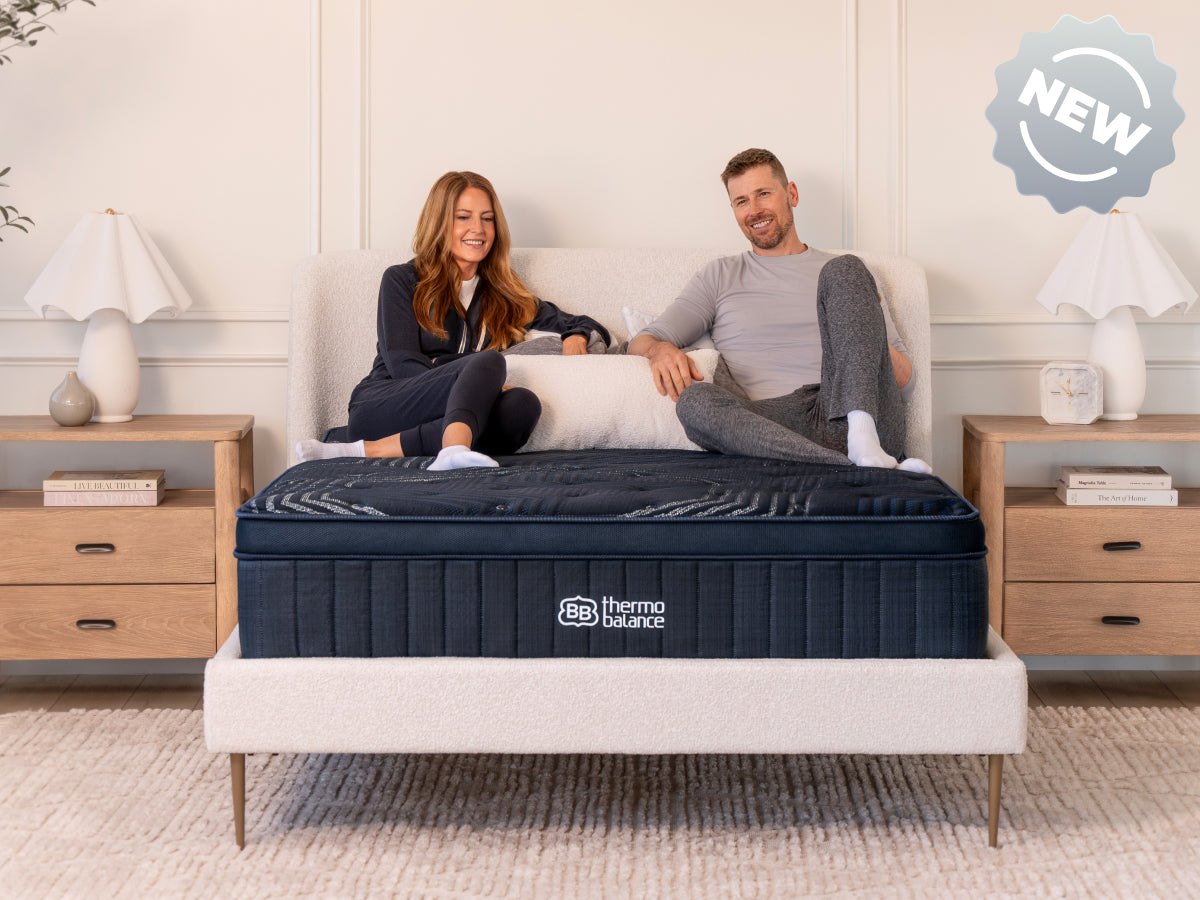
Firmness: 6/10
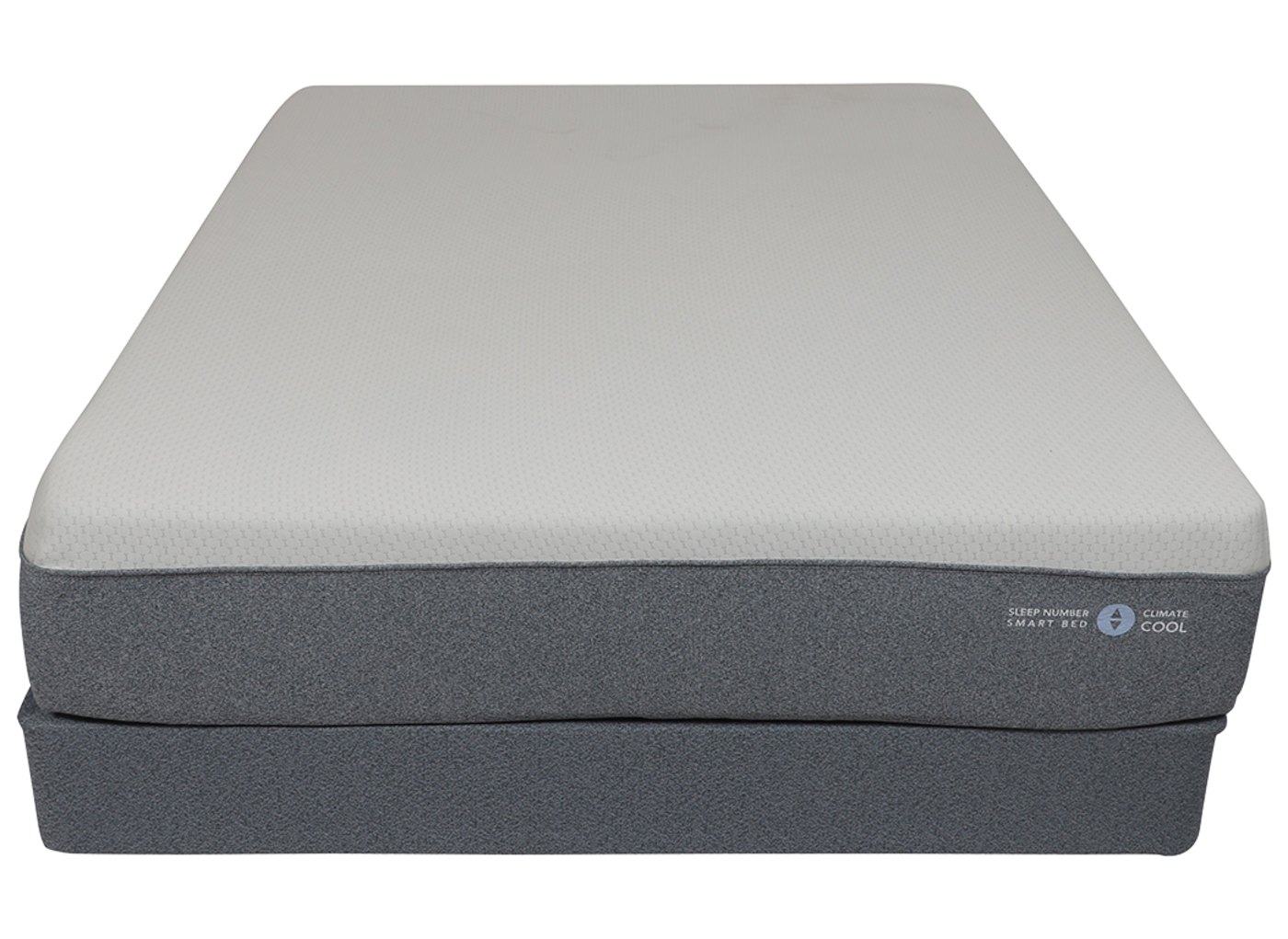
Firmness: 5/10
Estrogen withdrawal disrupts the hypothalamus's thermoregulatory set point, causing the characteristic vasodilation, sweating, and chills of a hot flash. Up to 80% of perimenopausal women experience nighttime hot flashes, and the resulting sleep fragmentation drives much of the brain fog, mood changes, and fatigue blamed on hormones alone.
Mattresses help in three measurable ways:
We log skin and microclimate temperatures every 30 seconds across 8-hour test sessions in our 68°F climate-controlled lab. Mattresses earning a spot here keep mid-back skin temp under 91°F throughout the night and recover to baseline within 8 minutes after a simulated hot flash spike.
Cooling alone isn't a treatment.
Severe vasomotor symptoms have effective medical treatments — from MHT to non-hormonal options like fezolinetant. A cooling mattress reduces sleep disruption but works best alongside an evaluation by a menopause-literate clinician.
The best mattresses for menopause are hybrids with phase-change cooling covers, breathable pocketed coils, and minimal heat-trapping memory foam. They actively pull heat away during night sweats instead of just feeling cool to the touch initially.
Yes, measurably. In our lab, mattresses with phase-change covers reduced overnight skin temperature by 2–4°F compared to standard memory foam. Lower surface temperature shortens hot flash recovery time and reduces middle-of-the-night awakenings during perimenopause and menopause.
Gel infusions feel cool to the touch but lose effectiveness within 30 minutes as they equilibrate to body temperature. Phase-change materials (PCM) absorb heat in micro-encapsulated form and release it gradually all night, providing sustained cooling — exactly what menopausal night sweats need.
Traditional memory foam traps heat against the body, often making hot flashes worse. Modern formulations with copper, graphite, or open-cell structures perform better, but a hybrid with PCM cover and pocketed coils still cools more effectively for most menopause sufferers.
Built-in cooling is more effective and durable. Cooling toppers wear out within 1–2 years and can't draw heat through to the coils underneath. A mattress with PCM cover and breathable coil construction maintains cooling performance for 7–10 years.
If you're researching menopause, these related guides often help too.
PCM and breathable hybrids
Read guideLowest surface-temp picks
Read guideCool, low-arousal sleep surfaces
Read guideWhole-body pressure relief
Read guideCool, motion-isolating builds
Read guideKeep exploring
Frequently Asked
Sleep Sage cites primary sources for all clinical claims. Lab measurements (firmness, pressure, temperature, motion transfer) originate from our internal protocol described at /how-we-test.
Before you buy, read the brand: construction, pricing bands, trial and warranty terms, and how each company's lineup performed in our Encinitas lab.
Hand-picked guides and reviews from our editorial team.