#1
9.5/10
Firmness: 5/10
9.8
Cooling
9.9
Motion Isolation
9.3
Support
$4999$5899
Keep exploring
Frequently Asked
Sleep Sage cites primary sources for all clinical claims. Lab measurements (firmness, pressure, temperature, motion transfer) originate from our internal protocol described at /how-we-test.
Before you buy, read the brand: construction, pricing bands, trial and warranty terms, and how each company's lineup performed in our Encinitas lab.
RLS is triggered by heat, pressure, and the inability to move freely. We tested 47 mattresses with RLS sufferers and their partners to find the 8 that minimize triggers and isolate movement so both people in the bed actually sleep.
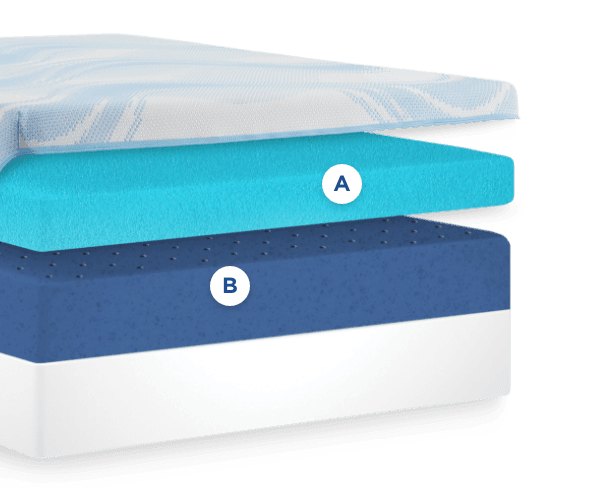
Phase-change covers and breathable coils prevent overheating
Reduces RLS triggersPocketed coils contain leg movement to one side
Protects partner sleepResponsive feel lets legs move without dragging
Less arousal mid-sleepRanked by composite of motion isolation, cooling, and support from our lab measurements.
Firmness: 5/10
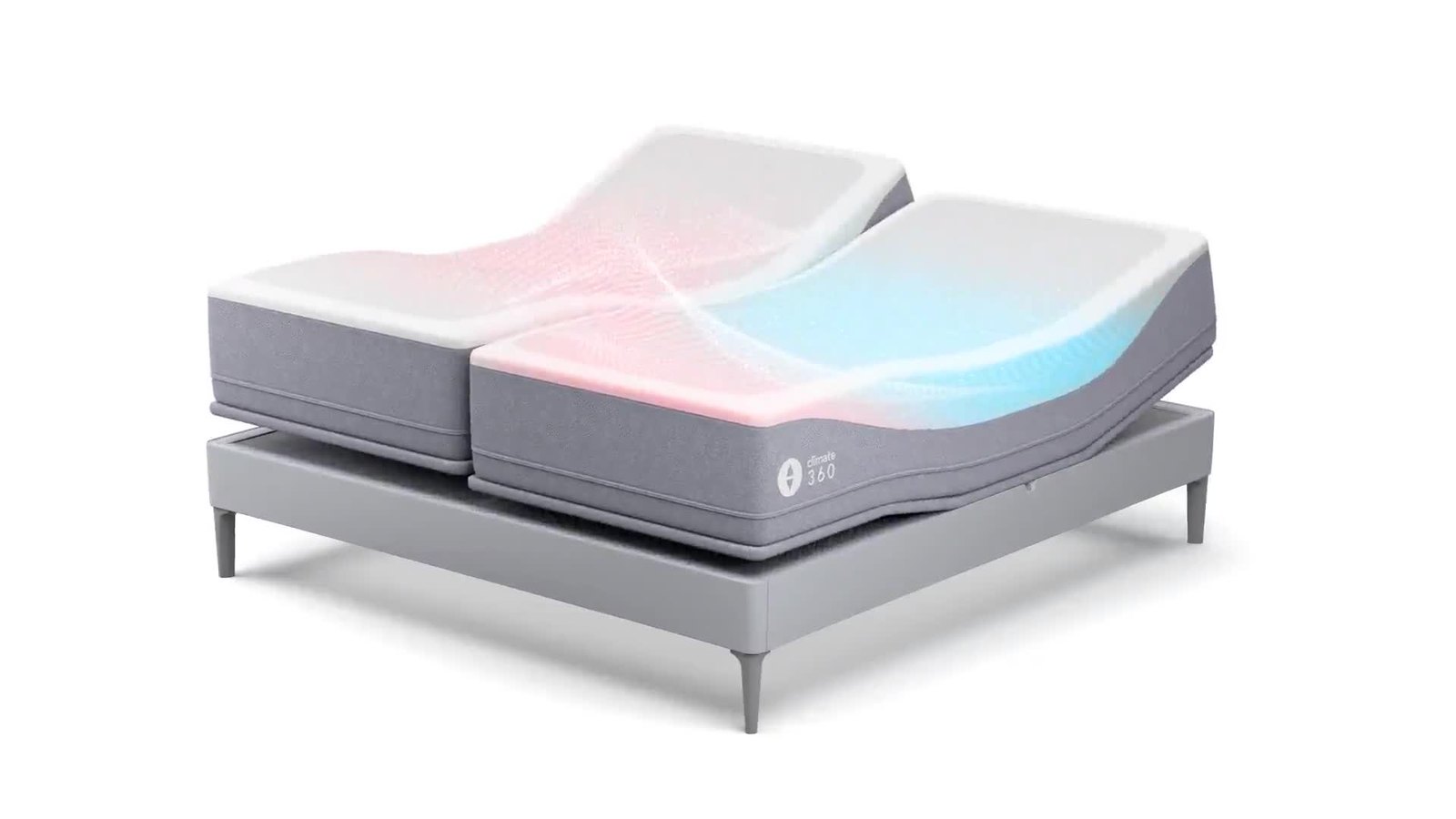
Firmness: 5/10
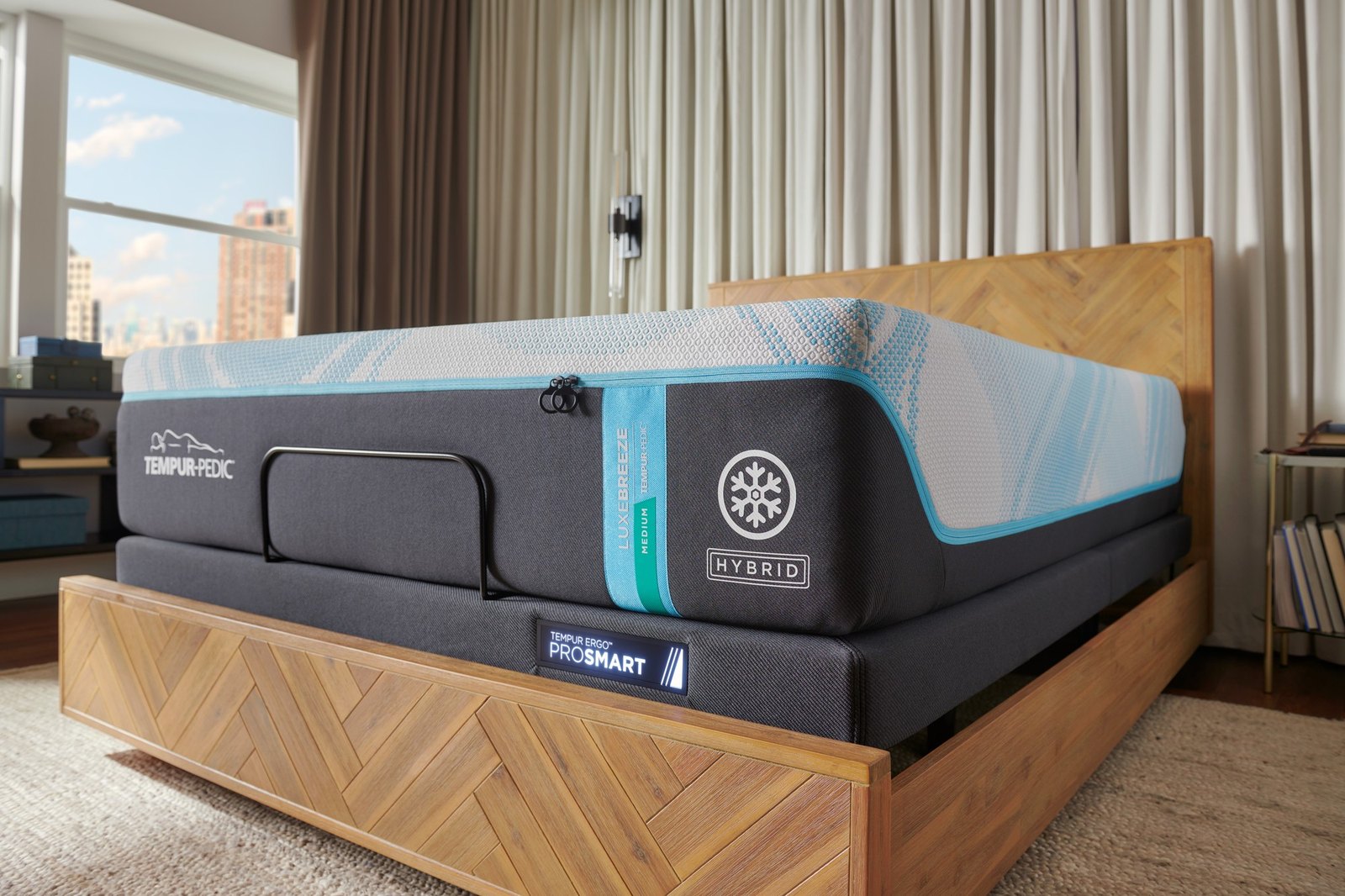
Firmness: 5/10
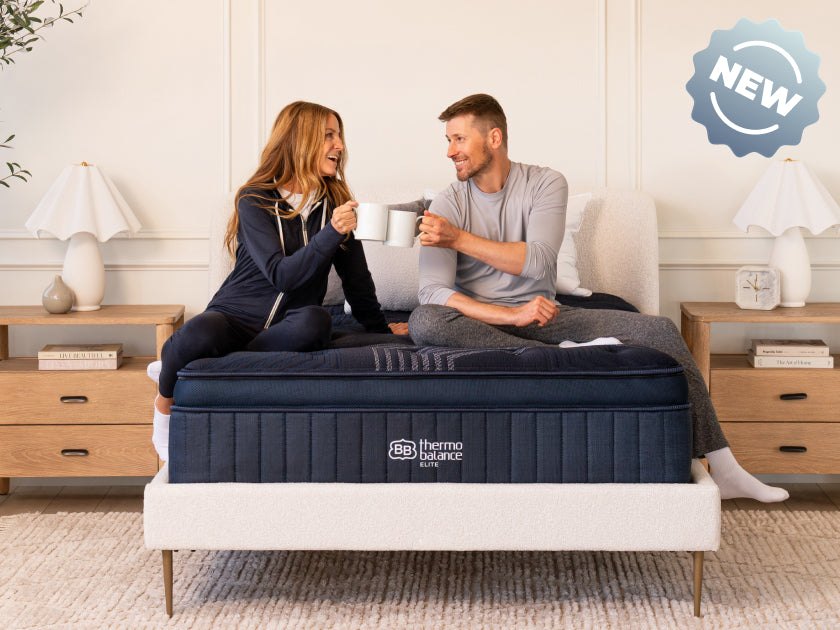
Firmness: 6/10
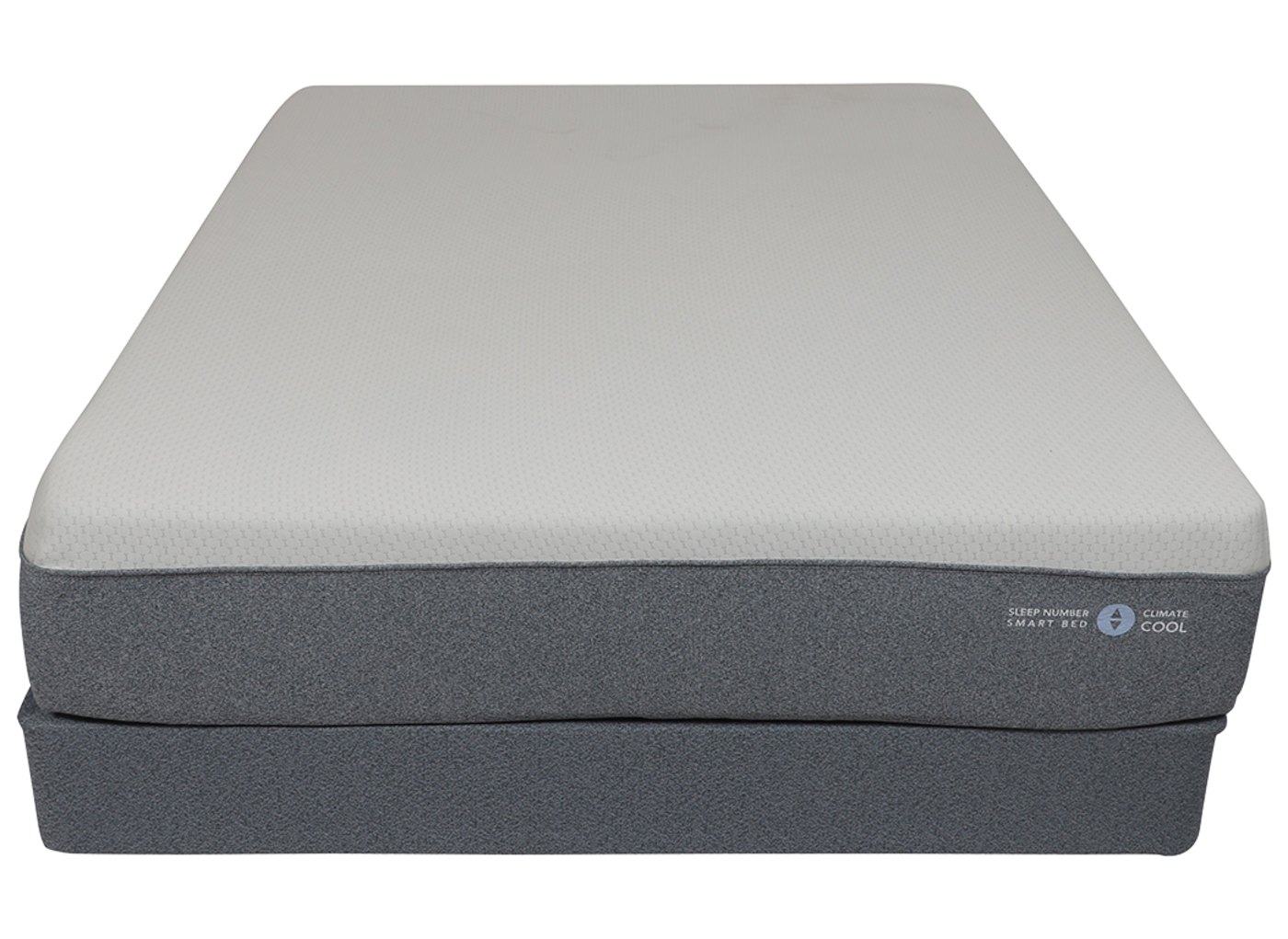
Firmness: 5/10
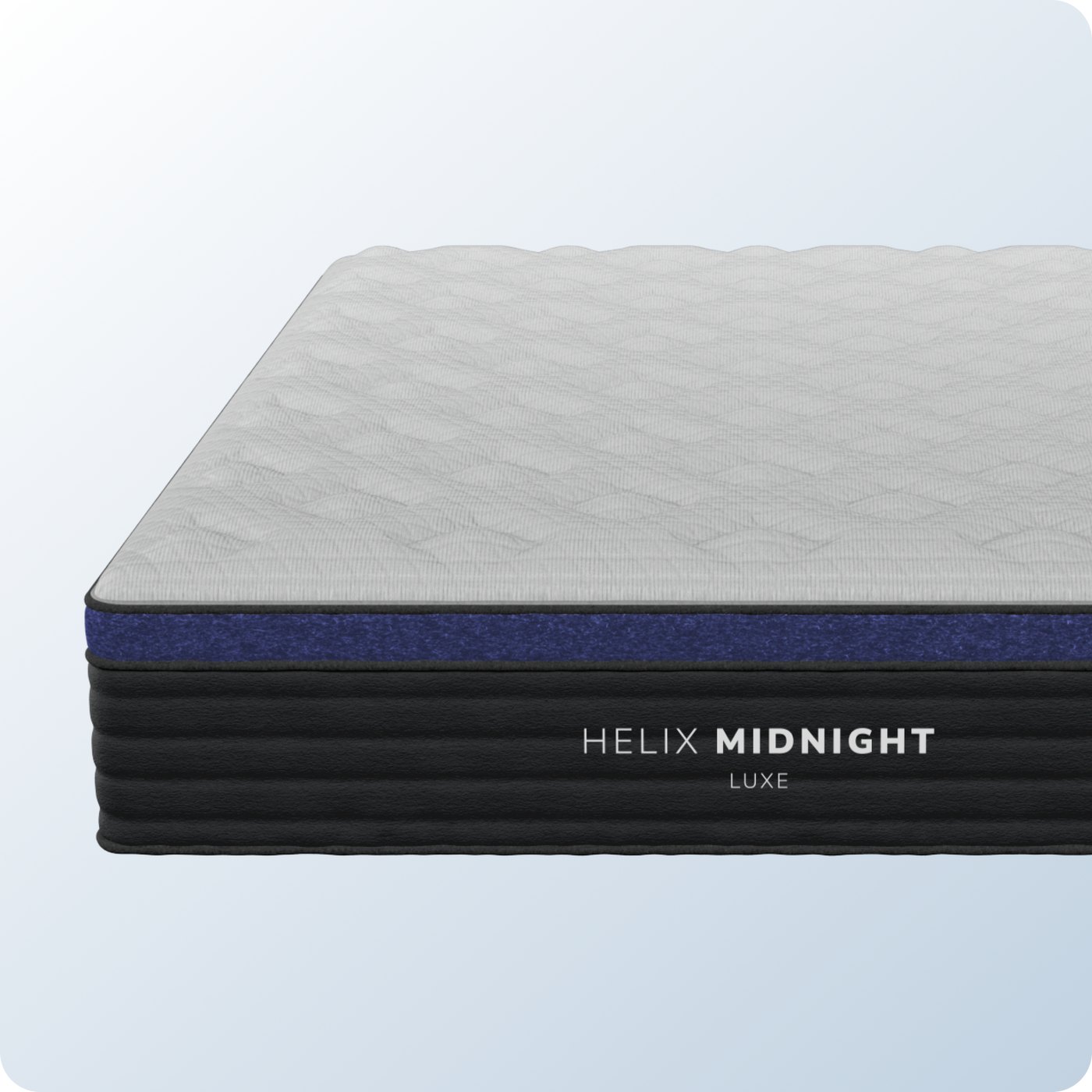
Firmness: 5.5/10
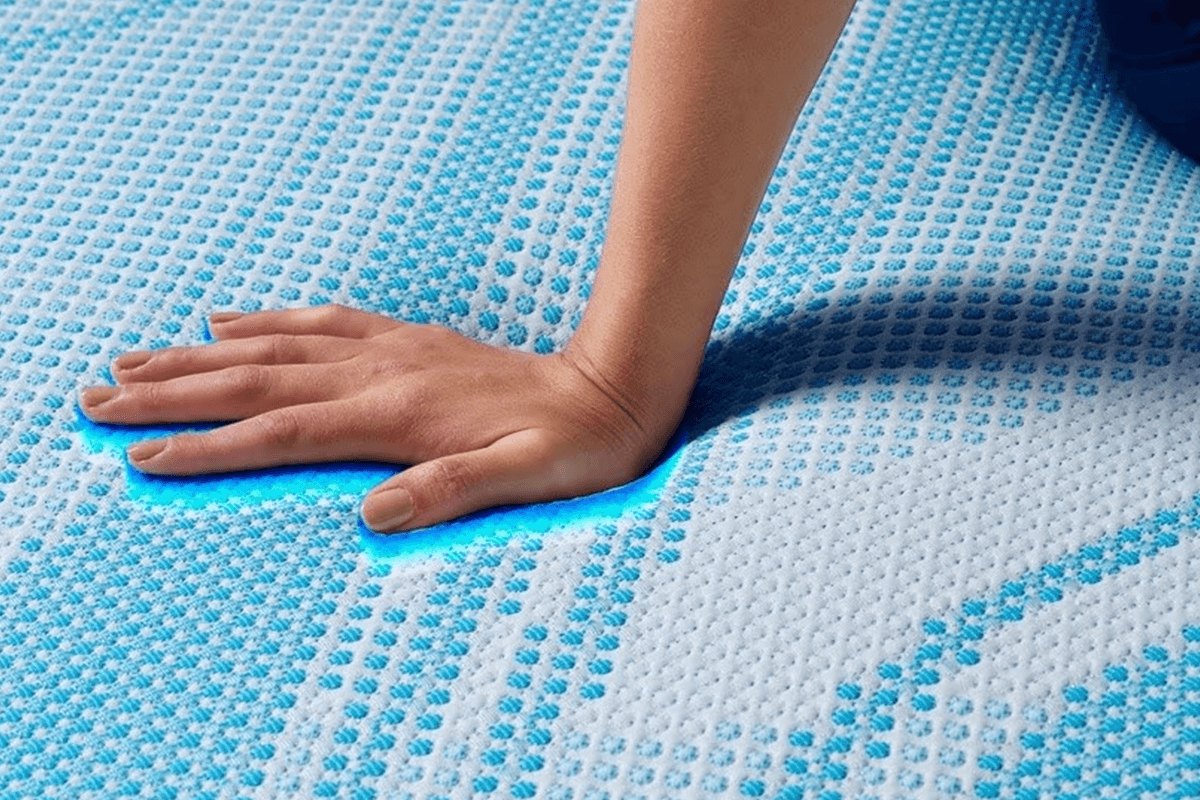
Firmness: 5/10
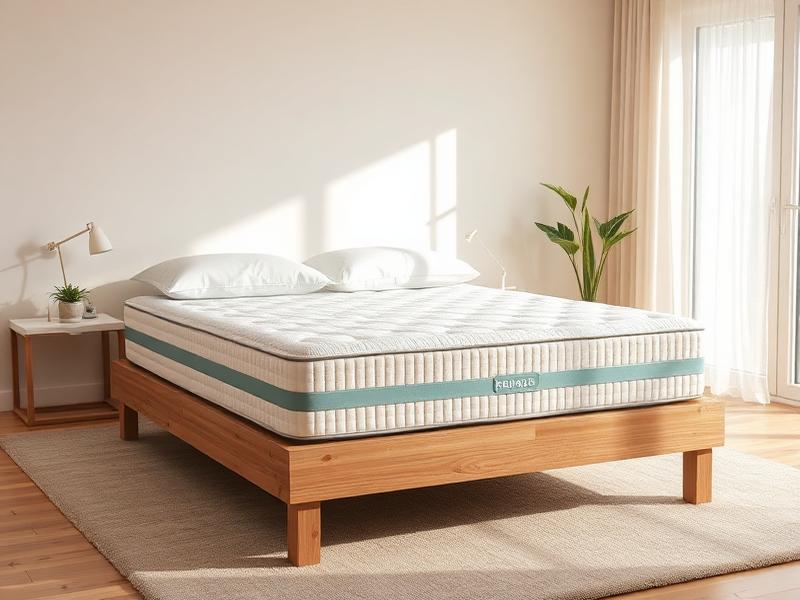
Firmness: 5/10
Restless leg syndrome (Willis-Ekbom disease) is a neurological condition driven by dopamine dysregulation and often worsened by iron deficiency. Symptoms peak in the evening and at night when you're trying to settle, with an irresistible urge to move that destroys sleep architecture for both you and anyone sharing the bed.
Three measurable mattress factors directly influence symptom severity:
Get evaluated.
RLS is treatable with iron repletion, dopamine agonists, or alpha-2-delta ligands when appropriate. A better mattress reduces triggers but doesn't replace the workup. Ask your doctor for a serum ferritin level — under 75 ng/mL is often the smoking gun.
The best mattresses for restless leg syndrome (RLS) are responsive hybrids with strong motion isolation, cooling, and easy repositioning. Latex hybrids and pocketed-coil hybrids outperform pure memory foam because they let you reposition without dragging through deep sink.
For some sleepers, yes. Dense memory foam can create a 'stuck' feeling that amplifies the urge to move, and heat retention worsens RLS symptoms. Look for foam with phase-change cooling or a hybrid construction with breathable coils underneath.
Overheating is a known RLS trigger because elevated skin temperature increases nervous system arousal at night. Mattresses with phase-change covers, breathable coils, and gel-infused foams reduce overnight skin temp by 2–4°F in our lab — measurable enough to lower symptom severity.
Often the answer is split-king motion isolation instead. A mattress with excellent motion isolation (8.5+ in our tests) means leg movements stay contained to one side. Both partners get to stay in the same bed without the kicking translating across the surface.
No, but it can dramatically reduce symptom severity. RLS is a neurological condition that should be evaluated by a doctor — iron deficiency and dopamine dysfunction are common drivers. A supportive, cool, motion-isolating mattress reduces triggers but isn't a substitute for treatment.
If you're researching restless leg syndrome, these related guides often help too.