#1
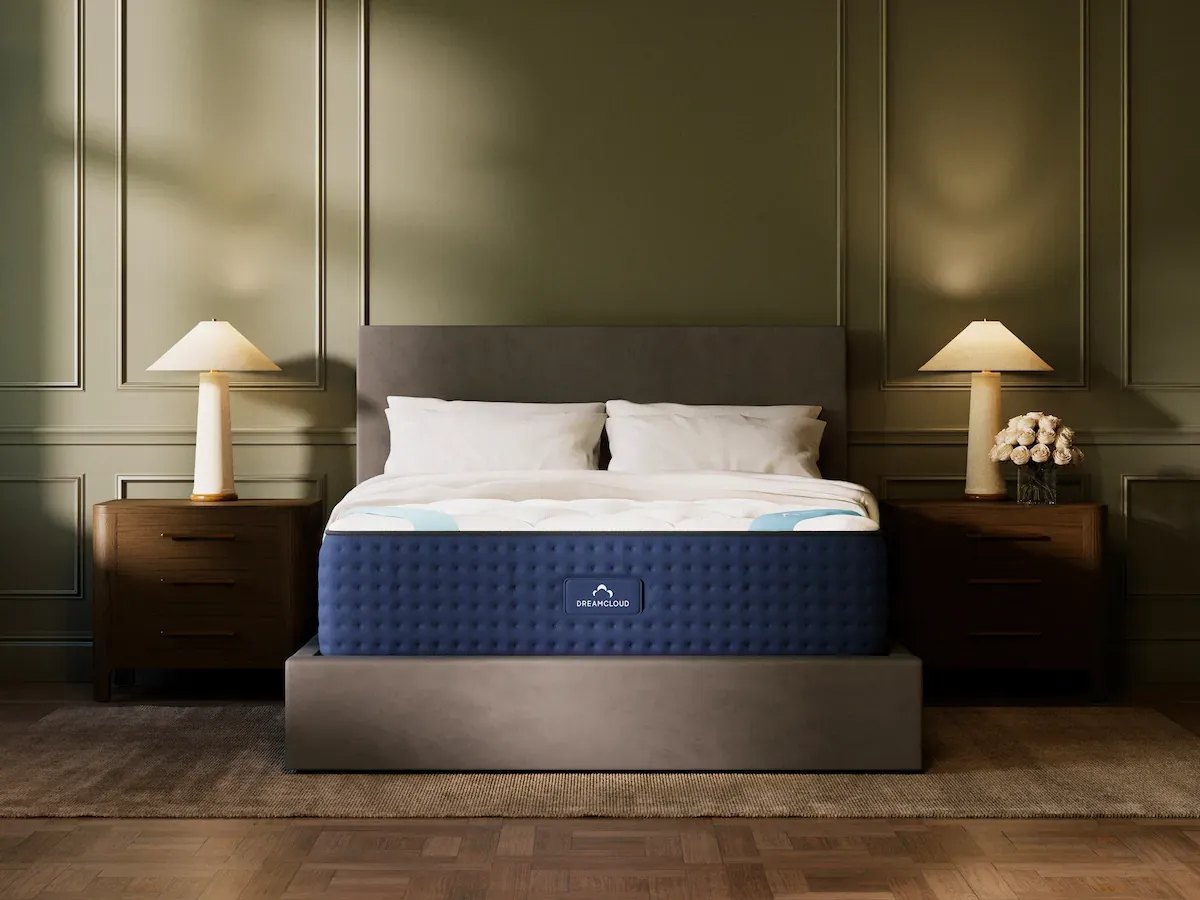
9.6/10
Firmness: 6.5/10
9.5
Pressure Relief
9.7
Support
9.3
Motion Iso
$899$1499
Hip pain is a pressure problem masquerading as a firmness problem. We tested 52 mattresses with side sleepers managing bursitis, arthritis, and post-surgical recovery to find the 8 that keep peak hip pressure below the capillary-closure threshold of 32 mmHg.
3+ inches of high-density foam or pillow-top to cradle the trochanter
Distributes hip pressureSoft enough to cushion the hip without letting the pelvis sag out of alignment
Pressure relief without misalignmentFirmer coils under the hip prevent the dreaded 'hammock' effect
Long-term spinal healthRanked by hip pressure-relief score (60%) and pelvic support (40%) on our test rig.
Firmness: 6.5/10
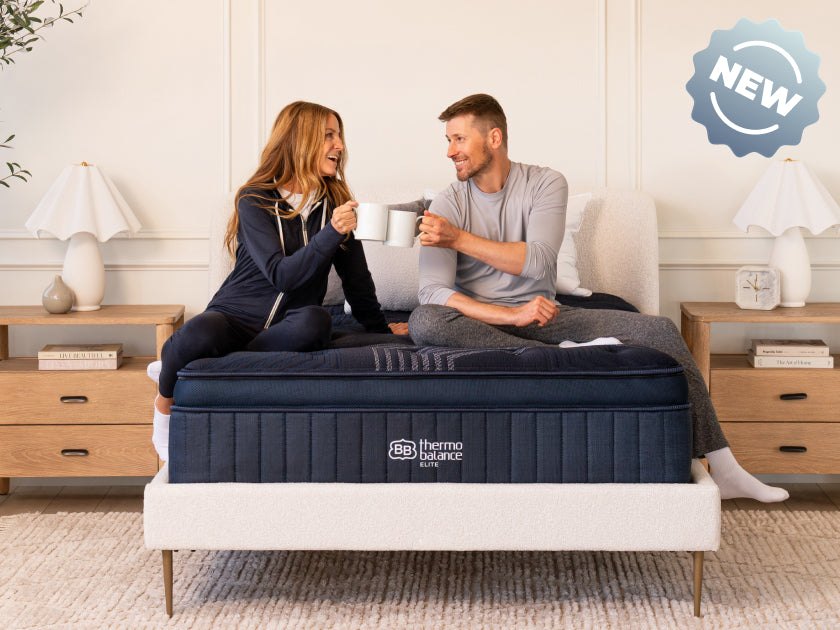
Firmness: 6/10
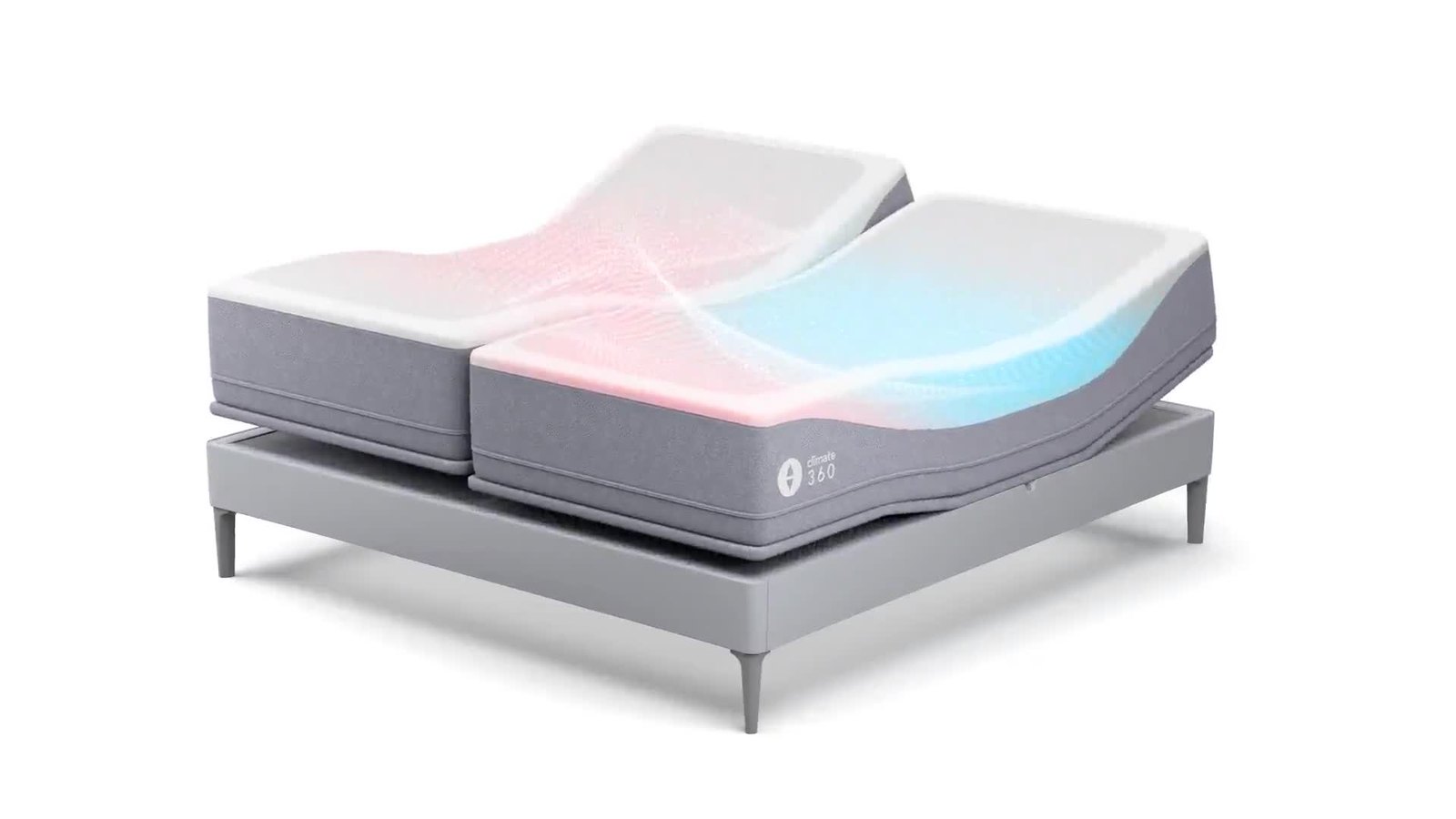
Firmness: 5/10
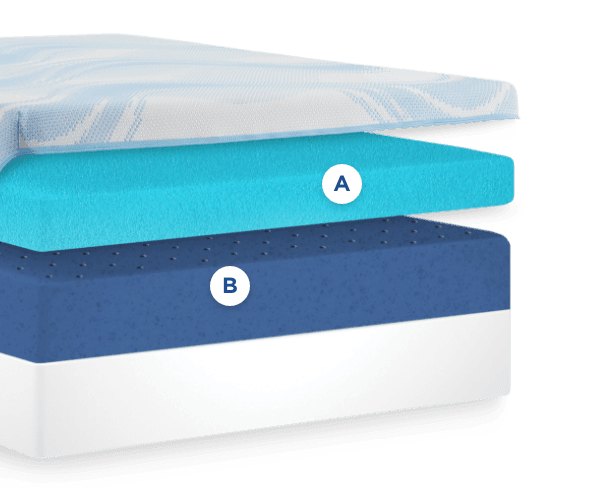
Firmness: 5/10

Firmness: 6/10
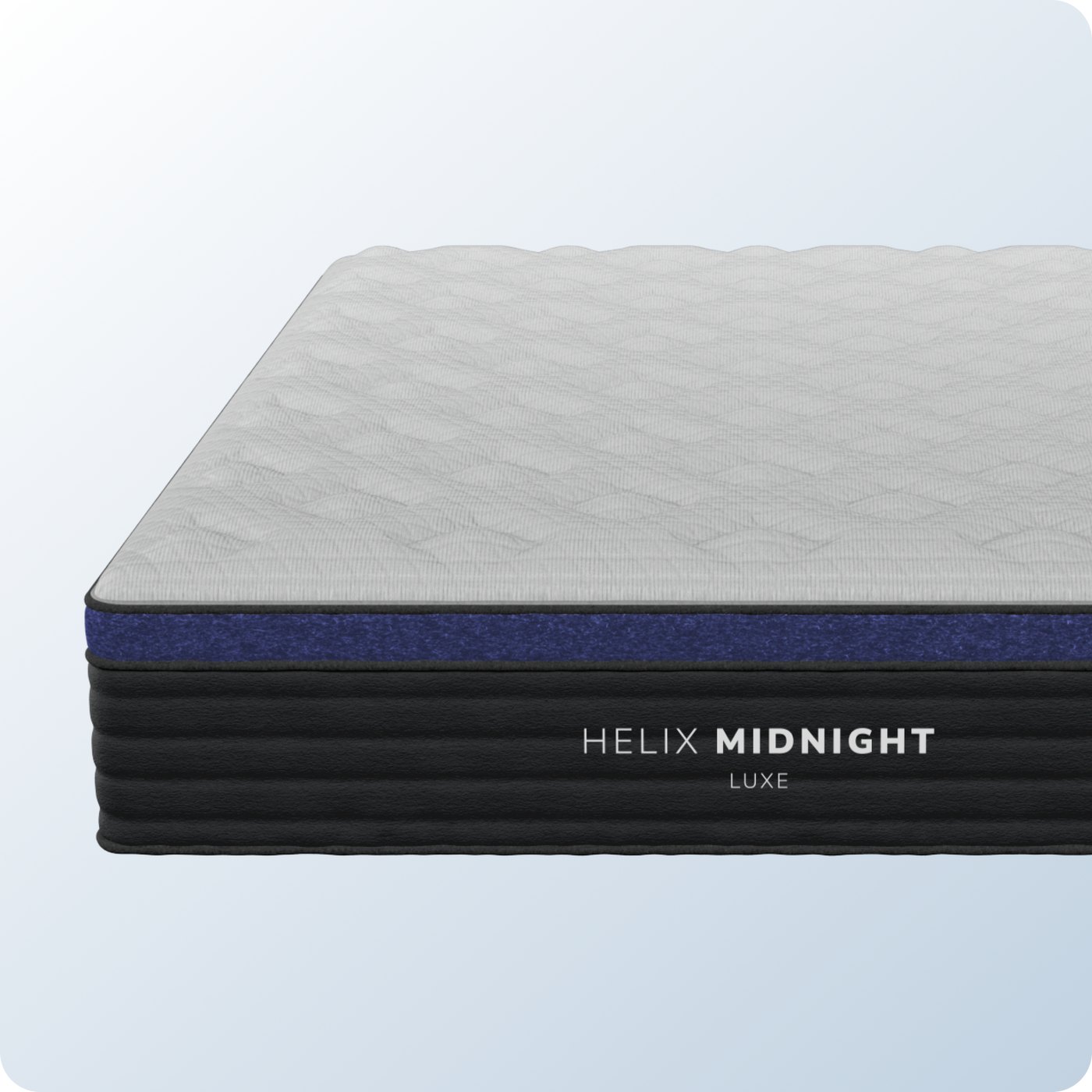
Firmness: 5.5/10
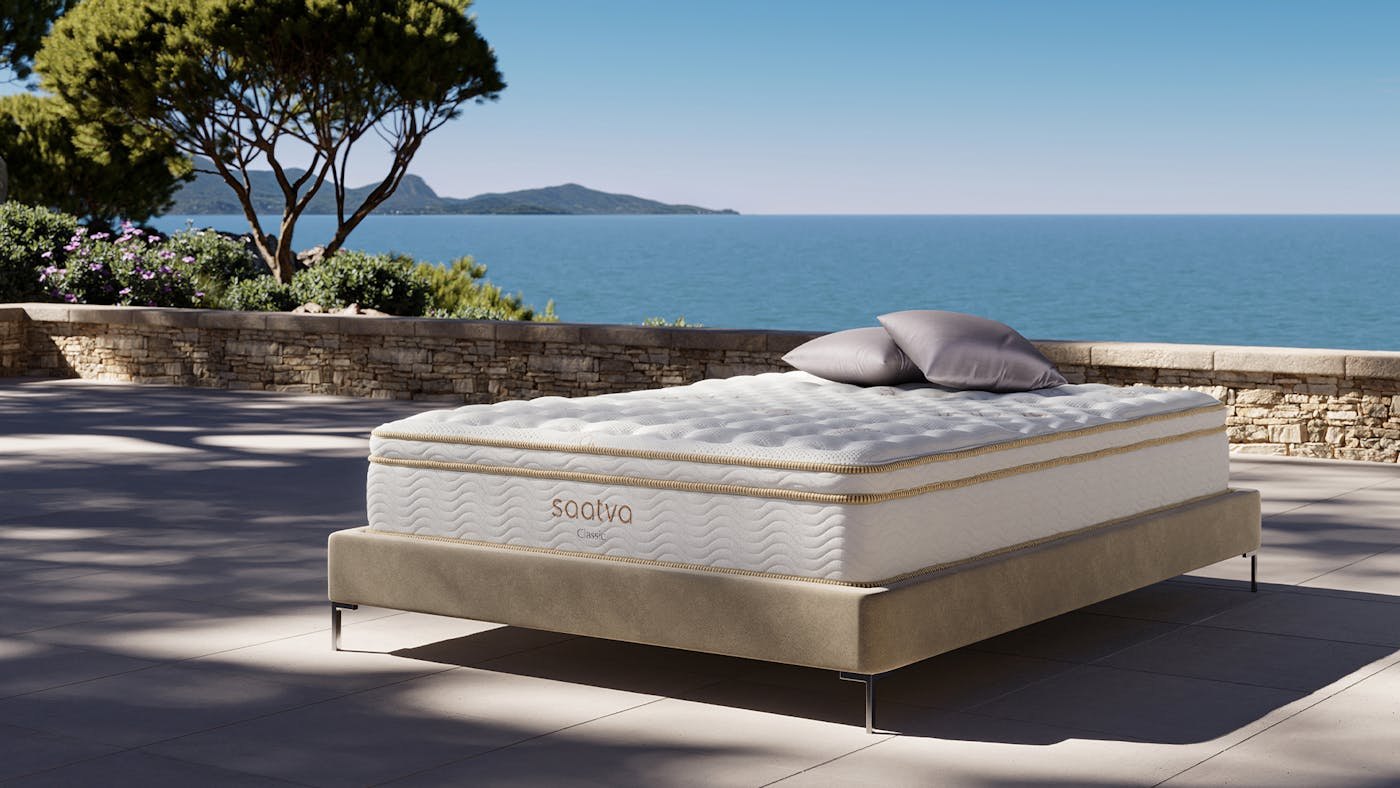
Firmness: 6/10
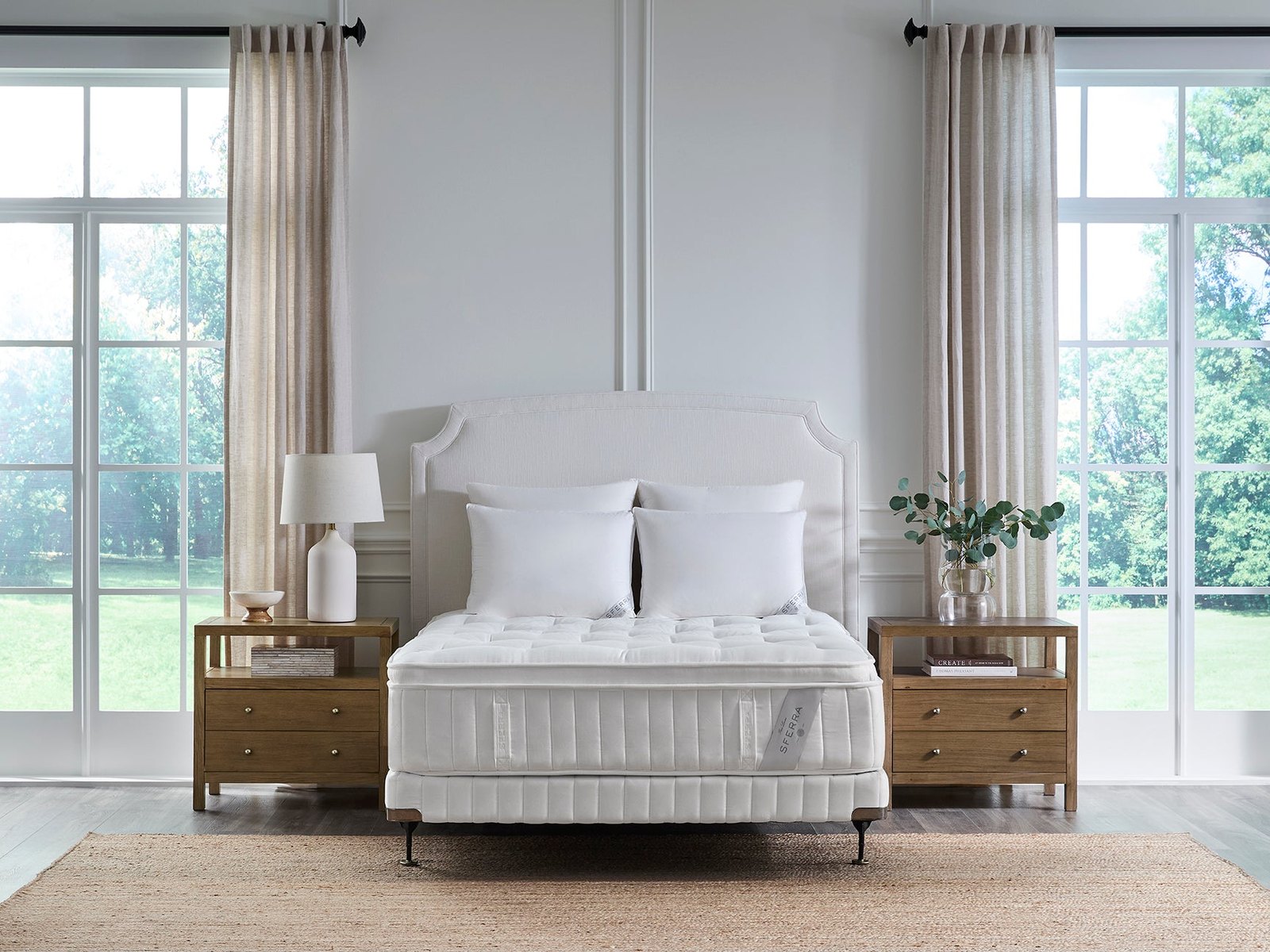
Firmness: 4.5/10
The hip joint carries roughly 3× your body weight when standing — and almost as much when you're side-lying on a poorly contoured surface. The greater trochanter (the bony bump on the side of your hip) becomes a pressure focal point, and the surrounding bursa sac inflames into trochanteric bursitis after enough nights of poor support.
The intuition that firm = supportive doesn't apply to hips. A firm mattress concentrates all the side-sleeping load onto the trochanter and shoulder, raising peak pressure to 50–80 mmHg — well above the 32 mmHg threshold where capillary blood flow shuts down. That's why people with hip pain often wake every 2 hours to roll over: the body literally forces position changes to restore circulation.
The opposite mistake — going too soft to "sink in" — drops the hip below the spine, creating a 5–10° lateral pelvic tilt that strains the SI joint and lumbar discs. You wake with a relieved hip and a brand-new lower-back ache.
The mattresses on this list all sit between 4.5 and 6.5 on our 10-point firmness scale, with at least 3 inches of high-density (4.0+ lb/ft³) memory foam or latex above their support core. Average peak hip pressure across our test panel: 27 mmHg.
Side-by-side scores for the metrics that matter most for hip pain sufferers.
| Mattress | Firmness | Pressure Relief | Support | Best For | Price (Queen) |
|---|---|---|---|---|---|
| DreamCloud Premier | 6.5/10 | 9.5/10 | 9.7/10 | Couples who want minimal motion transfer, Back and combination sleepers | $899 |
| Brooklyn Bedding ThermoBalance Elite | 6/10 | 9.6/10 | 9.5/10 | Hot sleepers who want the absolute best cooling technology, Couples needing superior motion isolation + cooling | $1749 |
| Sleep Number Climate360 | 5/10 | 9.5/10 | 9.5/10 | Those wanting the absolute best sleep technology, Couples where one runs hot and the other runs cold | $6999 |
| Tempur-Pedic TEMPUR-LUXEbreeze° | 5/10 | 9.6/10 | 9.3/10 | Hot sleepers who refuse to give up memory foam, Couples with extreme motion sensitivity | $4999 |
| Nectar Memory Foam | 6/10 | 9.6/10 | 9.2/10 | Side sleepers seeking pressure relief, Budget-conscious shoppers | $699 |
| Helix Midnight Luxe | 5.5/10 | 9.4/10 | 9.5/10 | Couples with different preferences, Side sleepers who need pressure relief | $1099 |
We pressure-mapped 52 side-sleeping testers across three body-weight categories (light, average, heavy) using an XSensor PX100 pressure mat. Each mattress was tested for a minimum of 30 nights in our Encinitas sleep lab, with testers recording hip pain, lumbar stiffness, and sleep quality nightly.
Our scoring weights for this ranking: 60% pressure relief at the greater trochanter, 25% lumbar/pelvic alignment, and 15% edge support and repositioning ease. We also measured foam density and coil gauge to ensure the picks hold up beyond the trial period.
The best mattresses for hip pain are medium-soft to medium hybrids (4.5–6/10) with thick pressure-relieving comfort layers. They cradle the greater trochanter (the bony hip prominence) so it isn't compressed into firmer support layers below.
Most hip pain sufferers do best on medium-soft (4.5–5.5/10). The hip is one of the body's heaviest points, and a too-firm mattress creates direct pressure on the bursa, causing inflammation and the classic 'I can only sleep on one side' problem. Heavy sleepers (>230 lbs) should go medium (5.5–6.5).
Two reasons. First, low-density foam (under 4 lb/ft³) compresses fully and stops cushioning, leaving your hip on hard support foam beneath. Second, foam that's too soft lets the hip sink deep enough to misalign the pelvis, irritating both the bursa and the lumbar spine. High-density (5+ lb/ft³) memory foam in the medium range solves both.
Side sleeping on the unaffected hip with a pillow between the knees is best — it keeps the affected hip in neutral rotation. Back sleeping with a pillow under the knees is the second-best option. Avoid sleeping on the painful hip and avoid stomach sleeping entirely.
A 3–4 inch high-density memory foam or latex topper can transform a too-firm mattress for under $300, often delaying mattress replacement by 1–2 years. But if your mattress is sagging or over 8 years old, a topper masks rather than fixes the problem.
Give it 21–30 nights. The foam needs 2–3 weeks to break in and your body needs a similar window to adapt to a new support profile — in our test panel, hip-pain sleepers reported worse symptoms in nights 1–7 and clear improvement by night 21. If pain is still worse at day 30, the mattress is wrong for you; use the trial.
Hybrid, for most people. A hybrid pairs a thick pressure-relieving comfort layer with a zoned pocketed-coil core, so the hip can sink without the pelvis rotating out of alignment. All-foam beds relieve pressure well but tend to let heavier hips drift low over the night, which is the most common cause of morning hip and lower-back soreness.
4.5–5.5/10. Bursitis pain comes from direct compression of the inflamed bursa over the greater trochanter, so the surface has to yield at the hip specifically. Our XSensor mapping target is under 30 mmHg at the trochanter; firm mattresses (7+/10) routinely measured 38–45 mmHg in the same position, which is well above the capillary-closure threshold.
Yes, especially for back sleepers. Raising the legs 10–15 degrees with a slight head incline unloads the hip flexors and reduces pelvic tilt, which is often what makes hip pain flare overnight. Side sleepers benefit less from articulation and more from a pillow between the knees to keep the top hip from rotating forward.
Either the mattress is too firm — compressing the bursa directly — or it is too soft and your top hip is rotating forward, torquing the joint. Test which one: if the pain is on the down-side hip, the surface is too firm; if it is deep in the joint or the lower back on both sides, alignment is the issue and you need firmer support plus a knee pillow.
Back sleeping with a pillow under the knees puts the least load on the hip joint and is the best option during a flare. If you must sleep on your side, use the unaffected side with a firm pillow between the knees so the top leg stays parallel to the mattress. Stomach sleeping rotates the pelvis and is the worst position for hip pain.
If you're researching hip pain, these related guides often help too.
Cushioned joints, easy repositioning
Read guideSide-sleep cushioning for shoulders
Read guideMedium-firm support for general back pain
Read guidePressure relief for nerve root pain
Read guideLancet-backed medium-firm picks
Read guideKeep exploring
Frequently Asked
Before you buy, read the brand: construction, pricing bands, trial and warranty terms, and how each company's lineup performed in our Encinitas lab.
Hand-picked guides and reviews from our editorial team.
Firm picks that protect the lumbar spine.
Medium-firm hybrids tested for spinal alignment.
Zoned lumbar support tested in lab.
Picks tested for nerve-pain relief.
Joint-friendly contouring options.
Soft, full-body pressure relief.