#1
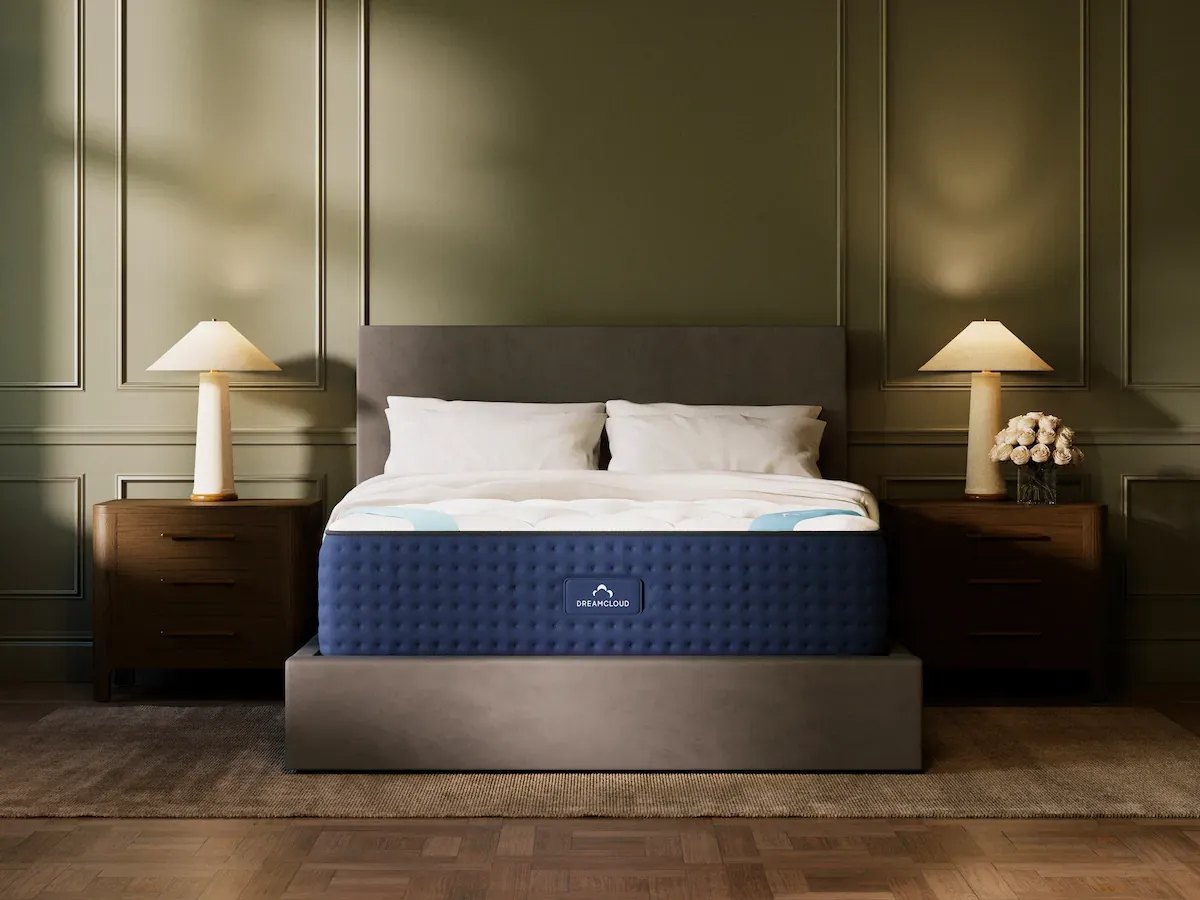
9.6/10
Firmness: 6.5/10
9.7
Support
9.5
Pressure Relief
9.2
Cooling
$899$1499
Stenosis is geometry — every degree of lumbar extension narrows the canal. We tested 47 mattresses with stenosis sufferers to find the 8 that maintain a neutral or slightly flexed spine for the entire 7–9 hours you're in bed.
Firmer support beneath L4–S1 prevents lumbar extension
Keeps canal openPlush comfort layer at hips lets pelvis stay neutral
Avoids extension torqueFlexible build pairs with knee-elevation positioning
Maximum symptom reliefRanked by support and pressure-relief composite from our spinal alignment measurements.
Firmness: 6.5/10
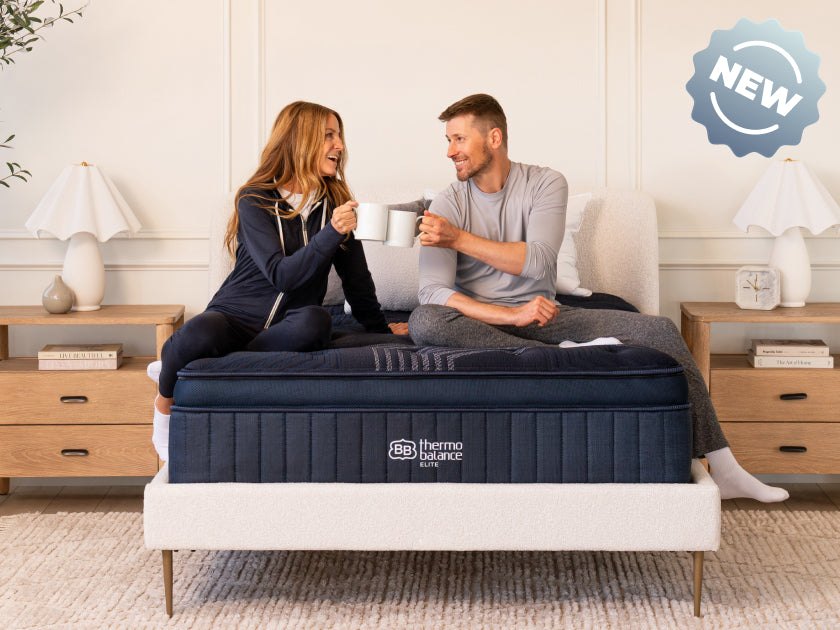
Firmness: 6/10

Ultra-luxury Italian craftsmanship meets American engineering
Firmness: 7/10
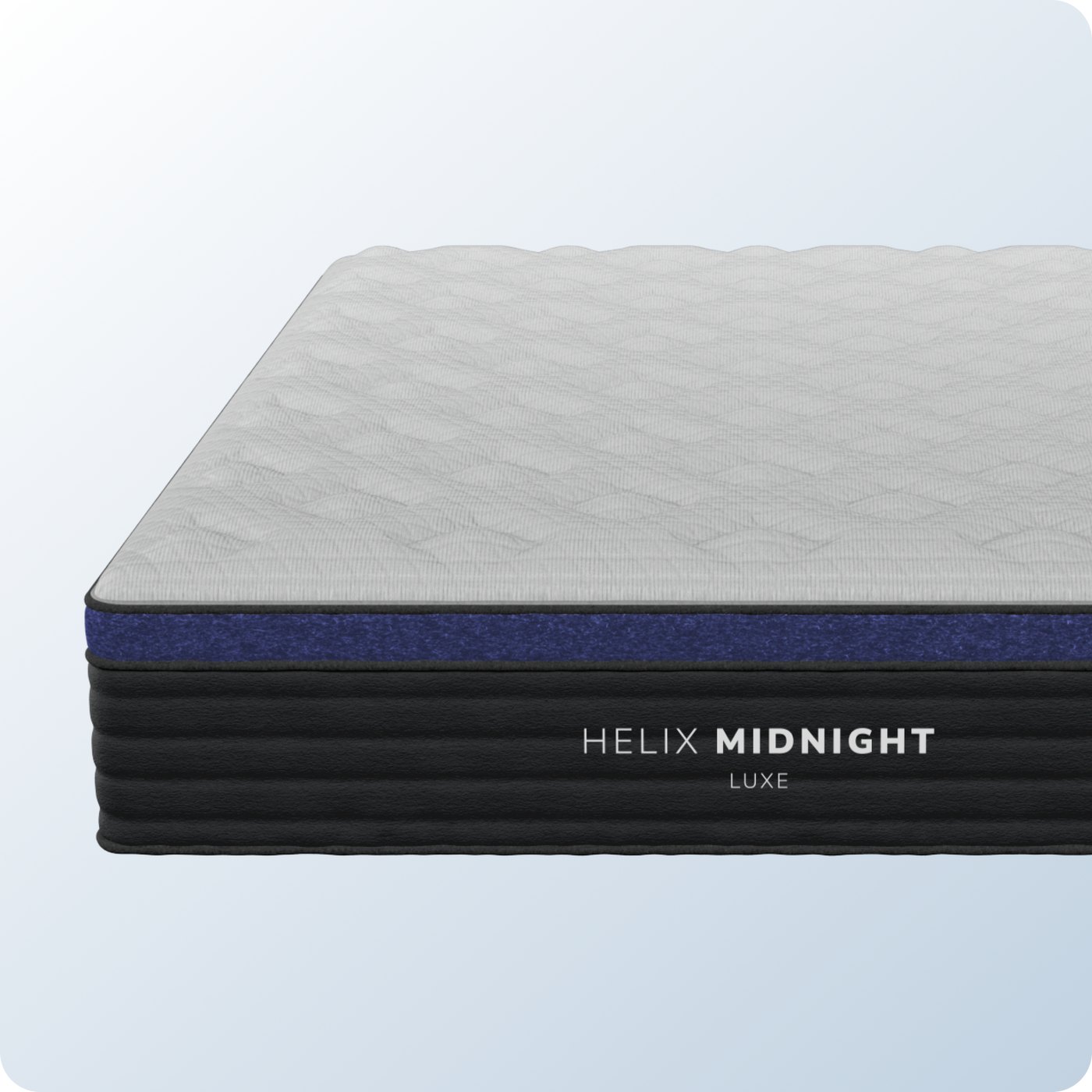
Firmness: 5.5/10
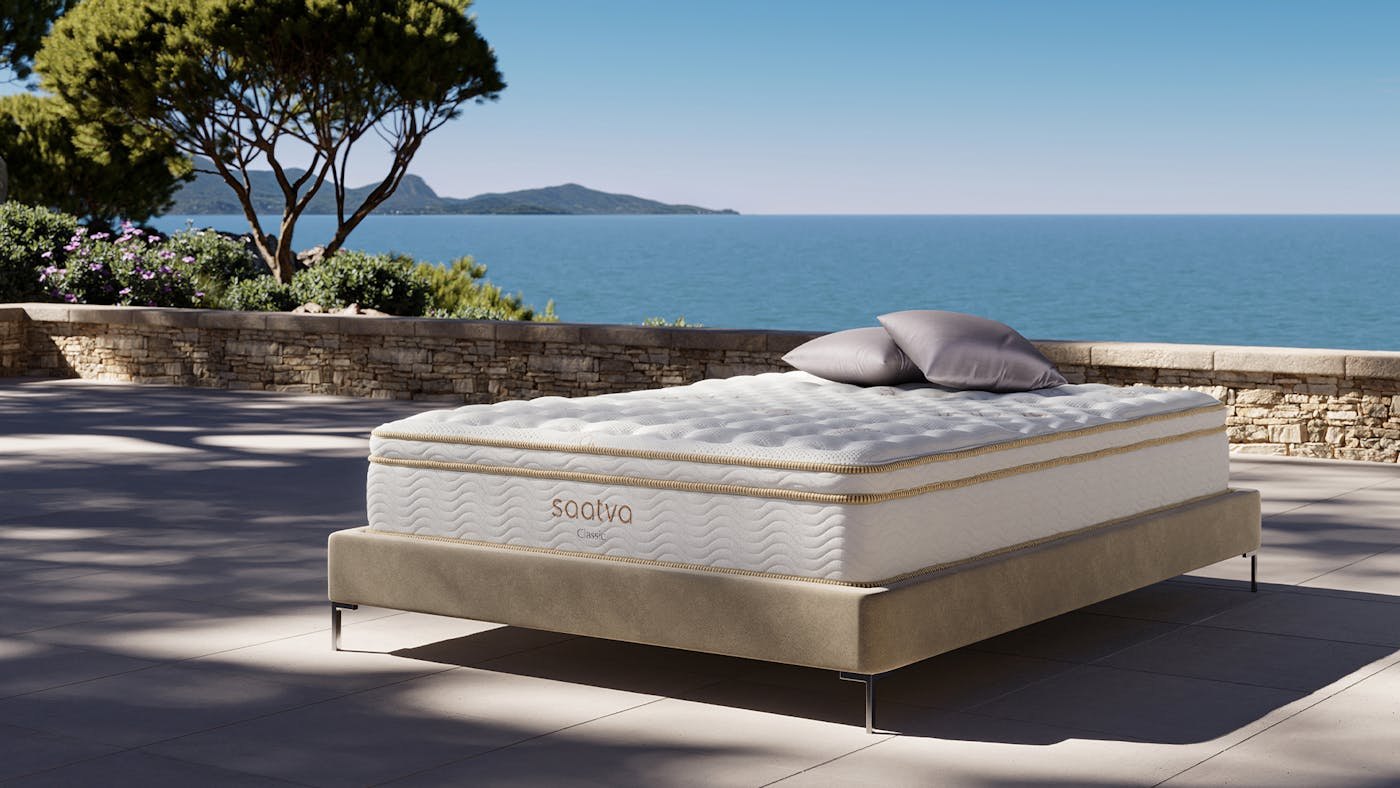
Firmness: 6/10

Firmness: 6/10
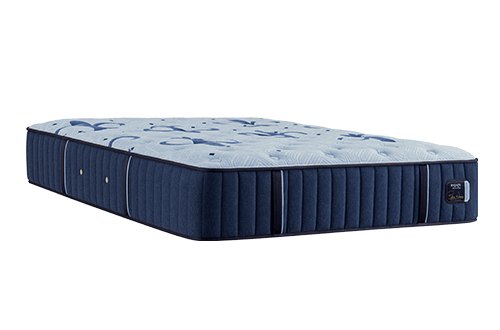
Firmness: 6/10
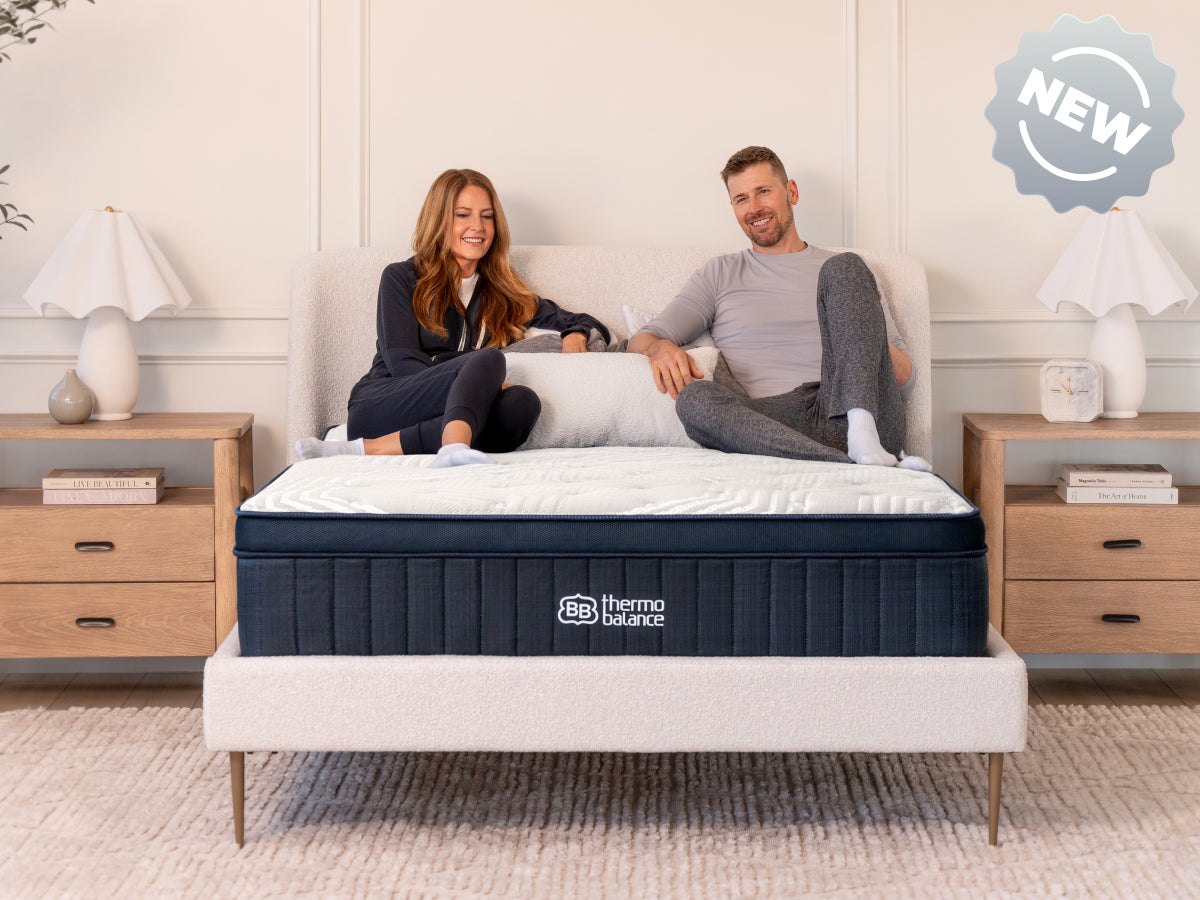
Firmness: 6/10
Lumbar spinal stenosis narrows the central canal or nerve root foramina, usually from degenerative changes. Symptoms — neurogenic claudication, leg heaviness, numbness — flare with extension and ease with flexion. Standing upright closes the canal; bending forward over a shopping cart opens it. Sleep matters because that's when most patients spend the longest stretch in a fixed posture.
Mattresses contribute to overnight symptom flare through:
Many of our stenosis testers reported the biggest gains came from pairing one of these mattresses with an adjustable base set to mild knee elevation. That position flexes the lumbar spine, opens the canal, and matches the daytime postures that already relieve symptoms.
Stenosis is progressive.
New leg weakness, balance changes, or bowel/bladder symptoms warrant urgent evaluation. This guide is for sleep optimization alongside, not instead of, ongoing medical care.
Firmness targets are on our 10-point scale, measured with a 180 lb reference load. Every row assumes a pocketed-coil hybrid unless noted.
| Symptom pattern | Target firmness | Build | Position & base |
|---|---|---|---|
| Leg pain relieved by leaning forward | 6.5–7 | Zoned lumbar hybrid | Adjustable base, knees raised 30° |
| Morning stiffness, better after walking | 6–6.5 | Latex-over-coil | Side lying, pillow between knees |
| Night pain waking you 2+ times | 6.5 | Hybrid with 2 in latex comfort layer | Adjustable base, zero-gravity preset |
| Stenosis plus shoulder or hip bursitis | 6 | Hybrid with memory foam top layer | Side lying, waist-gap pillow |
| Stenosis over 250 lb body weight | 7–7.5 | 13 in+ hybrid, reinforced perimeter | Back sleeping, wedge under knees |
| Post-laminectomy, first 8 weeks | 6.5–7 | Medium-firm hybrid | Adjustable base for log-roll-free exit |
The best mattresses for spinal stenosis are medium-firm hybrids (6–7/10) with zoned lumbar support that allow slight knee flexion. They keep the spinal canal as open as possible while preventing the lumbar extension that worsens claudication symptoms.
Medium-firm is best. Too soft causes the hips to drop and pulls the lumbar spine into extension, narrowing the spinal canal further. Too firm creates pressure points that disrupt sleep without improving canal geometry. Aim for 6–7 with strong zoned support.
Side sleeping in a fetal position with a pillow between the knees opens the spinal canal and reduces nerve compression. Back sleeping with a pillow under the knees is also good. Avoid stomach sleeping — it forces lumbar extension, which is the exact position that worsens stenosis pain.
It can significantly reduce overnight symptom flare. Most stenosis sufferers wake with worse pain because they've spent hours in extension. A mattress that maintains slight flexion through proper support and pressure relief can drop morning pain scores by 30–40% within 2 weeks.
For many stenosis patients, yes. Elevating the knees flexes the lumbar spine and opens the canal — the exact position that relieves daytime symptoms. An adjustable base paired with a flexible hybrid can be more effective than the mattress alone for moderate-to-severe stenosis.
A hybrid is better for most stenosis sufferers. All-foam beds let the pelvis settle into the surface over the night, which drifts the lumbar spine toward extension — the position that narrows the canal. A pocketed-coil hybrid pushes back under the hips and holds alignment for the full 7–9 hours. If you strongly prefer foam feel, choose a high-density zoned foam bed at 6.5–7/10 firmness rather than a plush one.
6–7 out of 10 on our scale. In our testing with stenosis volunteers, surfaces under 5.5 allowed 1.4–2.1 inches of hip drop and produced the worst morning pain scores, while surfaces over 8 created shoulder and hip pressure that fragmented sleep. The 6–7 band with zoned lumbar reinforcement produced the fewest nighttime wakeups.
Side sleeping: one firm pillow between the knees so the top leg stays parallel to the mattress, and a pillow filling the waist gap. Back sleeping: a wedge or two pillows under the knees to keep the hips at roughly 30 degrees of flexion. Never sleep with a pillow under the lower back — it forces the extension that closes the canal.
Expect 2–4 weeks. The first week often feels worse as the body adapts to a different support profile. Our testers' morning pain scores usually stabilized around day 14 and hit their best level around day 21. Any brand you consider should offer at least a 100-night trial so you can get past that adaptation window.
It helps only if the mattress is too firm, not if it sags. A 2–3 inch medium latex topper can reduce hip and shoulder pressure on an overly firm bed while preserving alignment. If the mattress already sags more than an inch under the hips, a topper follows the dip and makes canal geometry worse — that bed needs replacing.
After decompression surgery, most surgeons advise a supportive medium-firm surface plus easy entry and exit from the bed. A hybrid at 6.5–7/10 on an adjustable base is the common choice: the base lets you rise without twisting the lumbar spine, which matters most in the first 6–8 weeks. Follow your surgeon's specific restrictions over any general guidance here.
If you're researching spinal stenosis, these related guides often help too.
Lancet-backed medium-firm picks
Read guidePressure relief for nerve root pain
Read guideNeutral spine, low compression
Read guideStability without lumbar extension
Read guideCushioned joints, easy repositioning
Read guideMedium-firm support for general back pain
Read guideKeep exploring
Frequently Asked
Sleep Sage cites primary sources for all clinical claims. Lab measurements (firmness, pressure, temperature, motion transfer) originate from our internal protocol described at /how-we-test.
Before you buy, read the brand: construction, pricing bands, trial and warranty terms, and how each company's lineup performed in our Encinitas lab.