#1
9.5/10
9.6
Comfort
9.8
Cooling
9.9
Motion Isolation
$4999$5899
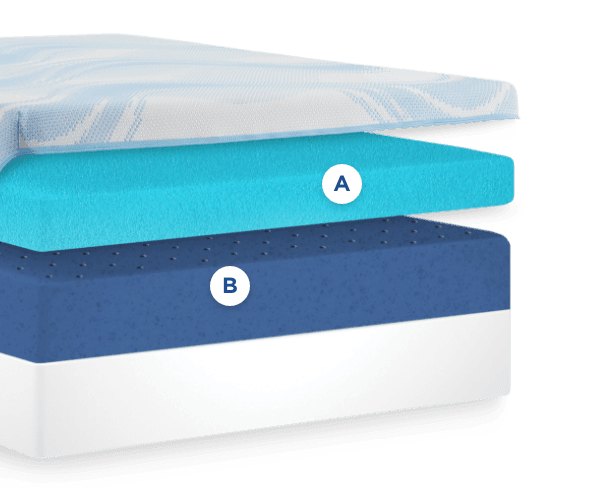
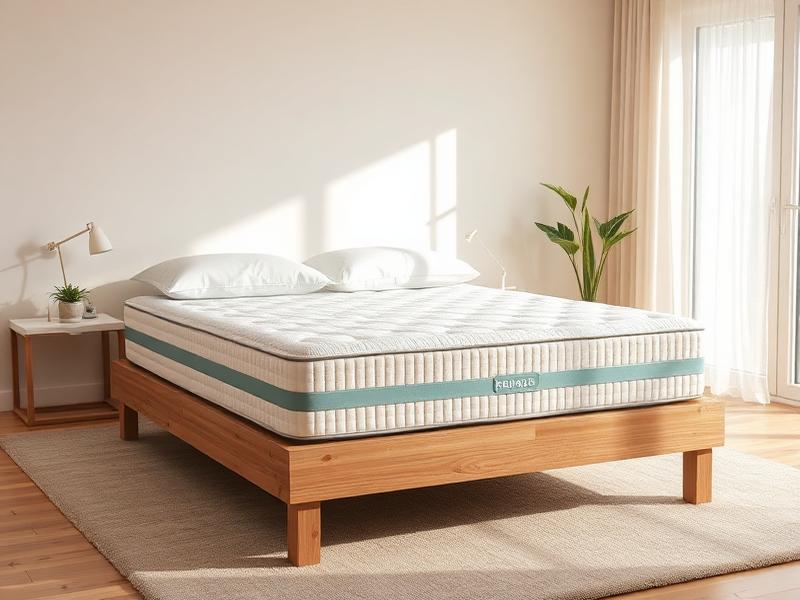
Pregnancy changes everything about how you sleep. You need extra hip and shoulder cushioning for side sleeping, cooling for hormonal temperature spikes, and enough support to ease lower back strain.
Doctors recommend sleeping on your left side during pregnancy. Deep cushioning prevents hip pain.
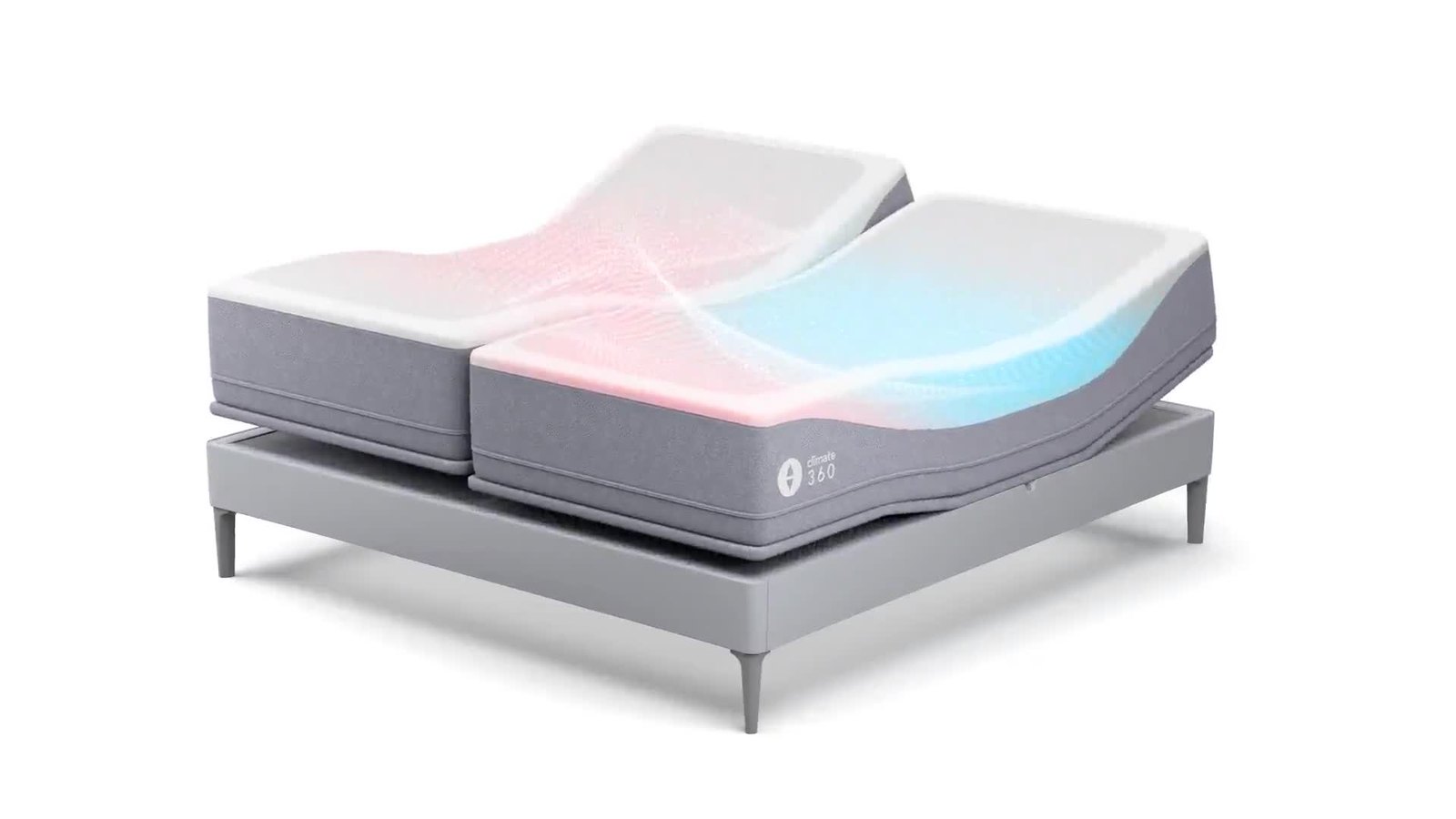
Firmness 4–6 idealPregnancy raises basal body temperature. A cooling mattress helps prevent night sweats.
Cooling 9+ recommendedCertiPUR-US or organic certifications ensure low VOC emissions — important for developing babies.
Check certificationsFrequent position changes are common. Responsive surfaces (hybrid/latex) make movement easier.
Avoid deep memory foam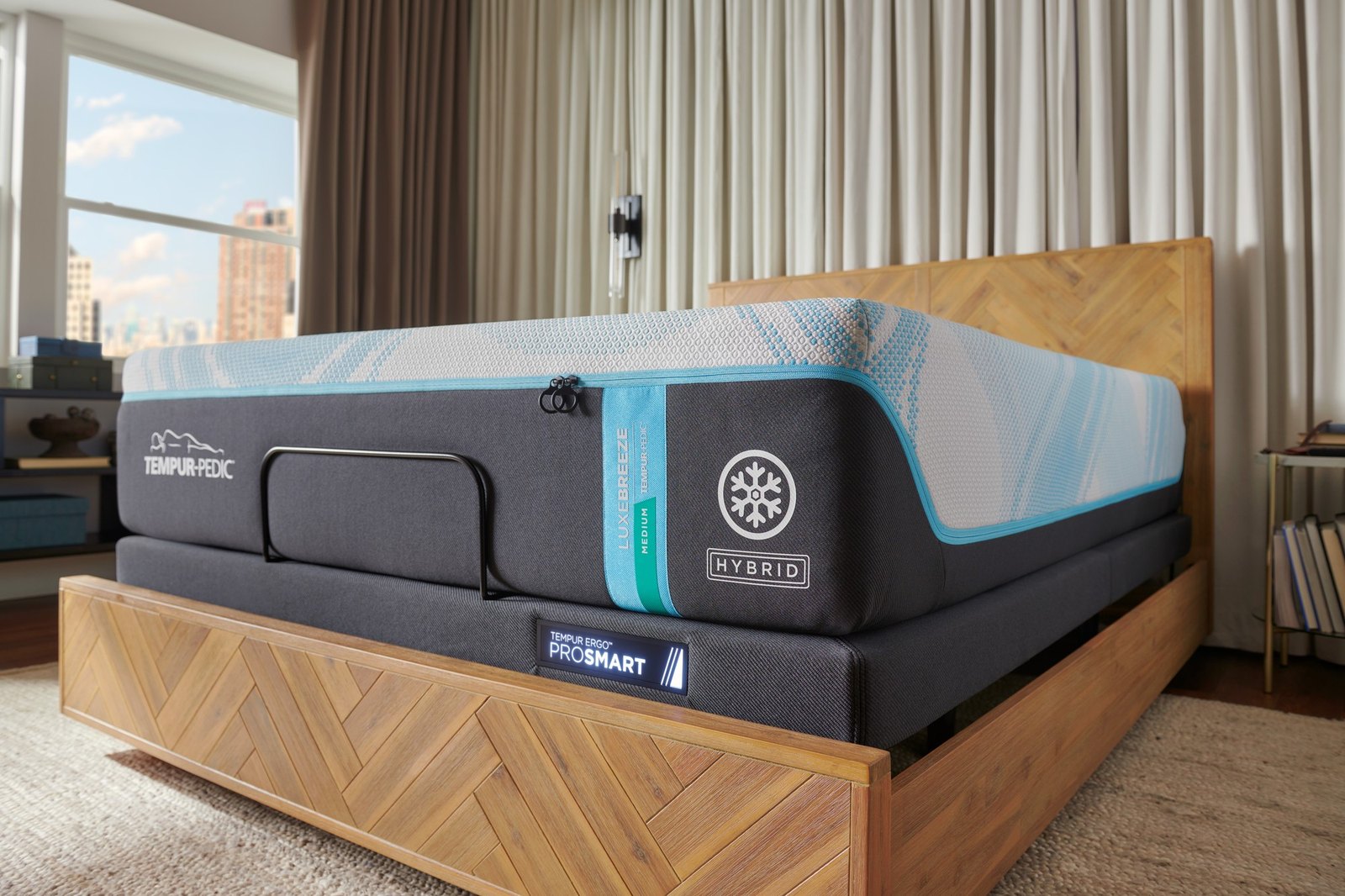

Sleep position is less critical — any comfortable position works. Focus on managing nausea and fatigue. Consider a mattress with good motion isolation if nausea causes frequent position changes.
Begin training yourself to sleep on your left side. A medium-soft mattress (4–5.5 firmness) helps cushion your growing belly. A pregnancy pillow combined with a good mattress provides optimal support.
Left-side sleeping is most important now. You'll need maximum hip and shoulder pressure relief, strong cooling (body temperature peaks), and a responsive surface for frequent repositioning. This is when mattress quality matters most.
Keep exploring
Frequently Asked
Before you buy, read the brand: construction, pricing bands, trial and warranty terms, and how each company's lineup performed in our Encinitas lab.