#1

9.4/10
TEMPUR-Material (Memory Foam)
9.6
Support
9.5
Comfort
9.5
Durability
Soft to Medium-Soft
Firmness
$69$89
With a slipped vertebra, the goal overnight is simple: keep the spine neutral and the pelvis square. The right head pillow holds alignment — and a knee pillow does the heavy lifting at the lumbar spine.
A vertebral slip means the lumbar spine cannot tolerate extension or rotation. No single head pillow fixes that — the load comes from the pelvis. Here is what we tested for.
The pillow must hold your nose pointing straight ahead or straight out — never angled up. A flexed neck tensions the spinal cord and can amplify leg symptoms from the slip.
Loft matched to positionA pillow that compresses an inch by 3 a.m. lets the neck drift for hours. We measure loft at hour 0 and hour 8 and only include fills that hold within half an inch.
Tested at 0h vs 8hThe top leg dropping forward rotates the pelvis across the slipped segment. A firm knee pillow or body pillow keeps the knees hip-width apart and the lumbar spine untwisted.
The real pain reducerSlip grade, mattress firmness, and shoulder width all change the loft you need. Removable fill lets you tune height in half-inch steps instead of buying and returning.
Shredded fill preferredThe head pillow keeps the neck neutral; the leg placement is what unloads the slipped vertebra. Set both up before you judge either.
| Position | Head pillow | Leg setup | Why it works |
|---|---|---|---|
| Side (best) | 4-5" loft, fills ear-to-shoulder gap | Firm pillow between knees, knees hip-width | Stops the top leg rotating the pelvis across the slipped segment |
| Back | 3-4" loft, light neck support | Wedge or pillow under knees at ~30° | Flexes the lumbar spine slightly, closing the slip and easing nerve irritation |
| Combination | 3-5" adjustable shredded fill | Body pillow you can hug and re-trap as you roll | Keeps pelvic control through position changes |
| Stomach | Avoid | — | Sustained lumbar extension drives forward shear on the slip — the one position to eliminate |
Selected for overnight loft retention, high support scores, and adjustable height — the three things a slipped vertebra demands from a head pillow.
TEMPUR-Material (Memory Foam)
Ergonomic contour design engineered for cervical alignment
Solid TEMPUR Material
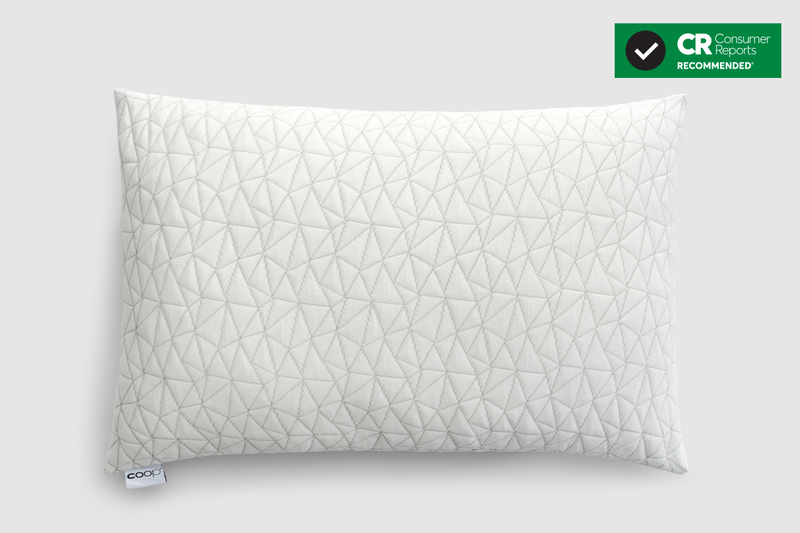
Cross-cut Memory Foam
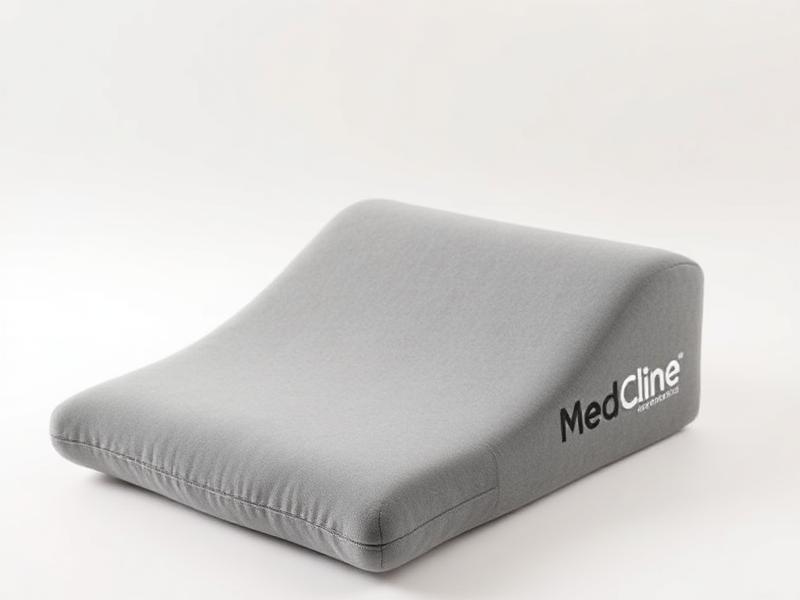
FDA-cleared therapeutic body pillow system for nighttime acid reflux
Memory foam +
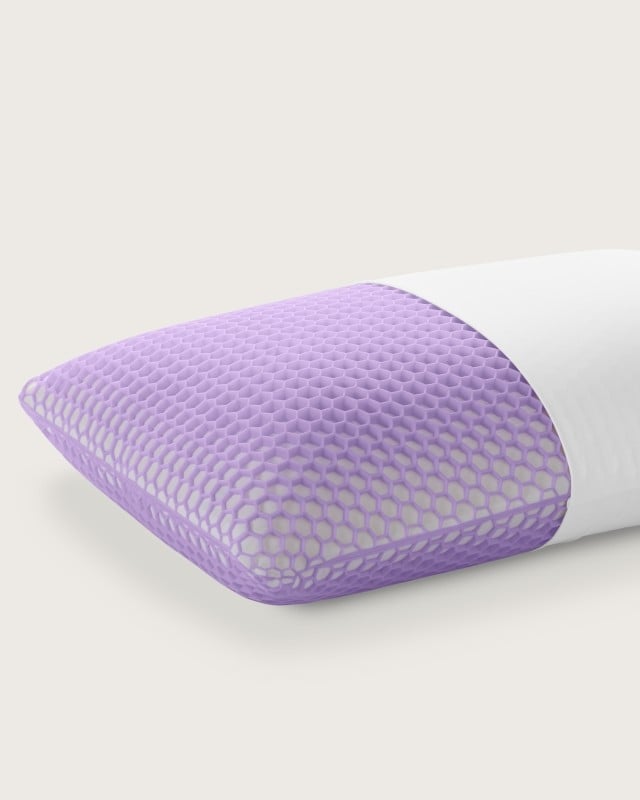
Hyper-Elastic Polymer GelFlex
Technogel® Water-Based Gel
No pillow can compensate for a mattress that lets your pelvis drop into extension. Start with a medium-firm zoned hybrid from our spondylolisthesis mattress guide, then use the pillow setup above to dial in alignment. An adjustable base set to zero-gravity replaces the knee wedge entirely, and our back pain mattress roundup covers the broader category if your diagnosis is still uncertain.
Two pillows, not one. At the head, a medium-loft pillow that holds the neck neutral without pushing the chin forward — adjustable shredded fill works best because you can tune the height. At the legs, a firm knee pillow: between the knees for side sleepers, under the knees for back sleepers. The leg pillow is what actually unloads the slipped vertebra; the head pillow just keeps the rest of the spine in line.
Yes — it is the single most effective positional change for side sleepers with a slip. Without it, the top leg drops forward, rotating the pelvis and torquing the lumbar spine across the slipped segment all night. A firm pillow thick enough to keep the knees hip-width apart stops that rotation. Our spondylolisthesis testers reported the largest morning-pain reduction from this change alone.
Yes. Flat back sleeping lets the lumbar spine settle into extension, which increases forward shear on the slipped vertebra. A wedge or firm pillow under the knees flexes the hips and lumbar spine slightly, closing the slip and reducing nerve irritation. Aim for roughly 30 degrees of knee bend — enough to flatten the lower back gently into the mattress.
Match loft to position: side sleepers need 4-5 inches to fill the ear-to-shoulder gap, back sleepers 3-4 inches. The detail that matters more than the number is neutrality — your nose should point straight ahead (back) or straight out (side), never angled up or down. A forward-flexed neck tensions the entire spinal cord and can amplify leg symptoms from the slip.
Very. A body pillow solves two problems at once: hugging it stops the top shoulder collapsing forward, and the lower half between the knees keeps the pelvis square. For side sleepers who cannot keep a loose knee pillow in place through the night, a body pillow is the more reliable option.
It can worsen symptoms, not the slip itself. A pillow that is too tall flexes the neck and rounds the upper back, which changes pelvic position and increases lumbar extension lower down. If you wake with more stiffness than you went to bed with, check pillow height before blaming the mattress — it is the cheaper fix.
No — stomach sleeping is the one position to eliminate. It forces the lumbar spine into sustained extension, driving forward shear across the slipped vertebra, and requires the neck to stay rotated for hours. If you cannot fall asleep any other way, place a thin pillow under the hips to reduce the extension while you retrain to side sleeping with a body pillow.
Keep exploring
Before you buy, read the brand: construction, pricing bands, trial and warranty terms, and how each company's lineup performed in our Encinitas lab.
Hand-picked guides and reviews from our editorial team.
Lab-tested pillow reviews.
Picks tested for vertebral stability.
Cervical-aligned picks pressure-mapped in our Encinitas lab.
Recreate your favorite hotel bed.
Pillows designed for CPAP users.
Wedge pillows for GERD relief.