#1

9.5/10
Firmness: 6/10
9.5
Support
9.6
Pressure Relief
9.9
Cooling
$1749$2332
When discs lose their shock absorption, the mattress has to provide it. We tested 44 models with DDD patients across a 6-week morning-stiffness diary. These 8 reduced wake-up pain scores by an average of 34%.
Soft top layer absorbs micro-impacts your discs no longer can
Reduces morning painFirmer base prevents the slow lumbar sag that flares facet joints
Maintains alignment all nightResponsive build helps you find the position that hurts least
Cuts night-time tossingRanked by an even composite of support and pressure relief, with cooling as a tiebreaker.
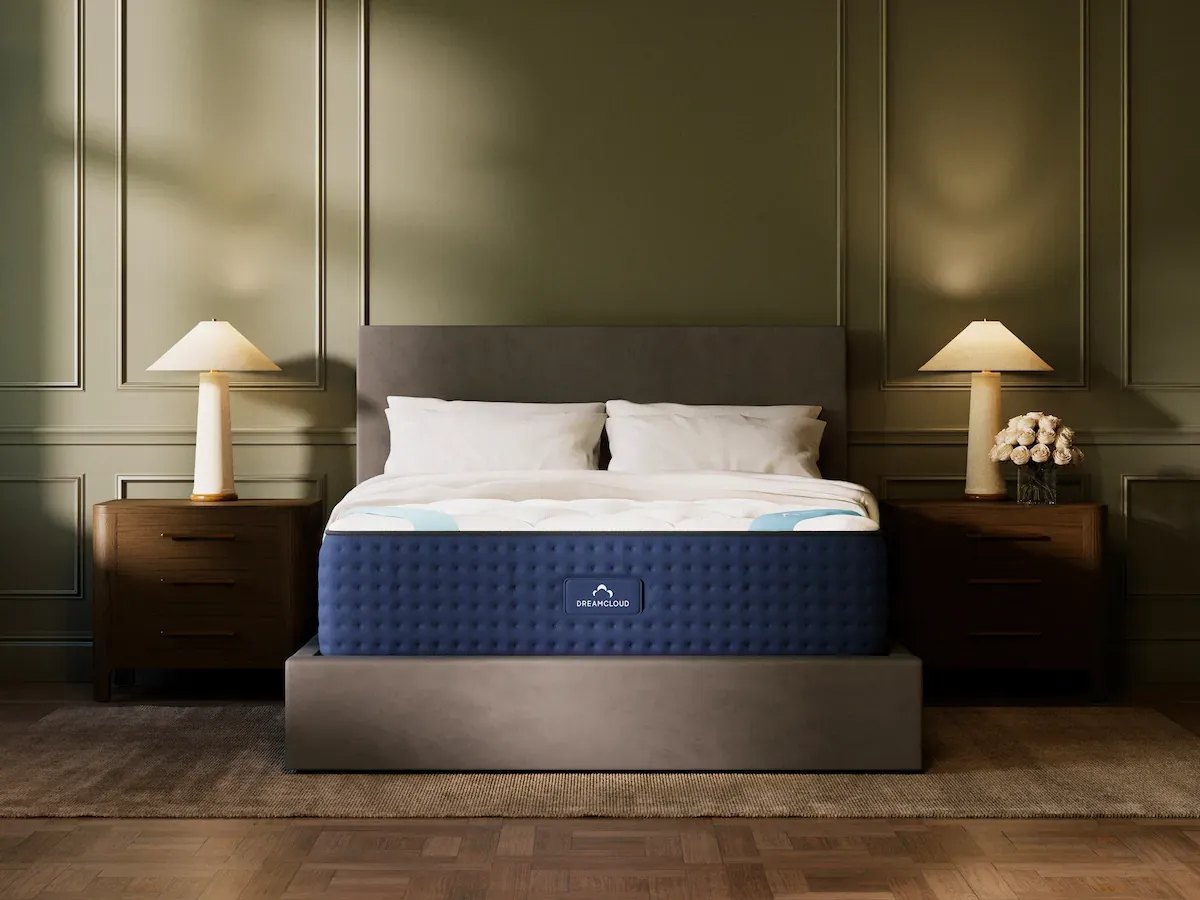
Firmness: 6/10
Firmness: 6.5/10

Ultra-luxury Italian craftsmanship meets American engineering
Firmness: 7/10
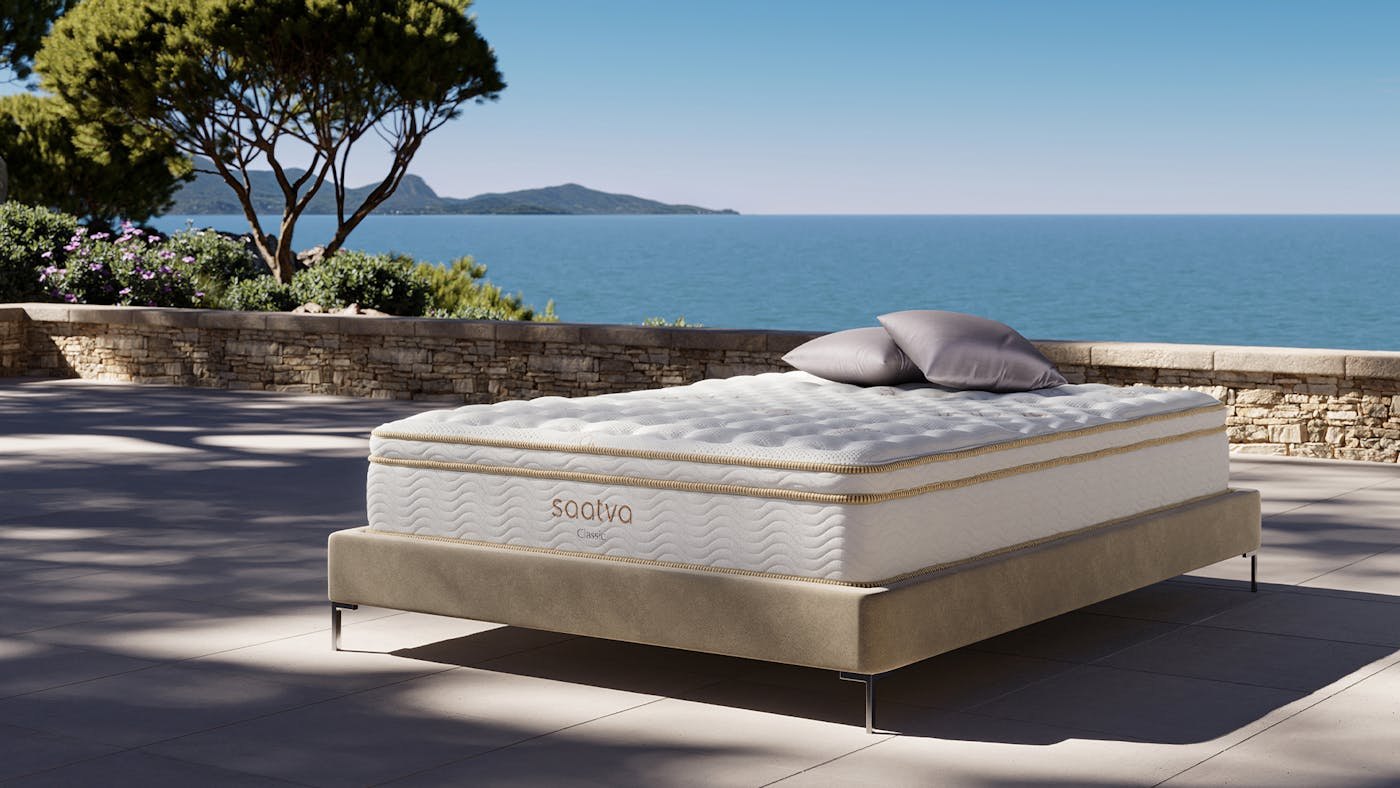
Firmness: 6/10

Firmness: 6/10

Firmness: 6/10

Firmness: 6/10
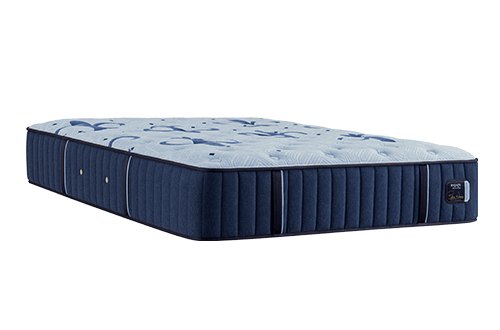
Firmness: 6/10
Healthy intervertebral discs rehydrate overnight as gravitational load is removed. With degenerative disc disease, that rehydration is incomplete and uneven — and the position you sleep in determines how the disc reshapes itself by morning. A bad mattress can leave you stiffer at 7am than you were at 11pm.
Three mattress factors drive morning DDD pain:
For DDD specifically, the rule of thumb is shorter than the standard 8-year mattress lifespan. If your mattress is over 5 years old and you wake stiff most mornings, the mattress is contributing — not just your discs. Most testers in our trial saw meaningful pain reductions within 2 weeks of switching to one of the picks above.
Mattress before MRI?
No. If you have new neurological symptoms (leg weakness, numbness in saddle area, bowel/bladder changes), get evaluated first. This guide is for managing diagnosed, stable DDD, not as a substitute for medical workup.
The best mattresses for degenerative disc disease are medium-feel hybrids (6–7/10) that combine cushioning for worn discs with structural support for spinal alignment. Discs lose their natural shock absorption as they degenerate, so the mattress must take over that role without letting the spine sag.
Hybrids edge out memory foam for most DDD sufferers. They provide the cushion-on-coil construction that mimics healthy disc behavior — soft impact absorption with firm underlying support. Memory foam can work for lighter sleepers but tends to let heavier patients sink into spinal extension over time.
Aim for medium to medium-firm (6–7/10). Too soft accelerates morning stiffness because the spine spends 7–9 hours misaligned. Too firm creates pressure points and forces compensatory positioning that strains the cervical and thoracic discs above the lumbar problem area.
No. Disc degeneration is a structural change that cannot be reversed by any consumer product. What the right mattress can do is reduce the daily symptom burden — morning stiffness, pain on rising, sleep fragmentation — by reducing nocturnal mechanical stress on the affected segments.
Side sleeping with a pillow between the knees is best for most DDD patients. It opens the foramina, takes pressure off compressed discs, and prevents the lumbar extension that flares facet joint pain. Back sleeping with a knee pillow is the second-best option.
If you're researching degenerative disc disease, these related guides often help too.
Neutral spine, low compression
Read guideLancet-backed medium-firm picks
Read guideMedium-firm support for general back pain
Read guideSlight flexion to open the canal
Read guideCushioned joints, easy repositioning
Read guidePressure relief for nerve root pain
Read guideKeep exploring
Frequently Asked
Sleep Sage cites primary sources for all clinical claims. Lab measurements (firmness, pressure, temperature, motion transfer) originate from our internal protocol described at /how-we-test.
Before you buy, read the brand: construction, pricing bands, trial and warranty terms, and how each company's lineup performed in our Encinitas lab.