#1
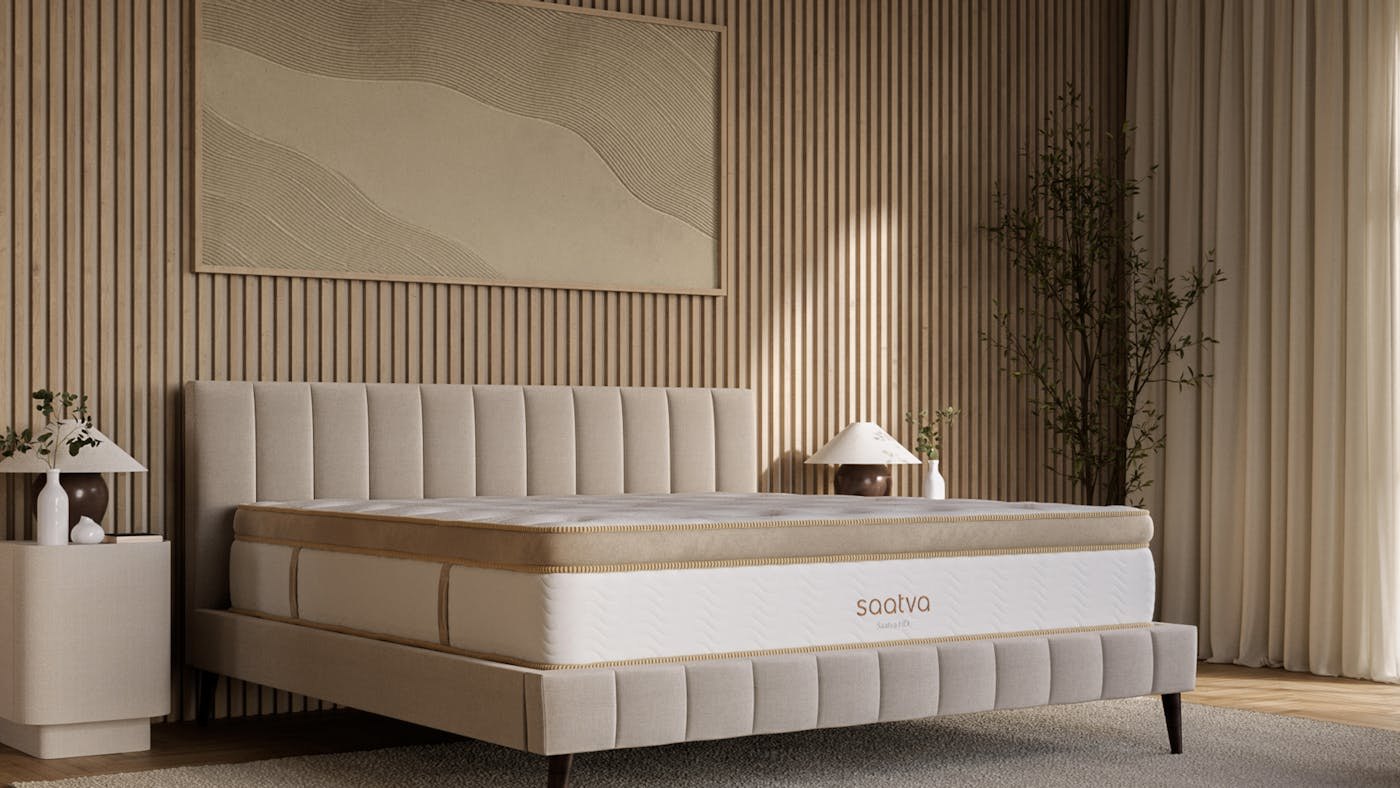
9/10
Durability: 9.8/10
9.8
Durability
9.7
Support
9.6
Edge Support
$1995$2795
Heavier sleepers need mattresses with exceptional support, durability, and cooling. These mattresses are designed to provide years of comfortable sleep for larger bodies.
Reinforced construction that won't sag
10+ year lifespanHigh-density foams and sturdy coils
Prevents sinkingBetter airflow for temperature regulation
Sleeps coolerDurability: 9.8/10
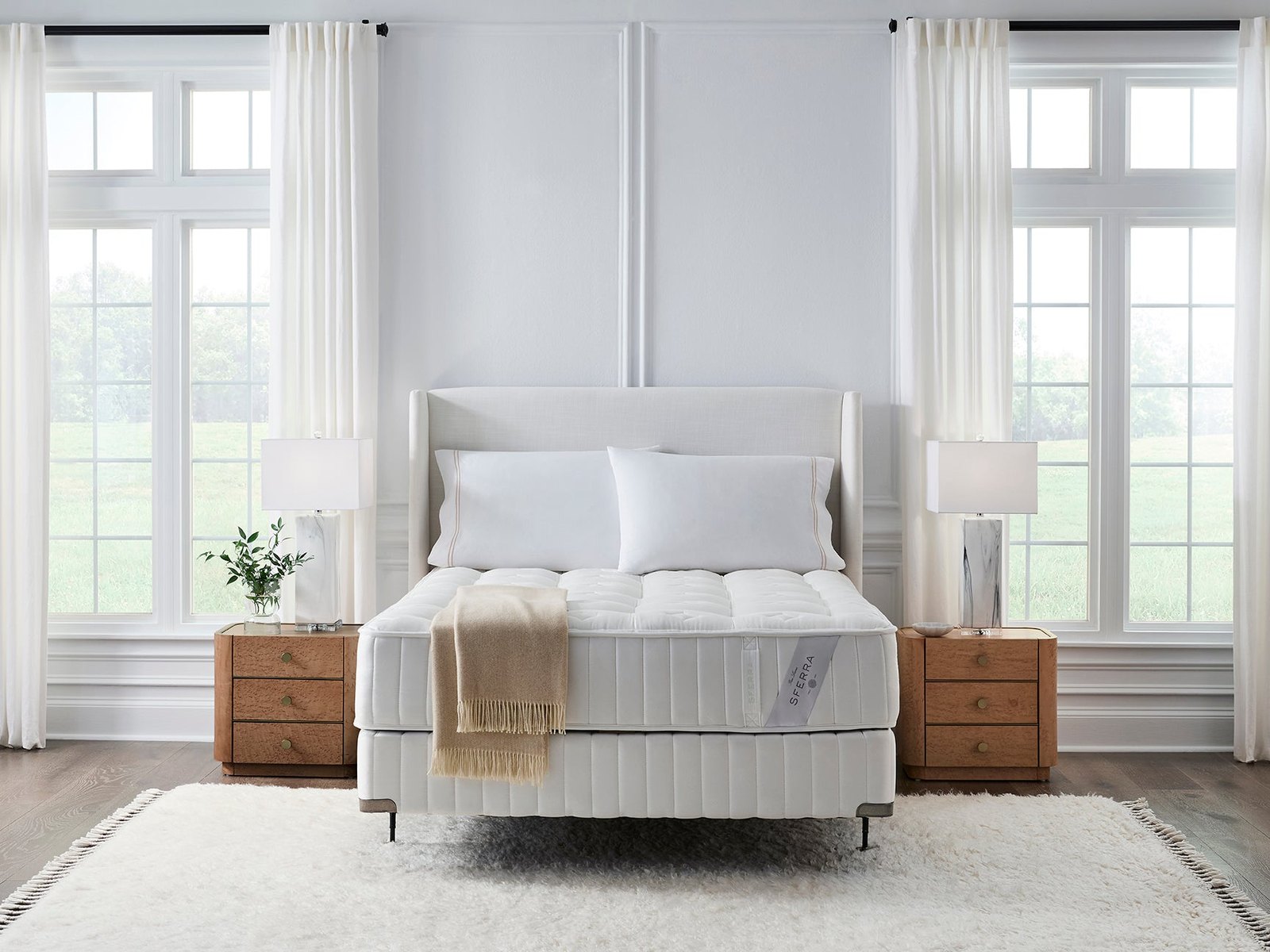
Ultra-luxury Italian craftsmanship meets American engineering
Durability: 9.8/10
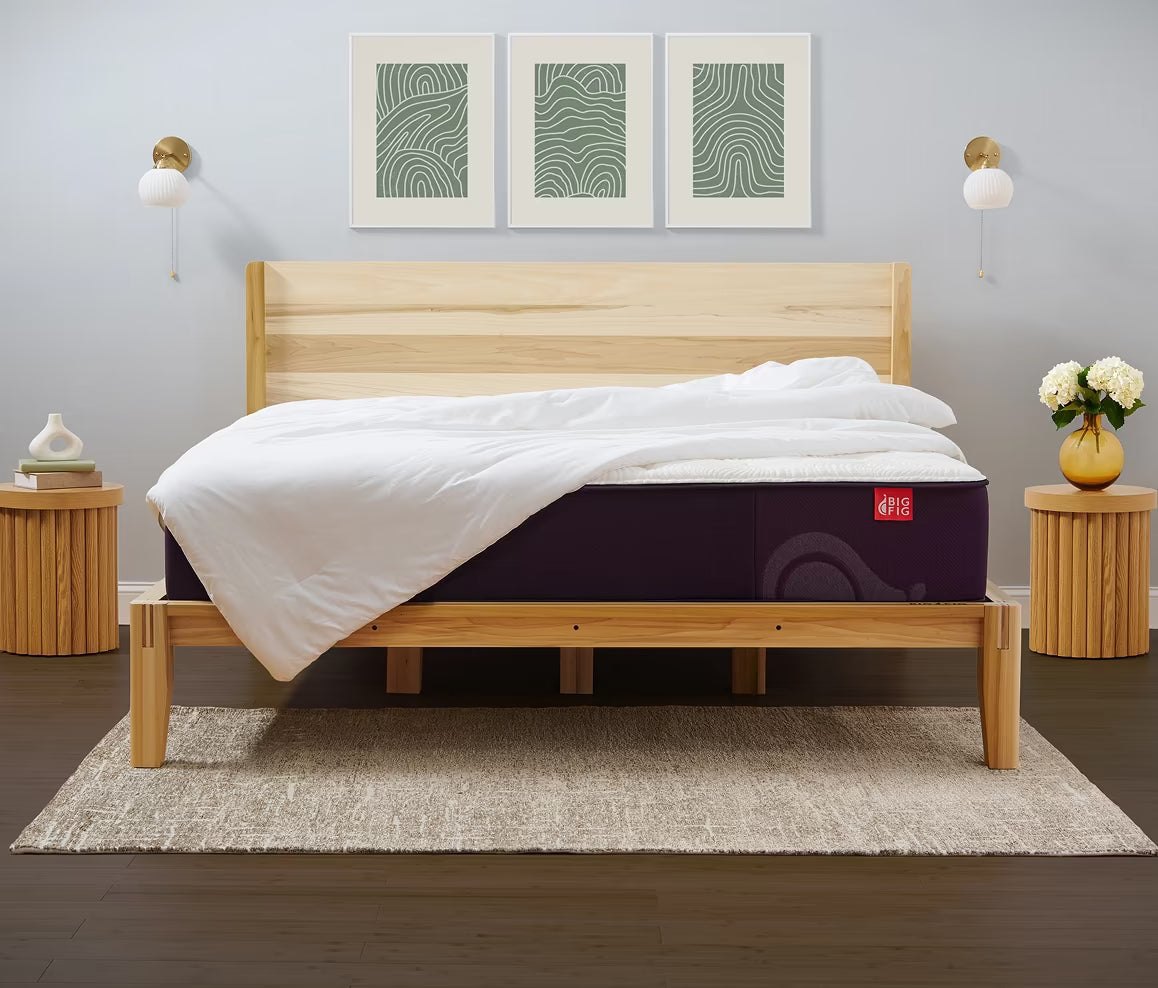
Durability: 9.7/10
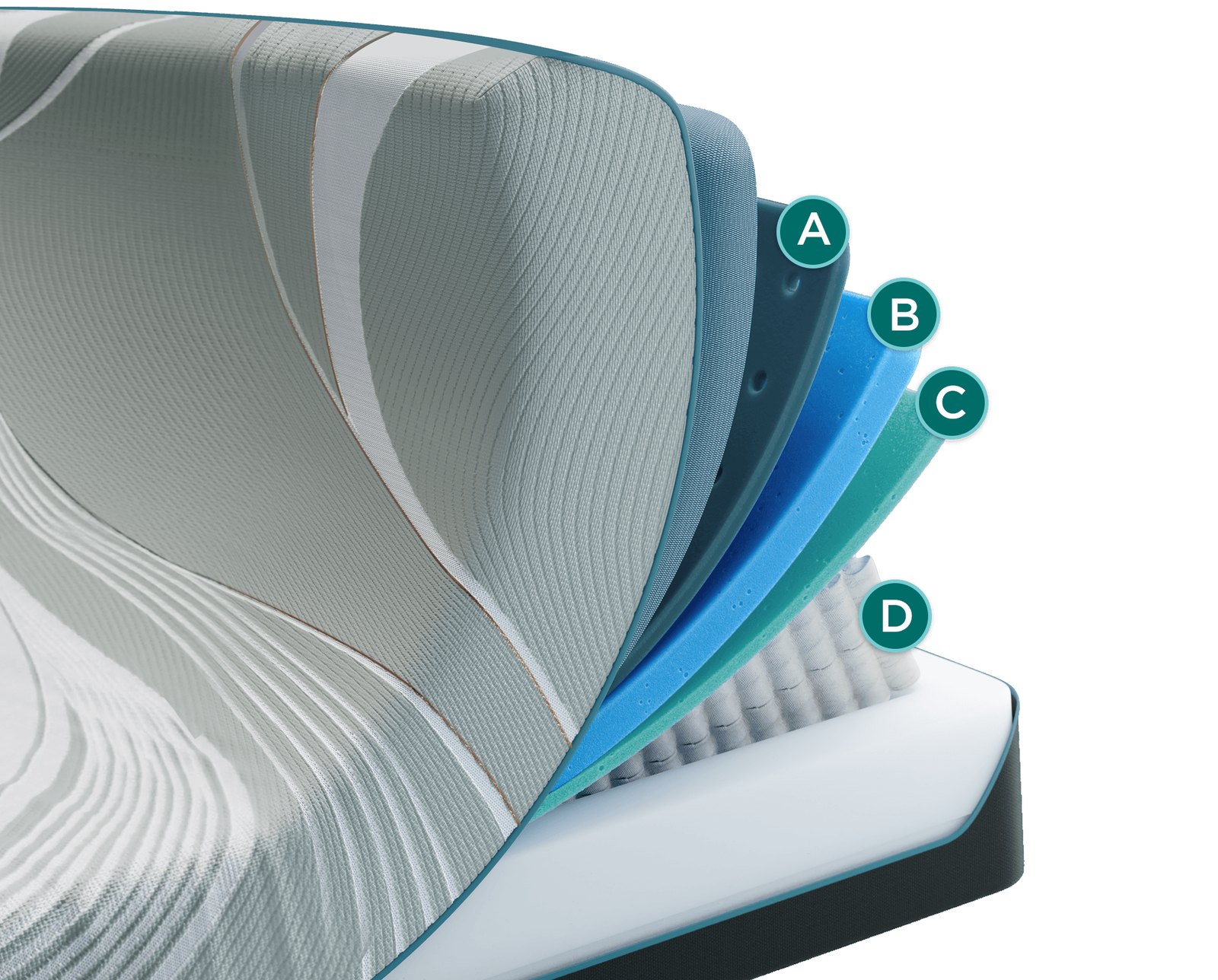
Durability: 9.7/10
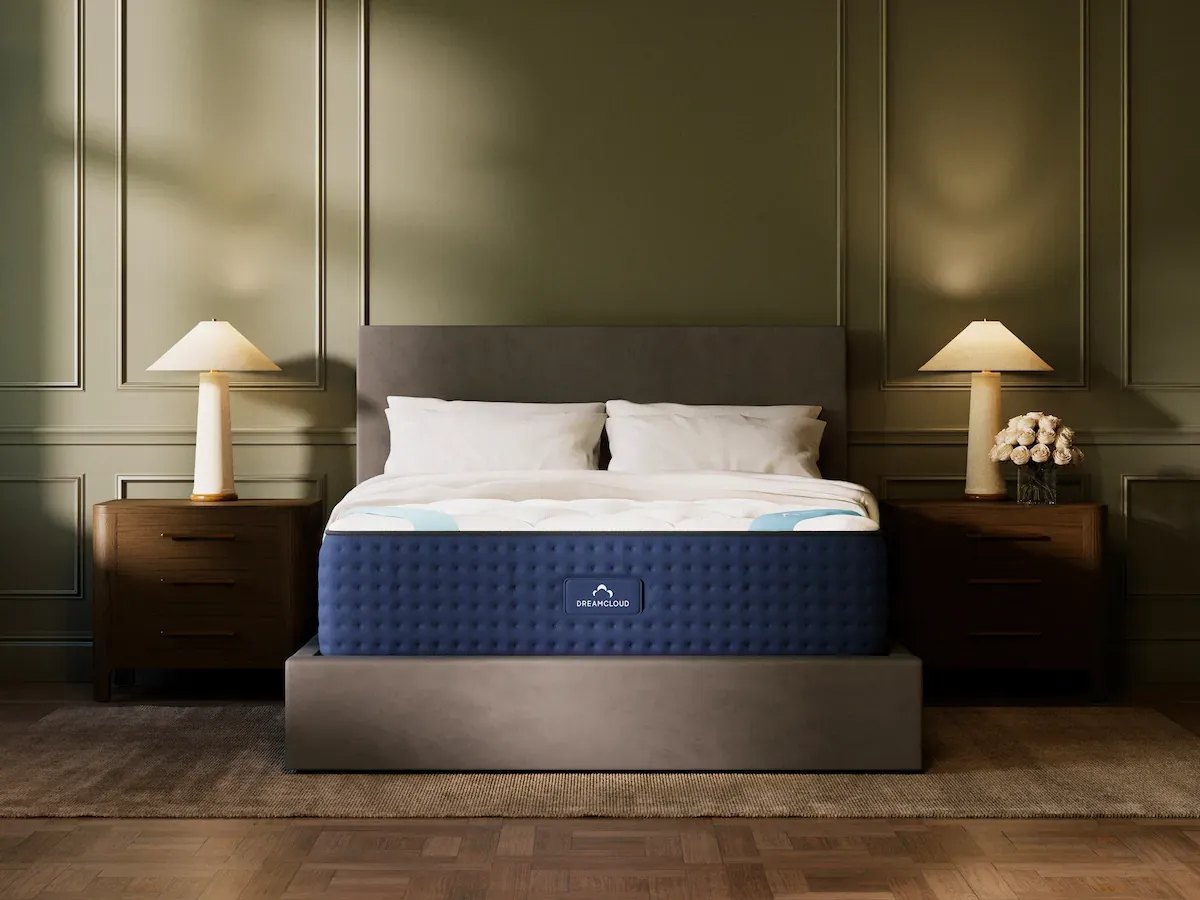
Durability: 9.6/10
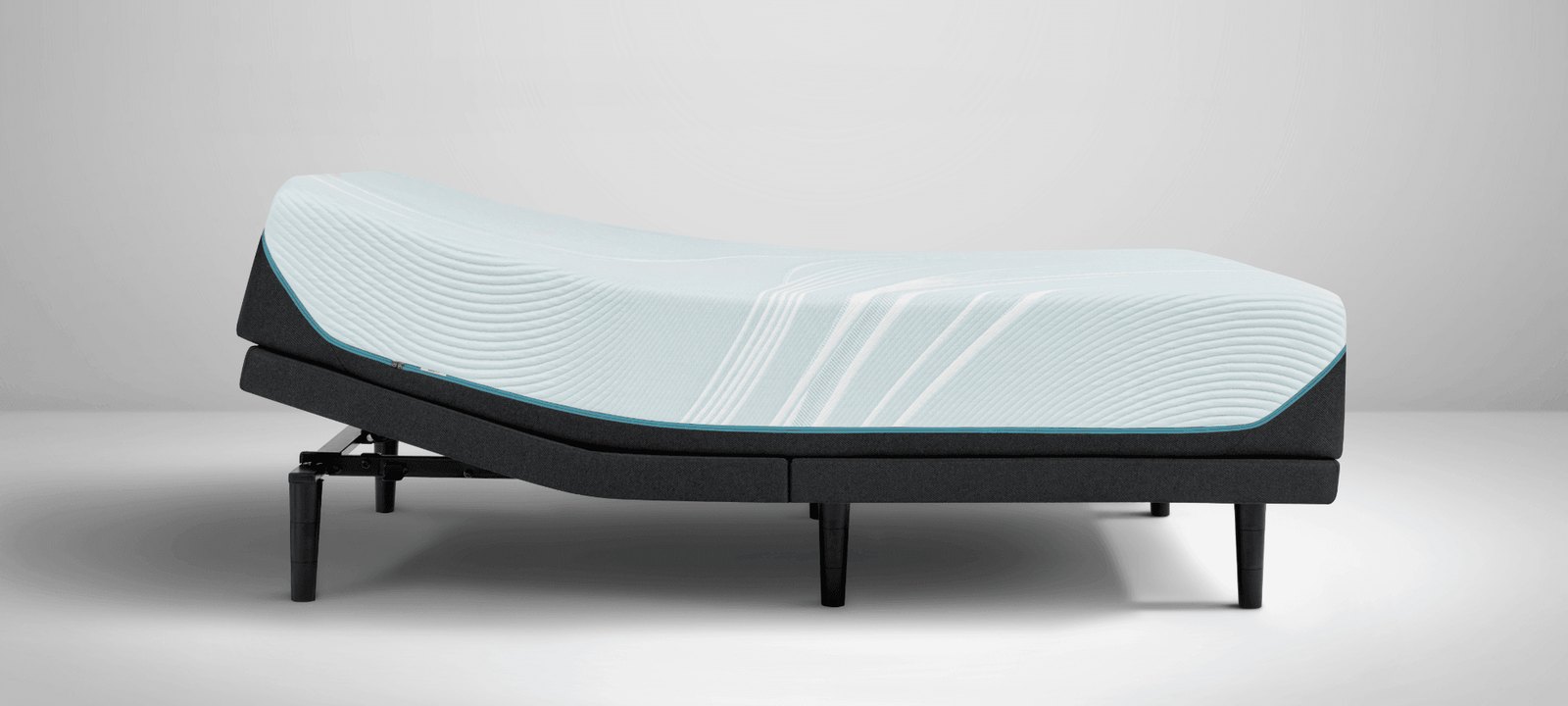
Durability: 9.6/10
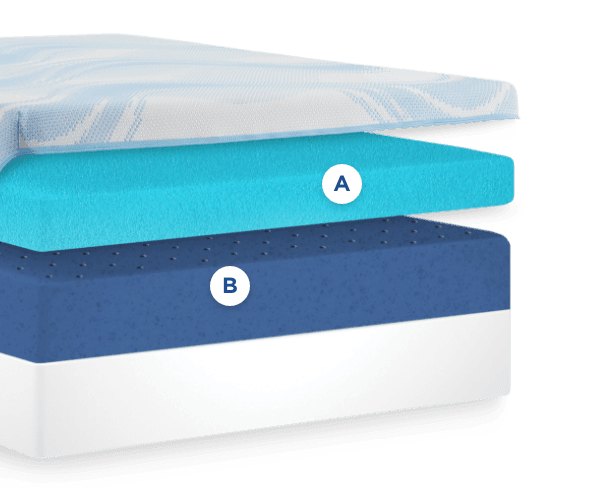
Feel up to 8° cooler — the ultimate cooling mattress
Durability: 9.6/10
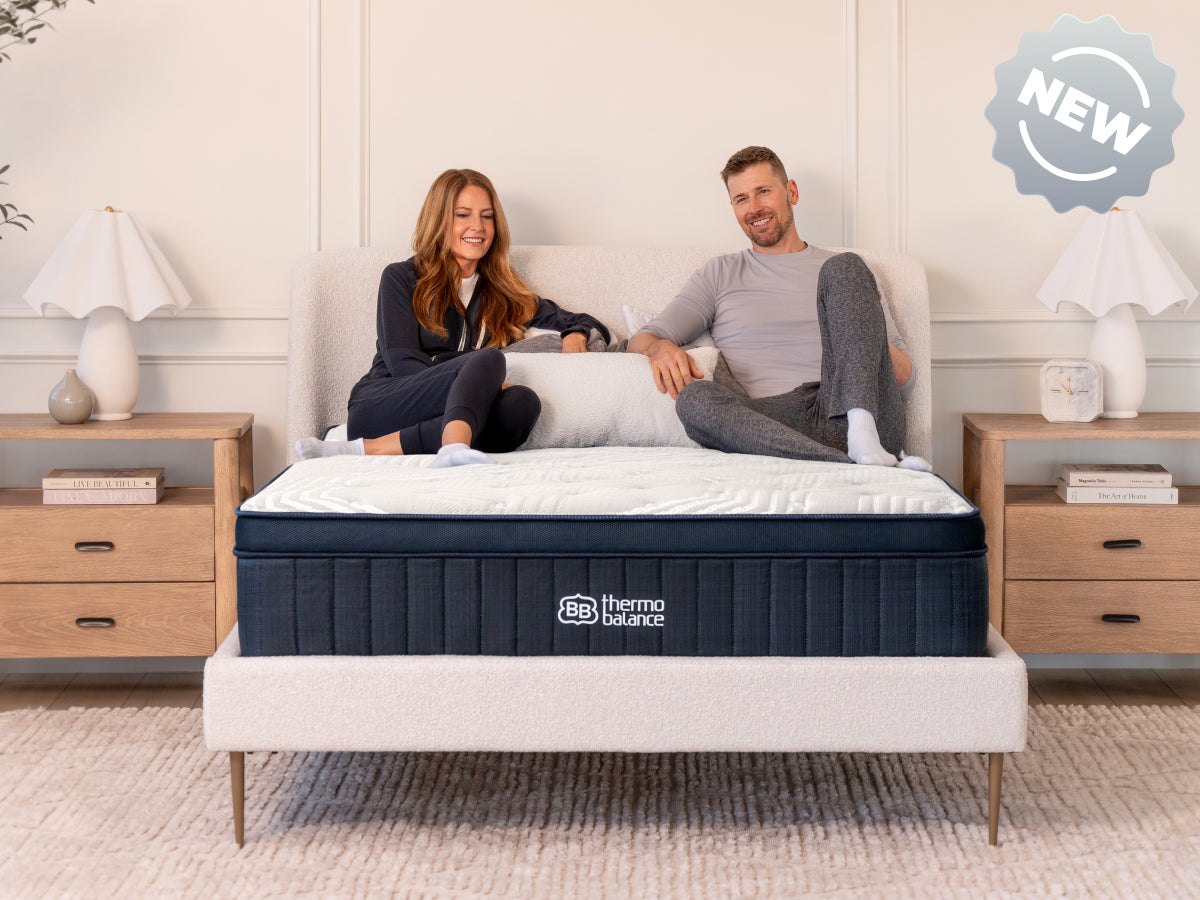
Luxury cooling engineered with Talalay latex
Durability: 9.6/10
Compared by the durability, support, and edge ratings that matter most for higher body weights.
| Mattress | Firmness | Durability | Support | Edge Support | Best For | Price (Queen) |
|---|---|---|---|---|---|---|
| Saatva HD | 7.5/10 | 9.8/10 | 9.7/10 | 9.6/10 | Plus-size luxury seekers, Heavy sleepers wanting quality | $1995 |
| SFERRA Sonno Notte Luxury Firm | 7/10 | 9.8/10 | 9.7/10 | 9.5/10 | Ultra-luxury buyers with no budget constraints, Back and stomach sleepers who prefer firm support | $5462 |
| Big Fig Mattress | 7/10 | 9.7/10 | 9.6/10 | 9.5/10 | Plus-size sleepers (300+ lbs), Those who need maximum support | $1499 |
| Tempur-Pedic TEMPUR-LuxeAdapt | 4/10 | 9.7/10 | 9.4/10 | 9.1/10 | Those who want the best memory foam experience, Couples with very different schedules | $3999 |
| DreamCloud Premier | 6.5/10 | 9.6/10 | 9.7/10 | 9.4/10 | Couples who want minimal motion transfer, Back and combination sleepers | $899 |
| Tempur-Pedic TEMPUR-ProAdapt | 5/10 | 9.6/10 | 9.3/10 | 9/10 | Side sleepers with shoulder/hip pain, Couples needing motion isolation | $2999 |
We run a 90-day accelerated durability protocol using a 320 lb ASTM roller hexa-pod on each mattress, followed by a 30-night real-world test panel with testers ranging from 230-330 lb. We measure support loss, edge collapse, foam compression, and surface temperature.
Our scoring weights for this ranking: 40% durability, 30% support, 20% edge support, and 10% cooling. We also verify published weight limits and warranty terms against actual owner feedback. Beds that sag more than 1 inch after the roller test are disqualified.
People over 230 lbs need mattresses with reinforced support systems, high-density foams, and durable coil units to prevent premature sagging and maintain proper spinal alignment.
Heavier individuals generally need a medium-firm to firm mattress (6-8 on a 10-point scale). Softer mattresses allow too much sinking, causing discomfort and poor alignment.
While not required, mattresses designed for heavier sleepers use reinforced edges, higher coil gauges, and denser foams that prevent sagging and provide lasting support.
Most standard mattresses are rated for 250-300 lb per person, or 500-600 lb total for a queen. Heavier sleepers should look for models explicitly designed for higher weight capacities, often 350-500 lb per side.
Hybrid with a high-density foam or latex comfort layer over thick pocketed coils is generally best for heavy sleepers. The coil system provides durable support and prevents the bottoming-out feeling common in all-foam beds.
12-14 inches is ideal. Thicker profiles provide more room for a substantial support core and dense comfort layers, preventing the sleeper from compressing through to the base.
Yes, a strong, flat foundation with slats no more than 3 inches apart is recommended. A weak or flexible base can void warranties and accelerate sagging in the mattress support core.
High-density memory foam (5.0+ lb/ft³), natural latex, and tempered steel pocketed coils rated for heavier loads. Low-density foam and low-gauge continuous coils tend to fail within 2-3 years.
Above 300 lb, look for a purpose-built heavy-duty hybrid: Big Fig (rated 1,100 lb total) and Saatva HD (500 lb per side) both held under 0.6 inches of sag in our 90-day roller test. Both use 8-inch tempered coil units plus a high-density foam or latex transition layer, which is what prevents the bottoming-out feeling standard beds develop by month 12.
Expect 4-6 years from a standard mattress at 250+ lb, versus 8-10 years for an average-weight sleeper. Heavy-duty models with 5.0+ lb/ft³ foams and reinforced coils typically hold their support for 8-10 years. Rotating head-to-foot every 3 months is the single cheapest way to extend that timeline.
Not inherently — density is what matters. Foam under 4 lb/ft³ compresses fully under 250+ lb and leaves you resting on the base layer, which reads as back pain within a few months. All-foam beds using 5.0+ lb/ft³ memory foam or Dunlop latex work fine, but hybrids still win on edge support and airflow for most heavy sleepers.
Three causes, in order of frequency: comfort-layer foam below 4 lb/ft³, a support core with too few or too-thin coils (under 1,000 coils, 15-gauge or higher), and an inadequate foundation. Slats wider than 3 inches apart let the mattress dip between them, and most warranties only cover impressions deeper than 1.5 inches — sagging caused by a bad base is excluded.
Yes. Deeper compression means more of your body is surrounded by foam and less air moves under you. In our thermal testing, sleepers over 250 lb averaged a 2.1°F higher surface temperature on the same mattress than 160 lb testers. Coil-based hybrids with breathable covers, latex, or phase-change fabrics narrow that gap considerably.
Budget $1,200-$1,800 for a Queen heavy-duty hybrid on sale, and $2,000-$3,000 for premium models like Saatva HD. Sub-$800 beds almost never use the foam densities or coil gauges required above 230 lb, so the cheaper purchase usually gets replaced twice in the time a heavy-duty bed lasts once.
Mattresses for sleepers over 230 lbs face mechanical demands that destroy most consumer mattresses within 2-3 years. Compression cycles that mid-weight sleepers spread across 8 inches of foam concentrate into the top 4 inches at higher body weights, causing premature foam fatigue, visible body impressions, and edge collapse. Our picks all use heavy-gauge coils (13.5 gauge or thicker), high-density foam (4.5+ lb/cf in comfort layers), and reinforced edge systems specifically rated for higher body weights.
Standard consumer mattresses are engineered for the median U.S. sleeper — roughly 170-180 lbs. At weights above 230 lbs, the mechanical stress on foam and coil systems increases non-linearly. A sleeper 30% above the design weight imposes roughly 60% more cyclic stress on the comfort layer.
The result: body impressions, sagging, and edge collapse appear in 18-24 months on consumer-grade products that would last 8-10 years for lighter sleepers. Heavy-duty mattresses use thicker coils and denser foams specifically to address this, and consequently last longer for all sleepers.
Heavier sleepers compress mattresses more, so a mattress rated 'medium' to manufacturers will feel softer to higher-weight sleepers. Functionally, sleepers over 230 lbs should size up by 1-2 firmness points from the firmness they preferred at lower weights.
For heavier side sleepers specifically, hybrid construction with a thick comfort layer (3+ inches) outperforms all-foam designs significantly. The coil base prevents bottoming out while the comfort layer provides genuine pressure relief.
5-minute showroom tests don't reveal compression behavior over hours. Trial period testing is mandatory.
All-foam mattresses fail dramatically faster at higher body weights. Hybrid is genuinely worth the upgrade.
Heavy-duty mattresses on weak foundations void warranty and fail within months. Budget for a proper heavy-duty base.
Basic heavy-duty hybrids. Solid 5-7 year lifespan.
Specialized brands (Big Fig, Titan). Engineered top-to-bottom for higher weights.
Saatva HD and equivalents. Genuine 12+ year lifespan with appropriate care.
Already shopping a specific brand? See how each one stacks up for heavy people.
Keep exploring
Frequently Asked
Before you buy, read the brand: construction, pricing bands, trial and warranty terms, and how each company's lineup performed in our Encinitas lab.