#1
9.4/10
Motion: 9.9/10
9.9
Motion Isolation
9.1
Edge Support
9.7
Comfort
$3999$4699
Keep exploring
Frequently Asked
Before you buy, read the brand: construction, pricing bands, trial and warranty terms, and how each company's lineup performed in our Encinitas lab.
Sharing a bed shouldn't mean sharing every toss and turn. These mattresses offer excellent motion isolation, edge support, and room for two.
Absorbs movement so partners don't disturb each other
Sleep undisturbedStrong edges mean more usable sleeping space
Full surface useAccommodates different temperature preferences
Cooling optionsMotion: 9.9/10
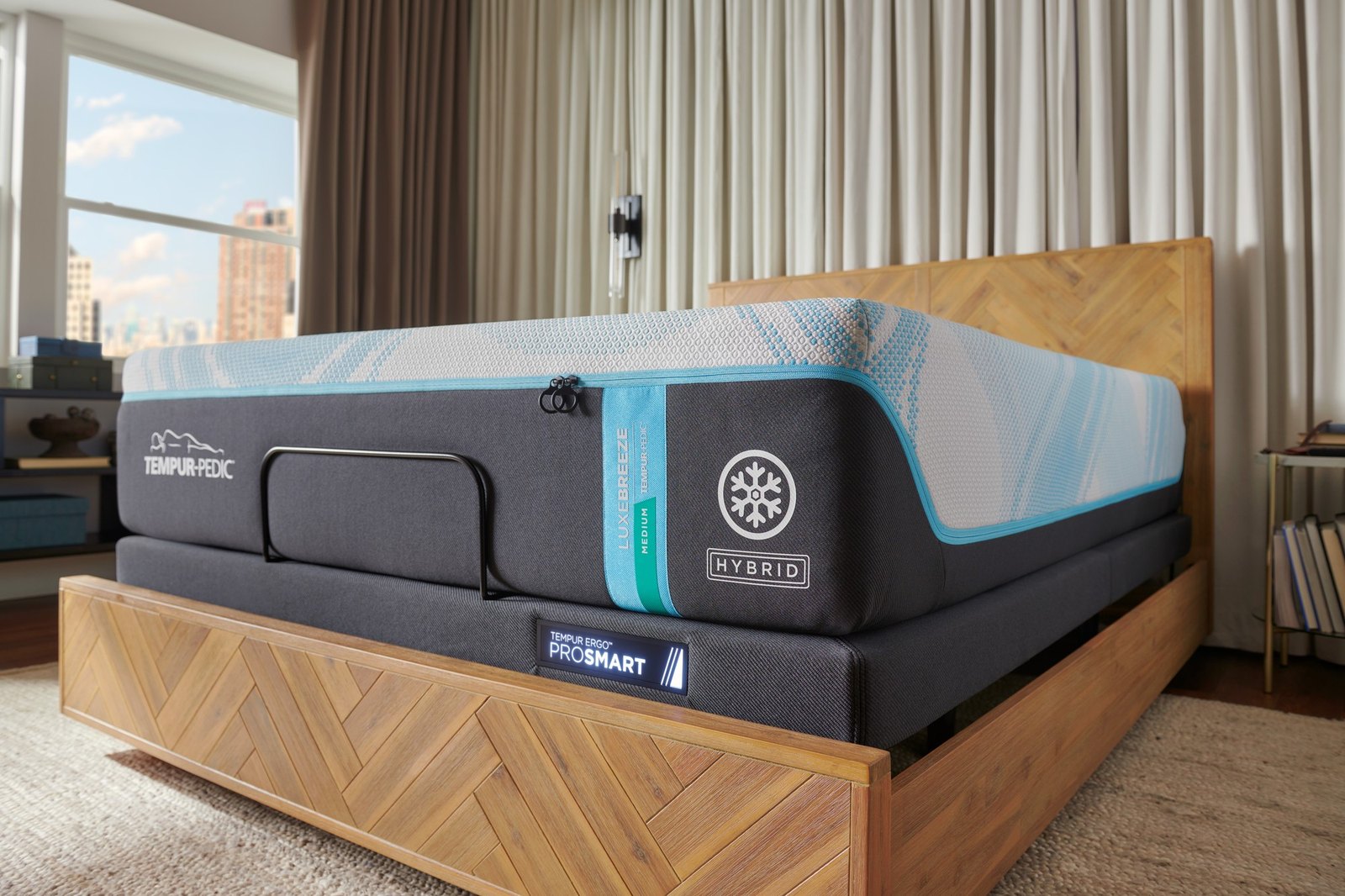
Motion: 9.9/10
Motion: 9.8/10
Motion: 9.6/10
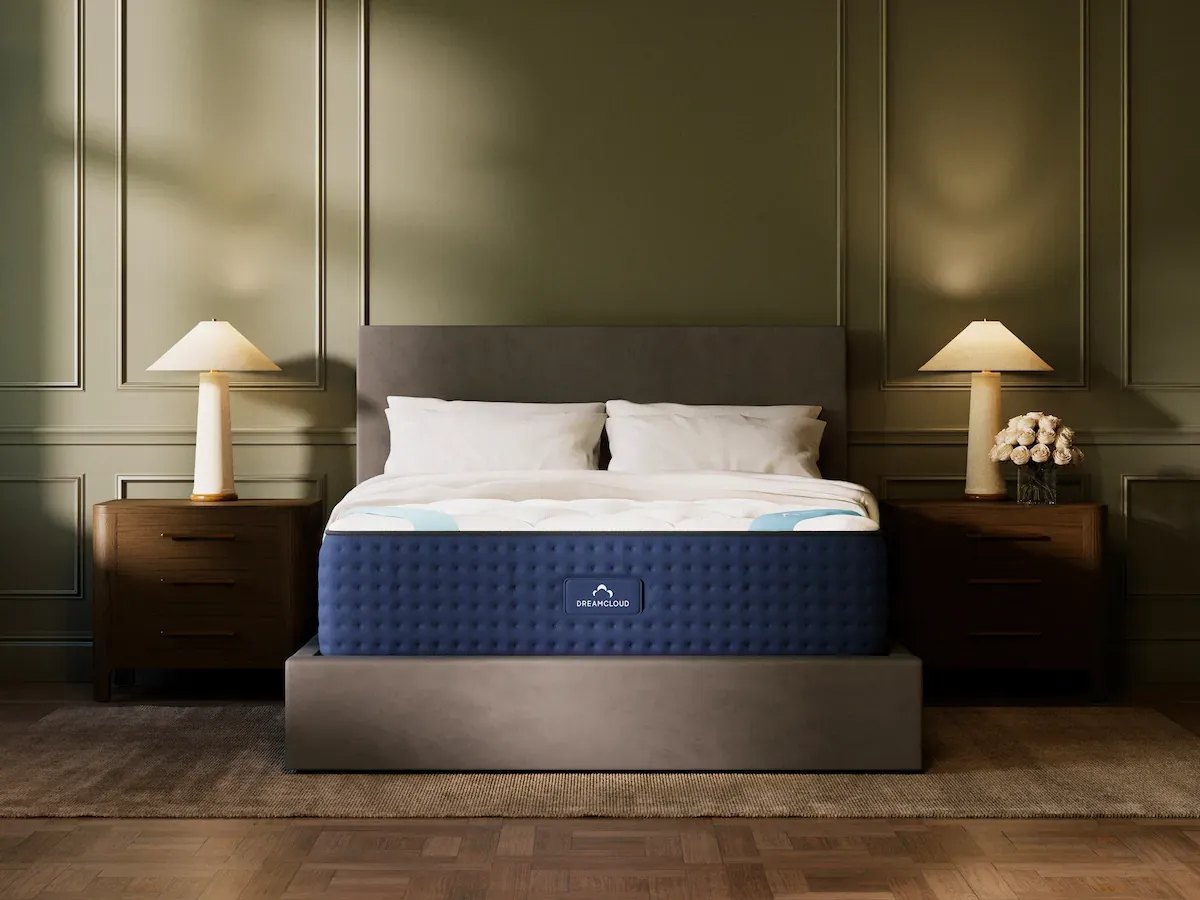
Motion: 9.8/10
Motion: 9.3/10
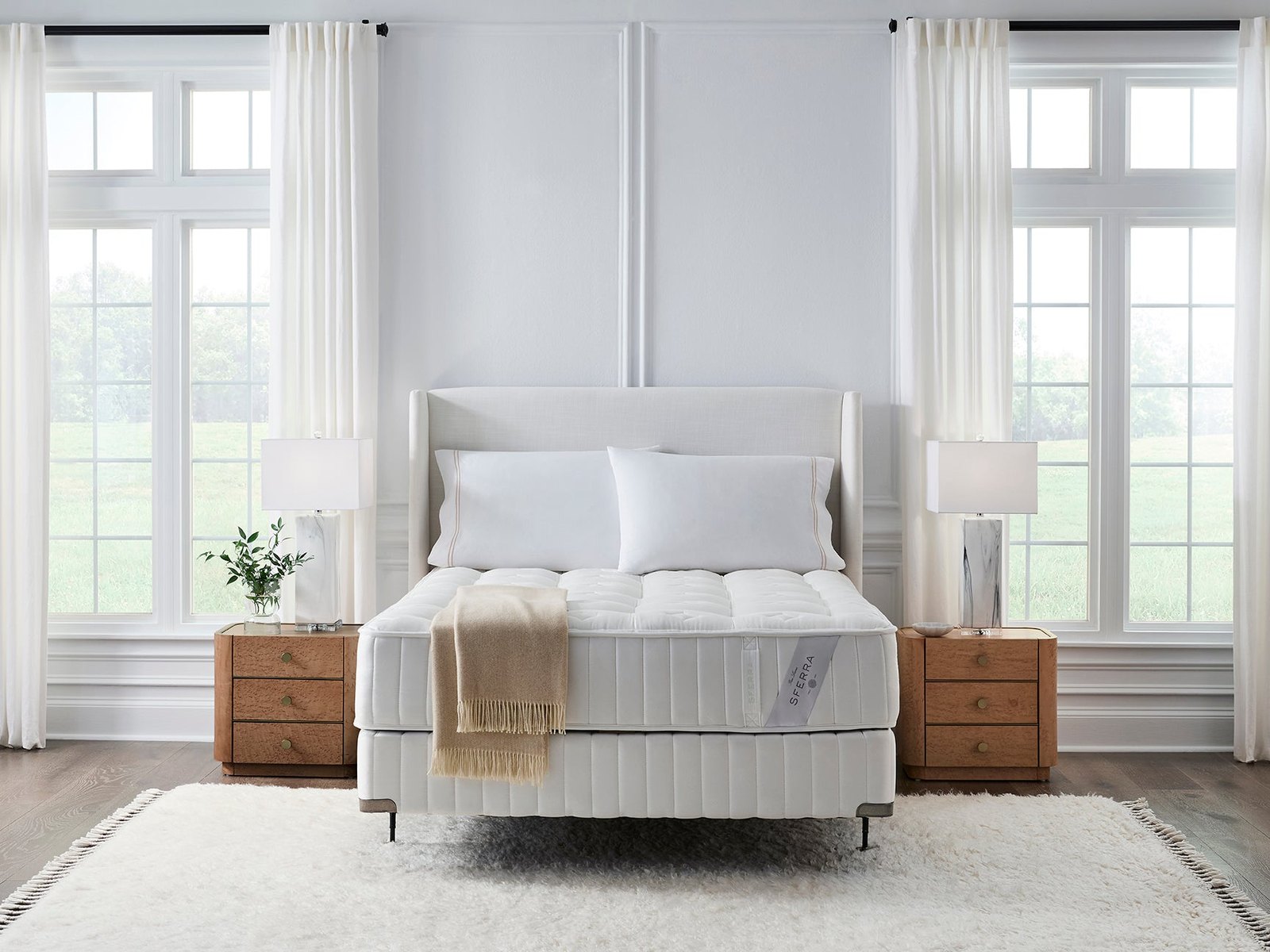
Ultra-luxury Italian craftsmanship meets American engineering
Motion: 9.2/10
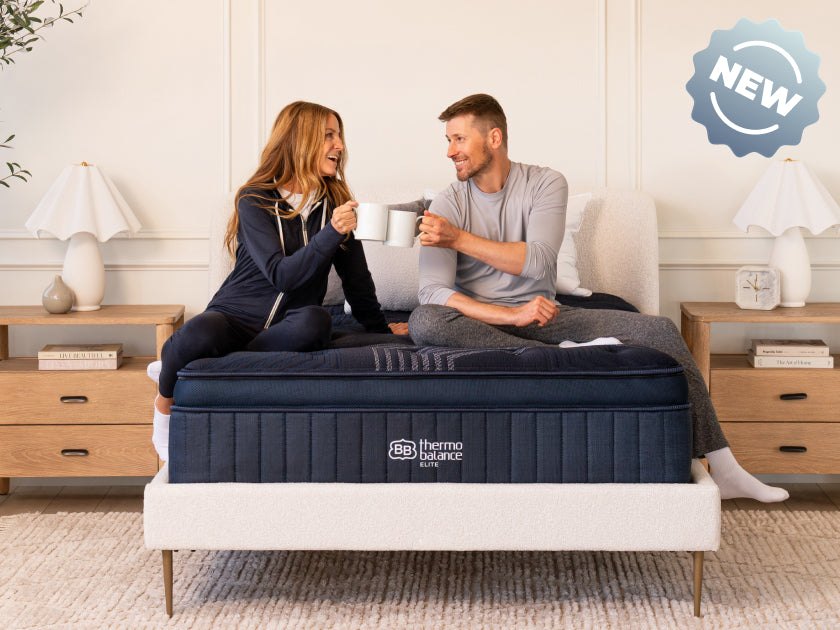
Motion: 9.4/10
A couples mattress isn't a single product category — it's a compromise problem. The two sleepers nearly always have different firmness preferences, different body weights (which changes how a given mattress feels), and different temperature tolerances. The picks below all scored 8.5+/10 on motion isolation in our drop test (the partner-disturbance metric that matters most), feature reinforced edge support for usable surface area, and offer firmness configurations that accommodate weight asymmetry between partners.
When partners have similar weight and sleep position, medium-firm (6-7/10) wins overwhelmingly in our survey data. When weight or position differs significantly, the answer becomes 'split firmness' — either a true split mattress or a hybrid with zoned firmness across the surface.
The common mistake is averaging preferences ('I like firm, you like soft, so we'll get medium'). This usually leaves both partners disappointed. Split solutions cost slightly more but deliver dramatically better satisfaction.
Sleep stage interruptions caused by partner movement are one of the leading causes of fragmented sleep in couples. Studies show that even brief micro-arousals — too short to consciously remember — degrade sleep quality measurably across the entire night.
Hybrid and memory foam mattresses dominate motion isolation testing. Traditional innerspring mattresses transmit roughly 60-80% of partner movement to the other side. Quality hybrids cut this to 15-25%; pure memory foam to under 10%.
King size adds just $200-$400 to most mattresses but provides 33% more sleep area per person. Best ROI in bedding.
Couples push toward edges to maximize personal space. Weak edges destroy this dynamic and create a 'rolling toward each other' problem.
A mattress that feels right for the lighter partner usually under-supports the heavier one, causing back pain over months.
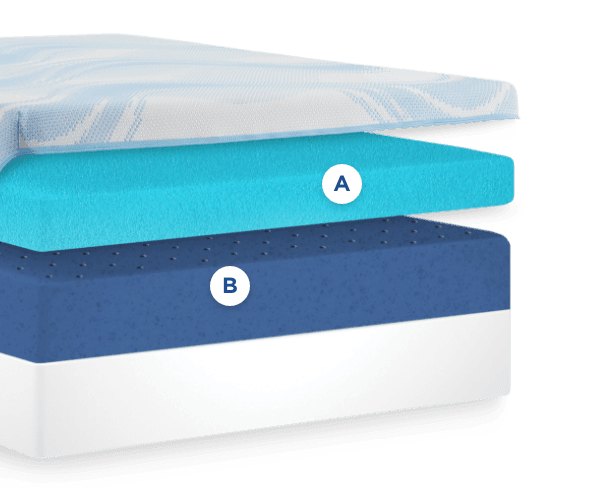
Quality memory foam queens. Excellent motion isolation, basic edge support.
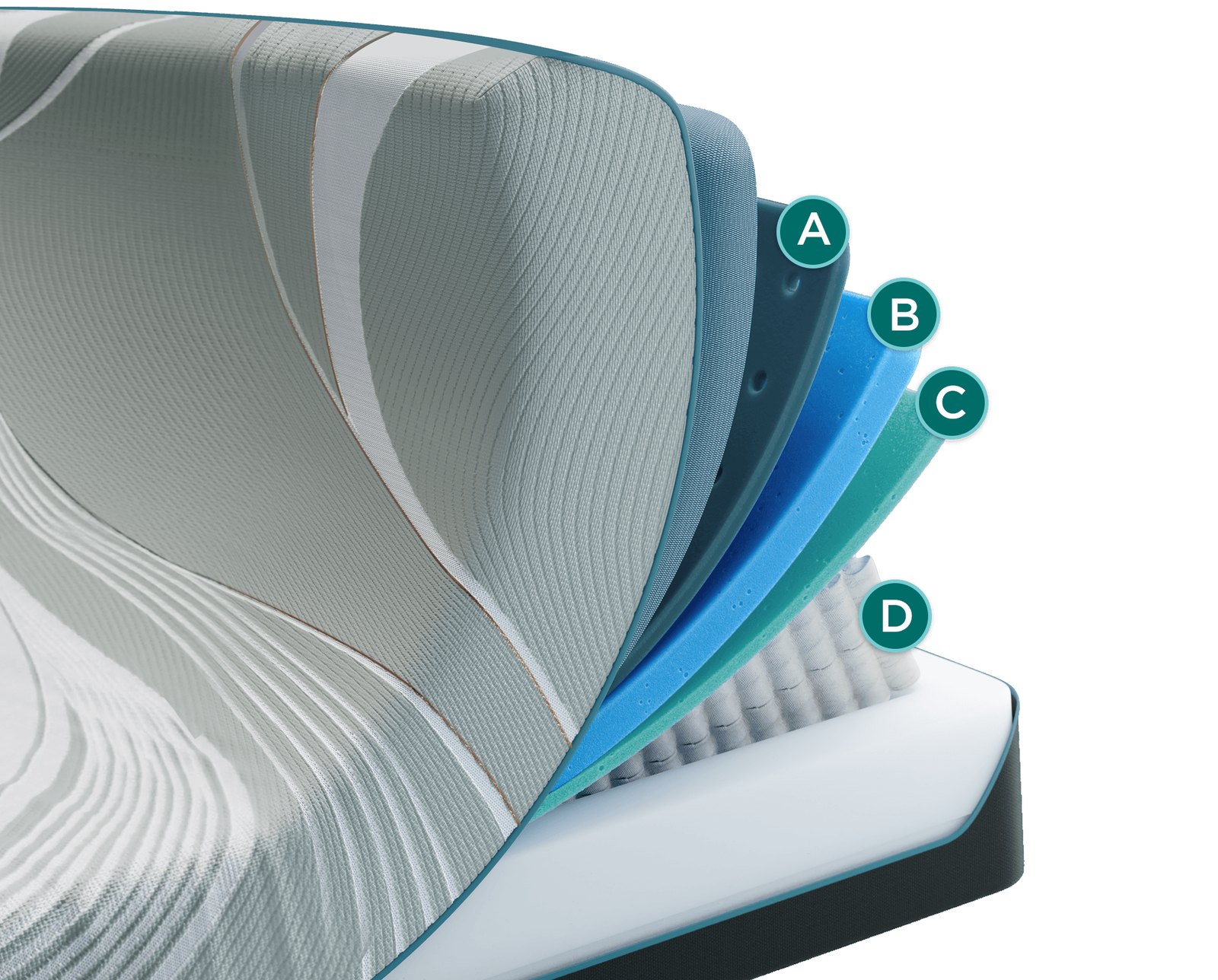
Hybrids with reinforced edges. The category sweet spot for couples.
Split-firmness systems (Saatva, Sleep Number). Eliminates compromise entirely.
Already shopping a specific brand? See how each one stacks up for couples.