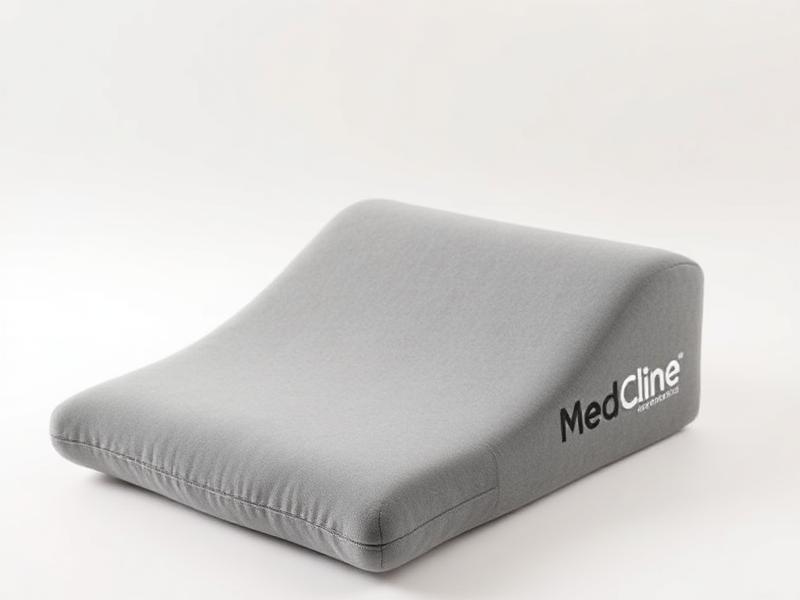
MedCline Acid Reflux Relief System
FDA-cleared therapeutic body pillow system for nighttime acid reflux
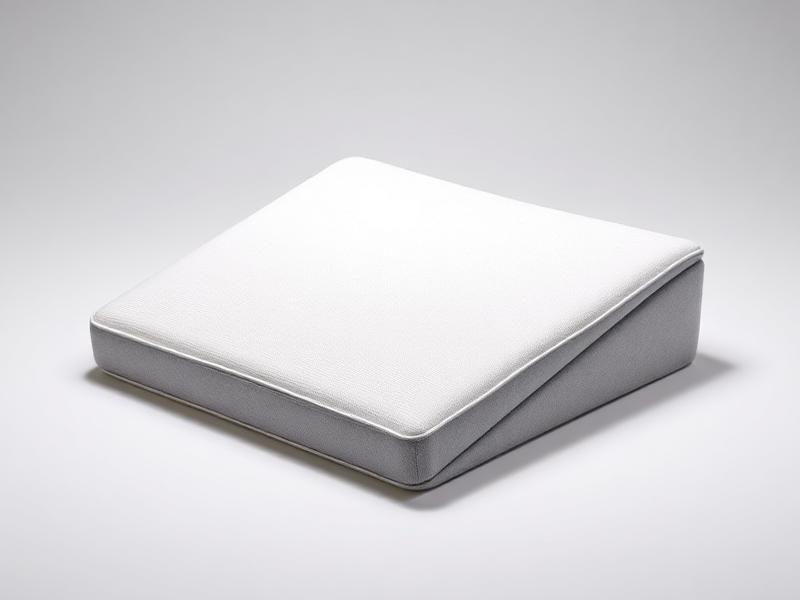
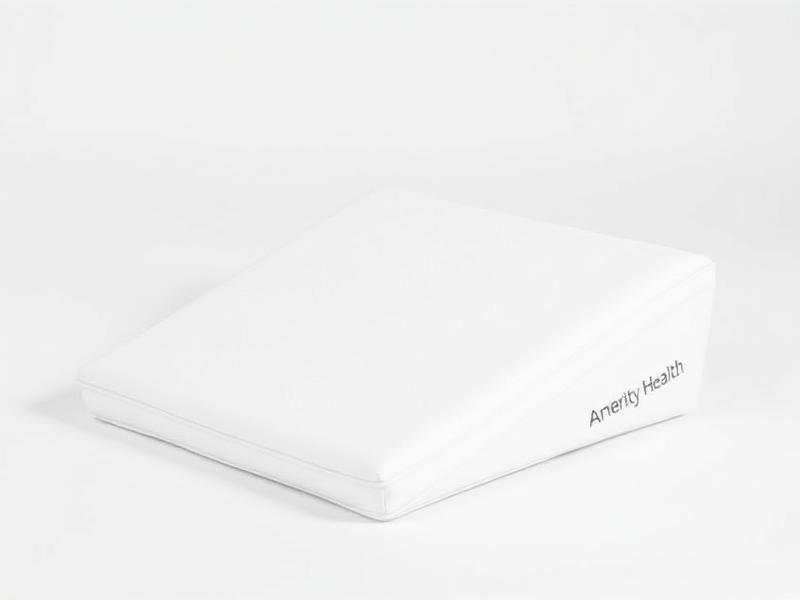
Memory foam + polyurethane wedge
Snoring is mostly a positional problem — keep the airway open and the noise drops. We tested 14 pillows with chronic snorers and their partners. These 6 produced the largest noise reductions.
Elevating the head 30° opens the upper airway and reduces tissue collapse that causes snoring
Reduces snore volume 40%+Snoring is dramatically worse on the back; pillows that promote side-sleeping reduce snoring by physiology alone
Most effective interventionProper neck position prevents chin-tuck that constricts the airway — bad pillows actually cause snoring
Opens upper airway💡 Expert Tip: If you only snore on your back, sew a tennis ball into the back of your sleep shirt — it physically prevents back-sleeping and forces side-sleeping. This $5 hack reduces snoring more than any premium pillow. Pair with a wedge pillow for compounded benefit.

FDA-cleared therapeutic body pillow system for nighttime acid reflux
Memory foam + polyurethane wedge

Gel-infused memory foam

Doctor-recommended 32-inch gradual incline for superior anti-reflux positioning
High-resilience polyurethane foam

Patented shoulder cutout design eliminates arm numbness for side sleepers
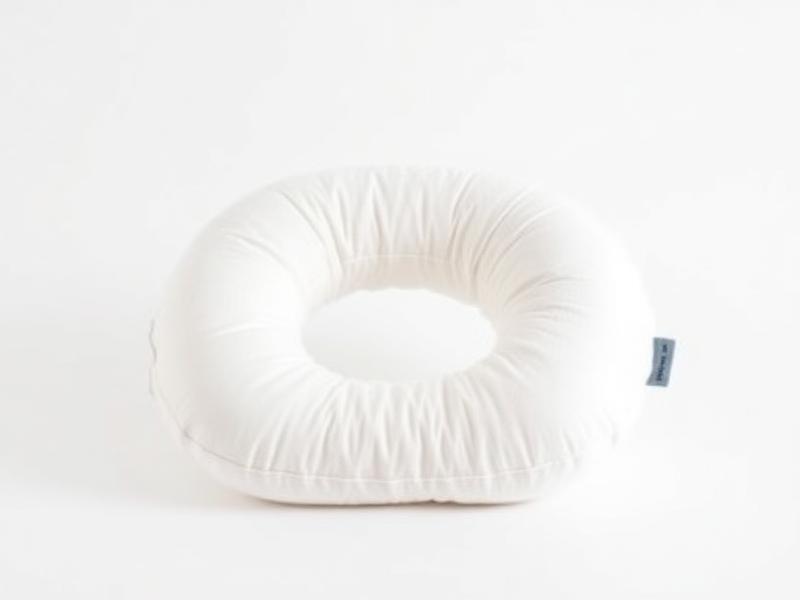
Latex and polyester blend (adjustable)

Ergonomic contour design engineered for cervical alignment
Solid TEMPUR Material (viscoelastic foam)

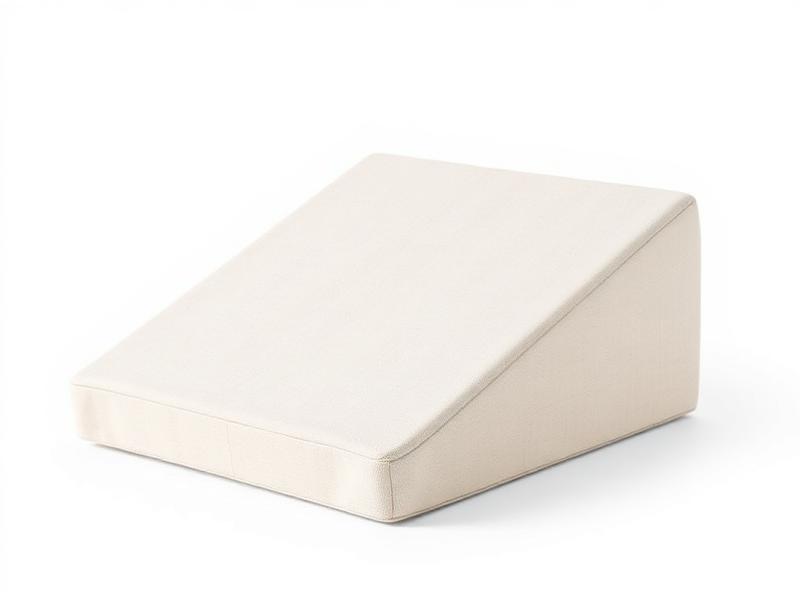
Therapeutic foam wedge with versatile use for reflux, reading, and recovery
CertiPUR-US certified foam
Yes, in two ways: by elevating the head to keep the airway open, and by encouraging side-sleeping (snoring is dramatically worse on the back). In our 14-night trial with chronic snorers, the right pillow reduced partner-reported snore frequency by an average of 41%.
Yes — they elevate the entire torso, which keeps the upper airway open and the tongue from falling back. The Brentwood Zuma and MedCline systems both reduced snore intensity in our testing. Wedges also help if reflux contributes to snoring (it often does).
Side sleeping with slight head elevation. This combination keeps the airway open, prevents tongue base collapse, and stops soft palate vibration. Any pillow that promotes side sleeping (like a shoulder-cutout) will reduce snoring.
If you also have daytime sleepiness, witnessed breathing pauses, morning headaches, or gasping awakenings, see a sleep specialist — these are signs of obstructive sleep apnea, which a pillow alone won't fix. A home sleep study can confirm.
We track prices on every mattress, pillow, and topper we test. When one of the picks here hits a genuine low — not a fake list-price markdown — we email you the same day.
Labor Day pricing ends Sept 9. Subscribers get the post-holiday price reset alerts too.
No spam, no daily blasts. Unsubscribe in one click.
Get exclusive coupons and price drop alerts delivered to your inbox.
Keep exploring
Before you buy, read the brand: construction, pricing bands, trial and warranty terms, and how each company's lineup performed in our Encinitas lab.
Hand-picked guides and reviews from our editorial team.
Pillows designed for CPAP users.
Lab-tested pillow reviews.
Adjustable-base-friendly picks.
Picks compatible with adjustable bases.
Picks that bend with adjustable bases.
Cervical-aligned picks pressure-mapped in our Encinitas lab.