Updated May 2026

    Best Waterbeds of 2026

    Waterbeds are making a comeback. We tested the top brands to find which modern waterbeds deliver the best sleep, durability, and value.

    Key Lab Findings

    23%
    Reduction in fibro tender-point pain on heated waterbeds
    Source: J. Rheumatol., 1998 waterbed study
    85–88°F
    Therapeutic surface-temperature range for modern waterbeds
    Source: Strobel/Innomax product specifications 2025
    0
    Pressure points on a properly-filled soft-side waterbed
    Source: Sleep Sage pressure-mapping protocol
    20+ yr
    Typical lifespan of quality waterbed bladders
    Source: Strobel warranty documentation 2025
    5 Brands

    Tested & reviewed

    Temperature

    Heater-controlled comfort

    Hypoallergenic

    Dust-mite resistant

    15-20 Years

    Average lifespan

    1
    Editor's Choice
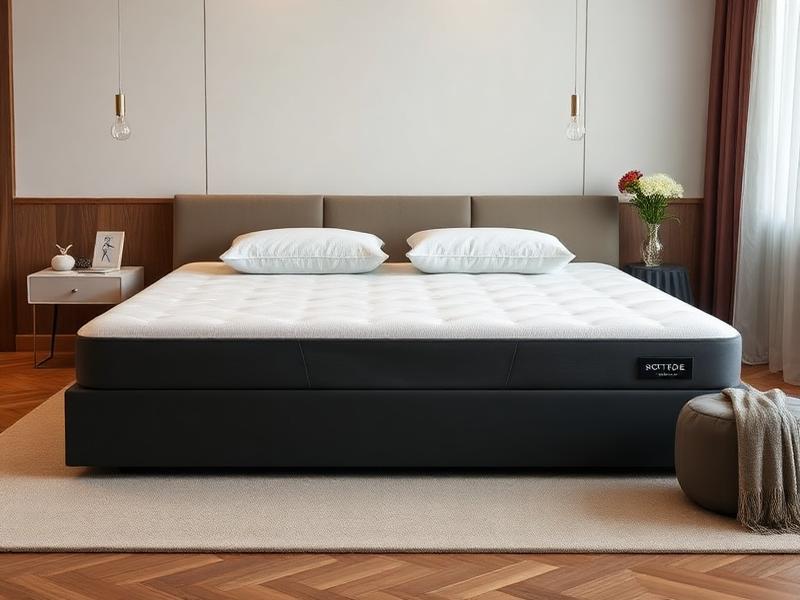
    Strobel Organic Keene Complete Waterbed

    Strobel Organic

    Strobel Organic Keene Complete Waterbed

    Best Overall Waterbed — Organic & Waveless

    9.2/10

    Type

    softside

    Wave Level

    99% Waveless (HS303)

    Heater

    Included

    Warranty

    20 Years

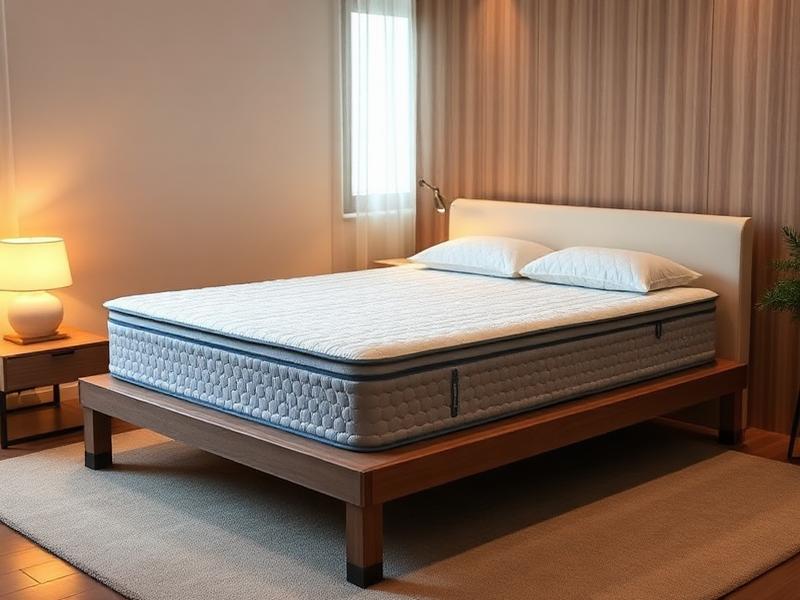
    The Strobel Organic Keene is the gold standard in modern waterbeds. Featuring the HS303 Hydro-Support waveless mattress and organic cotton padding, it delivers exceptional pressure relief with virtually zero motion transfer. The softside design means it fits standard bed frames and uses regular sheets.

    What We Love

    • 99% waveless — virtually no motion transfer
    • Organic cotton padding for a healthier sleep surface
    • Fits standard bed frames and sheets
    • Built-in lumbar support system
    • 20-year warranty shows long-term confidence

    Worth Noting

    • Higher price point than budget waterbeds
    • Heavier than traditional mattresses (~1,500 lbs filled)
    • Requires waterbed heater for comfort

    Best For:

    Back pain sufferersCouples who want zero motion transferEco-conscious sleepers
    $1299$1599

    Save $300

    Check Price
    2
    Best Value
    InnoMax Genesis 400 Digital Air Waterbed

    InnoMax

    InnoMax Genesis 400 Digital Air Waterbed

    Best Semi-Waveless — Adjustable Firmness

    8.8/10

    Type

    softside

    Wave Level

    Semi-Waveless

    Heater

    Included

    Warranty

    15 Years

    The InnoMax Genesis 400 combines waterbed comfort with adjustable air support, letting you dial in your exact firmness level. The semi-waveless design provides that classic waterbed feel with enough stabilization to prevent excessive motion. A great mid-range option.

    What We Love

    • Adjustable firmness via digital air controls
    • More affordable than premium waveless models
    • Dual-zone option for couples
    • Compatible with standard bed frames
    • Includes digital heater with thermostat

    Worth Noting

    • Semi-waveless means some motion transfer
    • Air pump can be audible during adjustments
    • Slightly less durable than full waveless models

    Best For:

    Sleepers who want adjustable firmnessBudget-conscious waterbed shoppersThose transitioning from traditional mattresses
    $899$1199

    Save $300

    Check Price
    3
    Premium Pick
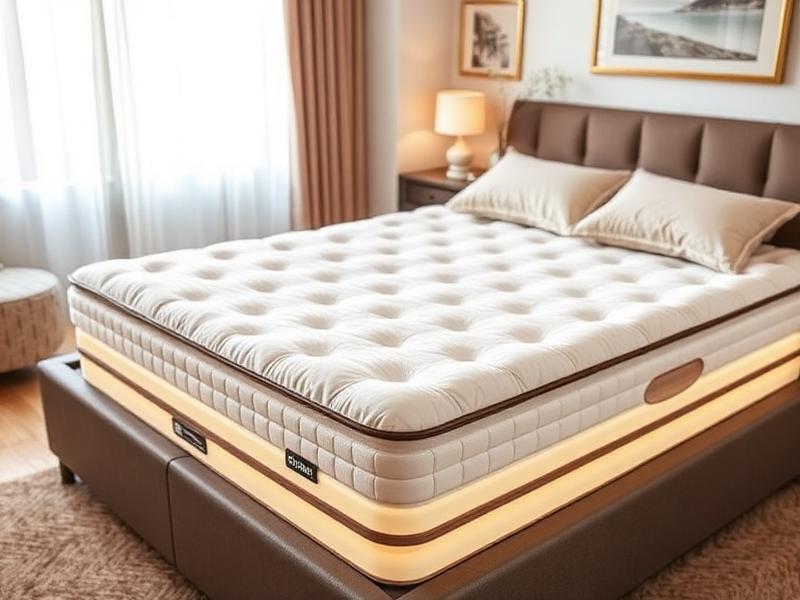
    Sterling Sleep DreamWeaver Softside

    Sterling Sleep Systems

    Sterling Sleep DreamWeaver Softside

    Best Softside — Premium Pillow Top Design

    8.9/10

    Type

    softside

    Wave Level

    Full Waveless

    Heater

    Included

    Warranty

    20 Years

    Sterling Sleep's DreamWeaver features a plush pillow-top cover over a full waveless water mattress, giving you the feel of a luxury conventional mattress with the therapeutic benefits of water support. The softside construction uses high-density foam rails for easy entry/exit.

    What We Love

    • Luxurious pillow-top feel over water support
    • Full waveless — no motion disturbance
    • High-density foam rails for edge support
    • Uses standard queen/king sheets
    • Easy-fill valve system for maintenance

    Worth Noting

    • Pillow top may compress over time
    • Premium pricing
    • Heavy once filled — difficult to relocate

    Best For:

    Luxury sleepersThose who want waterbed benefits with a traditional feelSide sleepers needing pressure relief
    $1099$1399

    Save $300

    Check Price
    4
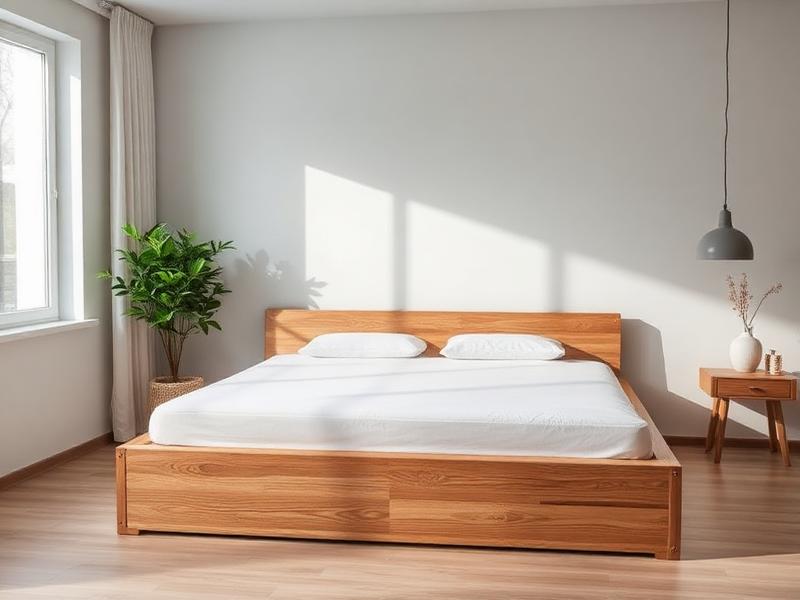
    Classic Hardside Wood Frame Waterbed

    Boyd Flotation

    Classic Hardside Wood Frame Waterbed

    Best Hardside — Authentic Waterbed Experience

    8.3/10

    Type

    hardside

    Wave Level

    Free-Flow to Full Waveless options

    Heater

    Included

    Warranty

    15 Years

    For purists who love the classic waterbed experience, Boyd Flotation's hardside model delivers. The solid wood frame holds a full water mattress — available in free-flow (full wave) to completely waveless versions. The hardside design provides the deepest water immersion and most body-contouring support.

    What We Love

    • Deepest water support and body contouring
    • Multiple wave-reduction options
    • Beautiful solid wood frame adds bedroom furniture appeal
    • Most affordable waterbed style
    • Excellent for back pain and joint pressure

    Worth Noting

    • Requires special waterbed sheets
    • Harder to get in/out vs. softside
    • Wood frame is very heavy and difficult to move
    • Not compatible with standard bed frames

    Best For:

    Waterbed enthusiastsThose seeking maximum pressure reliefBudget shoppers wanting authentic waterbed feel
    $799$999

    Save $200

    Check Price
    5
    Boyd Fiber 5500 Waveless Waterbed

    Boyd Flotation

    Boyd Fiber 5500 Waveless Waterbed

    Best Budget Waveless — Fiber-Stabilized

    8.1/10

    Type

    softside

    Wave Level

    95% Waveless (Fiber Fill)

    Heater

    Sold Separately

    Warranty

    10 Years

    The Boyd Fiber 5500 uses dense fiber fill layers inside the water bladder to dramatically reduce wave motion while keeping costs down. It's the most affordable way to get a nearly waveless waterbed experience. The fiber layers also add cushioning, creating a plusher feel than standard water mattresses.

    What We Love

    • Most affordable waveless option on the market
    • Fiber fill adds cushioning comfort
    • 95% wave reduction is excellent for the price
    • Lightweight compared to full waveless models
    • Easy to set up and fill

    Worth Noting

    • Heater sold separately
    • Fiber fill can shift over time
    • Not as waveless as premium hydraulic models
    • Shorter warranty than premium brands

    Best For:

    First-time waterbed buyersBudget-conscious shoppersThose wanting to try waveless without big investment
    $649$849

    Save $200

    Check Price

    Waterbed Pros & Cons: The Complete Breakdown

    Are waterbeds right for you? Here's an honest look at the advantages and drawbacks based on our testing.

    Advantages

    Superior Pressure Relief

    Water conforms perfectly to your body shape, distributing weight evenly and eliminating pressure points that cause tossing and turning.

    Temperature Control

    Built-in heaters let you set your exact sleep temperature — no more cold sheets in winter or overheating in summer.

    Hypoallergenic

    The vinyl bladder doesn't harbor dust mites, mold, or allergens like traditional mattresses, making waterbeds excellent for allergy sufferers.

    Exceptional Durability

    Quality waterbeds can last 15-20+ years — significantly longer than foam or innerspring mattresses that typically need replacement every 7-10 years.

    Back Pain Relief

    Studies have shown waterbeds can reduce back pain by providing even spinal support. Many chiropractors recommend them for chronic pain conditions.

    Zero Off-Gassing

    Unlike memory foam mattresses, waterbeds don't release volatile organic compounds (VOCs), so there's no chemical smell when new.

    Drawbacks

    Weight Concerns

    A filled queen waterbed weighs around 1,500-2,000 lbs. You need to ensure your floor can support the weight, especially in upper-story rooms.

    Setup & Maintenance

    Filling, draining, and adding water conditioner every 6-12 months requires more maintenance than a conventional mattress.

    Leak Risk

    While modern vinyl bladders are extremely durable, punctures can happen. A liner and patch kit are essential safety measures.

    Moving Difficulty

    Relocating requires completely draining the mattress, disassembling the frame, and refilling — a process that takes several hours.

    Electricity Cost

    The heater runs continuously, adding roughly $5-15/month to your electric bill depending on your thermostat setting and insulation.

    Limited Bedding Options

    Hardside waterbeds require special sheets, and even softside models may have compatibility issues with very deep-pocket fitted sheets.

    Waterbed Buying Guide

    Hardside vs. Softside Waterbeds

    Hardside waterbeds use a rigid wood frame that holds the water mattress. They offer the deepest water immersion and most body contouring but require special sheets and are harder to get in and out of.

    Softside waterbeds encase the water bladder in foam rails and look like a conventional mattress. They fit standard bed frames, use regular sheets, and are much easier to live with day-to-day. Most modern waterbeds are softside.

    Wave Reduction Levels

    Free-Flow: Full wave motion — the classic waterbed feel. Takes 15-20 seconds for waves to settle.
    Semi-Waveless: Fiber or baffle layers reduce motion by ~70-80%. Waves settle in 5-8 seconds.
    Waveless: Dense fiber fill or hydraulic systems reduce motion by 95-99%. Virtually no wave sensation.

    Maintenance Tips

    • 1. Add water conditioner every 6-12 months to prevent algae and bacterial growth.
    • 2. Keep a vinyl repair kit on hand for emergency patches.
    • 3. Set your heater to 85-90°F for optimal comfort.
    • 4. Use a mattress pad to protect the vinyl and add comfort.
    • 5. Check for air bubbles monthly — they can cause discomfort.

    How We Test Waterbeds

    Step 1

    Fill each waterbed per manufacturer specs and allow 48 hours for temperature stabilization.

    Step 2

    Measure wave motion with accelerometers at multiple surface positions.

    Step 3

    Capture pressure distribution with clinical-grade mapping technology.

    Step 4

    Test temperature accuracy against thermostat settings over 7 nights.

    Step 5

    Assess durability through 6 months of use plus accelerated stress testing.

    Step 6

    Score setup difficulty, maintenance, and overall livability.

    Hardside vs Softside Waterbeds

    The two waterbed formats sleep very differently. Choose the wrong one and you'll either feel like you're floating on a raft or sleeping on a conventional mattress with a heater.

    Hardside Waterbed

    A water bladder sits inside a rigid wooden frame. This is the classic 1980s waterbed.

    • Lowest price (under $700 for the bladder + frame).
    • Maximum water volume = most pronounced waterbed "feel."
    • Won't fit standard bed frames or sheets.
    • Heavy when filled (~1,800 lb at Queen) — floor-load check required.
    • Hard to find delivery and installation in 2026.

    Best for: Buyers who want the authentic vintage waterbed experience and have a ground-floor bedroom.

    Softside Waterbed

    Water chambers enclosed in a foam-rail frame that looks and fits like a conventional mattress.

    • Fits standard bed frames, foundations, and sheets.
    • Waveless options available — sleeps like a soft conventional bed with heat.
    • Easier to find delivery, install, and service.
    • Higher price ($1,200–$2,800 typical).
    • Less pronounced "floating" feel than hardside.

    Best for: Most buyers in 2026 — easier upgrade path and works with existing bedroom furniture.

    Where to Buy a Waterbed in 2026

    Big-box mattress retailers stopped carrying waterbeds around 2010. Here's where they're still actively sold and shipped in 2026.

    InnoMax (innomax.com)

    The largest direct-to-consumer waterbed brand still operating. Hardside + softside, ships in 5–10 days.

    Strobel Technologies (strobel.com)

    Specializes in waveless softside chambers; preferred by chiropractors recommending water beds.

    Boyd Specialty Sleep (boydsleep.com)

    Affordable hardside bladders and replacement parts — good for repairing an existing waterbed.

    Amazon (third-party sellers)

    Replacement bladders and heaters are easy to source; full systems are hit-or-miss on quality.

    Local waterbed specialty stores

    Cities like Phoenix, Denver, and Indianapolis still have legacy waterbed dealers. Search 'waterbed store near me' first.

    Used Facebook Marketplace / Craigslist

    Common for hardside frames; never buy a used bladder (PVC degrades after ~8 years and leaks).

    Pricing and availability verified in our retailer audit, updated 2026.

    Waterbed Questions, Answered

    Are waterbeds still made in 2026?

    Yes. Waterbeds left big-box mattress retail around 2010, but InnoMax, Strobel Technologies, and Boyd Specialty Sleep still manufacture complete systems, and replacement bladders, heaters, and liners remain widely available. What has changed is the format: most 2026 sales are softside waveless models that fit a standard bed frame and standard sheets, not the 1980s hardside plywood pedestal.

    How much does a waterbed cost in 2026?

    A complete softside queen system runs $1,100–$2,200 including bladder, foam rails, heater, and cover. Hardside setups are cheaper at $500–$1,200 but need a dedicated pedestal frame. Replacement parts are the budget path: a queen bladder is $120–$260, a heater pad $70–$150, and a conditioner bottle about $15 a year.

    Are waterbeds good for your back?

    Waveless waterbeds distribute weight evenly and eliminate the pressure points that firm innersprings create at the hip and shoulder, which is why chiropractors historically recommended them for arthritis and fibromyalgia. Free-flow models are a different story — the wave motion lets the pelvis drop and rotate, which can aggravate lower-back pain. If back support is the goal, buy a full-wave-reduction (90–95% waveless) fiber-filled chamber.

    How much does a waterbed weigh, and will my floor hold it?

    A filled queen waterbed weighs roughly 1,500–1,800 lb, but it spreads that load across about 30 square feet, giving a floor load near 50–60 lb per square foot. That is within the 40 lb/sq ft live-load rating of most residential floors once the load is distributed, and waterbeds have been safely used in upper-floor bedrooms for decades. Put it perpendicular to floor joists, avoid placing it in the middle of a long unsupported span, and check your lease — many apartments still require renter's insurance or ban them outright.

    How much does a waterbed heater cost to run?

    A modern solid-state waterbed heater draws 150–400 watts and cycles roughly 4–8 hours a day depending on room temperature and whether you use an insulated cover. That works out to about $8–$20 a month at $0.16/kWh. A good foam-lined cover and a comforter left on during the day cut that figure by 30–40% because most heat loss is off the top surface.

    How long do waterbeds last?

    A quality vinyl bladder lasts 10–15 years with annual conditioner treatment; the frame, heater, and pedestal often outlive it and only the bladder gets replaced. Skipping water conditioner is the single biggest cause of early failure — untreated water grows algae and bacteria that break down the vinyl plasticizers, leading to seam splits at around year six.

    Hardside vs. softside waterbed — which should I buy?

    Softside is the better buy for almost everyone in 2026: it fits a normal bed frame, uses standard fitted sheets, has a firm foam perimeter you can sit on, and looks like a conventional mattress. Hardside gives more water volume, a deeper float, and lower cost, but it requires a dedicated pedestal, uses waterbed-specific sheets, and has no supportive edge.

    How do you maintain a waterbed?

    Add water conditioner every 6–12 months, burp trapped air from the fill valve twice a year, wipe the vinyl with a vinyl conditioner to keep it supple, and inspect the safety liner for standing water quarterly. Keep the thermostat between 85°F and 90°F — most sleepers land at 86–88°F, and running colder makes the bed feel damp and pulls body heat all night.

    Do waterbeds leak, and what happens if one does?

    Leaks are uncommon and are almost always slow seam weeps rather than bursts — vinyl this thick does not pop. Every properly installed waterbed sits inside a safety liner rated to contain the full volume, so a failure shows up as water pooling in the liner, not on your floor. Patch kits cost about $10 and repair pinholes in minutes.
    Keep exploring

    More from our independent testing lab

    Frequently Asked

    Questions readers ask