#1
9.4/10
Value: 9.9/10
9.9
Value
9.3
Durability
9.2
Support
$699$1199
Keep exploring
Frequently Asked
Before you buy, read the brand: construction, pricing bands, trial and warranty terms, and how each company's lineup performed in our Encinitas lab.
Growing bodies need proper support. These mattresses offer the right balance of comfort, support, and durability for children of all ages.
Supports growing spines and developing bodies
Medium firmnessNon-toxic, CertiPUR-US certified foams
Chemical-freeWithstands jumping, spills, and active kids
Long-lastingValue: 9.9/10
Value: 9.8/10
Value: 9.8/10
Value: 9.8/10
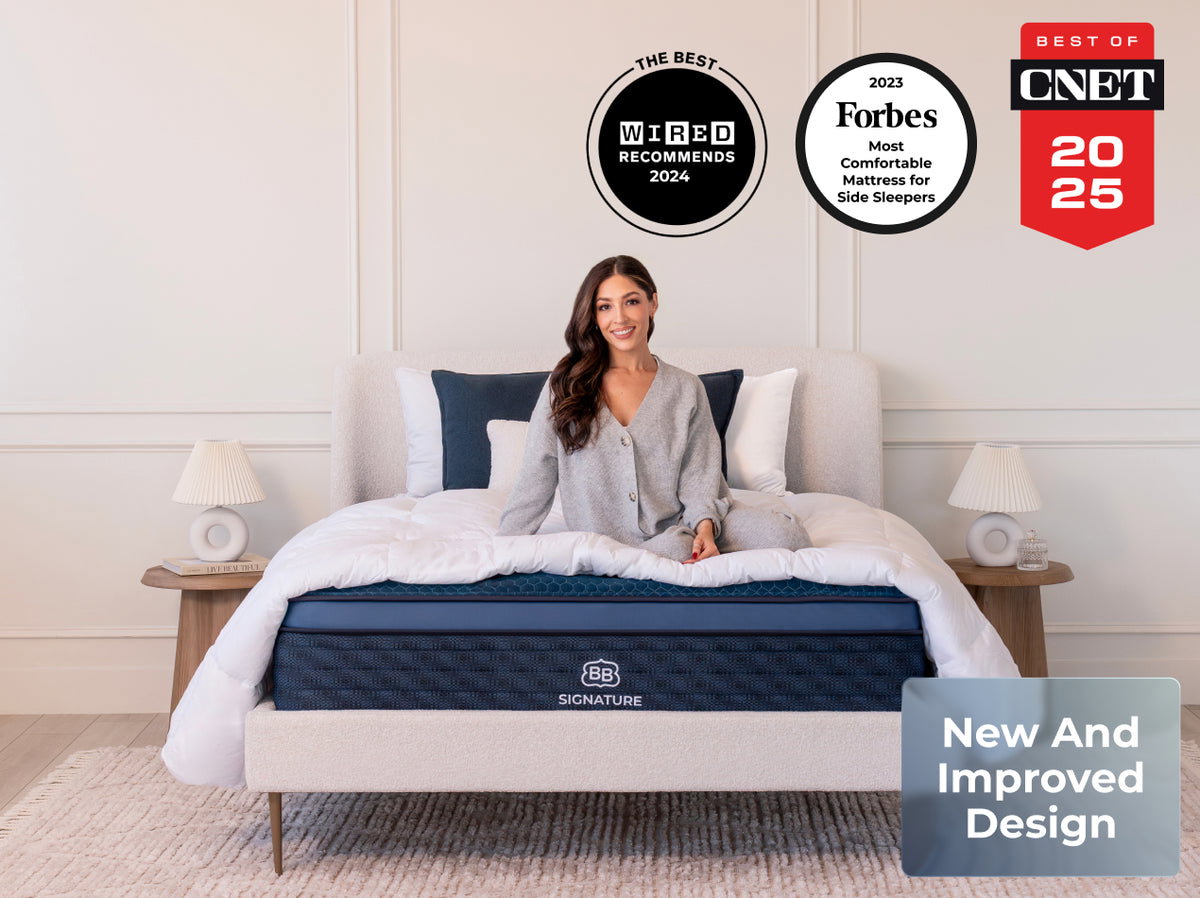
Value: 9.7/10
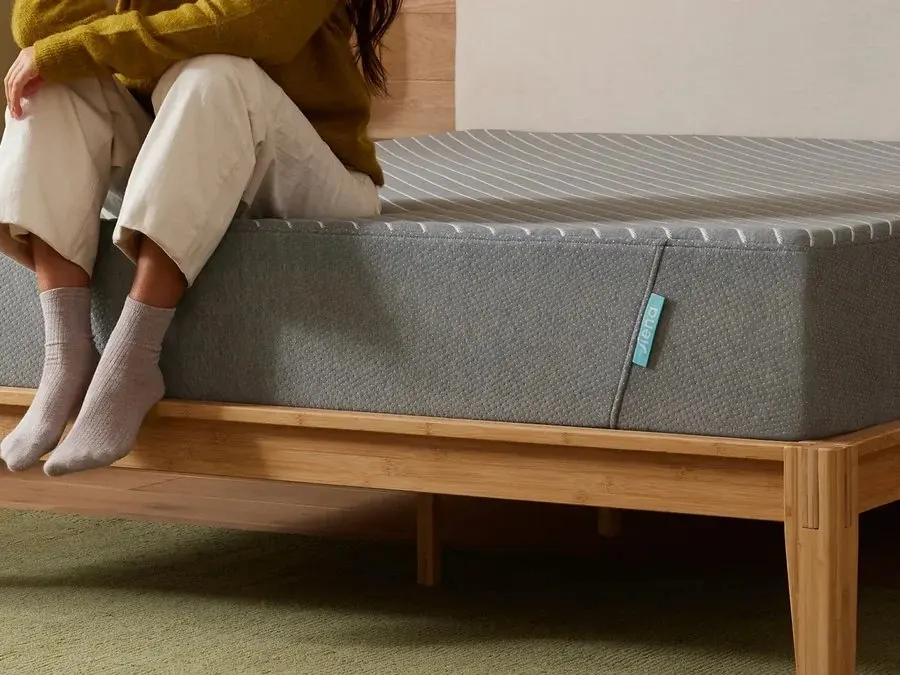
Value: 9.6/10
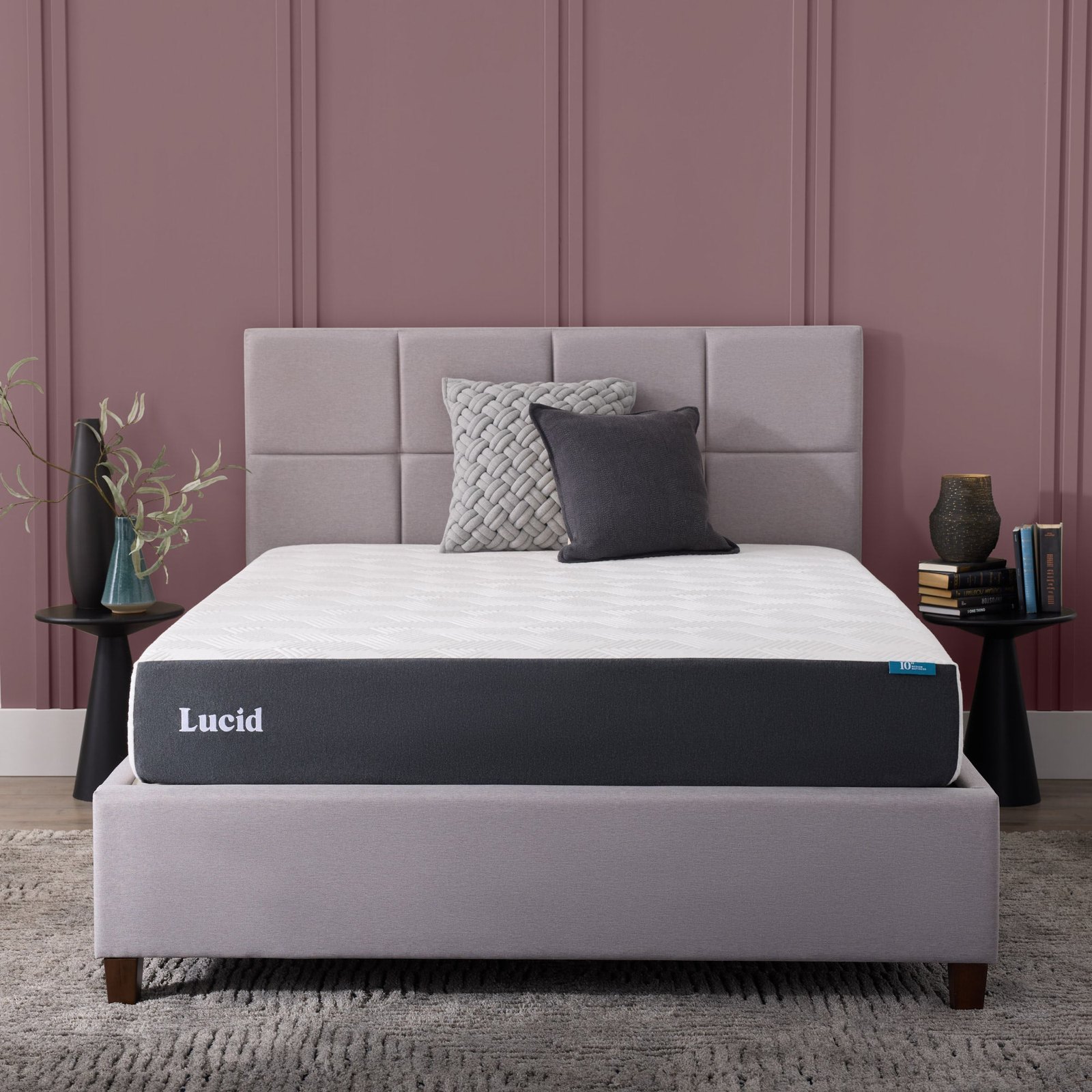
Value: 9.6/10
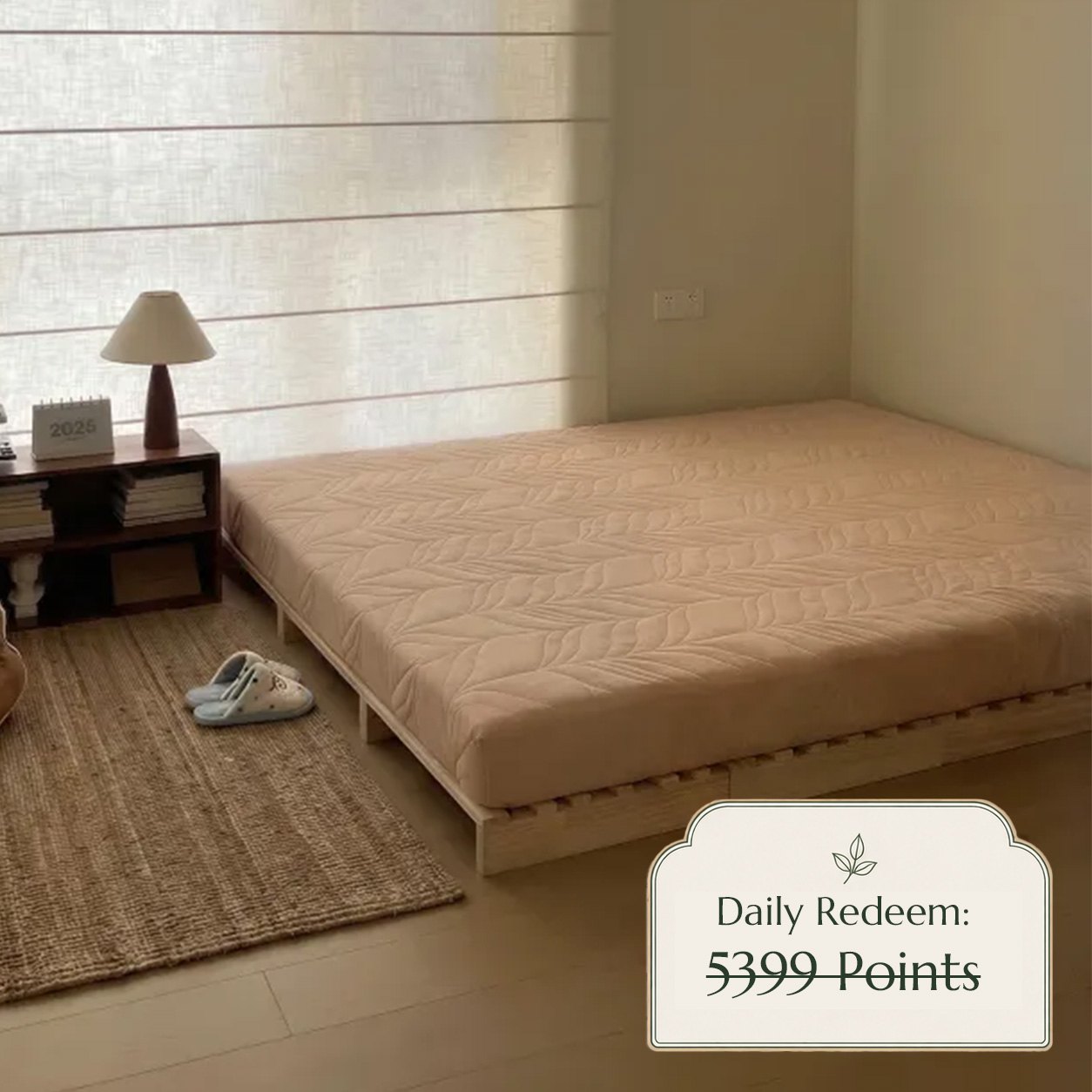
A foldable 3-inch floor futon that actually sleeps like a bed
Value: 9.6/10
Kids' mattresses are the most over-marketed category in the entire bedding industry. Manufacturers slap cartoon licenses and 'orthopedic' labels onto products built with the cheapest possible foam, then charge 80% of the price of a real adult mattress. The truth: a child under 12 needs three things — a firm-enough surface for a developing spine, certified-low VOC emissions because their lungs are still maturing, and a waterproof barrier. The picks below all carry CertiPUR-US and GREENGUARD Gold certification, which together cap formaldehyde and total VOCs at levels appropriate for children.
Pediatric sleep specialists generally recommend a 7-8/10 firmness for children, considerably firmer than the 5-6/10 most adults prefer. The reasoning: children weigh less, so they don't compress softer surfaces enough to receive proper spinal alignment. A mattress that feels 'medium' to an adult feels 'plush' to a 60-pound child.
Toddlers (under 4) benefit from even firmer surfaces — closer to 8-9/10 — primarily for safety. The American Academy of Pediatrics recommends firm sleep surfaces for children under 12 months, and the principle extends in modified form to toddlers.
Most children outgrow a twin mattress at the start of puberty — typically age 11-13 — when they reach 5'2" or so. Below that height, a twin or twin XL provides plenty of room. Above it, sleep quality deteriorates measurably.
Plan to replace the mattress (not just the size) every 6-8 years for children. Cheap kids' mattresses don't have the foam density to last longer, and growing bodies need fresh support more than adults do.
Cartoon-branded mattresses charge a 30-50% premium for the license. Buy a plain quality mattress and a $25 themed sheet set.
Uncertified kids' mattresses can off-gas formaldehyde at levels banned in California furniture regulations. Always verify GREENGUARD Gold.
Children need MORE support per pound of body weight, not less. Soft kids' mattresses cause posture issues over years.
Basic foam twins. Look for CertiPUR-US at minimum.
GREENGUARD Gold-certified hybrids. Best longevity for growing kids.
Organic latex options. Worth it for kids with allergies or chemical sensitivities.
Sizing, certifications, and safe age ranges for children's pillows and beds.
Already shopping a specific brand? See how each one stacks up for kids.