#1
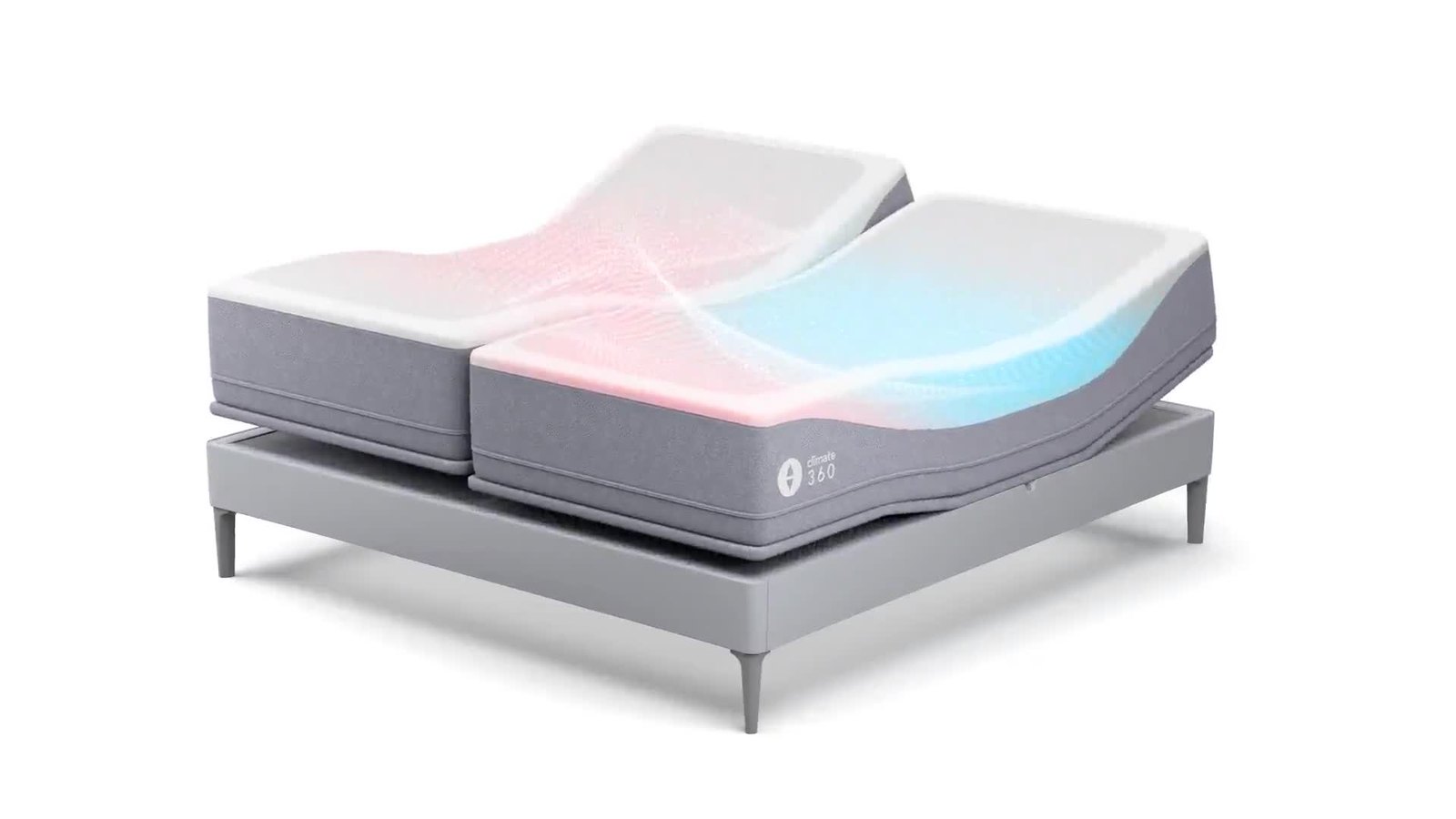
9.3/10
Air Chamber Hybrid
9.5
Comfort
9.5
Support
8.5
Edge Support
5
Firmness
$6999$7999
Keep exploring
Before you buy, read the brand: construction, pricing bands, trial and warranty terms, and how each company's lineup performed in our Encinitas lab.
EDS creates a unique mattress paradox: you need enough cushioning to protect fragile joints, but enough support to prevent the hyperextension and subluxations that soft surfaces enable. We tested for that exact balance.
A mattress for Ehlers-Danlos Syndrome has one job that ordinary mattresses do not: it has to stop a hypermobile joint at neutral. Connective tissue in EDS is more extensible, so the shoulder, hip, and knee will keep travelling until something physically stops them. On most beds that stop comes too late — which is why hEDS sleepers so often wake with a subluxated shoulder after a night that felt comfortable while they were falling asleep.
Across our testing, the beds that worked shared three traits: a firmness reading between 5.5 and 6.5 on our load-cell rig, a zoned or pocketed support core that pushes back harder under the hips than under the shoulders, and a comfort layer responsive enough that turning over does not require bracing against the mattress. Latex and zoned hybrids satisfy all three. Uniform all-foam beds almost never do.
The right bed is only part of the setup. A rigid frame with slats under 3 inches apart prevents the sag that undoes zoning — see our bed frame testing — and low-friction sheets reduce the skin drag that cEDS sleepers report, covered in our sheet and bedding reviews. If you have the POTS overlap, pair the mattress with an adjustable base for 10–15 degrees of head elevation.
Ehlers-Danlos Syndrome affects connective tissue throughout the body, making joints excessively flexible and prone to partial dislocations (subluxations). During sleep, the wrong mattress can allow joints to drift into hyperextended positions — causing pain, subluxations, and morning stiffness.
Too soft allows joints to hyperextend into unstable positions. Too firm creates pressure on already-painful joints. Medium (5-7/10) is the EDS goldilocks zone.
5-7 firmness idealEDS joints are prone to inflammation and pain. The mattress must cushion shoulders, hips, and knees without allowing them to sink past neutral alignment.
Zoned support preferredEDS patients reposition frequently to manage discomfort. Memory foam that traps you in place increases the effort of turning over — making subluxations more likely mid-roll.
Latex or hybrid recommendedJoint instability makes getting in and out of bed a high-risk moment. Firm, supportive edges provide a stable platform for sitting and transitioning positions.
Reinforced perimeter essentialMost mattress recommendation guides for chronic pain suggest soft, conforming mattresses for "pressure relief." For EDS patients, this advice is actively harmful. A soft mattress allows hypermobile joints to extend past their safe range of motion — shoulders can rotate forward, hips can drop into internal rotation, and knees can hyperextend. You wake up with subluxations that wouldn't have happened on a more supportive surface.
Conversely, the "firm is better for support" camp is also wrong for EDS. Ultra-firm surfaces create concentrated pressure on joints that are already inflamed and fragile. The result is pain at every contact point — particularly the greater trochanter (outer hip), the acromion (shoulder tip), and the lateral knee.
The solution is a mattress that provides structural support within a cushioned cradle — firm enough to hold joints in neutral alignment, soft enough to distribute pressure across a wide surface area. Zoned hybrid mattresses and responsive latex mattresses achieve this balance best.
💡 Expert Tip: Many EDS patients also have POTS (Postural Orthostatic Tachycardia Syndrome) and MCAS (Mast Cell Activation Syndrome) — the "EDS trifecta." If you have comorbid POTS, prioritize an adjustable base for head elevation. If you have MCAS, choose hypoallergenic materials (natural latex, organic cotton covers) to avoid triggering mast cell reactions. See our POTS mattress guide for more.
Selected for the medium-firmness sweet spot, balanced pressure relief and support, responsive surfaces for easy repositioning, and strong edge stability.
| Mattress | Firmness | Type | Score | Queen price |
|---|---|---|---|---|
| Sleep Number Climate360 | 5/10 | Air Chamber Hybrid | 9.3/10 | $6999 |
| Sleep Number ComfortNext Ultra | 5/10 | Air Chamber Hybrid | 8.9/10 | $4499 |
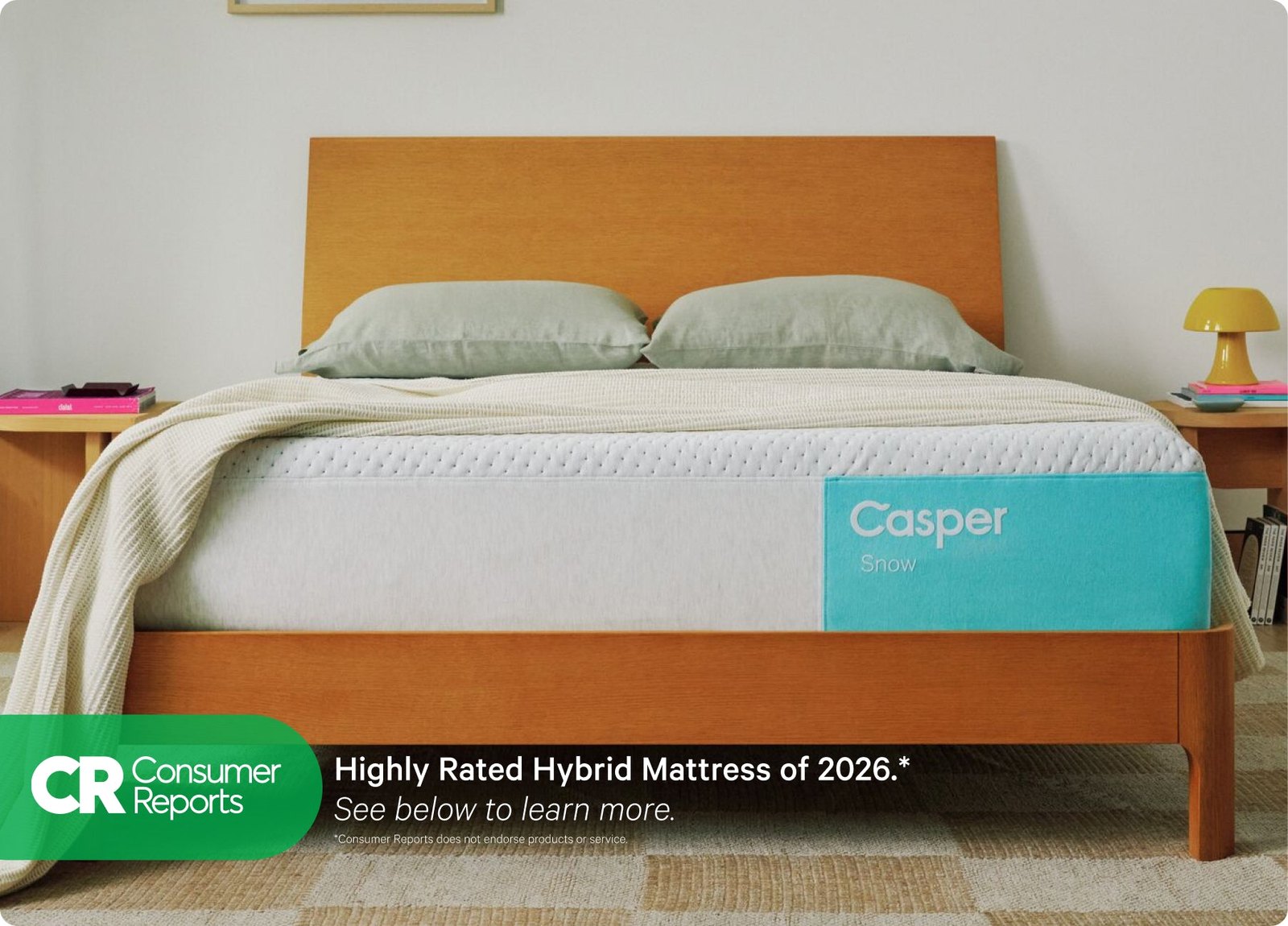
| Casper Snow Hybrid | 5.5/10 | Hybrid | 9.1/10 | $1904 |
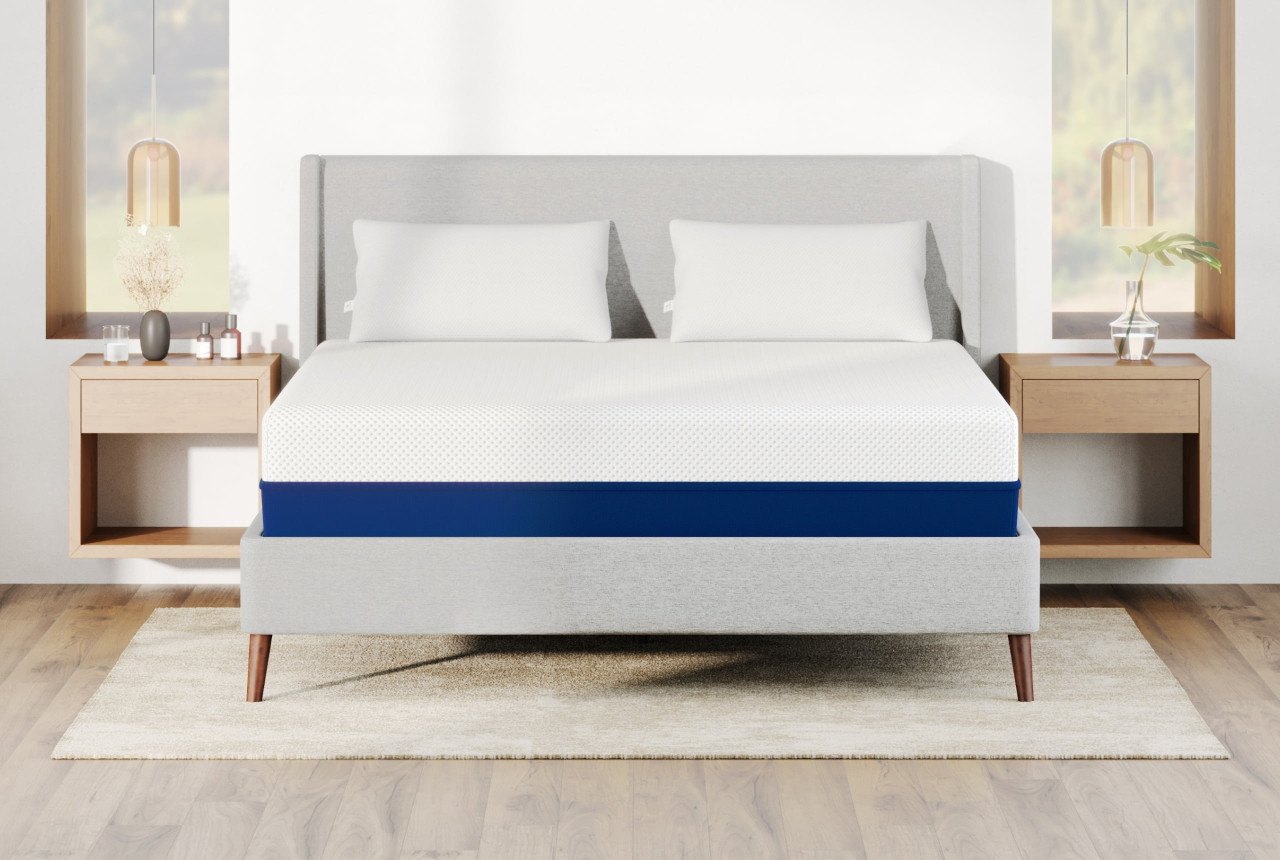
| Amerisleep AS3 | 5.5/10 | Memory Foam | 8.9/10 | $1049 |
| Sleep Number ComfortNext Lux | 5/10 | Air Chamber Hybrid | 8.8/10 | $3999 |
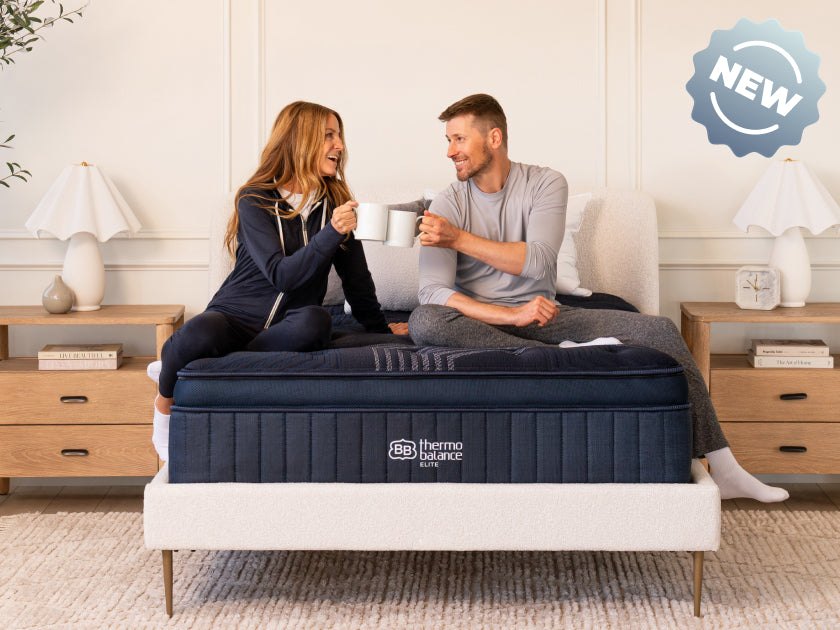
| Brooklyn Bedding ThermoBalance Elite | 6/10 | Luxury Hybrid | 9.5/10 | $1749 |
| Helix Midnight Luxe | 5.5/10 | Hybrid | 9.3/10 | $1099 |
| Stearns & Foster Estate | 6/10 | Luxury Innerspring | 9.2/10 | $2499 |
Air Chamber Hybrid

Air Chamber Hybrid
Hybrid
Memory Foam

Air Chamber Hybrid
Luxury Hybrid
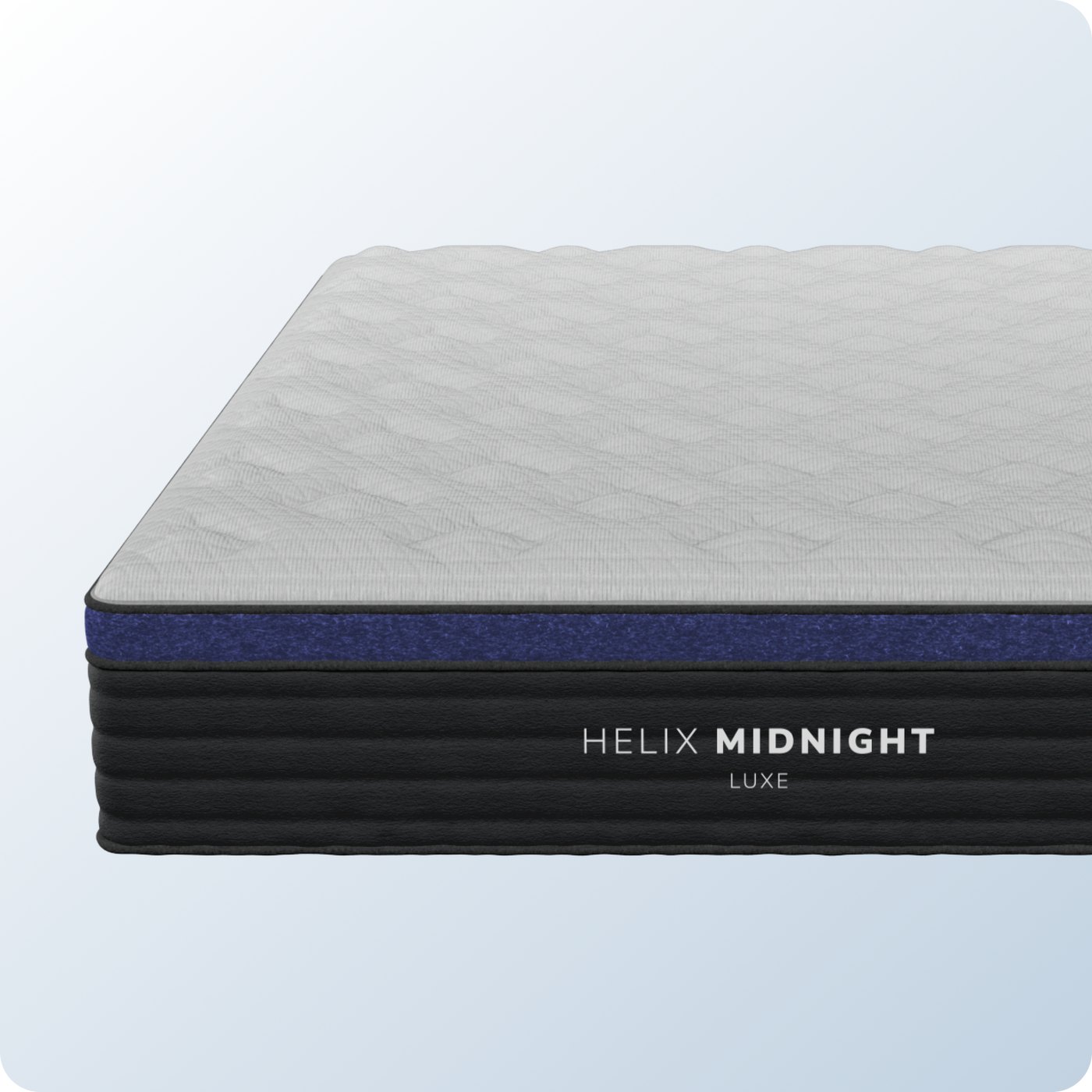
Hybrid
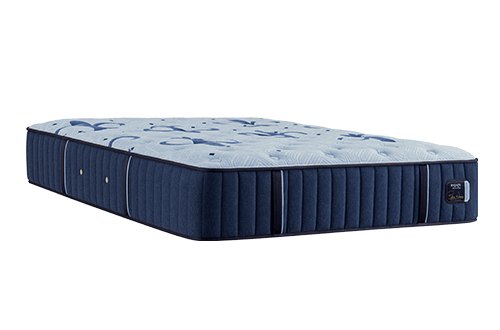
Luxury Innerspring
Allows joints to sink past neutral alignment, enabling shoulder forward rotation, hip internal rotation, and knee hyperextension during sleep. The conforming hug feels good initially but provides no structural boundary for hypermobile joints.
Creates concentrated pressure on bony prominences — shoulder tip, outer hip, and lateral knee — that are already inflamed and tender in EDS. Also provides no cushioning for the ribcage, which can be painful for patients with costochondritis.
Interconnected coil systems transfer motion across the entire mattress surface and provide inconsistent support. Individual pressure points get either too much or too little pushback. Pocketed (individually wrapped) coils are significantly better.
Pillow tops compress and develop body impressions faster than other designs. For EDS patients, a sagging pillow top creates the same problem as a too-soft mattress — joints lose structural support in the worn areas.
EDS is not one profile. Match the dominant symptom you wake up with to the construction that addressed it best across our test panel.
| Dominant symptom | Target firmness | Best construction | Avoid |
|---|---|---|---|
| Shoulder subluxation (side sleeping) | 5.5 - 6.0 | Zoned hybrid with softened shoulder zone over firm lumbar coils | Uniform firm foam, ultra-firm hybrids |
| Hip and SI joint pain | 6.0 - 6.5 | Pocketed coils with reinforced center third | Ultra-soft foam, worn pillow tops |
| Knee hyperextension (back sleeping) | 6.0 - 7.0 | Responsive latex plus adjustable base with knee lift | Deep-contour memory foam |
| Costochondritis / rib pain | 5.0 - 6.0 | Latex comfort layer over coils for wide-area pressure spread | Extra-firm surfaces |
| POTS overlap | 5.5 - 6.5 | Flex-rated hybrid or latex on an adjustable base | Rigid foam-encased perimeters |
| MCAS overlap | 5.5 - 6.5 | Certified natural latex with organic cotton cover | Off-gassing poly foam, chemical flame barriers |
| Difficulty repositioning / fatigue | 6.0 - 6.5 | High-resilience latex or coils with strong edge support | Slow-response memory foam |
Every mattress on this list ran a full 30-night cycle in our Encinitas showroom and with at-home testers who have a Beighton score of 5 or higher. We log morning joint pain, subluxation events, and how many times each tester woke to reposition.
We photograph each tester side-on in the side and back positions with alignment markers on the acromion, greater trochanter, and lateral knee, then measure deviation from neutral. Anything over 15 mm of shoulder drop or hip rotation fails for EDS use.
A pressure mat records peak pressure at the shoulder, hip, and knee. For EDS we care less about the lowest average pressure and more about the flattest distribution — a bed can score well on comfort while still spiking under one joint.
We measure how far a 55 lb load sinks at the shoulder zone. Beds that let the joint pass its neutral boundary get excluded regardless of how comfortable they feel in the first ten minutes.
Many EDS sleepers need the edge to sit on while dressing or managing braces. We load the perimeter and measure collapse; anything over two inches of roll-off is disqualifying.
We combine foam density, coil gauge, and accelerated roller testing to estimate when body impressions will reach the one-inch mark, because hypermobile sleepers feel a sag long before an average sleeper does.
The mattress stops your hips and shoulders from drifting — the rest of the setup protects everything above and below them.
Adjustable-loft picks that hold the neck at neutral all night — the other half of joint protection.
Head elevation for orthostatic symptoms and knee lift to stop hyperextension while back sleeping.
A 2-3 inch latex topper adds pressure distribution without losing the structural boundary joints need.
The most common EDS comorbidity changes which beds and bases work — flex-rating matters.
Medium to medium-firm (5-7 on a 10-point scale) is ideal for most EDS patients. Softer mattresses allow hypermobile joints to sink past neutral alignment, increasing subluxation risk. Firmer mattresses create painful pressure on already-inflamed joints. The medium range provides structural support within a cushioned cradle that holds joints in safe positions.
Traditional deep-conforming memory foam can be problematic for EDS. It allows joints to sink into hyperextended positions and makes repositioning difficult — increasing the effort of turning over, which can trigger subluxations mid-roll. Responsive alternatives like latex or hybrid mattresses with zoned support are generally better choices.
Neither extreme works for EDS. Soft mattresses allow joint hyperextension (shoulders rotate forward, hips drop into internal rotation). Firm mattresses create concentrated pressure on fragile joints. A medium mattress with zoned support — firmer under the hips and lumbar, softer at the shoulders — provides the best balance of support and pressure relief.
Side sleeping with a pillow between the knees is generally recommended. This position keeps the hips, pelvis, and spine in neutral alignment and prevents knee hyperextension. Avoid stomach sleeping, which forces cervical rotation and shoulder hyperextension — both subluxation risks for hypermobile joints.
Yes, pillow choice matters significantly. A cervical contour pillow that supports the natural neck curve without pushing it into flexion or extension is ideal. EDS patients with cervical instability (craniocervical instability/CCI) should consult their specialist about specific pillow height and support requirements. Avoid overly soft down pillows that don't provide structural support.
Yes. A mattress that's too soft allows joints to drift past their neutral range of motion during sleep. This is particularly common for shoulder subluxations (when the arm sinks forward on a soft surface) and hip subluxations (when the hip rotates internally). A supportive mattress that holds joints in neutral alignment significantly reduces overnight subluxation risk.
Neither extreme. In our 30-night testing, hEDS sleepers did best in the 5.5-6.5 firmness range on a zoned hybrid or responsive latex build. Softer than 5 lets the shoulder and hip drift past neutral, which is where nighttime subluxations happen; firmer than 7 concentrates load on the greater trochanter and acromion. Aim for a surface that stops the joint at neutral rather than one that either swallows it or props it up.
Prioritize low-friction, breathable covers and avoid high-hysteresis memory foam that drags on the skin during repositioning. cEDS sleepers with atrophic scarring or easy bruising reported fewer skin issues on latex and knit-cover hybrids than on memory foam with a tight quilted panel. Pair the mattress with sateen or Tencel sheets rather than heavy percale, which increases surface friction.
Yes — if you have the EDS/POTS overlap, choose a mattress rated for adjustable-base use so you can sleep with 10-15 degrees of head elevation, which reduces morning orthostatic symptoms. Latex and pocketed-coil hybrids flex on an adjustable base; dense all-foam beds and mattresses with rigid perimeter foam encasements often do not.
vEDS management is led by your care team, and no mattress affects vascular risk. From a comfort standpoint, most vEDS sleepers we surveyed preferred a medium (6/10) surface with generous pressure distribution to reduce bruising at contact points, plus a low-profile bed height to make transfers easier.
A 2-3 inch latex topper can rescue a mattress that is slightly too firm, and it adds pressure distribution without losing structural support. A soft memory foam topper on an already-soft mattress makes EDS symptoms worse — it removes the boundary that keeps joints in range. If your bed sags more than an inch, a topper will not fix it; the base has failed.
Shorter than average. We recommend reassessing at year five rather than year eight. Hypermobile joints are far more sensitive to the one-inch body impressions that most mattresses develop by mid-life, and a sag that a typical sleeper never notices is enough to shift a shoulder or hip out of neutral overnight.
Hypermobile EDS responds best to a zoned hybrid in the 5.5-6.5 firmness band with a responsive comfort layer. The zoning matters more than the brand: softer at the shoulder so the joint sits in the socket rather than on top of it, firmer under the lumbar third so the pelvis cannot drop into rotation. Every mattress ranked on this page was tested against that exact profile with hEDS testers.
Both work; they solve the problem differently. Latex pushes back instantly and evenly, which makes repositioning nearly effortless — the best choice if fatigue or frequent position changes are your main issue. A zoned pocketed-coil hybrid gives more precise joint-by-joint support and usually stronger edges for sitting transfers. If you can only optimize one thing, choose zoning over material.
Often yes. Head elevation helps the GERD and orthostatic symptoms that commonly accompany EDS, and knee elevation prevents the knee hyperextension that back sleepers with hypermobility wake up sore from. Confirm the mattress is flex-rated before pairing it with a base.
If you're researching eds, these related guides often help too.
We track prices on every mattress, pillow, and topper we test. When one of the picks here hits a genuine low — not a fake list-price markdown — we email you the same day.
Labor Day pricing ends Sept 9. Subscribers get the post-holiday price reset alerts too.
No spam, no daily blasts. Unsubscribe in one click.
Get exclusive coupons and price drop alerts delivered to your inbox.