#1

9.5/10
Luxury Hybrid
9.9
Cooling
9.2
Edge Support
9.6
Comfort
6
Firmness
$1749$2332
Postural Orthostatic Tachycardia Syndrome creates unique sleep challenges — from temperature dysregulation to the need for elevated sleeping positions. We tested mattresses specifically for these needs.
POTS and other forms of dysautonomia affect the autonomic nervous system's ability to regulate heart rate, blood pressure, and body temperature — all of which directly impact sleep quality.
Autonomic dysfunction often causes heat intolerance and night sweats. A cooling mattress is essential, not optional.
Look for hybrid or latex with airflowMany POTS patients sleep with the head elevated 6-10 inches to manage blood pooling and heart rate spikes.
Must work with adjustable framesGetting in and out of bed triggers symptoms. Firm edges provide stability when transitioning from lying to sitting.
Reinforced perimeter criticalPOTS patients often need to reposition frequently. A mattress that doesn't trap you in place reduces effort and symptom triggers.
Avoid deep-sinking memory foam💡 Expert Tip: For POTS patients, an adjustable base is arguably more important than the mattress itself. Elevating the head 15-30° reduces orthostatic symptoms and improves morning blood pressure. Pair it with a hybrid mattress that flexes well and sleeps cool for the best results.
Selected for cooling performance, adjustable base compatibility, responsive surfaces, and edge support — the features that matter most for autonomic dysfunction.
Luxury Hybrid
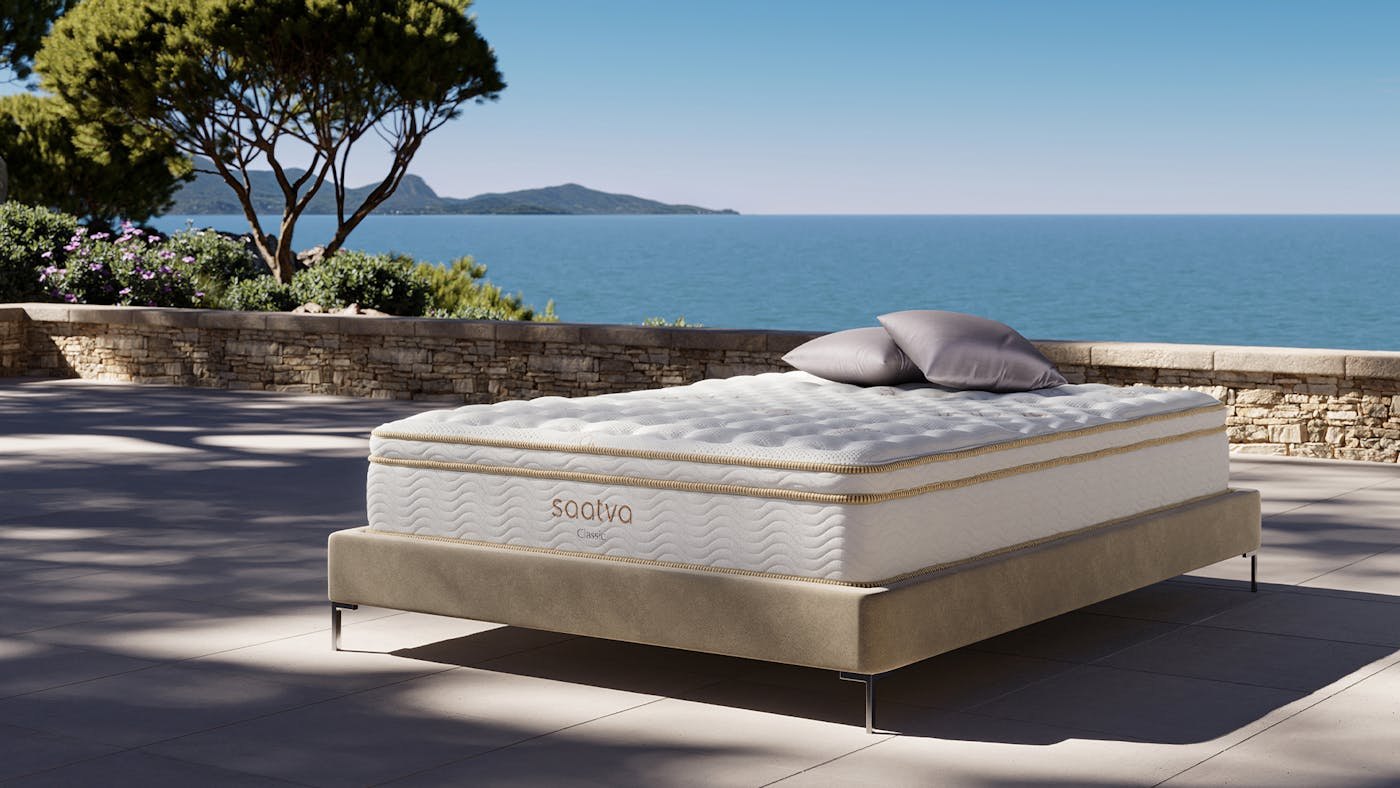
Innerspring Hybrid
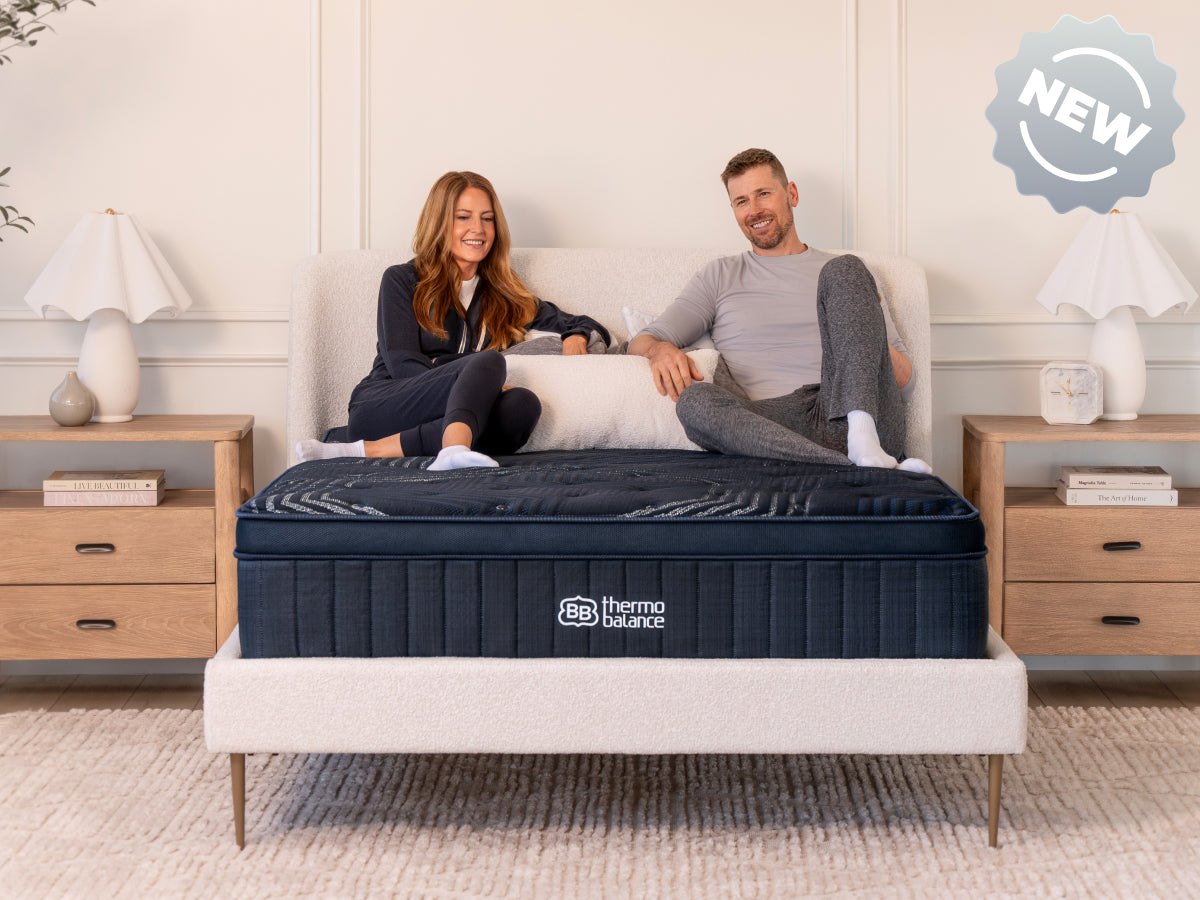
Luxury Hybrid
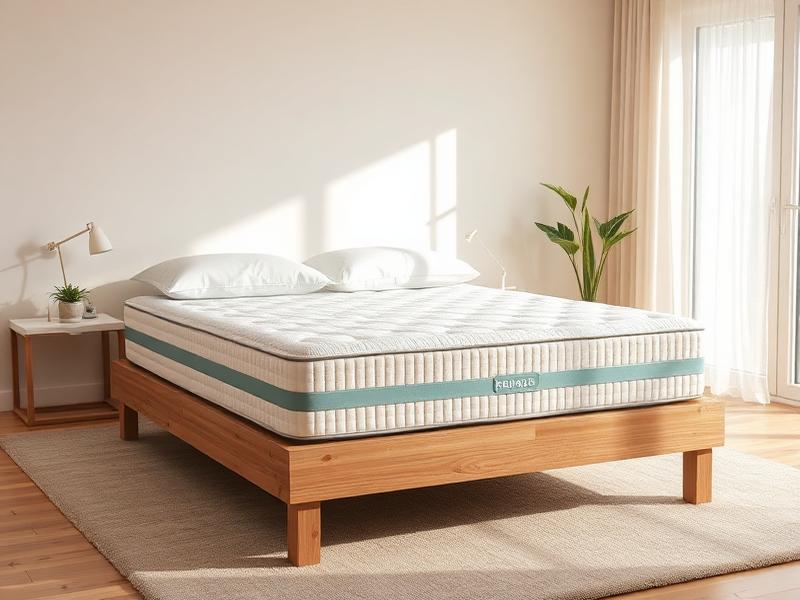
Gel Hybrid
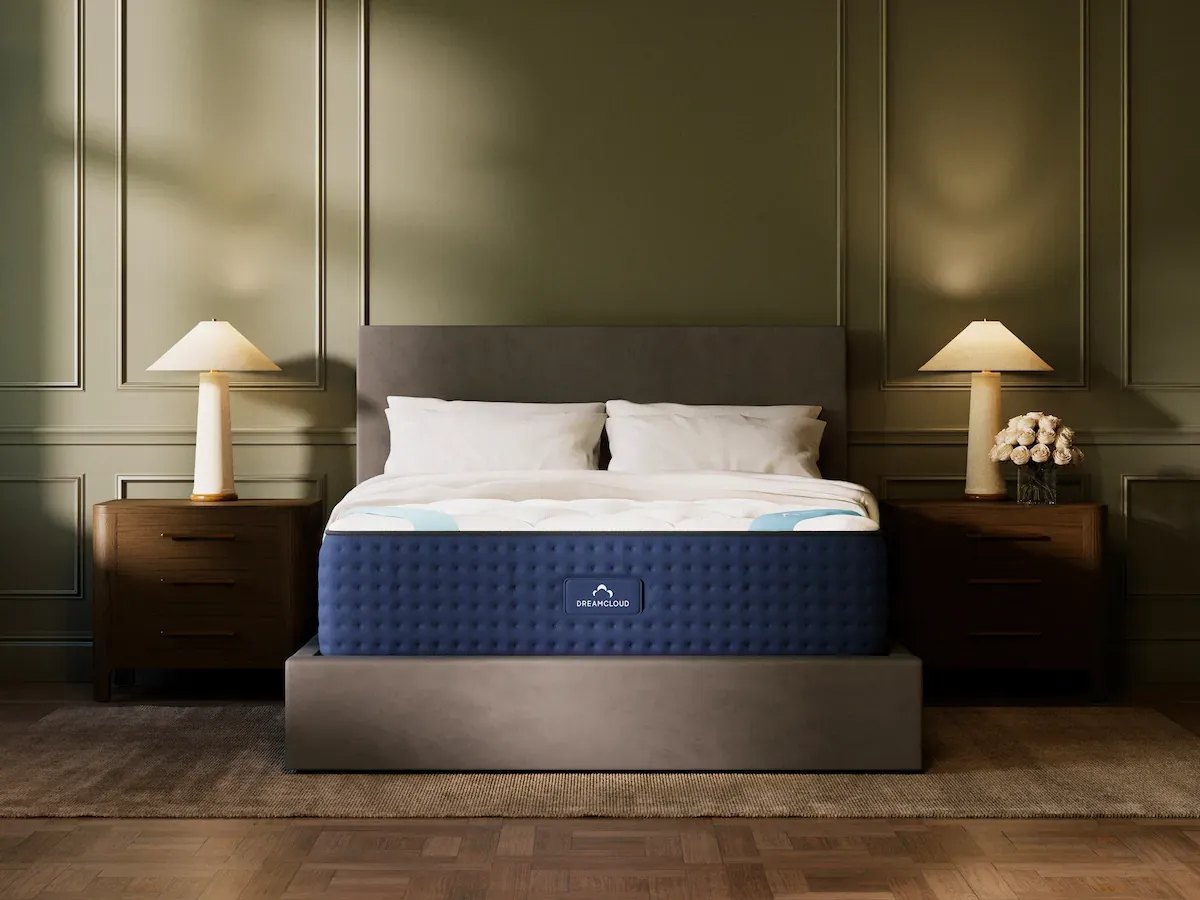
Luxury Hybrid
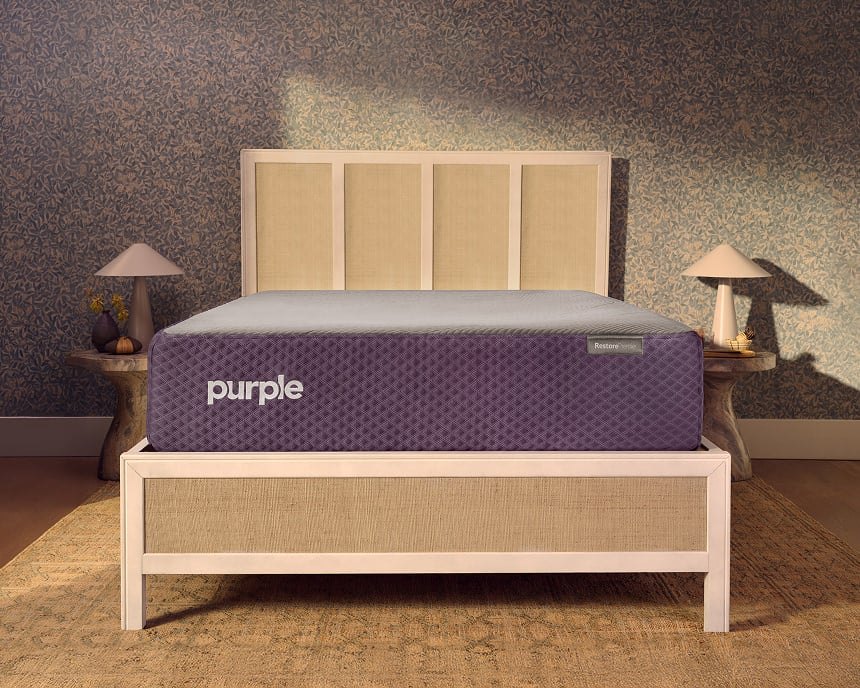
Hybrid

Luxury Hybrid
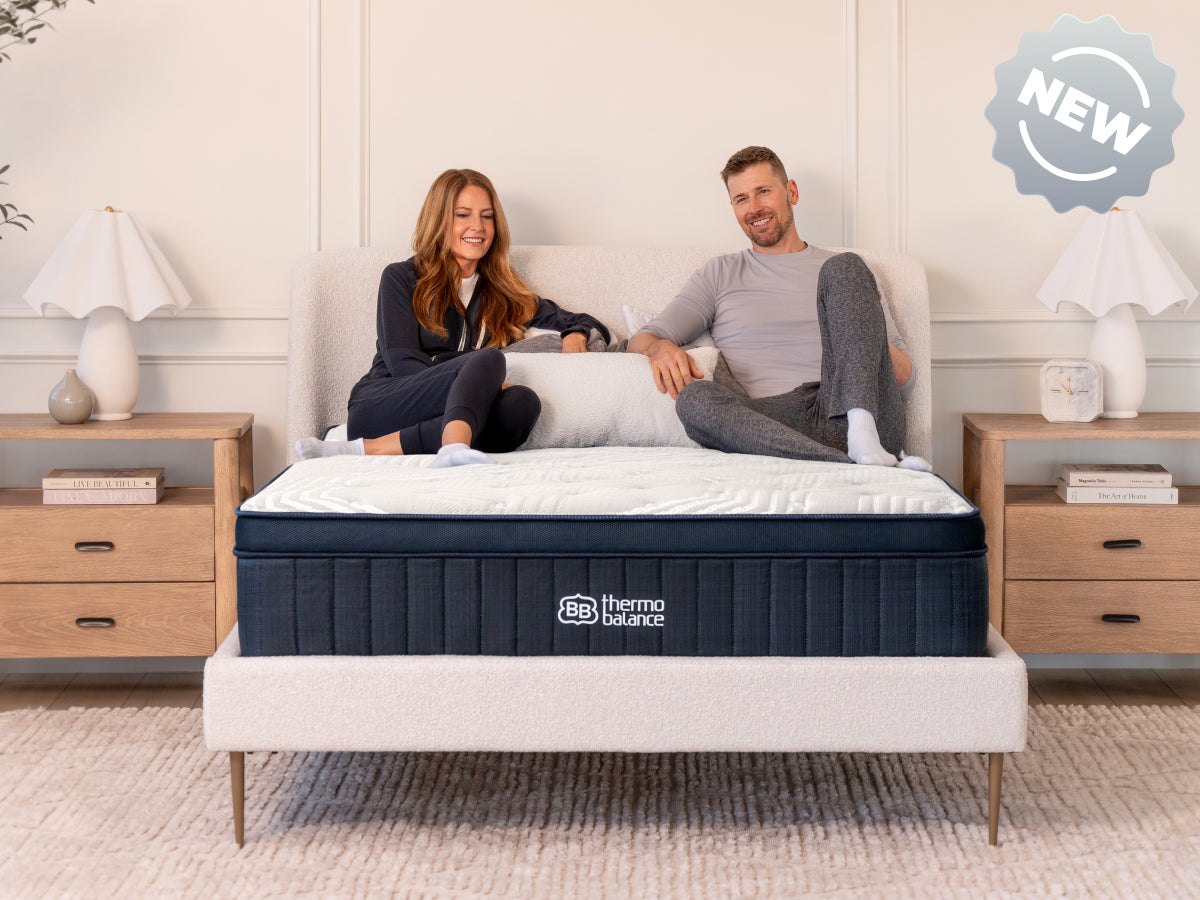
Latex Hybrid
For POTS and dysautonomia patients, sleeping with the head of the bed elevated 6-10 inches (15-30°) is one of the most commonly recommended non-pharmacological interventions. This position helps prevent blood from pooling in the lower extremities overnight, reducing the severity of morning orthostatic symptoms — including the rapid heart rate spike, dizziness, and pre-syncope that many patients experience upon standing.
An adjustable base allows precise control over elevation angle and can also raise the legs slightly, which further supports venous return. Many patients find a slight "zero gravity" position (head and knees both slightly elevated) provides the best symptom management and sleep quality.
Our top adjustable base picks for POTS: The Saatva Adjustable Base Plus and Tempur-Pedic Ergo both offer precise head/foot adjustment, quiet motors, and preset positions including zero-gravity. Check our full adjustable base reviews for detailed comparisons.
The best mattresses for POTS (Postural Orthostatic Tachycardia Syndrome) are cooling hybrids that work with adjustable bases. Key features include strong edge support for safe transitions in/out of bed, temperature regulation for heat intolerance, and a responsive surface for easy repositioning. Avoid all-foam mattresses that trap heat and restrict movement.
Yes, sleeping with the head of the bed elevated 6-10 inches (15-30°) is one of the most commonly recommended non-drug interventions for POTS. This position reduces overnight blood pooling in the lower extremities and can decrease the severity of morning orthostatic symptoms like tachycardia and dizziness.
Many POTS and dysautonomia patients experience heat intolerance and excessive sweating due to impaired autonomic temperature regulation. A cooling mattress — particularly hybrids with coil airflow and breathable comfort layers — helps maintain a comfortable body temperature throughout the night, reducing night sweats and sleep disruptions.
Traditional memory foam is generally not ideal for POTS patients. It retains body heat (problematic for temperature dysregulation), restricts movement (making repositioning harder), and often lacks edge support. Hybrid or latex mattresses offer better cooling, responsiveness, and edge stability — all critical for POTS management.
An adjustable base is highly recommended for POTS patients. It allows precise head elevation to manage blood pooling, offers zero-gravity positioning for improved venous return, and makes getting in and out of bed easier — reducing the abrupt postural changes that trigger symptoms.
If you're researching pots, these related guides often help too.
Keep exploring
Before you buy, read the brand: construction, pricing bands, trial and warranty terms, and how each company's lineup performed in our Encinitas lab.