#1

9.4/10
TEMPUR-Material (Memory Foam)
9.6
Support
9.5
Comfort
9.5
Durability
Soft to Medium-Soft
Firmness
$69$89
A hypermobile neck needs a pillow that holds it at neutral all night — not one that feels soft for ten minutes and collapses by 3 a.m. We tested for overnight loft retention, repositioning ease, and cervical alignment.
In EDS, the ligaments that normally limit neck range of motion are lax. During sleep, the only thing stopping your cervical spine from drifting past neutral is the pillow itself — so loft retention matters more than initial softness.
A pillow that loses an inch of height overnight lets the neck side-bend for hours. We measure loft at hour 0 and hour 8 — only fills that held within half an inch made this list.
Tested at 0h vs 8hHypermobile necks rarely match 'standard' contours. Removable fill lets you dial in the exact height that keeps your ear over your shoulder in side sleeping.
Shredded fill preferredEDS sleepers reposition often. The pillow must reshape immediately when you move — slow memory foam forces you to lift and turn against resistance.
No slow-sink foamFor classical EDS with fragile skin, a smooth sateen or bamboo-blend cover prevents the shear forces that cause facial bruising and skin tears during position changes.
cEDS considerationMeasure with you lying on your actual mattress — a soft mattress lets the shoulder sink, which lowers the loft you need at the head.
| Position | Target loft | Best fill | EDS-specific note |
|---|---|---|---|
| Side | 4-6 inches | Shredded latex or adjustable foam | Fill the full ear-to-shoulder gap; add a pillow between the knees to stop hip rotation |
| Back | 3-4 inches | Adjustable fill with a cervical roll | Support the neck curve without pushing the chin toward the chest |
| Combination | 3-5 inches (adjustable) | Shredded fill you can redistribute | Needs to reshape instantly as you roll — no solid contour foam |
| Stomach | Avoid if possible | — | Sustained cervical rotation is the top next-morning pain trigger our EDS testers reported |
Selected for overnight loft retention, high support scores, easy repositioning, and adjustable height.
TEMPUR-Material (Memory Foam)
Ergonomic contour design engineered for cervical alignment
Solid TEMPUR Material
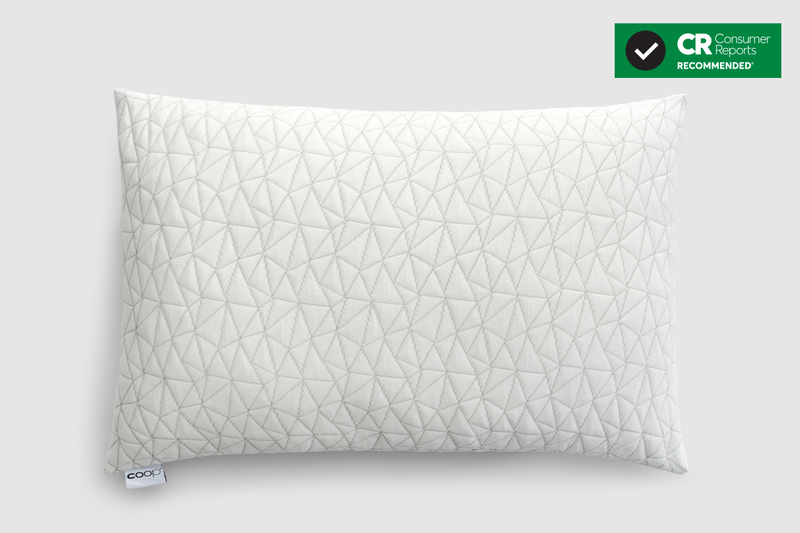
Consumer Reports Recommended - fully customizable loft
Cross-cut Memory Foam
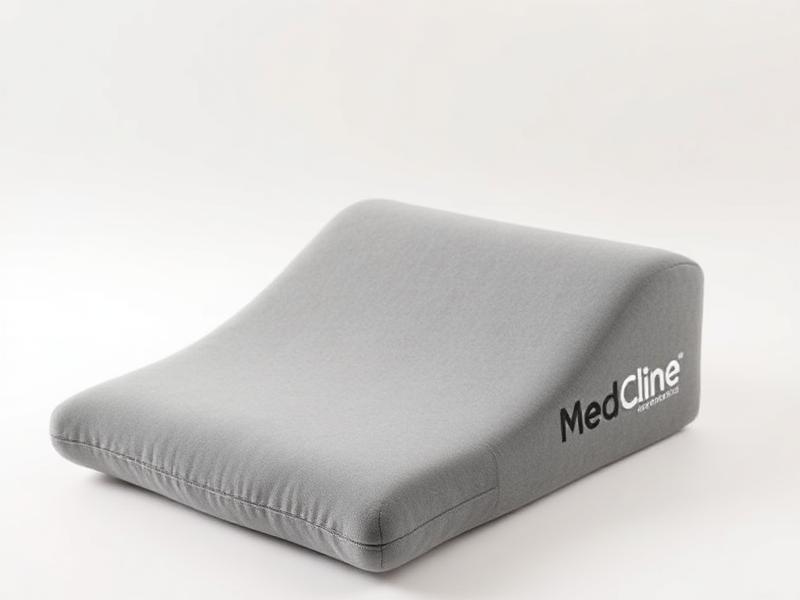
FDA-cleared therapeutic body pillow system for nighttime acid reflux
Memory foam +
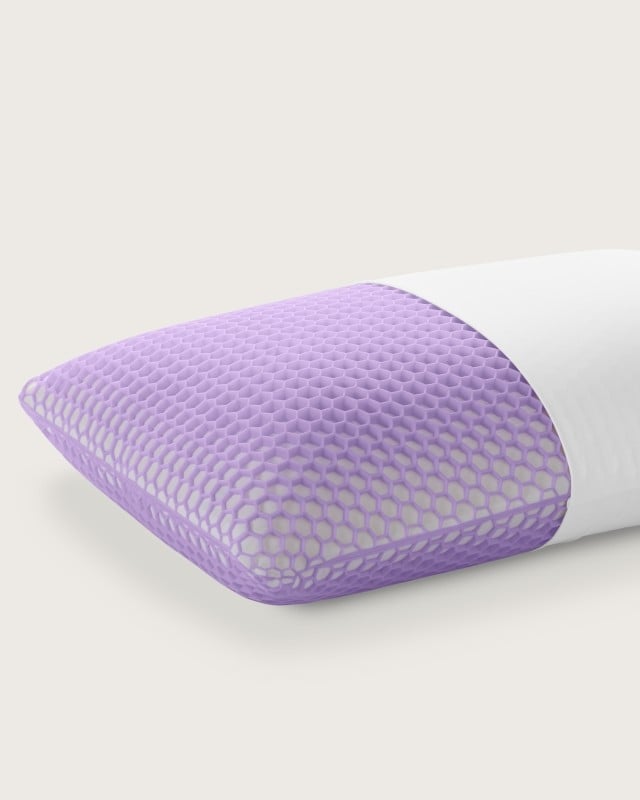
Hyper-Elastic Polymer GelFlex
Technogel® Water-Based Gel
Cervical alignment starts at the mattress: if your shoulder sinks too deep, no pillow loft can compensate. Pair your pick with a mattress that stops joints at neutral in our EDS mattress guide, and see our neck pain pillow roundup if cervical pain is your primary symptom. For the POTS overlap, an adjustable base adds the head elevation that reduces morning orthostatic symptoms.
Match loft to sleep position, not to the diagnosis. Side sleepers with hEDS need 4-6 inches to fill the shoulder gap without tipping the head; back sleepers need 3-4 inches with a slight cervical roll. The critical factor is that the loft holds all night — a pillow that compresses an inch by 3 a.m. lets the cervical spine drift into lateral flexion, which is when hypermobile sleepers wake with a stiff, subluxed neck.
Usually yes for back sleepers, with one caveat: the contour must match your neck length. A contour wave that is too tall pushes the head into flexion; too shallow and it does nothing. Adjustable shredded-fill pillows let you build the same cervical support shape but tuned to your anatomy, which is why they dominate our EDS picks.
Avoid solid, slow-response memory foam if you reposition frequently — the same trapping problem as memory foam mattresses applies at the neck, and turning your head against resistance can irritate an unstable cervical segment. Shredded memory foam is different: it shifts instantly and can be redistributed, so it works well for hypermobile sleepers.
CCI management belongs to your medical team, and no pillow treats it. From a comfort standpoint, sleepers in our panel with diagnosed CCI did best on a medium-loft adjustable pillow with a small neck roll tucked into the lower edge, back or side sleeping only. Stomach sleeping forces sustained cervical rotation and was universally reported as a next-morning pain trigger.
Yes — a body pillow is one of the cheapest EDS sleep interventions. Hugging one keeps the top shoulder from rotating forward, and placing it between the knees stops hip internal rotation and knee hyperextension in side sleeping. Pair it with a supportive head pillow; a body pillow alone does not fix cervical alignment.
Every 18-24 months for shredded fill, sooner for solid foam once it develops a permanent head crater. Hypermobile necks are sensitive to small loft losses that average sleepers never notice. If you wake with neck stiffness that fades within an hour, the pillow — not the mattress — is the first thing to suspect.
Buckwheat hulls are the most stable fill available — they lock in place and do not compress overnight, which is exactly what an unstable neck needs. The tradeoffs are weight, noise when repositioning, and a firm feel some cEDS sleepers with sensitive skin find abrasive. A quilted cover solves most of the friction issue.
Keep exploring
Before you buy, read the brand: construction, pricing bands, trial and warranty terms, and how each company's lineup performed in our Encinitas lab.
Hand-picked guides and reviews from our editorial team.
Lab-tested pillow reviews.
Joint-friendly picks for hypermobility.
Cervical-aligned picks pressure-mapped in our Encinitas lab.
Recreate your favorite hotel bed.
Pillows designed for CPAP users.
Wedge pillows for GERD relief.