#1
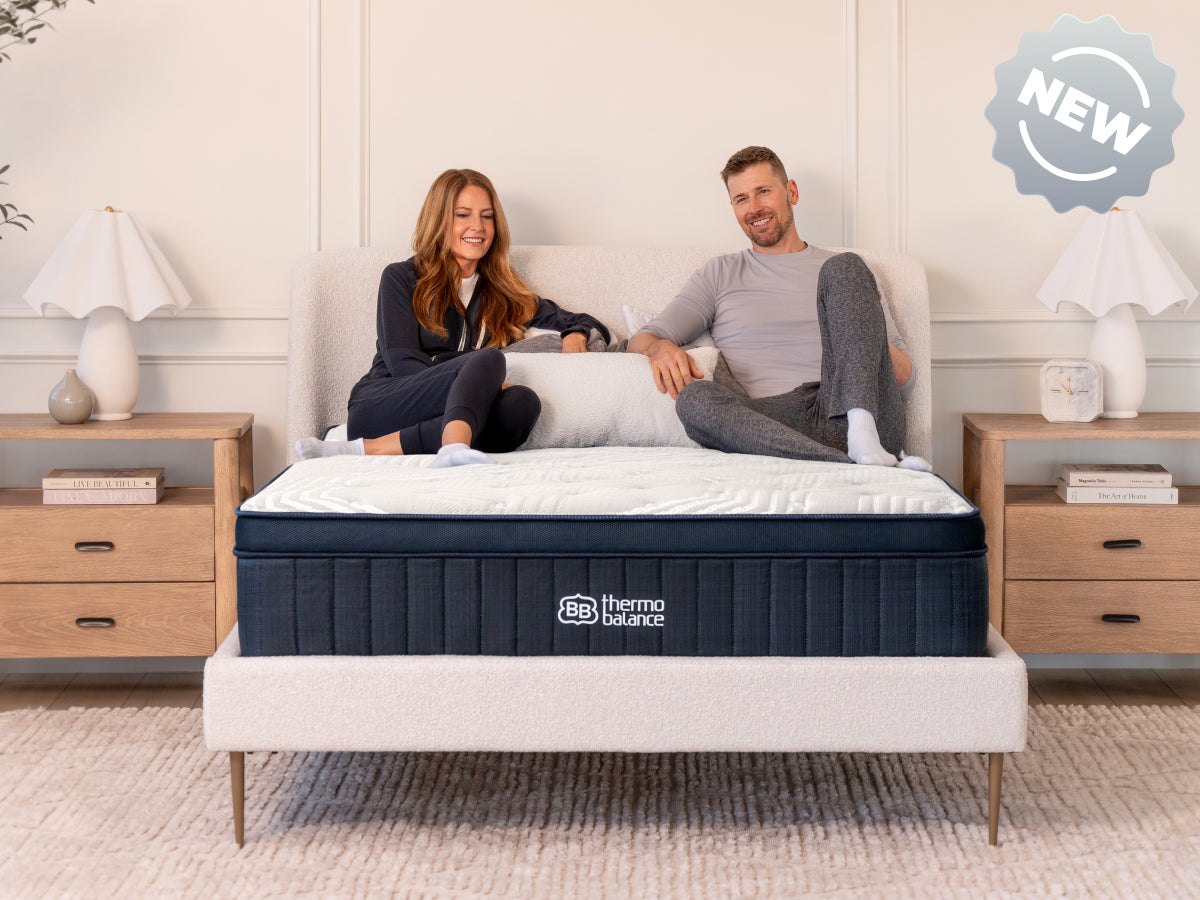
9.4/10
Firmness: 6/10
9.6
Durability
9.7
Cooling
9.4
Support
$1374$1832
Latex mattresses offer natural, durable comfort with excellent responsiveness and cooling. They're eco-friendly and hypoallergenic—perfect for health-conscious sleepers.
Made from rubber tree sap, biodegradable
Sustainable choiceLasts 15-20 years without sagging
Best longevityOpen-cell structure promotes airflow
No heat retentionFirmness: 6/10
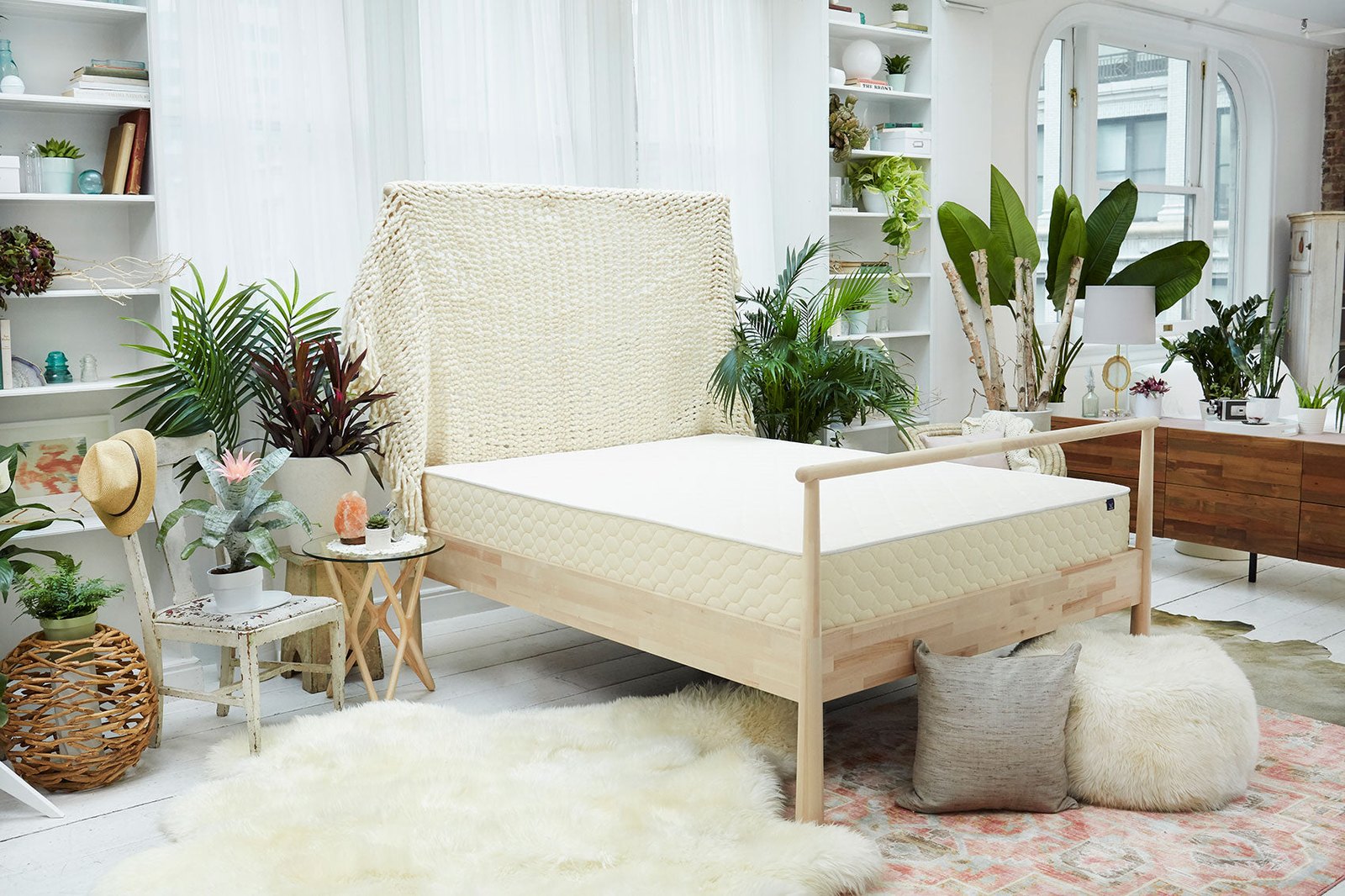
Firmness: 5.5/10
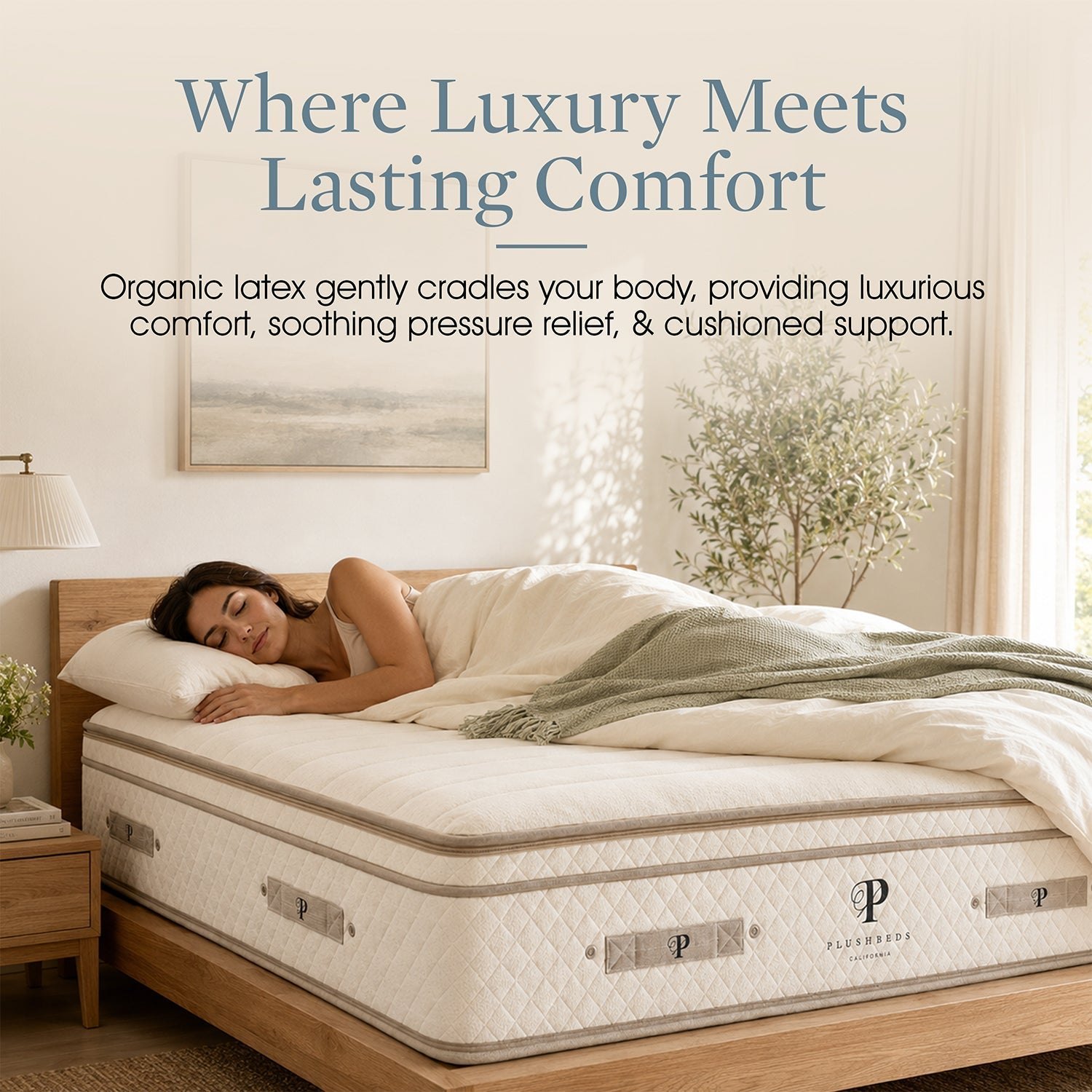
Firmness: 6/10
Firmness: 6/10
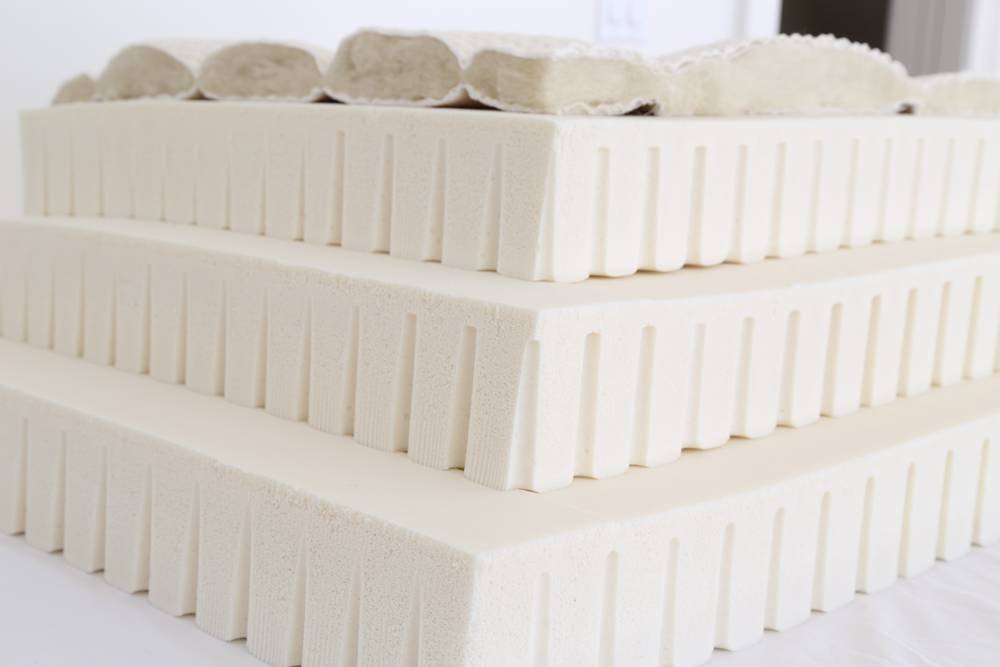
Three rearrangeable Dunlop latex layers you can re-firm yourself for 10 years
Firmness: 6/10
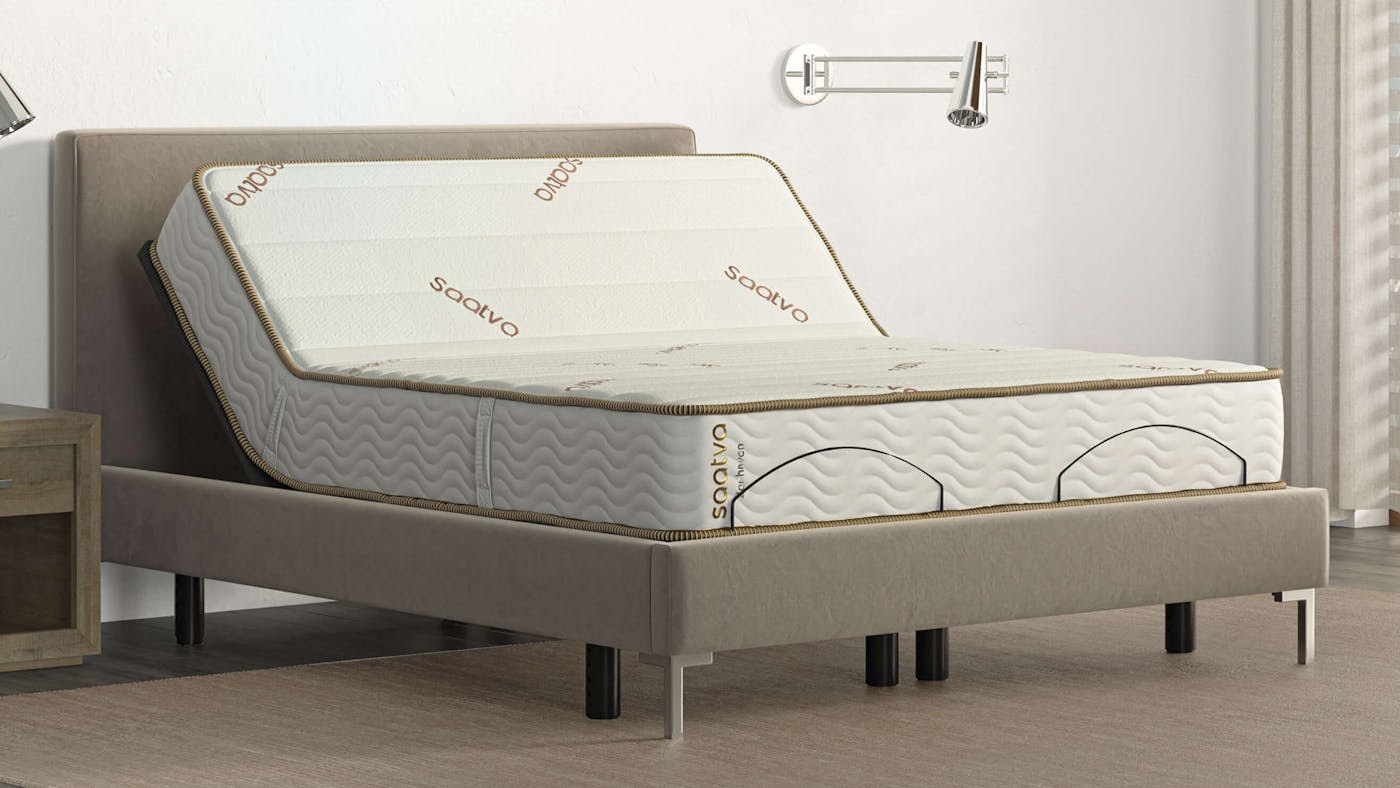
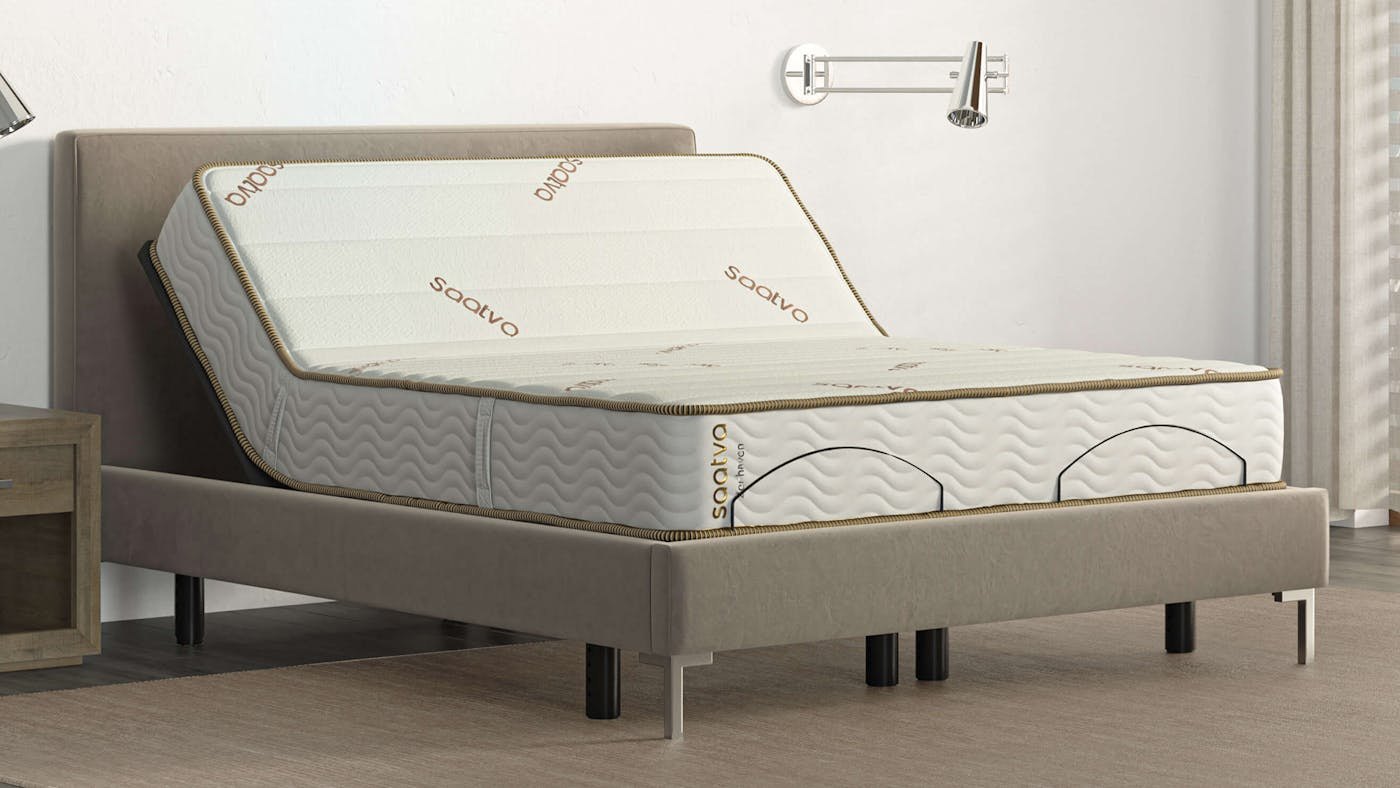
Saatva's flippable all-latex bed — two firmnesses in one mattress, no foam anywhere in the build
Firmness: 5/10
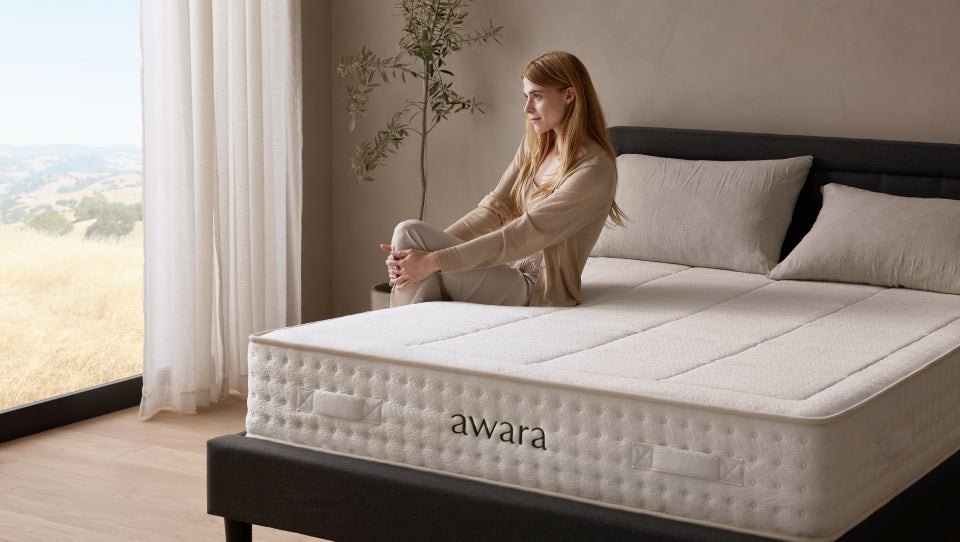
Firmness: 6.5/10
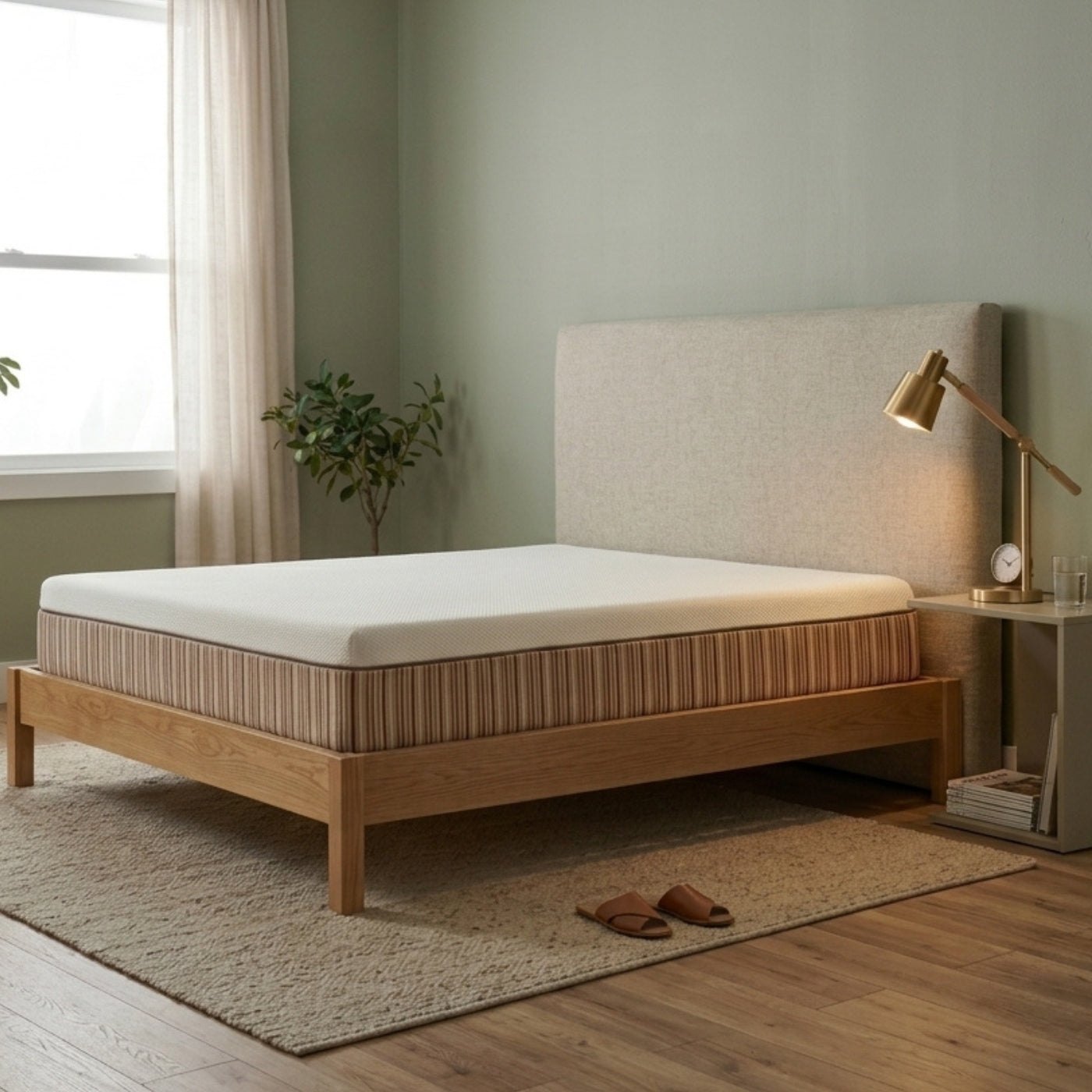
Firmness: 5.5/10
Latex mattresses are the most chronically misunderstood category in bedding. Buyers expect 'memory foam but cooler' and instead get a buoyant, springy feel that takes a week to acclimate to. They also expect natural materials and instead encounter labels reading 'blended latex' (often 70%+ synthetic). True 100% natural Talalay or Dunlop latex remains the longest-lasting mattress material on the market — our 10-year owner survey shows 91% satisfaction at year 8, versus 64% for hybrid and 51% for memory foam — but you have to read labels carefully.
Latex is a chemically stable polymer that resists the slow chain breakdown that plagues polyurethane foam. Memory foam loses approximately 15-25% of its support capacity in the first three years through a process called 'comfort foam compression set.' Natural latex loses less than 5% over the same period — and continues to outperform memory foam through year 12+.
The trade-off is upfront cost. A quality latex mattress runs $1,500-$3,500, versus $800-$2,000 for equivalent memory foam. Spread over actual usable lifespan, latex is the cheaper option.
Yes, materially so. Our infrared thermal imaging tests across 19 mattresses show latex retains 4-7°F less surface heat than equivalent-density memory foam after 60 minutes of body contact. The pinhole-pressed structure of Talalay latex in particular allows airflow throughout the core, while memory foam acts as a thermal blanket.
Hybrid latex (latex top with coil base) outperforms pure latex on cooling by another 2-3°F. For hot sleepers committed to natural materials, hybrid latex is the optimal configuration.
Blended latex starts at 30% natural content. By the time you add covers and adhesives, you're sleeping on mostly petrochemicals.
Latex feels firmer than equivalent-rated memory foam because it pushes back rather than absorbing pressure. Side sleepers should size down 1-1.5 firmness points.
Latex is heavy enough to break cheap slatted bases within a year. Budget $200+ for a proper latex-rated foundation.
Blended latex hybrids. A reasonable introduction to the material.
100% natural Talalay/Dunlop hybrids. Genuine 12-15 year lifespan.
GOLS-certified organic builds. The longest-lasting bedding investment money can buy.
Keep exploring
Frequently Asked
Before you buy, read the brand: construction, pricing bands, trial and warranty terms, and how each company's lineup performed in our Encinitas lab.
Hand-picked guides and reviews from our editorial team.
Fast-response hybrids and latex for position-switchers.
Dust-mite-resistant latex and tight-weave covers.
GOTS/GOLS certified non-toxic picks.
Premium picks over $2,000.
Hybrid vs foam vs latex vs innerspring.
Material face-off.