#1
9.4/10
Firmness: 6/10
9.6
Durability
8.6
Value
9.3
Comfort
$1374$1832
Sleep clean with certified organic mattresses. Made with natural latex, organic cotton, and eco-friendly materials for a healthier, more sustainable sleep.
No harmful chemicals, flame retardants, or off-gassing
GOTS/GOLS certifiedNatural materials resist dust mites and allergens
Great for allergiesEco-friendly production and biodegradable materials
Better for the planetFirmness: 6/10
Firmness: 5.5/10
Firmness: 6/10
Firmness: 7/10
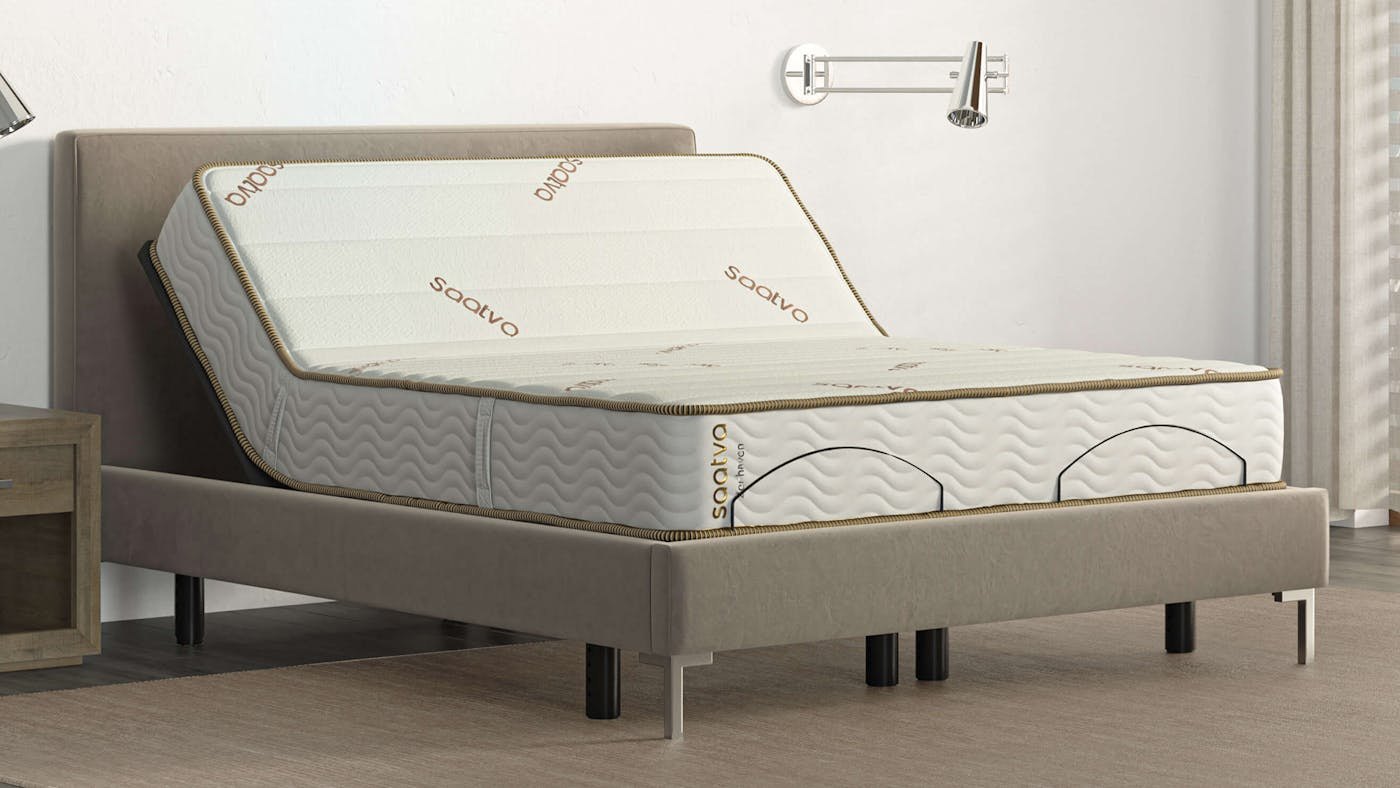
Firmness: 6/10
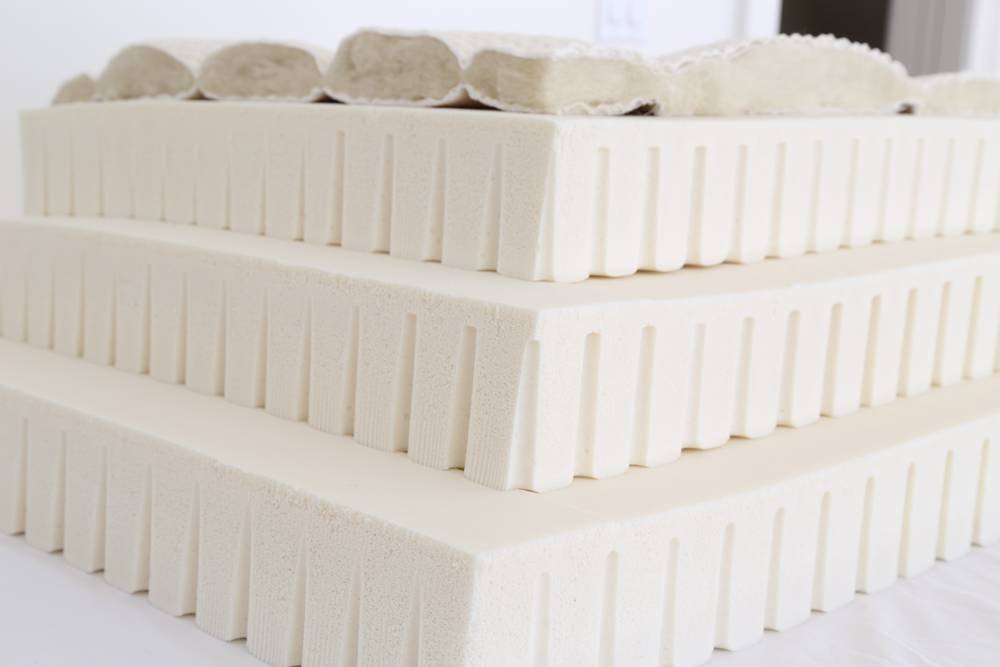
Three rearrangeable Dunlop latex layers you can re-firm yourself for 10 years
Firmness: 6/10
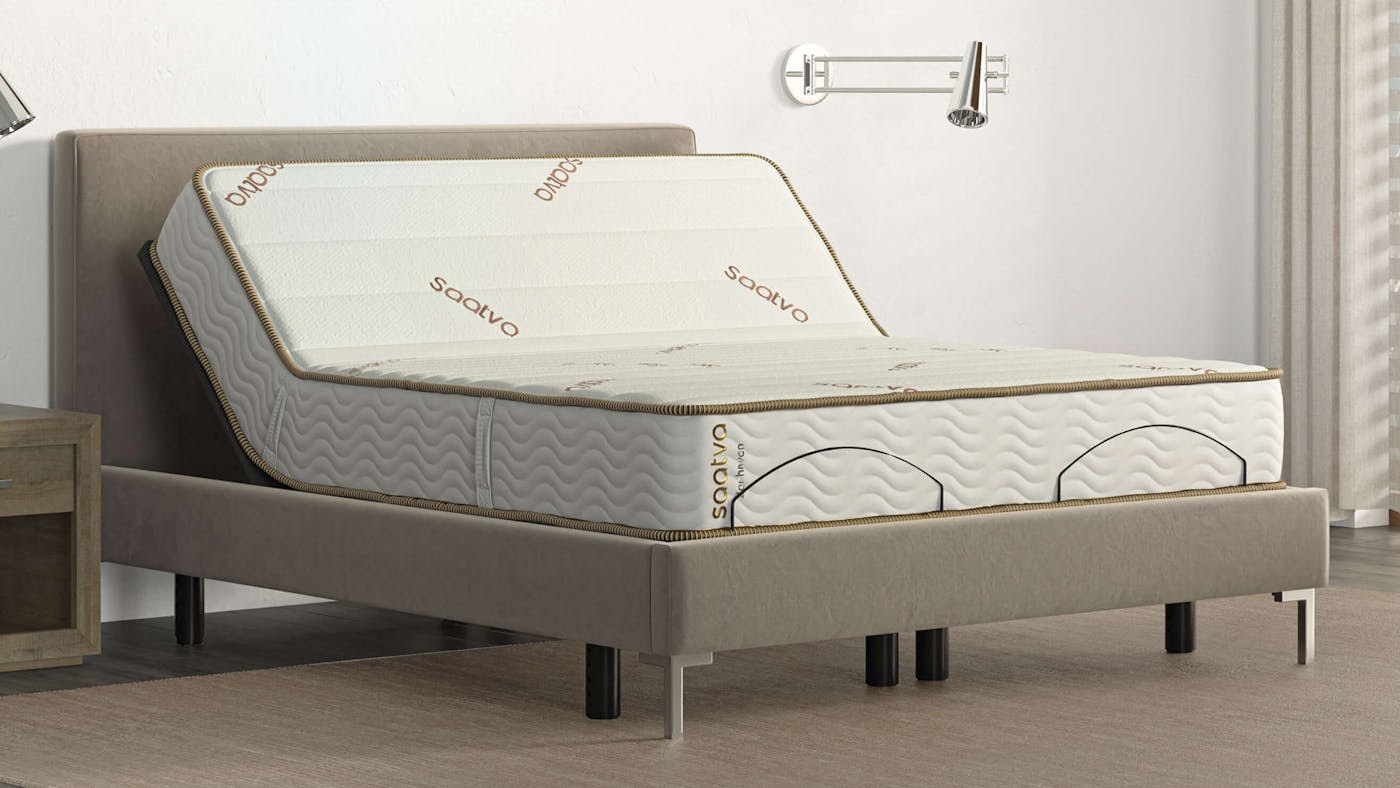
Saatva's flippable all-latex bed — two firmnesses in one mattress, no foam anywhere in the build
Firmness: 5/10
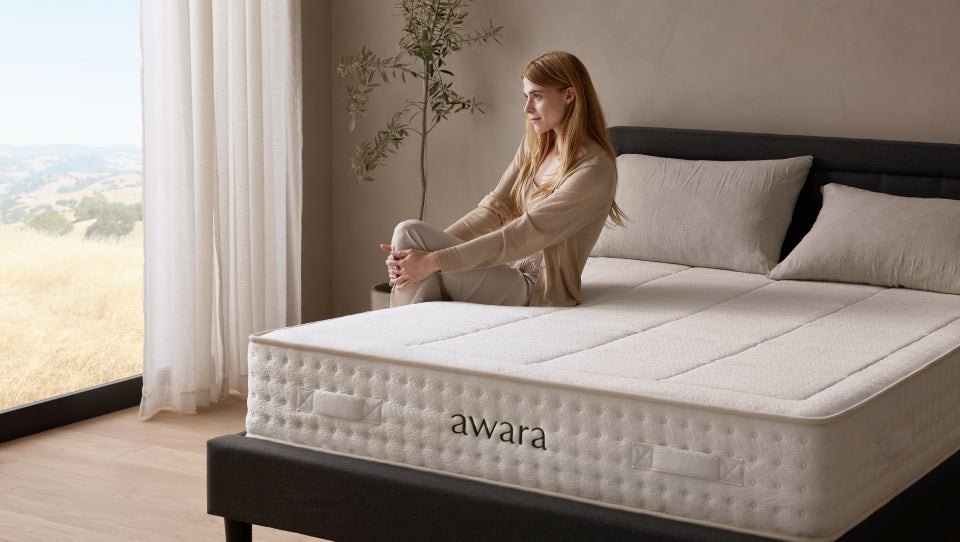
Firmness: 6.5/10
The 'organic mattress' label is genuinely meaningful — when properly certified. The category has expanded to dozens of brands in the last five years, but only a small fraction carry GOTS (Global Organic Textile Standard), GOLS (Global Organic Latex Standard), or MADE SAFE certifications that require independent audit of the entire supply chain. The picks below all carry at least two of those three certifications, contain no polyurethane foam or chemical flame retardants, and source materials with full chain-of-custody documentation.
The honest answer depends on your sensitivities. For most adult sleepers with no allergies, the health difference between a CertiPUR-US foam mattress and a fully organic mattress is small but measurable — primarily in VOC emissions during the first 6-12 months of ownership.
For chemically sensitive sleepers, allergy sufferers, asthmatics, and infants/young children, the difference is significant. Conventional mattresses can off-gas detectable formaldehyde, benzene, and brominated flame retardants for years. Organic mattresses eliminate those exposures entirely.
Organic raw materials cost 3-5x more than synthetic equivalents — organic cotton runs roughly $4/lb versus $0.80/lb for conventional, organic wool is roughly $12/lb versus $3/lb. Then add the cost of certification audits (annually, per facility) and the slower production rates required to maintain material segregation.
The result: a mattress that would cost $900 to manufacture conventionally costs $2,400-$3,200 to manufacture organically. Brands selling 'organic' mattresses for under $1,500 are nearly always using partial-organic materials with marketing language that obscures the distinction.
Both terms are entirely unregulated. Only GOTS, GOLS, MADE SAFE, and OEKO-TEX have legal teeth.
Organic mattresses don't sleep cooler, last longer, or feel different than equivalent quality non-organic. Buy organic for purity, not performance.
An organic mattress on a treated-pine foundation defeats much of the purpose. Budget for a matching organic or untreated wood base.
Partial-organic hybrids. Real benefit only if the certification is verified.
Fully GOTS/GOLS-certified builds. The genuine sweet spot.
Avocado, Naturepedic, Saatva Zenhaven flagship tiers. Best-in-class for sensitivities.
Already shopping a specific brand? See how each one stacks up for eco-conscious buyers.
Keep exploring
Frequently Asked
Before you buy, read the brand: construction, pricing bands, trial and warranty terms, and how each company's lineup performed in our Encinitas lab.
Hand-picked guides and reviews from our editorial team.
GREENGUARD Gold, GOTS, and CertiPUR-US verified picks.
Bouncy, durable, natural latex picks.
Naturally cooling wool-topped picks.
Premium picks over $2,000.
Dust-mite-resistant picks for allergy sufferers.