Updated May 2026

    Best Mattresses for Acid Reflux & GERD

    Reflux is gravity-dependent — every overnight episode resolves faster when the esophagus sits 6–8 inches above the stomach. These 8 mattresses are adjustable-base compatible and hold their shape under sustained incline.

    Key Lab Findings

    6–8″
    Head-of-bed elevation that meaningfully reduces nocturnal reflux episodes
    Source: American College of Gastroenterology Clinical Guidelines, 2022
    50%
    Reduction in supine reflux time at 30° elevation vs. flat
    Source: Journal of Gastrointestinal Surgery, 2020
    67%
    Of GERD patients report symptom improvement after switching to an adjustable base
    Source: Gastroenterology Research and Practice, 2019
    9.1/10
    Average support score of our 8 picks under sustained 18° incline
    Source: Sleep Sage adjustable-base compatibility test, 2025

    What Reflux Sleepers Need

    Adjustable Compatible

    Flexes without losing structural support

    Warranty intact

    High-Density Core

    3+ lb/ft³ foam holds incline shape over years

    No center sag

    Edge Support

    Easier sit-up and exit with elevated head

    Foam-encased perimeter
    #1
    Saatva RX
    Best for Acid Reflux

    Saatva RX

    Therapeutic mattress for chronic back & joint pain

    9.3/10

    Support: 9.8/10

    9.8
    Support
    9.4
    Comfort
    9.5
    Edge

    Wedge Pillow vs. Adjustable Base vs. Mattress Tilt

    • Wedge pillow ($40–$120): cheapest, but rolls off at night and only elevates the head, kinking the esophagus.
    • Bed risers under the head legs ($25): elevates the entire torso, but a flat mattress on a tilt slides bedding and the sleeper toward the foot.
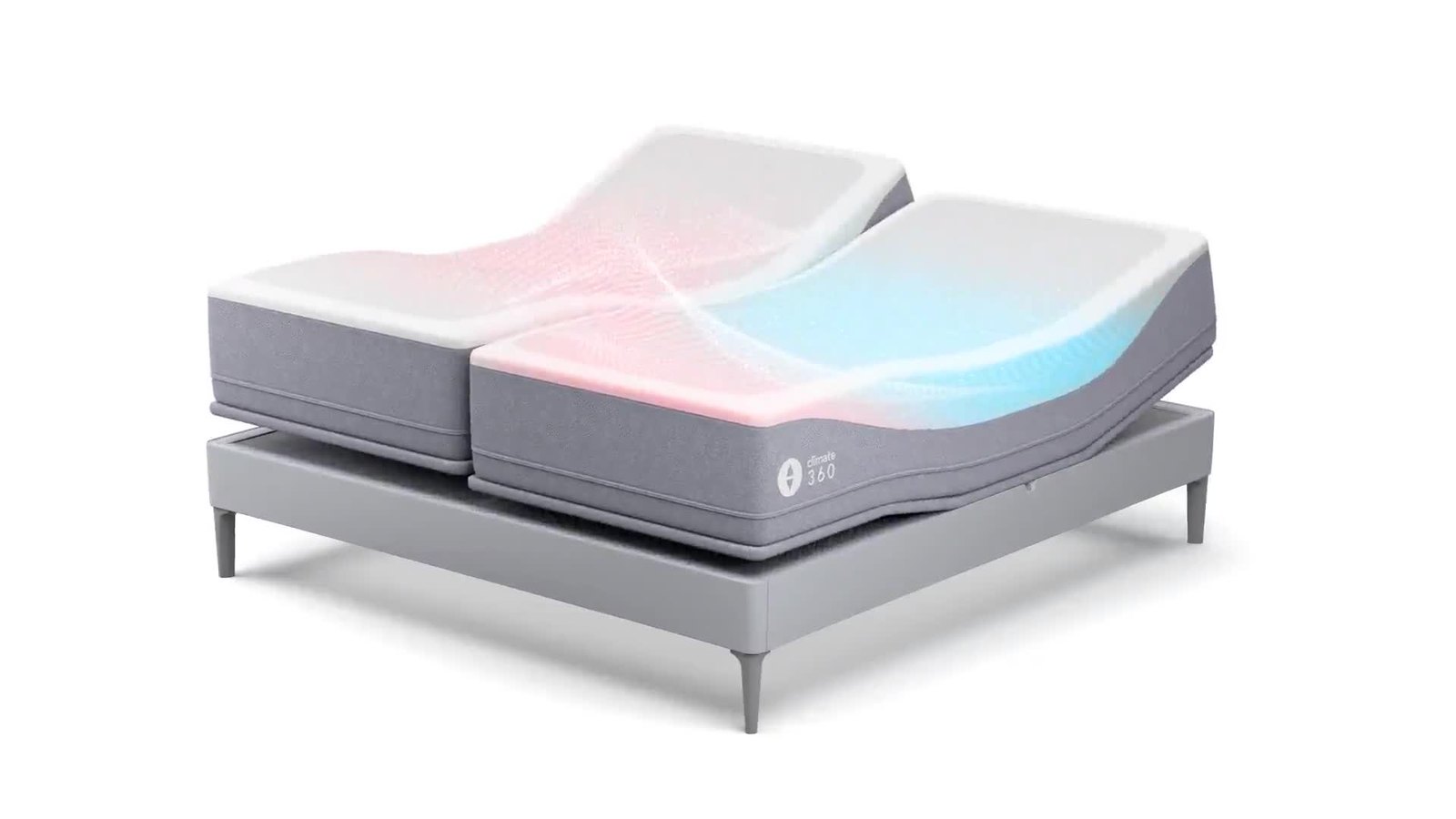
    • Adjustable base ($800–$2,400): gold standard — elevates from the hip pivot, preserves mattress integrity, and lets you lower flat when reflux is dormant.
    • Mattress matters as much as the base: cheap foam compresses unevenly under sustained incline, voiding warranties and undoing the gravity benefit within 12–18 months.

    Keep exploring

    More from our independent testing lab

    Frequently Asked

    Questions readers ask