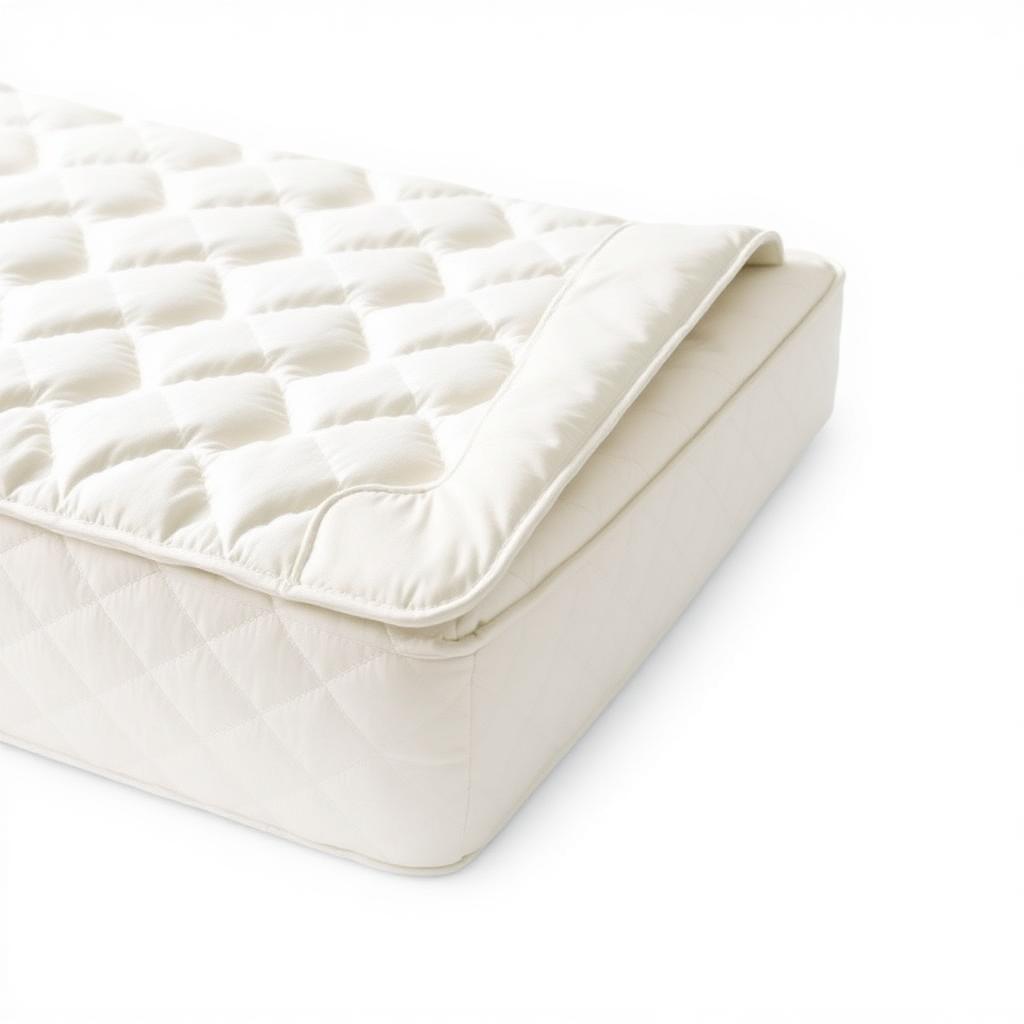
Tempur-Pedic TEMPUR-Adapt Topper
Premium TEMPUR foam topper engineered for pressure relief and pinpoint support
Medium (5.5/10)
Material: Proprietary TEMPUR Material
Keep exploring
Before you buy, read the brand: construction, pricing bands, trial and warranty terms, and how each company's lineup performed in our Encinitas lab.
Hand-picked guides and reviews from our editorial team.
Firm picks that protect the lumbar spine.
Medium-firm hybrids tested for spinal alignment.
Zoned lumbar support tested in lab.
Picks tested for nerve-pain relief.
Spine-supportive picks tested by a DPT.
Picks that decompress the spine.
Back pain is a support problem, not a softness problem. We ranked 12 toppers by measured support score — not plushness — to find the ones that actually hold your spine in neutral.
Lay a straightedge or broom handle across your mattress. If you see a gap of more than about an inch under the middle, the support core has failed — a topper will sink straight into that dip and your back pain will continue. In that case you need a new mattress, not a topper. See our best mattresses for back pain and mattress lifespan guide. If the surface is flat but the top feels dead and unsupportive, a topper is exactly the right tool.

Premium TEMPUR foam topper engineered for pressure relief and pinpoint support
Medium (5.5/10)
Material: Proprietary TEMPUR Material

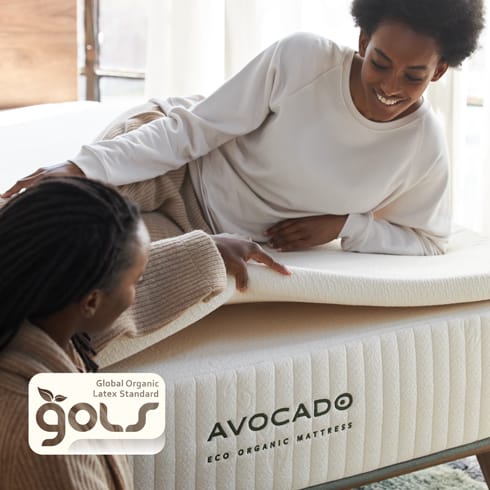
GOLS-certified Dunlop latex for firm, supportive comfort
Medium (6/10)
Material: GOLS Certified Organic Dunlop Latex

Ultra-premium alpaca wool for temperature regulation and softness
Plush (3/10)
Material: 100% Alpaca Wool Fill + Organic Cotton Shell

GOTS-certified organic wool for plush warmth without overheating
Plush (3/10)
Material: GOTS Certified Organic Wool + Organic Cotton Shell

100% natural Dunlop latex at the best price in the category
Soft / Medium / Firm
Material: 100% Natural Dunlop Latex

Talalay latex for a softer, more cushioned sleep surface
Plush (4/10)
Material: Talalay Latex
| Your situation | Target firmness | Best material |
|---|---|---|
| Lower back pain, back sleeper | Medium 5-6/10 | Latex or dense memory foam |
| Lower back pain, side sleeper | Medium-soft 4-5/10 | Memory foam |
| Back pain + hip pressure | Medium-soft 4-5/10 | Memory foam |
| Back pain, over 230 lbs | Medium-firm 6/10, 3 inches | Dunlop latex |
| Mattress feels too firm and back aches | Medium 5/10 | Latex or wool |
| Back pain + sleeping hot | Medium 5-6/10 | Latex or PCM-infused foam |
Every topper went onto the same control mattress — a medium-firm hybrid — so differences came from the topper alone. We measured how far the hips sank relative to the shoulders for test sleepers in three weight brackets, then recorded how much that gap changed over a full night as foam warmed and settled. Toppers that held alignment steady from hour one to hour eight scored highest for support. Toppers that felt great initially but let the hips keep sinking scored lower, regardless of how comfortable they felt at first.
A topper helps back pain in one specific scenario: your mattress is still structurally sound but its comfort layer has worn out, letting your hips sink out of alignment. A 2-3 inch high-density latex or memory foam topper restores that contouring layer and can bring the spine back to neutral. A topper cannot fix a mattress that has actually sagged — if you can see a visible dip or feel the coils, the support core has failed and no topper will correct it.
Medium is the target for most people with back pain — roughly 5-6 on a 10-point scale. Too soft and your hips sink below your shoulders, which flexes the lumbar spine all night. Too firm and your hips and shoulders can't sink at all, leaving a gap under the lower back. Side sleepers with back pain can go slightly softer (4-5) because they need more shoulder and hip contouring to keep the spine straight.
Two to three inches. Below 2 inches there isn't enough material to redistribute pressure — you'll still feel the mattress underneath. Above 3 inches you begin to lose the support of the mattress itself and effectively sleep on an unsupported foam slab, which tends to make lower back pain worse. Three inches is the sweet spot for sleepers over 230 lbs; 2 inches is usually enough under 230 lbs.
Latex generally scores higher for back pain in our testing because it supports without the slow-sink of memory foam. Memory foam conforms closely and relieves pressure points well, but it allows heavier body parts to keep settling through the night, which can pull the lumbar spine out of neutral by morning. Latex pushes back, holding the hips at a more consistent height. Memory foam is the better pick if your back pain is accompanied by hip or shoulder pressure points.
Give it two to four weeks. Your body adapts to whatever alignment your old mattress imposed, and correcting that alignment often causes a brief period of new stiffness as muscles adjust. If pain is clearly worse after four weeks, the topper is the wrong firmness for you — that is what sleep trials are for.
No. Adding a topper sits on top of the mattress and does not alter its construction, so it does not void warranties. What does void most warranties is using an unsupported or incorrectly spaced foundation, or any visible staining — which is why a waterproof protector should go over the topper, not under it.
We track prices on every mattress, pillow, and topper we test. When one of the picks here hits a genuine low — not a fake list-price markdown — we email you the same day.
Labor Day pricing ends Sept 9. Subscribers get the post-holiday price reset alerts too.
No spam, no daily blasts. Unsubscribe in one click.
Get exclusive coupons and price drop alerts delivered to your inbox.