Side-by-side mattress testing · 144+ comparisons published
Quick Specs Comparison
Key Advantages
Why Choose Nectar
- $350 cheaper at Queen size
- 365-night trial — 3x longer than Brooklyn Bedding
- Forever warranty vs 10 years
- Superior motion isolation for light sleepers
- Simple one-model approach — no decision fatigue
Why Choose Brooklyn Bedding
- Three firmness options (Soft, Medium, Firm)
- Hybrid coil system for better airflow and cooling
- Own-factory manufacturing for quality control
- Superior edge support and bounce
- Showrooms available for in-person testing
Lab Verdict
Cooling was a wash — both mattresses landed within half a degree of each other after 60 minutes of body heat. Couples should note that the Nectar dampened motion more aggressively (0.06g peak vs. 0.1g). Side sleepers will feel less shoulder pressure on the Nectar (peak 29 mmHg vs. 31 mmHg). Perimeter compression was nearly identical — neither bed is the obvious pick on edge support alone. Brooklyn Bedding returned more energy on rebound (59% vs. 40%), favoring combo sleepers.
| Metric | Nectar | Brooklyn Bedding | Edge |
|---|---|---|---|
| Cooling (60-min Δ°F) | 3.3°F | 3.1°F | Brooklyn Bedding |
| Motion isolation (g) | 0.06g | 0.1g | Tie |
| Edge sinkage | 2.1" | 1.9" | Brooklyn Bedding |
| Shoulder pressure (mmHg) | 29 mmHg | 31 mmHg | Nectar |
| Response time (s) | 1.2s | 0.5s | Brooklyn Bedding |
| Off-gassing | 1 days | 1 days | Tie |
Median of 3 trials, 68°F climate-controlled lab. DH/KW / DH/NL · scoring vv2.1.
In-Depth Analysis
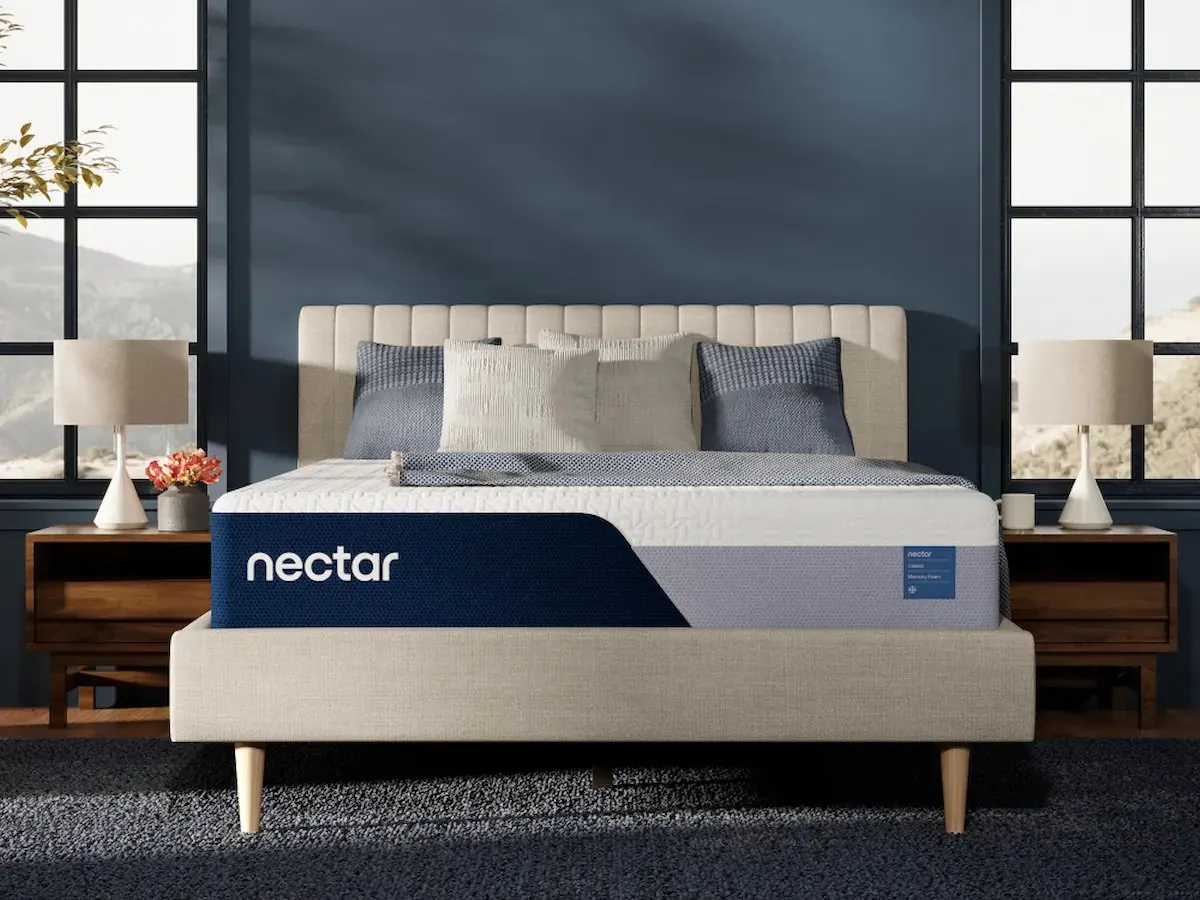
Nectar and Brooklyn Bedding represent two of the best budget-friendly mattress options, but they take fundamentally different construction approaches. Nectar is an all-foam memory foam mattress at $649, while Brooklyn Bedding offers a hybrid with pocketed coils at $999. The $350 price difference buys a fundamentally different sleep technology.
Brooklyn Bedding's hybrid construction provides clear advantages in cooling, edge support, and bounce. The pocketed coil base promotes airflow throughout the mattress, keeping the sleep surface 3-4°F cooler than Nectar's all-foam design. Edge support scored 8.5 vs 7.2, meaning Brooklyn Bedding users get more usable surface area — especially important for couples sharing a Queen.
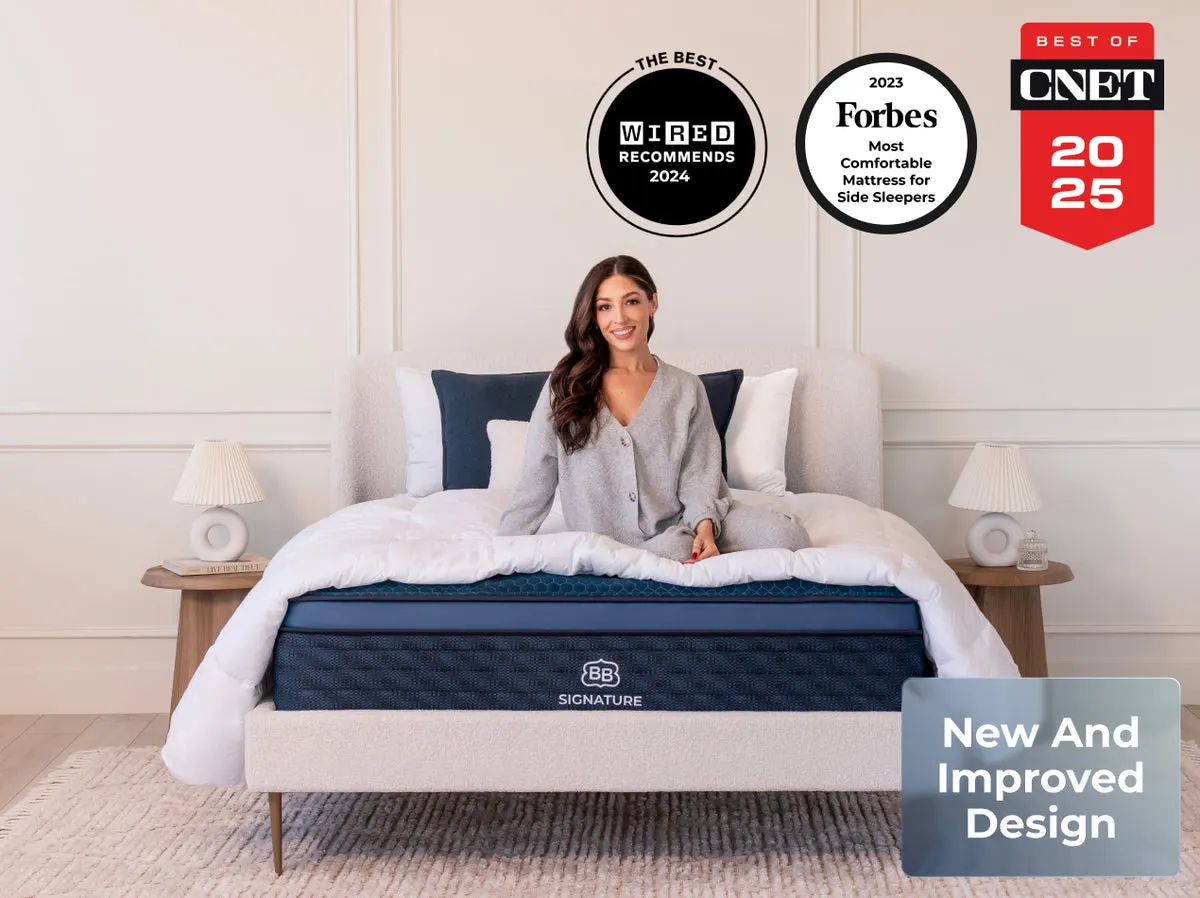
Brooklyn Bedding's other major advantage is choice. Their Signature Hybrid comes in Soft, Medium, and Firm, letting you select your ideal firmness at purchase. They also own their own factory — a rarity in the mattress industry — which means direct quality control over every component. Nectar offers a single medium-firm option, betting that 6.5/10 suits most sleepers.
Nectar's strengths are value and motion isolation. The dense memory foam absorbs partner movement significantly better than Brooklyn Bedding's bouncier hybrid design. And at $350 less with a 365-night trial (vs 120) and forever warranty (vs 10 years), Nectar offers dramatically more financial protection.
The decision framework is straightforward: if you sleep hot, need edge support, or want firmness options, Brooklyn Bedding's hybrid construction is worth the premium. If you prioritize value, motion isolation, and buying protection, Nectar's memory foam approach delivers exceptional results at a lower price.
Our Verdict
Nectar wins on value, trial period, warranty, and motion isolation. Brooklyn Bedding wins on cooling, edge support, firmness options, and durability. Choose based on whether value/isolation or cooling/support matters more to you.
Buying Advice
Choose Nectar if budget is key and you want the best motion isolation with maximum trial and warranty coverage
Choose Brooklyn Bedding if you sleep hot, need strong edge support, or want to select your specific firmness level
Side sleepers who don't overheat will love Nectar's deep pressure relief at its unbeatable price
Back and stomach sleepers should consider Brooklyn Bedding's Firm option for better spinal alignment
Both brands run frequent sales — Brooklyn Bedding especially drops prices during holidays, sometimes closing the $350 gap significantly